 Jun, 22 2026
Brain Fog & Clarity Calculator
Answer these questions honestly to identify what might be blocking your mind.
Physical Foundations
Mental State
Digital Habits
Your Clarity Score
Take the Quiz
Select options above and click Analyze.
Have you ever felt like your thoughts are stuck in thick mud? You try to focus on a simple email, but your mind drifts. You reach for a word, but it vanishes. This sensation is often called brain fog, though "mental block" or "cognitive fatigue" might feel more accurate depending on the situation. It is not just being tired; it is a distinct feeling that your mental processing power has been throttled.
This experience is incredibly common. In fact, studies suggest that up to 70% of adults report experiencing some form of cognitive sluggishness at least once a month. But when does it become a problem worth addressing? If this fog persists for weeks, interferes with your work, or leaves you feeling frustrated and disconnected from yourself, it is time to look deeper. The good news is that most mental blocks are temporary and treatable. Let’s explore what might be blocking your mind and how to clear it.
The Physical Foundations: Sleep, Diet, and Stress
Before we dive into psychological factors, we must address the biological basics. Your brain is an organ, and like any organ, it requires specific conditions to function optimally. When these conditions are not met, performance drops sharply.
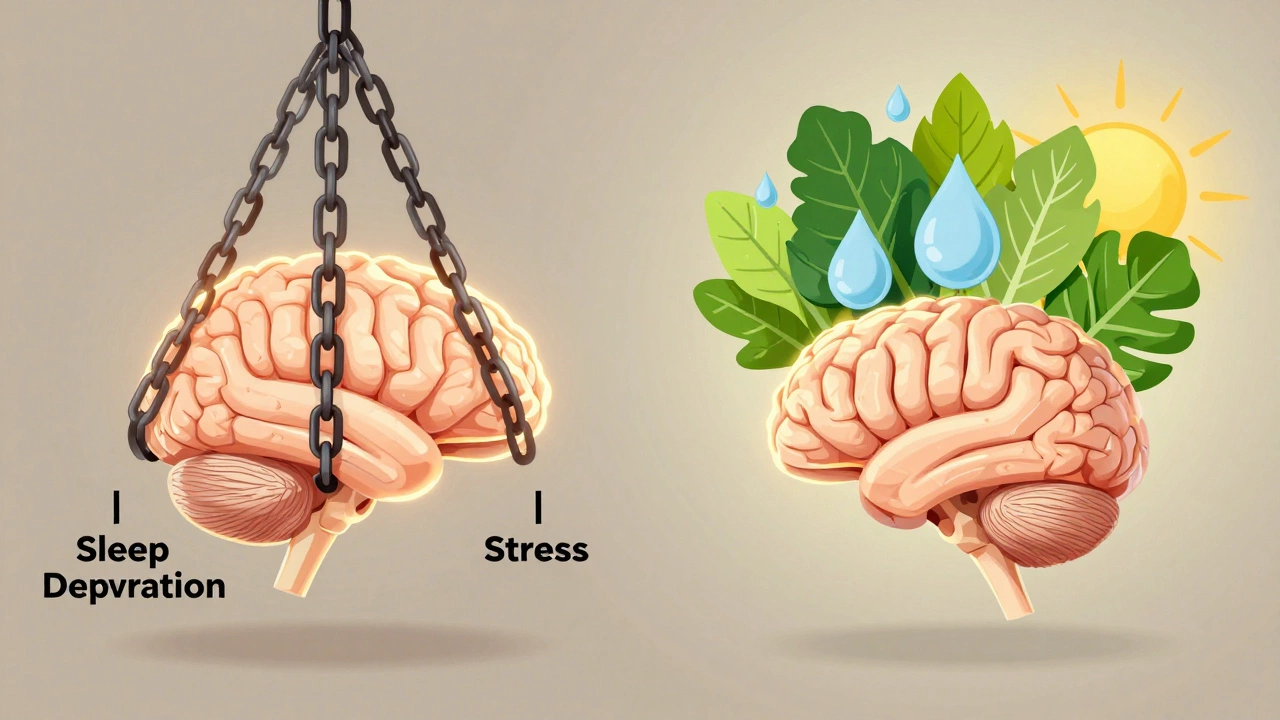
Sleep deprivation is one of the most potent blockers of cognitive function. Research published in the journal Sleep Medicine Reviews indicates that losing just one hour of sleep per night can significantly impair attention and memory recall after two weeks. If you are consistently getting less than seven hours, your prefrontal cortex-the part of the brain responsible for decision-making and focus-struggles to filter out distractions.
Diet plays a equally crucial role. High-sugar diets cause blood glucose spikes and crashes, leading to periods of intense energy followed by sudden mental fatigue. Conversely, dehydration as minimal as 2% can reduce concentration and increase perceived task difficulty. Even mild deficiencies in Vitamin B12 or Iron can mimic symptoms of anxiety or depression, manifesting as mental cloudiness.
Chronic stress acts as a constant background noise. When your body perceives stress, it releases cortisol. While useful in short bursts (the fight-or-flight response), sustained high levels of cortisol damage the hippocampus, the area involved in learning and memory. This creates a feedback loop: you feel foggy because you are stressed, and you become more stressed because you cannot think clearly.
- Sleep: Aim for 7-9 hours of quality rest. Consistency matters more than duration alone.
- Nutrition: Prioritize complex carbohydrates, lean proteins, and healthy fats. Avoid heavy meals before tasks requiring deep focus.
- Hydration: Drink water regularly throughout the day. Keep a bottle at your desk as a visual cue.
- Movement: Thirty minutes of moderate exercise increases blood flow to the brain, delivering oxygen and nutrients essential for cognition.
Psychological Barriers: Anxiety, Depression, and Burnout
If your physical health is in order, the next likely culprits are emotional and psychological states. Mental health conditions do not always present as sadness or fear; often, they present as an inability to think straight.
Anxiety disorders consume significant cognitive resources. When you are anxious, your brain is hyper-vigilant, scanning for threats. This leaves little bandwidth for other tasks. You might find yourself ruminating on past mistakes or worrying about future outcomes, which crowds out productive thinking.
Depression, too, affects cognition. A symptom known as "psychomotor retardation" can make thought processes feel slow and labored. People with depression often struggle with executive functions like planning, organizing, and initiating tasks. It is not laziness; it is a neurological hurdle.
Burnout is another major contributor. Unlike general stress, burnout is characterized by exhaustion, cynicism, and reduced professional efficacy. It typically results from prolonged workplace stress that has not been successfully managed. If you feel emotionally drained and detached from your work, your mind may be shutting down as a protective mechanism.
| Condition | Primary Symptom | Cognitive Impact | Common Triggers |
|---|---|---|---|
| Anxiety | Worry, Restlessness | Rumination, Difficulty Focusing | Uncertainty, High-Stakes Situations |
| Depression | Low Mood, Loss of Interest | Slow Thinking, Memory Issues | Loss, Chronic Stress, Biological Factors |
| Burnout | Exhaustion, Cynicism | Reduced Productivity, Detachment | Work Overload, Lack of Control |
Digital Overload and Information Fatigue
In today’s world, our brains are constantly bombarded with information. This phenomenon, known as information overload, can lead to decision fatigue and mental paralysis. Every notification, email, and social media post demands a tiny piece of your attention. Over time, these micro-interruptions accumulate, fragmenting your focus and making deep work nearly impossible.
Smartphones and social media platforms are designed to capture and hold your attention. They exploit variable reward schedules, similar to slot machines, keeping you engaged but mentally exhausted. This constant switching between tasks prevents your brain from entering a state of flow, where productivity and creativity peak.
To combat digital overload, consider implementing strict boundaries. Turn off non-essential notifications. Designate specific times for checking emails and social media. Practice single-tasking instead of multitasking. Give your brain the space it needs to process information deeply rather than superficially.
Practical Strategies to Clear Your Mind
Clearing mental blocks requires a multi-faceted approach. Here are some evidence-based strategies to help you regain cognitive clarity.
- Mindfulness Meditation: Regular practice of mindfulness meditation has been shown to improve attention span and reduce mind-wandering. Start with just five minutes a day, focusing on your breath. When your mind wanders, gently bring it back without judgment.
- Journaling: Writing down your thoughts can help externalize them, reducing the cognitive load on your working memory. Try free-writing for ten minutes each morning to dump all your worries and ideas onto paper.
- Brain Breaks: Take regular breaks during work sessions. The Pomodoro Technique, which involves working for 25 minutes followed by a 5-minute break, can help maintain focus and prevent burnout.
- Nature Exposure: Spending time in nature has been linked to improved mood and cognitive function. Even a short walk in a park can refresh your mind and reduce stress.
- Professional Support: If self-help strategies are not enough, consider seeking help from a mental health professional. Therapy can provide tools to manage anxiety, depression, and stress effectively.

When to Seek Professional Help
While occasional brain fog is normal, persistent cognitive issues should not be ignored. If you experience any of the following, it is advisable to consult a healthcare provider:
- Mental fog that lasts for several weeks or months
- Sudden onset of memory loss or confusion
- Difficulty performing daily tasks due to cognitive impairment
- Accompanying symptoms such as severe mood changes, headaches, or physical weakness
A doctor can rule out underlying medical conditions such as thyroid disorders, vitamin deficiencies, or neurological issues. They can also refer you to a therapist or counselor if psychological factors are contributing to your mental block.
Building Long-Term Cognitive Resilience
Preventing mental blocks is about building resilience over time. This involves adopting healthy habits that support brain health and managing stress proactively. Prioritize sleep, nutrition, and exercise as non-negotiable parts of your routine. Cultivate mindfulness practices to enhance your ability to stay present and focused. Set realistic goals and break large tasks into manageable steps to avoid overwhelm.
Remember, your mind is a powerful tool, but it needs care and attention. By understanding what blocks your mind and taking proactive steps to address those barriers, you can unlock your full potential and enjoy greater clarity and peace of mind.
How long does brain fog usually last?
The duration of brain fog varies widely depending on the underlying cause. For many people, it resolves within a few days to a week with adequate rest and hydration. However, if caused by chronic stress, anxiety, or depression, it may persist for weeks or months until the root issue is addressed. Persistent brain fog lasting more than a few weeks should be evaluated by a healthcare professional.
Can medication cause mental fog?
Yes, certain medications can contribute to brain fog as a side effect. Common culprits include antihistamines, antidepressants, anti-anxiety medications, and some pain relievers. If you suspect your medication is causing cognitive issues, do not stop taking it abruptly. Instead, consult your doctor to discuss alternative options or dosage adjustments.
Is brain fog a sign of dementia?
While memory problems can be a symptom of dementia, occasional brain fog is not typically a sign of serious neurological decline. Dementia involves progressive and worsening memory loss and cognitive impairment that significantly impacts daily life. If you are concerned about dementia, especially if there is a family history, seek a comprehensive evaluation from a neurologist or geriatric specialist.
How can I improve my focus quickly?
For quick improvements in focus, try deep breathing exercises to calm your nervous system. Engage in brief physical activity to boost blood flow to the brain. Eliminate distractions by turning off notifications and creating a quiet workspace. Additionally, drinking water and eating a small, protein-rich snack can provide immediate energy and mental clarity.
Does caffeine help with brain fog?
Caffeine can provide a temporary boost in alertness and focus by blocking adenosine receptors in the brain. However, excessive consumption can lead to jitteriness, anxiety, and disrupted sleep, which may worsen brain fog in the long run. Moderation is key; limit intake to 200-400 mg per day and avoid consuming it late in the afternoon or evening.
