 Dec, 4 2025
Feeling overwhelmed, stuck, or like no one understands? You’re not alone. Right now, millions of people are asking the same question: how do I get mental support? It’s not a sign of weakness. It’s the bravest thing you can do. The truth is, help is out there-but it’s not always easy to find, especially when you’re already carrying a heavy load. This isn’t about fancy therapy jargon or expensive retreats. It’s about real, practical steps you can take today to start feeling better.
Start with your doctor
Your GP is often the first and easiest door to mental health support. In New Zealand, your family doctor has access to public mental health services and can refer you to free or low-cost counselling through the public health system. You don’t need a crisis to go. If you’ve been feeling down for more than two weeks, struggling to sleep, or losing interest in things you used to enjoy, make an appointment. Bring a list: how you’ve been feeling, how long it’s lasted, and what’s changed. Doctors see this every day. They won’t judge you. They’ve been trained to help.Some GPs work with mental health nurses or have on-site counsellors. Others will give you a referral to a community mental health team. Wait times vary, but many areas in Auckland now offer same-week appointments for people in need. Don’t wait for things to get worse before you act.
Free and low-cost counselling services
You don’t need private insurance to get support. Several organisations offer free or sliding-scale counselling across New Zealand. Lifeline (0800 543 354) and Suicide Crisis Helpline (0508 828 865) are available 24/7. They’re not just for emergencies-they’re for anyone who needs to talk. Many people use them to get clarity before deciding on next steps.Psychology Today and Open Path Collective connect you with therapists who charge as little as $20-$40 per session based on income. In Auckland, Mind and Body and Wellbeing Services offer free group sessions for anxiety, depression, and grief. These aren’t drop-in chats-they’re structured, weekly programmes led by registered professionals.
Online support that actually works
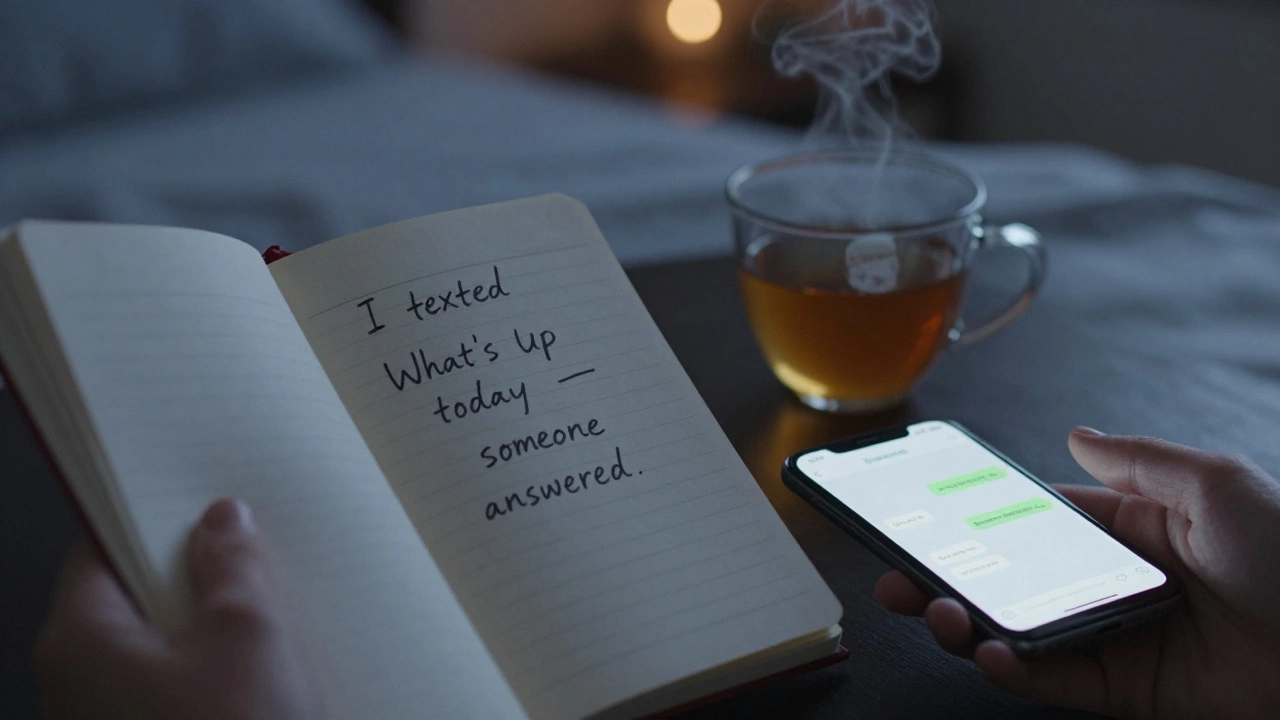
Not everyone can leave the house, or feels ready to talk face-to-face. That’s okay. Digital support has come a long way. Headspace and Smiling Mind offer free mindfulness exercises developed by psychologists. They’re not magic pills, but using them for 10 minutes a day for a few weeks can reduce anxiety and improve sleep.For text-based support, What’s Up (whatsup.org.nz) lets you chat with trained volunteers via secure messaging. You don’t need to give your name. You don’t need to explain your whole life. Just say, “I’m not okay today.” Someone will respond within minutes. It’s not therapy, but it’s human connection-and that’s powerful when you’re isolated.
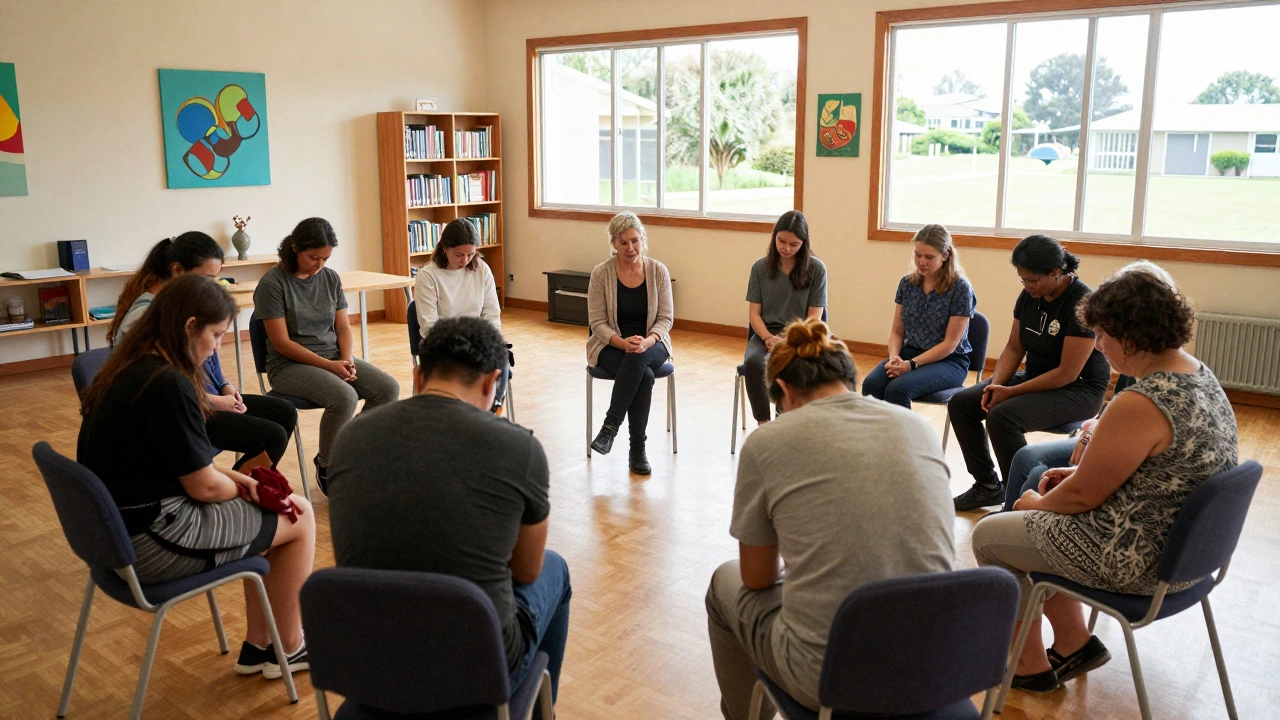
Peer support isn’t second-best-it’s essential
Talking to someone who’s been there changes everything. Peer support groups aren’t about giving advice. They’re about saying, “I get it.” In Auckland, groups like Depression and Anxiety Support Group meet weekly in community centres. You don’t have to speak if you don’t want to. Just showing up counts.Online forums like Reddit’s r/mentalhealth and Mental Health Foundation’s community boards are full of people sharing real experiences. These aren’t random strangers. Many have been through the same system you’re navigating now. They know which services are worth your time and which ones aren’t.
What if you’re in crisis?
If you’re thinking about hurting yourself, or feel like you can’t go on-call 111 or go to your nearest emergency department. Hospitals have mental health teams on standby. You don’t need to be in a full-blown breakdown to get help. If you’re scared, numb, or just exhausted, you still deserve care.In Auckland, the Auckland Mental Health Crisis Team can come to your home if you’re unable to travel. They’ll stay with you until you’re safe. No questions asked. No judgment. Their job is to stabilise you-not to lock you up or label you.
Therapy isn’t one-size-fits-all
There’s no single “right” kind of therapy. Some people need CBT to untangle negative thoughts. Others need EMDR for trauma. Some just need someone to sit with them while they cry. Acceptance and Commitment Therapy (ACT) is widely used in New Zealand public services because it works for people who feel stuck, not broken.Try one session. If it doesn’t feel right, try another. Therapists aren’t all the same. You’re not failing if one doesn’t click. You’re learning what kind of support works for you. Many people go through three or four before finding their fit.
Support doesn’t end when the session does
Mental health isn’t a quick fix. It’s a practice. Small habits make the biggest difference. Walk outside every day-even if it’s just to the end of the street. Eat something real, not just snacks. Set one tiny goal: “I’ll shower today.” “I’ll text one person.” These aren’t trivial. They’re anchors.Keep a journal-not to fix yourself, but to track patterns. Did you feel worse after scrolling for hours? Better after calling your sister? Write it down. Over time, you’ll start seeing what helps and what drains you. That’s power.
Who can you reach out to right now?
You don’t have to do this alone. Here’s who you can call or message today:- Lifeline: 0800 543 354 (24/7)
- Suicide Crisis Helpline: 0508 828 865 (24/7)
- What’s Up: https://whatsup.org.nz (free text chat)
- Healthline: 0800 611 116 (medical advice, including mental health)
- Your GP: Book an appointment-today if you can
And if you’re reading this and thinking, “I’m not sure I’m ready”-that’s okay. Just keep this page open. Come back tomorrow. Or next week. Support doesn’t disappear. It’s still here, waiting for you when you’re ready to reach for it.
Can I get mental health support without insurance?
Yes. New Zealand’s public health system offers free counselling through GPs and community mental health teams. Services like Lifeline, What’s Up, and peer support groups are also completely free. You don’t need private insurance to get help.
How long does it take to get therapy in Auckland?
Wait times vary. For urgent cases, you can often get an appointment within a week through your GP. For non-urgent referrals, wait times may be 4-8 weeks. Community groups and online services like What’s Up offer immediate support while you wait.
What if I don’t trust therapists?
It’s common to feel this way, especially if you’ve had bad experiences before. Peer support groups, helplines, and online chat services let you build trust slowly. You can also try one session with a therapist and leave if it doesn’t feel right. You’re in control.
Are online therapy apps reliable?
Apps like Headspace and Smiling Mind are backed by clinical research and used by public health systems in New Zealand. They’re not replacements for therapy, but they’re proven tools to reduce stress and improve mood. Use them alongside other support-not instead of it.
Can I get help for someone else?
Yes. You can call Lifeline or Healthline to ask how to support a friend or family member. You can also help them book a GP appointment or sit with them while they text What’s Up. You don’t need to fix them-just be there.
If you’re reading this and you’re still unsure where to start, pick one thing from the list above-just one-and do it today. Call one number. Open one app. Send one message. You don’t have to fix everything now. You just have to begin.
