 Jan, 18 2026
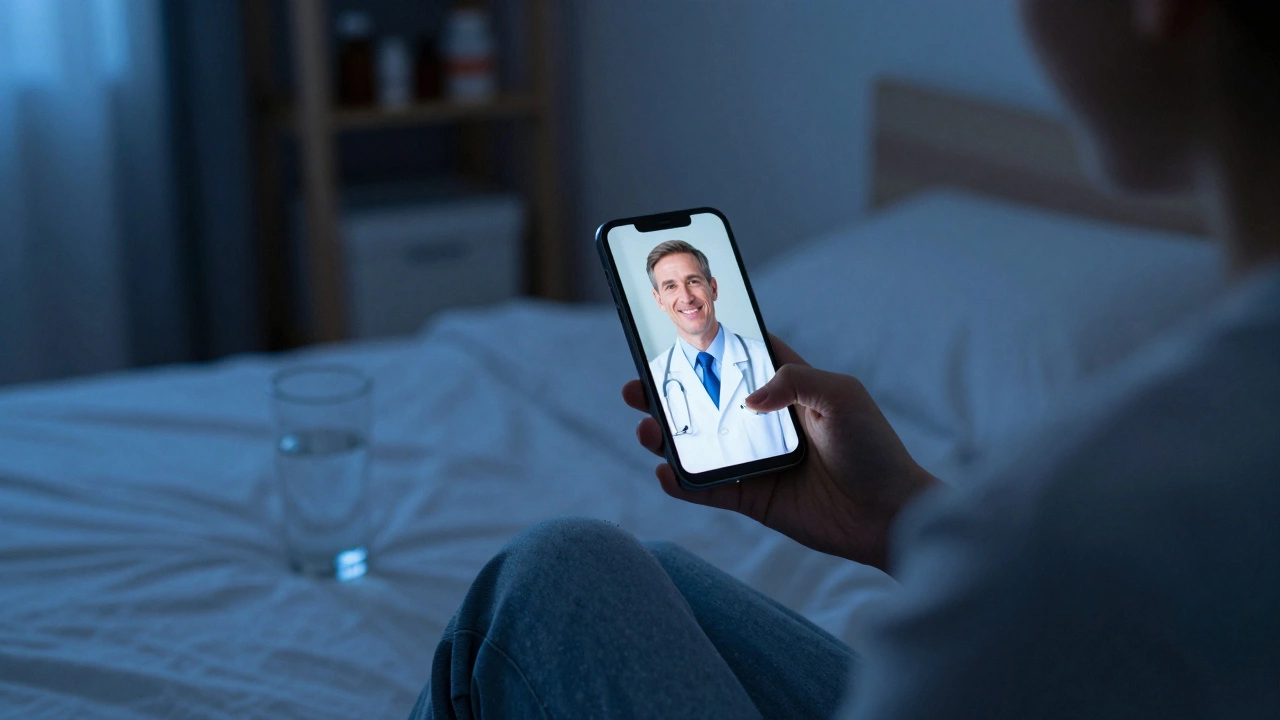
When you’re sick at 2 a.m. and your local clinic is closed, can a virtual doctor actually give you a prescription? The answer isn’t just yes-it’s happening every day, right now, for millions of people. But not all virtual visits are the same. Some platforms let you get a script sent straight to your pharmacy. Others can’t touch controlled substances. And a few still require you to see a doctor in person first. So what’s real? What’s restricted? And how do you make sure you’re not left hanging with no meds when you need them?
Yes, virtual doctors can write prescriptions-but with limits
Telehealth providers in New Zealand, the U.S., Canada, Australia, and the EU can legally issue prescriptions for most common conditions. That includes antibiotics for sinus infections, antihistamines for allergies, blood pressure meds, birth control, and even short-term pain relievers like ibuprofen or acetaminophen. The prescription gets sent electronically to your pharmacy as an e-script, same as if you’d walked into a GP’s office.
But here’s the catch: they can’t prescribe everything. Controlled substances like opioids (oxycodone, codeine), benzodiazepines (Xanax, Valium), and stimulants (Adderall, Ritalin) are heavily restricted. In New Zealand, the Ministry of Health requires an in-person evaluation before these can be prescribed, even if you’ve seen the same doctor online before. The same rule applies in most U.S. states and across the EU. The system isn’t broken-it’s designed to prevent misuse.
Some platforms, like Healthline or Babylon Health, have built-in rules that block certain drugs from being ordered online. Others, like private telehealth services in Auckland, may allow it under strict conditions: you must have a prior history with the provider, and they’ll check your prescription drug monitoring record (PDMP) before approving anything.
How does an e-prescription actually work?
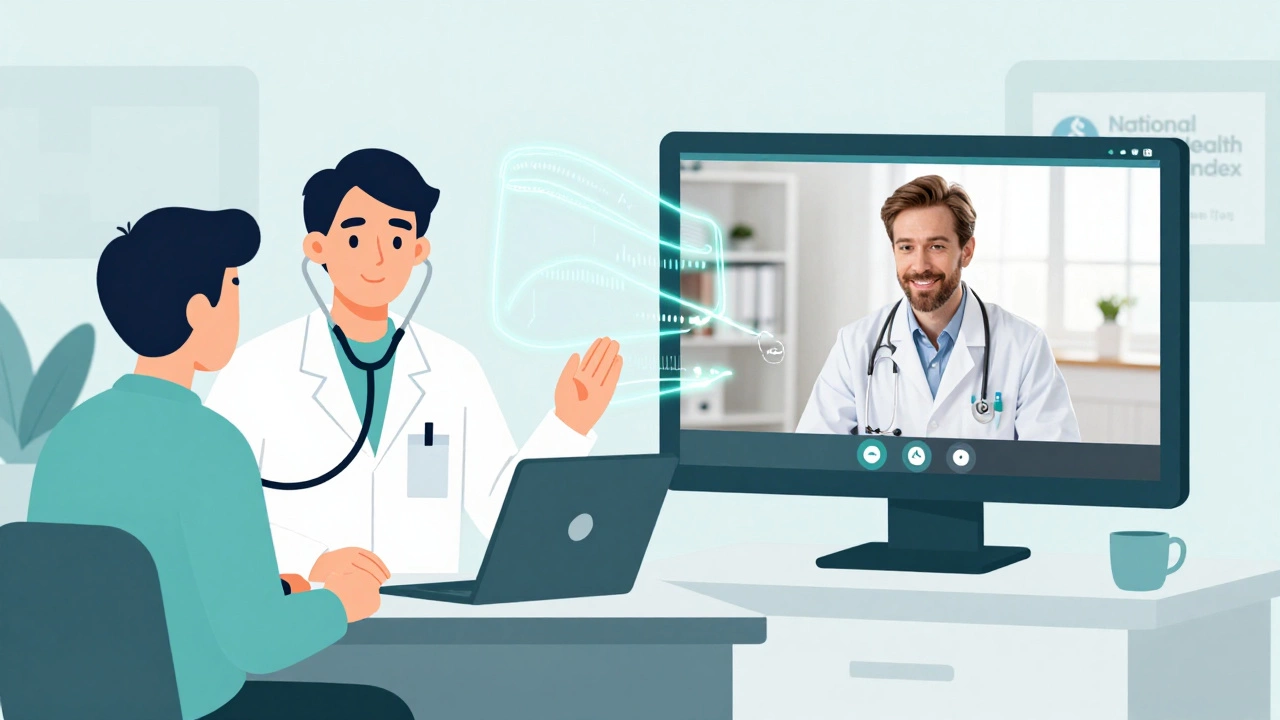
It’s simpler than you think. After your video call, if the doctor decides you need medication, they’ll enter your details into a secure digital system. That system connects directly to your pharmacy’s database. Within minutes, your pharmacy gets a notification: “Script ready for pickup-patient: Jane Doe, medication: Amoxicillin 500mg, 10 days.”
You don’t need to print anything. No paper slip. No email attachment. Just walk into your local pharmacy, show your ID, and they’ll hand you the meds. Some apps even let you choose delivery-like Countdown or Pharmacy2U in New Zealand-so your antibiotics arrive at your door in under two hours.
The system uses encrypted networks like the National Health Index (NHI) in New Zealand or the e-Prescribing Network in the U.S. to link your identity, your doctor, and your pharmacy. It’s not magic. It’s government-approved tech that’s been in use since 2018 in NZ and 2014 in the U.S.
What conditions can you get meds for online?
Here’s what virtual doctors commonly prescribe:
- Antibiotics for UTIs, strep throat, ear infections
- Antifungals for athlete’s foot or yeast infections
- Allergy meds like cetirizine or loratadine
- Acne treatments (doxycycline, retinoids)
- Birth control pills and patches
- High blood pressure meds (lisinopril, amlodipine)
- Cholesterol-lowering drugs (atorvastatin)
- Short-term pain relief (ibuprofen, paracetamol)
- Anti-nausea meds for stomach bugs
- Depression and anxiety meds (SSRIs like sertraline, escitalopram)
These are all non-controlled, low-risk medications. For anything stronger, you’ll need to see someone face-to-face. Even then, many doctors won’t refill long-term opioids or benzodiazepines without a physical exam and lab tests.

What can’t you get from a virtual doctor?
These are the big no’s:
- Opioids (oxycodone, hydrocodone, tramadol)
- Benzodiazepines (alprazolam, clonazepam)
- Stimulants (methylphenidate, amphetamine salts)
- Barbiturates
- Insulin (in most cases-requires monitoring)
- Chemotherapy drugs
- Injectable steroids
Why? Because these drugs carry high risks of addiction, misuse, or life-threatening side effects. Regulators don’t trust remote assessments alone to catch signs of abuse or dependency. Even if you’ve been on a painkiller for years, most virtual platforms won’t renew it without a recent physical exam.
There’s one exception: some private mental health services in New Zealand can prescribe SSRIs or SNRIs for anxiety and depression after a full virtual assessment. That’s because these drugs aren’t addictive in the same way, and their use is well-documented. But they still require follow-up visits every 3-6 months.
What happens if you need a refill but can’t see a doctor?
If you’re on a long-term medication-say, your blood pressure pill-and your appointment is due in two weeks but you’re out of pills, you’re not stuck. Most telehealth platforms offer “medication renewal” appointments. These are quick 10-minute video calls focused only on checking your vitals, asking how you’re feeling, and confirming you’re not having side effects.
If everything looks good, they’ll renew your script. No need to wait weeks for a GP slot. Some services even send automated reminders: “Your script for Metformin expires in 7 days. Book a renewal now.”
But if your condition has changed-if you’ve gained weight, started new meds, or have new symptoms-you’ll be asked to come in. That’s not bureaucracy. That’s safety.
Are virtual prescriptions safe and legal?
Yes-if you use a licensed provider. In New Zealand, telehealth services must be registered with the Health Practitioners Competence Assurance Act. That means the doctor has a valid medical license, carries malpractice insurance, and follows the same rules as an in-person GP.
Watch out for websites that offer “instant prescriptions” without a consultation. Those are scams. They might ask for your credit card and send you fake pills from overseas. The New Zealand Medicines Classification System and the Ministry of Health warn against these services. They’ve shut down over 30 illegal online pharmacies in the last two years.
Legit platforms always require:
- A video or phone consultation (not just a chatbot)
- Verification of your identity (NHI number, passport, driver’s license)
- A medical history review
- Access to your pharmacy records
And yes, your prescription is recorded in the national system. Your GP can see it. Your pharmacist can see it. The health department can audit it. There’s no secret backdoor.
What about insurance and cost?
In New Zealand, if you’re eligible for publicly funded healthcare, your virtual prescription costs the same as a regular one: $5 for a 3-month supply, or free if you have a Community Services Card. Private telehealth services charge $30-$60 for the consultation, but the script itself doesn’t cost extra.
Private insurers like Southern Cross or nib often cover telehealth visits if you’re on a comprehensive plan. Check your policy-some require you to use specific providers like HealthNow or MyHealth.
For chronic conditions, some platforms offer subscription plans: $15/month for unlimited virtual consults and script renewals. That’s cheaper than driving to a clinic and paying for parking.
What if the pharmacy won’t fill it?
It happens. Sometimes, the pharmacist sees a red flag: you’ve already filled the same script at another pharmacy last week. Or the dosage looks wrong. Or the doctor’s license is flagged in the system.
If that happens, don’t argue. Ask for the reason. Most times, it’s a simple mix-up. The pharmacy can call the doctor’s office to verify. The doctor can resend the script with a note explaining the situation.
If the pharmacy refuses without explanation, ask to speak to the manager. They’re required by law to provide a reason. If they still won’t, contact the Health and Disability Commissioner. You have rights.
Bottom line: virtual prescriptions are real, reliable, and regulated
Virtual doctors aren’t just handing out pills like candy. They’re following the same clinical guidelines as your local GP-just with better tech. You can get antibiotics for a UTI at midnight. You can renew your antidepressant without leaving your couch. You can avoid crowded waiting rooms and long waits.
But you still need a real doctor. Not a bot. Not a chat window. A licensed professional who listens, asks questions, and checks your history. That’s what makes it safe. That’s what makes it legal. And that’s why it works.
Can a virtual doctor prescribe antibiotics?
Yes. Virtual doctors can prescribe antibiotics for common infections like urinary tract infections, strep throat, ear infections, and sinusitis. They’ll ask about symptoms, check for red flags like fever or swelling, and may request a photo of a rash or throat. Once approved, the prescription is sent electronically to your pharmacy.
Can I get a prescription for anxiety medication online?
Yes, but only for non-controlled medications like SSRIs (e.g., sertraline, escitalopram). You’ll need a full mental health assessment via video, including questions about sleep, mood, and history. Benzodiazepines like Xanax are not allowed without an in-person visit, even for refills.
Are virtual prescriptions covered by public health in New Zealand?
Yes. If you’re eligible for publicly funded healthcare, your prescription costs the same as an in-person visit: $5 per script for a 3-month supply. Some telehealth platforms charge for the consultation ($30-$60), but the medication itself is subsidized. Community Services Card holders get scripts for free.
Can I get a prescription for painkillers like codeine online?
No. Codeine and other opioids are classified as controlled substances in New Zealand. Even if you’ve taken them before, you must see a doctor in person to get a new prescription. This rule applies to all telehealth services, public or private.
How do I know if a telehealth service is legit?
Check if the provider is registered with the Medical Council of New Zealand. Look for their registration number on their website. Avoid services that offer instant prescriptions without a consultation, ask for payment upfront, or don’t use video calls. Legit services use secure systems linked to the National Health Index and your pharmacy.
