 Aug, 20 2026
European Dental Cost Comparison Tool
| Country | Low Estimate | High Estimate | Potential Saving vs UK |
|---|
Note: Estimates are based on 2026 average market data. Actual costs may vary depending on clinic prestige, specific materials used (e.g., Nobel Biocare vs. generic), and additional procedures like bone grafting. Exchange rates fluctuate.
Walking into a clinic in London and seeing a quote of £3,500 for a single dental implant is a standard procedure to replace missing teeth using titanium posts can feel like a shock. Meanwhile, just a short flight away in Germany or Hungary, the same high-quality titanium implant might cost you half that amount. If you are weighing up whether to cross the Channel or fly further south for your smile makeover, you are not alone. The rise of dental tourism has turned Europe into a hub for affordable yet premium oral health care, but navigating the options requires more than just looking at the price tag.
This guide breaks down which countries in Europe actually deliver the best value for money without compromising on clinical standards. We will look at specific costs, regulatory environments, and the real-world experience of patients traveling for care. Whether you need a full mouth reconstruction or just a simple crown, understanding the landscape helps you make an informed decision that protects both your wallet and your health.
The Economics of Dental Tourism in Europe
Why do so many people leave their home country for dental work? It comes down to a simple equation: quality per pound (or dollar/euro) spent. In the UK and US, private dental fees have skyrocketed due to rising overheads, insurance gaps, and labor costs. In contrast, Eastern and Central European countries benefit from lower operational expenses while maintaining strict EU medical device regulations. This means the materials-such as Nobel Biocare or Straumann implants-are often identical to what you would find in London or New York, but the labor and facility costs are significantly lower.
For example, a full set of upper and lower dental implants, including the abutments and final prosthetics, can range from £15,000 to £25,000 in the UK. In Hungary or Poland, that same comprehensive treatment package often lands between £8,000 and £12,000. That is a saving of over 50%. However, savings aren't just about the procedure itself. When you factor in accommodation and travel, the total cost of a two-week dental holiday in Budapest or Prague can still be less than the cost of a single complex extraction in a major UK city.
Top Contenders: Germany, Hungary, and Spain
Not all countries offer the same balance of price and prestige. Three nations consistently top the lists for international dental patients in 2026: Germany, Hungary, and Spain. Each offers a distinct advantage depending on what you prioritize.
Germany is often considered the gold standard for dental engineering. Given that many leading implant systems were developed there, German clinics adhere to rigorous hygiene and safety protocols. If you are looking for precision and long-term durability, Germany is hard to beat. The downside? Prices are higher than in Eastern Europe. You are paying for the reputation and the proximity if you live in the UK or Western Europe. It’s ideal for those who want a "premium" feel without flying across the continent.
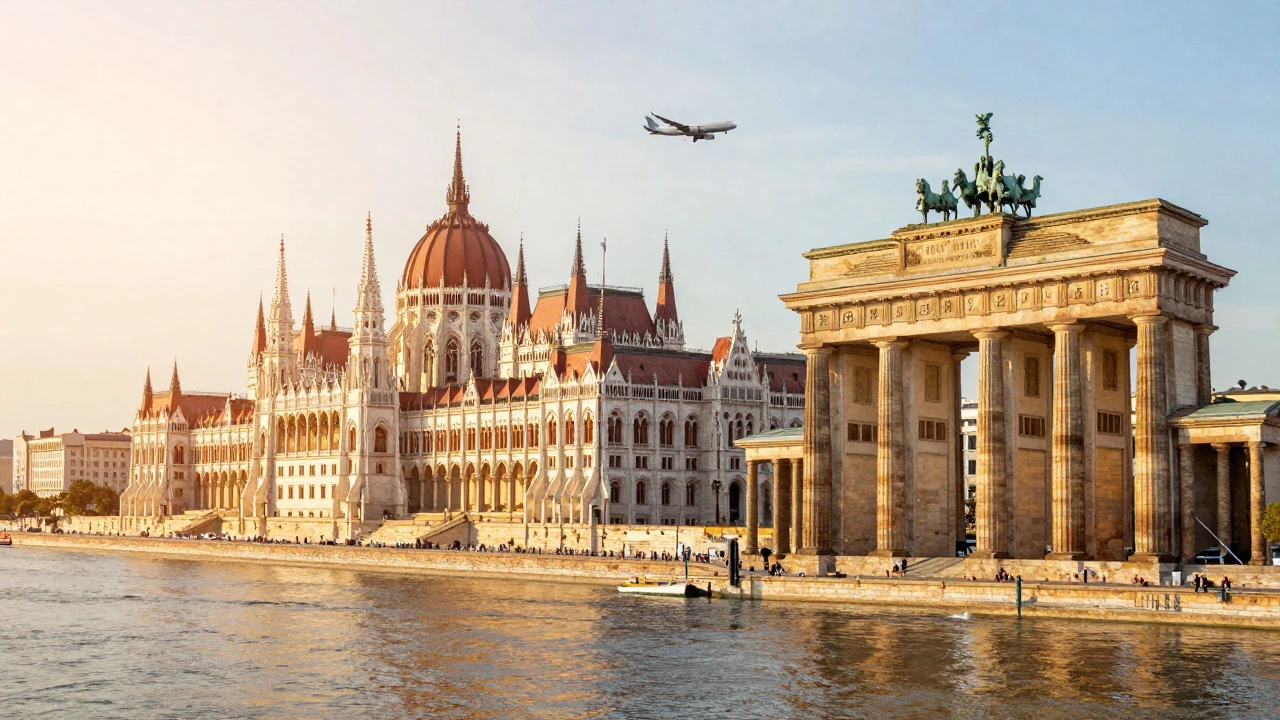
Hungary, particularly Budapest, has become the darling of dental tourism. The city combines a rich cultural scene with world-class dental clinics. Many Hungarian dentists train in Germany or Austria, bringing back advanced techniques. The cost difference is stark; a single implant might cost €900-€1,200 in Budapest compared to £1,500+ in London. For patients seeking significant savings on multi-tooth treatments, Hungary is frequently the top choice.
Spain offers a different appeal: lifestyle and climate. Cities like Barcelona and Madrid have excellent dental infrastructure. If your treatment involves multiple visits over several weeks, Spain provides a pleasant environment to recover. The language barrier is minimal in tourist hubs, and the food and culture make the recovery period feel less like a hospital stay and more like a vacation.
| Country | Avg. Single Implant Cost | Full Mouth Reconstruction | Key Advantage | Language Barrier |
|---|---|---|---|---|
| United Kingdom | £1,500 - £2,500 | £15,000 - £25,000 | Proximity, NHS familiarity | None |
| Germany | €1,200 - €1,800 | €12,000 - €18,000 | Precision engineering, safety standards | Moderate (English widely spoken in clinics) |
| Hungary | €900 - €1,200 | €8,000 - €12,000 | Significant cost savings, skilled workforce | Low (Clinic staff usually fluent in English) |
| Spain | €1,000 - €1,500 | €10,000 - €15,000 | Lifestyle, climate, hospitality | Low (High English proficiency in tourist areas) |
Quality Control: What to Look For Beyond Price
Price is the hook, but quality is the anchor. How do you ensure the cheap option isn't a trap? First, check for accreditation. Look for clinics that are members of the International Association for Dental Research (IADR) or have ISO certification for their facilities. These badges indicate that the clinic follows international standards for sterilization and patient care.
Second, verify the credentials of the surgeon. In Europe, dental degrees vary by country. A dentist in Germany holds a different qualification structure than one in Poland. Ask specifically about their training in implantology. A general dentist may perform extractions, but complex implant placements should ideally be handled by a specialist prosthodontist or oral surgeon. Ask to see case studies similar to yours. If they can show you photos of previous patients with similar bone density or gum conditions, that’s a good sign of competence.
Finally, consider the aftercare plan. Dental implants require maintenance. Will the clinic provide a local partner in your home country for follow-up checks? Or will they send you a detailed care kit and instructions? Some clinics include a year of free adjustments in their package, which adds tangible value. Always get the contract in writing, specifying exactly what is included in the "all-inclusive" price. Hidden costs for anesthesia, X-rays, or temporary crowns can erode your savings quickly.
Logistics: Travel, Accommodation, and Recovery
Planning a dental trip is like planning a mini-vacation. You need to account for pre-treatment consultations, the procedure itself, and recovery time. Most complex implant surgeries require 1-2 days of rest immediately after. If you are getting a full arch replacement, you might need 5-7 days before flying home, especially if you are taking blood thinners or have other health conditions.
Accommodation matters more than you think. Staying near the clinic reduces stress and makes it easier to attend emergency appointments if swelling becomes excessive. Many dental tourism agencies partner with hotels within walking distance of their clinics. Alternatively, booking an apartment with a kitchen allows you to prepare soft foods during the initial healing phase, which is crucial for comfort.
Travel insurance is non-negotiable. Standard policies often exclude pre-existing dental conditions or cosmetic procedures. Ensure your policy covers complications arising from elective dental surgery abroad. Read the fine print. Does it cover repatriation if you need to return home early? Does it cover additional nights if you are delayed? Getting this sorted before you book flights saves headaches later.
Common Pitfalls and How to Avoid Them
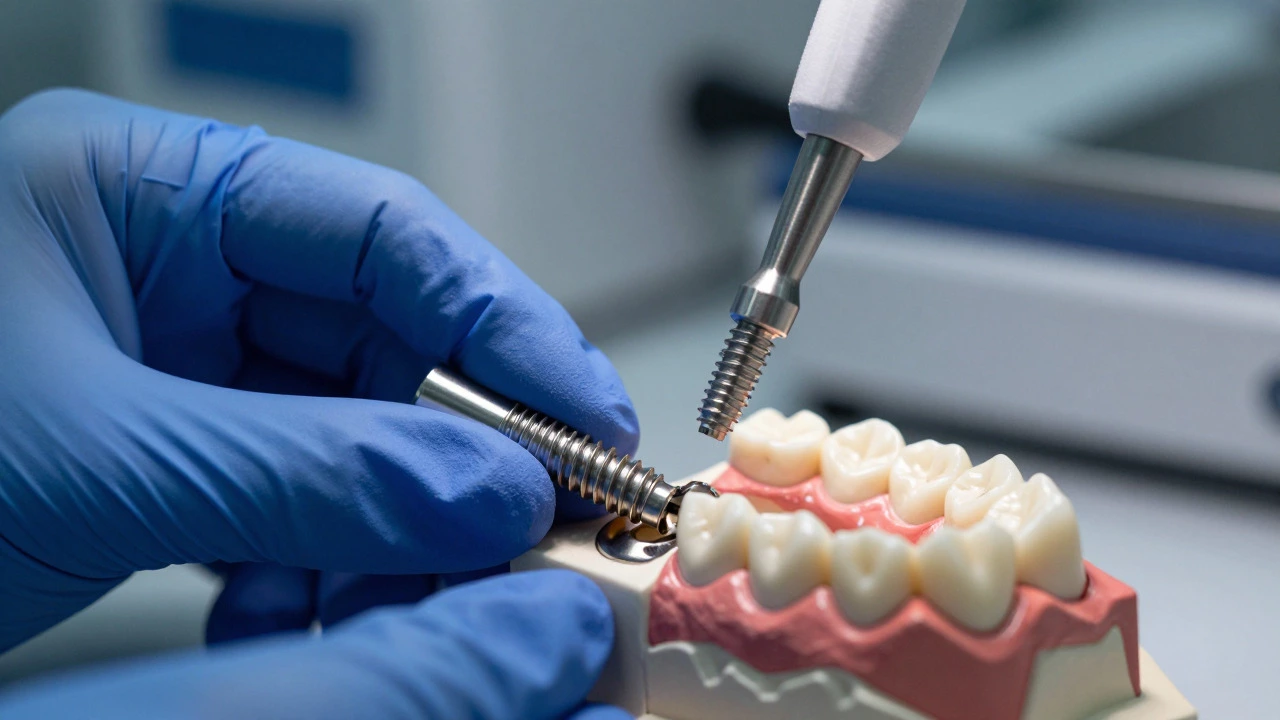
The biggest mistake patients make is choosing the cheapest quote without verifying the brand of materials used. "Titanium implant" is a generic term. Is it a low-cost domestic brand or a premium system like OsseoTite or Astra Tech? The longevity of the implant depends heavily on the surface texture and manufacturing quality of the post. Ask for the specific manufacturer name and lot number for every component.
Another pitfall is underestimating the complexity of your case. A simple single tooth replacement is straightforward. But if you have severe bone loss, you might need a sinus lift or bone grafting. These additional procedures add time and cost. Ensure your initial consultation includes a 3D CBCT scan. Without 3D imaging, any quote is essentially a guess. Clinics that skip this step to save money are cutting corners where it hurts most: accuracy.
Lastly, don't ignore the communication gap. Even if the clinic speaks English, technical terms can be misunderstood. Bring a list of questions written down. Ask about the warranty period. Who pays if the implant fails within two years? Get these answers in writing. Clear communication builds trust and ensures you know exactly what you are buying.
Frequently Asked Questions
Is dental treatment in Europe safe?
Yes, provided you choose a reputable clinic. Most EU countries adhere to strict medical device regulations. Look for ISO certifications and check online reviews from verified patients. Safety is determined by the clinic's hygiene protocols and the surgeon's expertise, not just the country flag.
How much cheaper are dental implants in Hungary compared to the UK?
You can expect to save between 40% and 60%. A single implant in Budapest typically costs €900-€1,200, whereas in the UK it ranges from £1,500 to £2,500. Full mouth reconstructions see even larger percentage savings due to the volume of work involved.
Do I need to speak the local language?
Generally, no. Major dental tourism hubs in Budapest, Prague, Berlin, and Barcelona have staff fluent in English. However, having a basic phrasebook for emergencies or daily life outside the clinic is always helpful and shows respect for the local culture.
What happens if my implant fails after I return home?
Most reputable clinics offer a warranty period, often ranging from 5 to 10 years. Check the terms before signing. Some clinics have partner practices in the UK or US for follow-up care. Others may require you to return for adjustments. Clarify this policy in your contract to avoid unexpected travel costs for minor issues.
Which country is best for immediate load implants?
Germany and Hungary are both strong contenders. German clinics often lead in research and development for immediate load protocols. Hungarian clinics have adopted these techniques rapidly and offer them at a lower price point. Choose based on your budget and preference for proximity versus cost savings.
