 Jun, 29 2026
Prescription Savings Calculator
Input Your Details
Insurance Status
Have you ever stared at a pharmacy receipt, heart sinking as the total climbs higher than expected, only to find out a simple coupon could have slashed that price by half? That’s exactly what happens when people discover SingleCare. It feels almost too good to be true. You walk into your local CVS or Walgreens, hand over a code from your phone, and suddenly a $150 medication costs $30. But why? Is there a catch? Are they losing money? Or is this just clever marketing masking a deeper reality about how we pay for medicine in the United States?
The short answer is no, it’s not magic. And yes, there are reasons behind those low prices. To understand why SingleCare is a free prescription discount program that negotiates lower prices with pharmacies, you first need to understand how broken the standard system is. Once you see the cracks in the wall, the solution makes perfect sense.
The Problem with Standard Drug Pricing
Before we talk about the solution, let’s look at the problem. In the US, the cost of a prescription isn’t fixed. Unlike buying a coffee, where the menu says $4.50 and you pay $4.50, drug prices are fluid. They depend on who you are, what insurance you have, and whether you’re paying cash.
If you have insurance, the pharmacy sends a claim to your insurer. The insurer pays the pharmacy a negotiated rate, and you pay your copay. This works fine if you have good coverage. But if you’re uninsured, underinsured, or if your insurance has a high deductible, you get hit with the "list price"-also known as the Average Wholesale Price (AWP). This list price is notoriously inflated. It can be three to ten times higher than what the pharmacy actually paid to acquire the drug.
Pharmacies like CVS Pharmacy is one of the largest retail pharmacy chains in the United States or Walgreens is a major American pharmacy chain operating thousands of stores make their margin on the difference between what they buy the drug for and what they sell it for. When you pay cash without a discount, you’re paying the maximum possible markup. This is where companies like SingleCare step in.
How SingleCare Actually Works
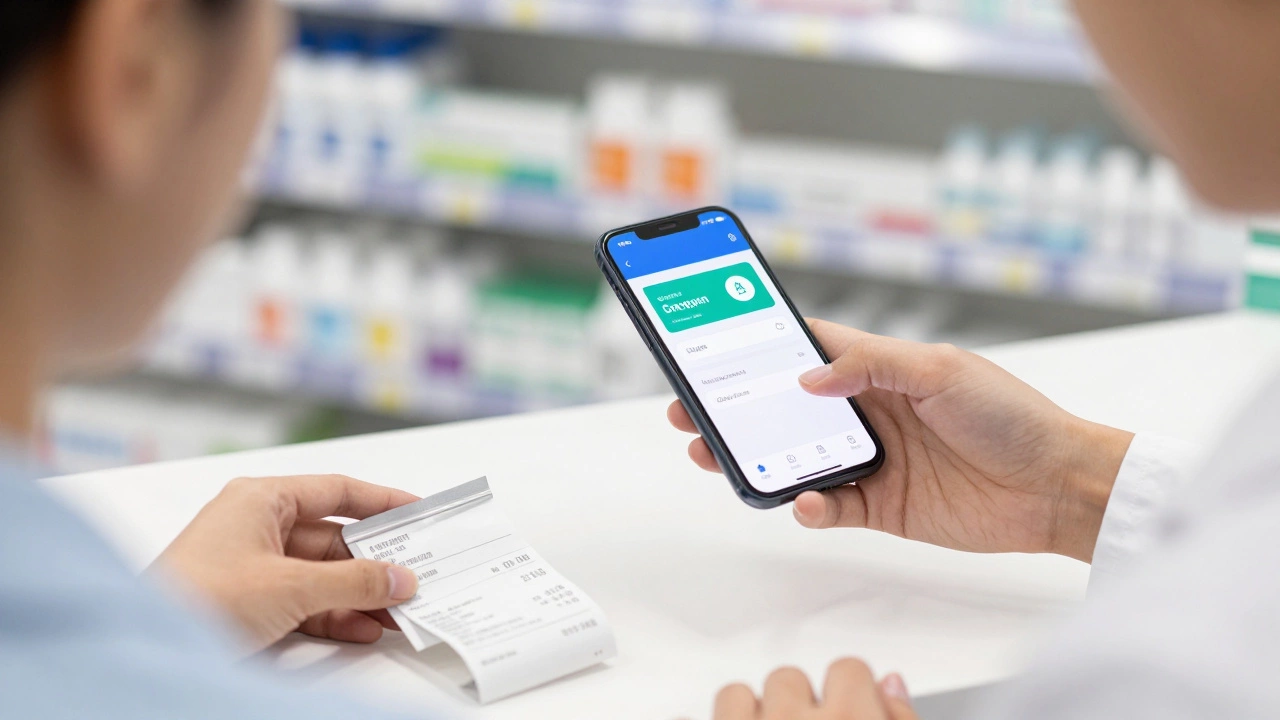
SingleCare operates as a Prescription Savings Program (PSP) that acts as an intermediary between patients and pharmacies. Think of them as a travel agent for your medicine. Just as a travel agent gets bulk discounts from hotels because they bring many customers, SingleCare negotiates discounted rates with pharmacies because they bring millions of users.
Here is the process in plain English:
- You search for your medication on the SingleCare app or website.
- They show you the lowest price available at nearby pharmacies.
- You go to that pharmacy and present your digital coupon code.
- The pharmacist enters the code, which triggers a pre-negotiated discount.
- You pay the discounted cash price.
Crucially, SingleCare does not handle the money. You pay the pharmacy directly. SingleCare doesn’t sell drugs; they sell access to lower prices. Because they don’t hold inventory or deal with insurance claims processing, their overhead is incredibly low. This allows them to offer the service for free to consumers.
Why Can They Offer Discounts Without Insurance?
This is the big question. If insurance companies negotiate hard for low rates, how can a free app beat them? The secret lies in volume and simplicity.
Insurance negotiations are complex. Insurers have to manage formularies, prior authorizations, and tiered copays. They also have to make a profit for shareholders. SingleCare has none of that baggage. Their model is purely transactional. They aggregate demand. By directing millions of patients to specific pharmacies for specific drugs, they create leverage.
Pharmacies agree to these discounts because:
- Foot Traffic: Even at a lower margin, selling more units means more revenue.
- Cash Flow: Cash payments are immediate. Insurance reimbursements can take weeks or months.
- New Customers: A patient coming in for a cheap antibiotic might buy vitamins, cold medicine, or other non-prescription items while they’re there.
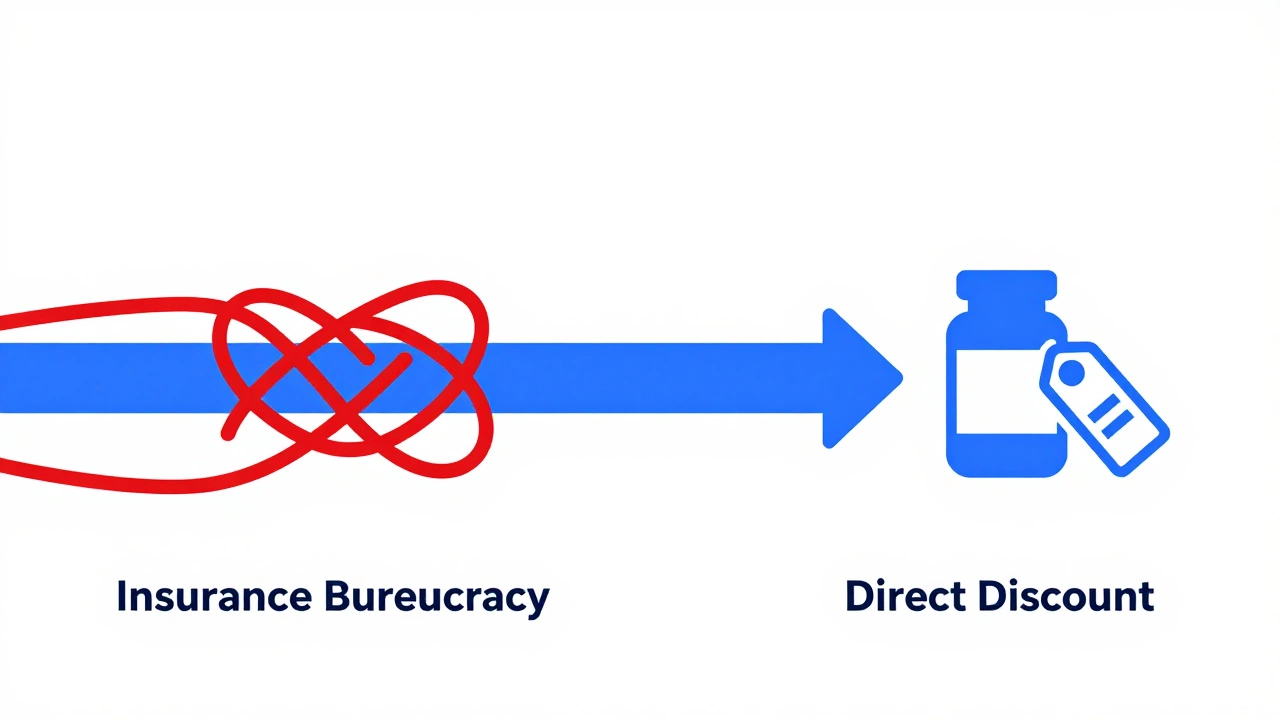
It’s a win-win. The pharmacy moves product and gets cash upfront. The patient saves money. SingleCare facilitates the connection. This model bypasses the bloated administrative costs of the traditional insurance industry, which account for a significant portion of every dollar spent on healthcare.
Is There a Catch? Understanding the Business Model
Nothing in business is truly free, so how does SingleCare make money? They don’t charge you. Instead, they generate revenue through partnerships and data analytics.
First, they may receive referral fees or marketing commissions from pharmaceutical manufacturers who want to increase awareness of certain generic drugs. Second, they provide valuable data insights to healthcare providers and pharmacies about pricing trends and consumer behavior. Third, they have expanded into related services, such as telehealth consultations, where they can earn a fee for connecting you with a doctor.
Importantly, SingleCare states that they do not accept kickbacks from pharmacies to steer patients toward specific locations. Their goal is to show the cheapest option, regardless of where it is. However, critics argue that any third-party intermediary introduces potential conflicts of interest. It’s always wise to compare prices manually using tools like GoodRx or Cost Plus Drugs to ensure you’re getting the best deal.
Who Should Use SingleCare?
Not everyone benefits equally from prescription discount cards. Here is who gets the most value:
- The Uninsured: If you have no health insurance, SingleCare can save you hundreds or even thousands of dollars annually.
- High-Deductible Plans: If you have insurance but haven’t met your deductible yet, you’re effectively paying cash. Using a discount card during this period can significantly reduce out-of-pocket costs.
- Generic Medication Users: Discounts are deepest on generic drugs. Brand-name savings exist but are often smaller.
- Occasional Prescribers: If you only need a few prescriptions a year, maintaining full insurance coverage might not be worth the premium cost compared to paying cash with discounts.
However, if you have comprehensive insurance with low copays (e.g., $10 flat rate per prescription), your insurance will likely still be cheaper than any discount card. Always check both options before filling a script.
Limitations and Things to Watch Out For
While SingleCare is powerful, it’s not a silver bullet. There are important limitations to keep in mind.
No Coverage for Specialty Drugs: Complex medications, biologics, or injectables used for conditions like cancer or rheumatoid arthritis rarely see deep discounts through PSPs. These drugs require specialized handling and manufacturer support programs that discount cards can’t replicate.
Price Volatility: Prices can change daily. A drug that costs $15 today might cost $25 next week due to supply chain issues or manufacturer adjustments. Always check the price right before you go to the pharmacy.
Pharmacy Participation: While most major chains participate, some independent pharmacies may not accept SingleCare codes. Always verify acceptance before traveling.
Not Insurance: Remember, this is a discount, not coverage. It doesn’t protect against catastrophic medical events or hospital stays. It only lowers the point-of-sale price for prescriptions.

Comparing SingleCare to Alternatives
SingleCare isn’t alone in this space. Other popular prescription savings programs include GoodRx, RxSaver, and Blink Health. How do they stack up?
| Feature | SingleCare | GoodRx | RxSaver |
|---|---|---|---|
| Cost to User | Free | Free | Free |
| Requires Account | No (Optional) | No | No |
| Brand Name Discounts | Moderate | High | Moderate |
| Telehealth Integration | Yes | Limited | No |
| User Interface | Clean & Simple | Data-Rich | Basic |
In practice, the differences in savings between these platforms are often marginal-sometimes just a dollar or two. The best strategy is to use multiple apps. Check SingleCare, then check GoodRx, then check RxSaver. Pick the lowest one. Don’t be loyal to one brand; be loyal to your wallet.
Maximizing Your Savings: Pro Tips
To get the most out of SingleCare and similar tools, follow these steps:
- Ask Your Doctor for Generics: Always request the generic version unless medically necessary. Generic drugs have much deeper discount margins.
- Compare Nearby Pharmacies: Prices vary wildly between CVS, Walgreens, Rite Aid, and Costco Pharmacy. Costco often offers some of the lowest cash prices, even for non-members on select items.
- Use Manufacturer Coupons First: For brand-name drugs, check the manufacturer’s website for patient assistance programs or coupons. These can sometimes beat discount cards.
- Combine Strategies Carefully: You generally cannot combine insurance with a discount card. Choose the single best option for each prescription.
- Monitor Deductibles: Once you meet your annual insurance deductible, switch back to using your insurance. After that point, your copays will likely be lower than any discount card.
The Bigger Picture: Reforming Healthcare Costs
The existence of SingleCare highlights a fundamental flaw in the US healthcare system: the disconnect between drug acquisition costs and retail prices. Patients shouldn’t have to play detective to afford basic medicines. Yet, until broader legislative reforms occur, tools like prescription savings programs remain essential lifelines for millions.
By aggregating consumer power, these platforms force transparency. They show us what the market price *could* be if we stripped away the layers of bureaucracy. As more people adopt these tools, the pressure mounts on insurers and pharmacies to align their pricing more closely with actual costs.
For now, though, the power is in your hands. Download the app, check the price, and save the difference. It’s not just about saving money on one pill; it’s about taking control of your healthcare spending in a system designed to complicate it.
Can I use SingleCare with my insurance?
Generally, no. You must choose either your insurance or the SingleCare discount. You cannot combine them. The pharmacist will ask which method of payment you prefer. Always calculate which option results in a lower out-of-pocket cost for that specific visit.
Does SingleCare work for all medications?
SingleCare covers a wide range of common prescriptions, including generics and many brand-name drugs. However, specialty medications, controlled substances, and some biologic drugs may not have available discounts. Always check the app for your specific medication and dosage.
Is SingleCare safe and private?
Yes, SingleCare adheres to strict privacy standards. They do not sell your personal health information to third parties. Since you pay the pharmacy directly, your financial data remains between you and the pharmacy, not with SingleCare.
Do I need to sign up for an account to use SingleCare?
No, you do not need to create an account to get a discount code. You can simply search for your drug and print or display the coupon. However, creating a free account allows you to save your medications, track prices, and access additional features like telehealth.
Why is SingleCare cheaper than GoodRx?
Prices fluctuate based on pharmacy contracts and location. Sometimes SingleCare is cheaper, sometimes GoodRx is. There is no permanent winner. The best approach is to compare both apps side-by-side for each prescription to find the absolute lowest price at that moment.
