 Nov, 22 2026
Private Hospital Revenue Estimator
You might think the biggest bill in a hospital comes from someone in the ICU on life support for three weeks. But when we look at where the cash actually flows in private hospitals, it is rarely the critical care cases that drive the bulk of routine income. Instead, it is the high-volume, elective procedures that are predictable, scheduled, and often paid upfront or via insurance. If you have ever wondered who keeps the lights on in a facility like Auckland’s Southern Cross or Greenlane, the answer lies in specific surgical categories that balance complexity with frequency.
The Myth of the Critical Care Cash Cow
It feels intuitive that the sickest patients bring in the most money. A patient with multiple organ failure requires expensive drugs, constant monitoring, and specialized staff. However, in the private sector, these cases are often loss leaders or break-even scenarios due to the sheer volume of resources required versus the fixed reimbursement rates. The real profit engines are surgeries that can be done quickly, with low complication rates, and high patient throughput. Think about cataract removals or knee replacements. They don’t require days of intensive nursing care post-op, yet they command significant fees for the surgeon, anesthetist, and facility. This is where the private surgery cost structure shines: efficiency drives margin.
Orthopedics: The Volume King
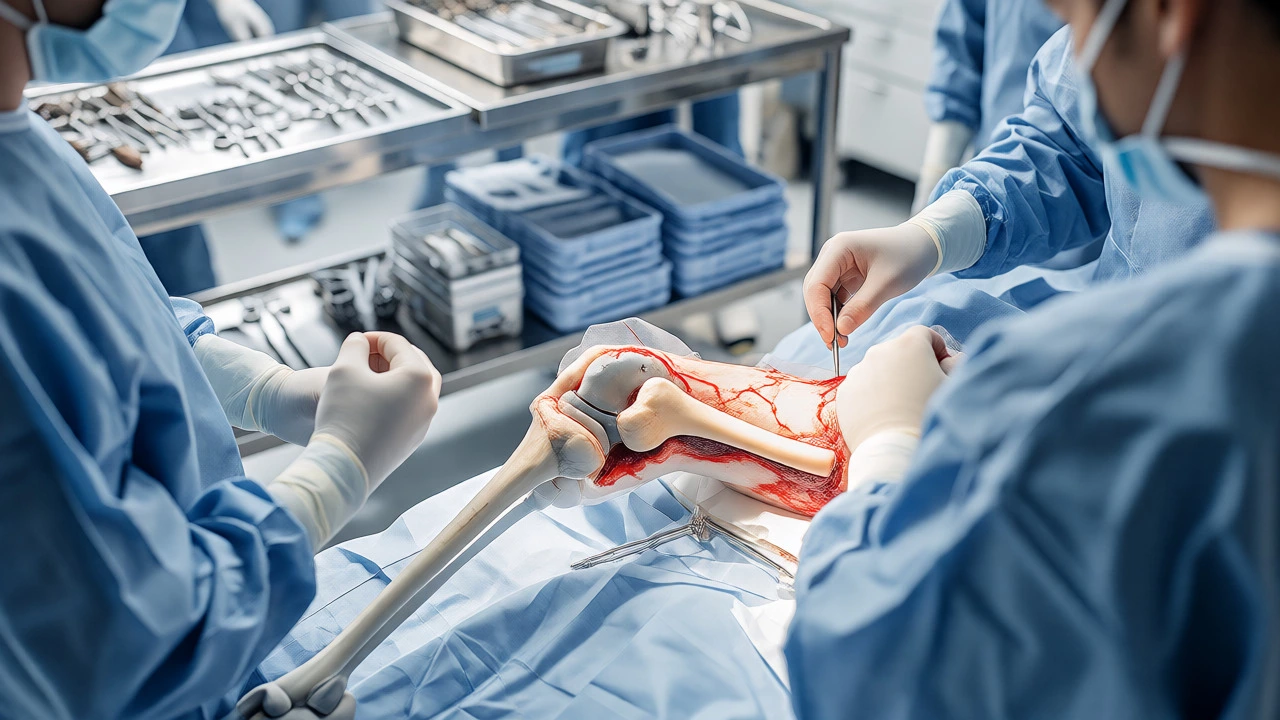
If you had to pick one department that consistently tops the revenue charts in many Western private health systems, it would likely be orthopedics. Specifically, joint replacements. Why? Because the population is aging, and arthritis doesn’t wait. In New Zealand, the waiting list for public hip and knee replacements can stretch into years. Patients with private insurance or deep pockets pay out-of-pocket to skip this queue. A single total knee replacement can cost between $15,000 and $25,000 NZD depending on the implant and surgeon. Multiply that by dozens of procedures a week, and you see why orthopedic surgeons are among the highest earners. These procedures are standardized, which reduces risk and allows for efficient scheduling. One surgeon can perform several in a day, maximizing the use of the operating theater.
| Procedure Category | Avg. Duration | Est. Patient Cost | Throughput Potential |
|---|---|---|---|
| Cataract Surgery | 15-20 mins | $2,500 - $4,000 | Very High |
| Knee Replacement | 60-90 mins | $18,000 - $25,000 | Moderate-High |
| Spinal Fusion | 2-4 hours | $30,000+ | Low-Moderate |
| Bariatric Surgery | 2-3 hours | $20,000 - $30,000 | Moderate |
Ophthalmology: Speed Equals Profit
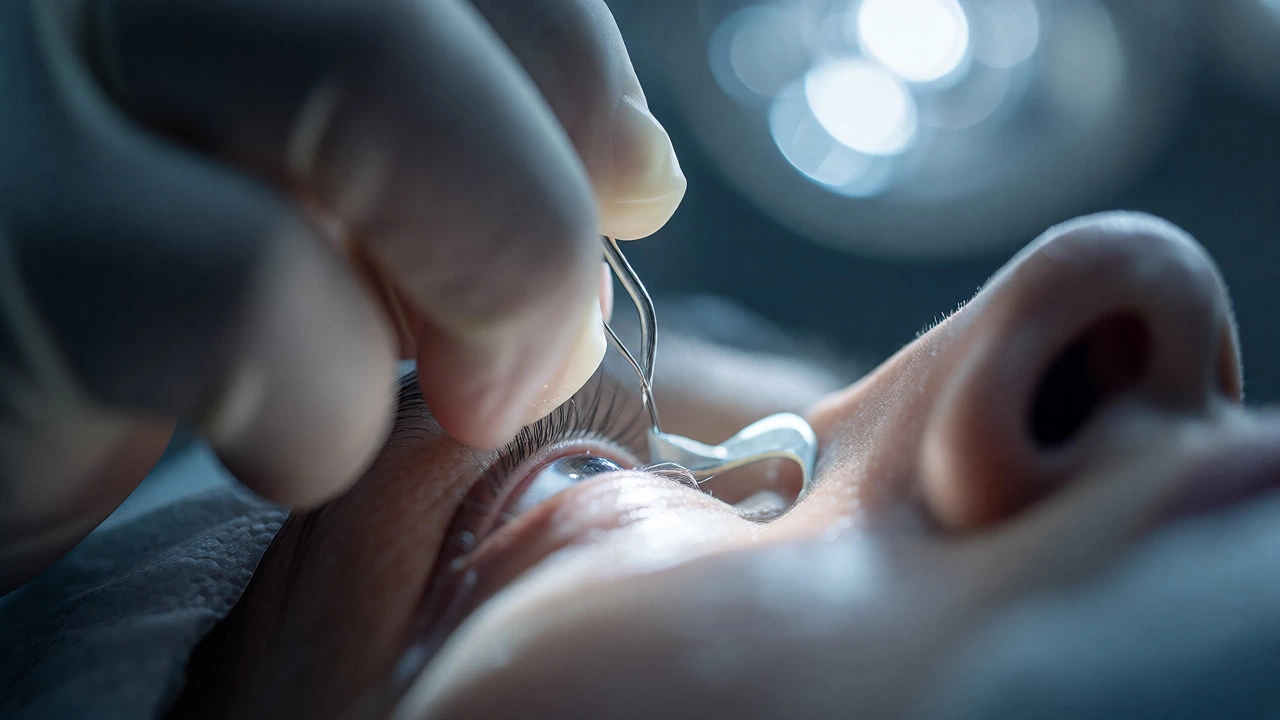
While orthopedics brings in big checks per patient, ophthalmology wins on volume. Cataract surgery is arguably the most profitable procedure per hour of operating theater time. It is quick, highly successful, and needed by millions globally. For a private hospital, the turnaround is fast. A patient arrives, has the lens replaced, and goes home the same day. There is no overnight stay, meaning lower bed occupancy costs for the hospital. Yet, the fee covers the surgeon’s expertise, the advanced laser equipment, and the premium implants. When you run a room back-to-back with cataracts all day, the cumulative revenue rivals that of complex cardiac surgeries, but with far less administrative headache and liability risk.
Bariatrics and Weight Loss: The Lifestyle Boom
Obesity rates are climbing, and so is the demand for bariatric surgery. Procedures like gastric bypass or sleeve gastrectomy are expensive, often costing upwards of $25,000 NZD without insurance coverage. What makes this lucrative for hospitals is the ancillary revenue. Patients need pre-operative consultations, nutritional counseling, psychological evaluations, and long-term follow-ups. Some facilities even sell branded vitamins and compression garments. Unlike emergency trauma, bariatric patients are planned. They schedule their surgery months in advance, allowing hospitals to optimize staffing and inventory. Plus, the success stories drive marketing, bringing in more referrals from general practitioners who want to help their overweight patients avoid diabetes complications.
Cosmetic Surgery: The Self-Pay Goldmine
Don’t underestimate cosmetic surgery. While not always classified under "medical necessity," rhinoplasties, breast augmentations, and facelifts generate massive cash flow because they are almost entirely self-pay. There is no insurance negotiation, no claim processing delays, and no government capitation fees. The patient pays the quoted price. In cities like Auckland, clinics specializing in aesthetic medicine operate like luxury retail businesses. The margins are healthy because the overheads are controlled-often outpatient-only settings. Surgeons here are entrepreneurs as much as doctors. They market directly to consumers, leveraging social media to drive bookings. For a hospital, leasing space to cosmetic surgeons or partnering with private practices provides steady rental income and referral streams without the clinical risk burden of acute care.
How Insurance Shapes the Money Flow
You cannot talk about hospital revenue without mentioning insurers. In countries with mixed healthcare models, private health insurance dictates what gets funded. Insurers prefer procedures with clear outcomes and low readmission rates. This biases the system toward things like hernia repairs and gallbladder removals (cholecystectomy). These are "bread and butter" surgeries. They aren’t glamorous, but they are consistent. Every week, thousands of people get their gallbladders removed. Each one is a guaranteed payment to the hospital. Insurers negotiate bulk rates, but the sheer volume ensures profitability. Hospitals know exactly how much they will make per case before the patient even walks through the door. This predictability is worth its weight in gold for financial planning.

Regional Differences: NZ vs. Global Trends
In New Zealand, the dynamic is slightly different than in the US. Our public system absorbs a lot of the emergency and chronic disease load. This leaves the private sector focused heavily on elective comfort and speed. You won’t see as many complex oncology cases privately unless there is a specific experimental treatment or a desire for a particular specialist. Instead, the focus is on quality of life improvements: fixing joints, clearing eyes, and reshaping bodies. The cost structure reflects this. Labor costs in NZ are high, so minimizing staff overtime through efficient scheduling of short procedures is key. That is why you see so many day-surgery centers popping up-they strip away the expensive hotel-like amenities of full hospitals to keep prices competitive while maintaining margins.
What Does This Mean for You?
If you are considering private treatment, understanding who pays the bills helps you navigate the system. Knowing that orthopedic and ophthalmic departments are busy means you should book early if you want a specific date. It also explains why some procedures have higher markups-the hospital needs to cover the idle time of expensive equipment. When you compare quotes, ask about the breakdown. Is the high cost due to the surgeon’s skill, or is it inflated by unnecessary overnight stays? Often, opting for a day-procedure center for a standard operation like a cataract removal can save you thousands compared to a full-service hospital, simply because the revenue model favors efficiency over excess capacity.
Frequently Asked Questions
Why do private hospitals prefer elective surgeries over emergencies?
Elective surgeries are scheduled in advance, allowing hospitals to optimize staff rosters and equipment usage. Emergencies are unpredictable, often requiring overtime pay and disrupting other scheduled cases, which reduces overall operational efficiency and profit margins.
Is cosmetic surgery really more profitable than heart surgery?
Per hour of operating theater time, yes. Cosmetic surgeries are typically shorter, have fewer complications, and involve self-paying clients who do not delay payments through insurance claims. Heart surgery requires longer recovery times, intensive care beds, and complex billing processes.
Do private hospitals lose money on complex cancer treatments?
Often, yes. Complex oncology cases require multidisciplinary teams, expensive drugs, and long hospital stays. Unless the hospital has a specialized oncology unit with high volume, these cases can break even or lose money compared to high-turnover procedures like joint replacements.
How does insurance affect which surgeries are performed?
Insurers set reimbursement rates and approve specific codes. Surgeries with well-defined codes and predictable outcomes, such as hernia repairs or cataracts, are favored because they minimize disputes and ensure prompt payment. Experimental or highly variable procedures may face stricter scrutiny.
Can I reduce my private surgery cost by choosing a day clinic?
Yes, for eligible procedures. Day clinics lack the overhead of 24-hour nursing and large facility maintenance. If your surgery does not require an overnight stay, using a day clinic can significantly lower the facility fees portion of your bill.
