 Apr, 26 2026
Most of us wait until we're completely burnt out or hitting a breaking point before we consider talking to someone. We tell ourselves we're just "stressed" or that "everyone feels this way," but there's a big difference between a bad week and a brain that's struggling to keep its head above water. The truth is, you don't need to be in a crisis to deserve help. If your mind is making your life harder than it needs to be, you're already a candidate for support.
When we talk about mental health support, we're referring to a professional range of services-from therapy and counseling to psychiatric medication-designed to help people manage emotional, psychological, and social distress. It isn't just for people with a diagnosed disorder; it's a tool for anyone wanting to improve their quality of life.
Quick Guide: When to Seek Help
- Daily Functioning: You're struggling to wake up, shower, or finish basic work tasks.
- Emotional Volatility: Small inconveniences trigger intense anger, sadness, or panic.
- Physical Symptoms: Unexplained stomach issues, chronic headaches, or insomnia.
- Withdrawal: You've stopped answering texts and avoid the people you used to love.
- Coping Mechanisms: You're relying more on alcohol, food, or scrolling to numb your feelings.
The Invisible Struggle: High-Functioning Anxiety
Some of the people who need support the most are the ones who look like they have it all together. This is often called high-functioning anxiety. You might be the top performer at your job or the "reliable" friend, but inside, you're running on a treadmill of panic. You aren't failing at life, but the cost of your success is constant exhaustion and a fear that everything will collapse if you stop obsessing for one second.
If you spend your evenings ruminating over a single sentence in an email or can't stop your mind from racing at 3 AM, you aren't just "driven." You're likely experiencing a level of stress that your nervous system can't handle alone. This is where a Psychologist can help you decouple your self-worth from your productivity.
When Life Shifts: Transition and Trauma
Life doesn't always happen in a straight line. Major shifts-like getting a divorce, moving to a new city, or losing a parent-can leave you feeling untethered. Even "happy" changes, like becoming a parent or getting a big promotion, can trigger a mental health dip. This is often because your identity is shifting, and your old coping mechanisms no longer work.
Then there is Trauma. Not all trauma is a "big" event. Sometimes it's the slow drip of a toxic workplace or a difficult childhood. When you find yourself reacting strongly to things that shouldn't matter-like a certain tone of voice or a specific smell-your brain is likely signaling that there is unresolved trauma that needs a safe space to be processed.
Burnout vs. Depression: Knowing the Difference
It's easy to confuse burnout with clinical depression, but they require different approaches. Burnout is usually tied to your environment-too much work, too little reward, and no boundaries. Depression is a more pervasive cloud that follows you regardless of where you are or what you're doing.
| Feature | Burnout | Depression |
|---|---|---|
| Primary Cause | Chronic workplace or caregiver stress | Complex mix of genetics, chemistry, and life events |
| Scope | Usually focused on one area (e.g., job) | Affects all areas of life |
| Response to Rest | Often improves with a real break or vacation | Rest doesn't typically lift the mood |
| Core Feeling | Exhaustion and cynicism | Hopelessness and emptiness |

The Physical Toll of Mental Distress
Your brain isn't a separate entity from your body. When you're struggling mentally, your Nervous System stays in a state of hyper-arousal (fight or flight) or shuts down entirely (freeze). This manifests as physical pain. Have you noticed your shoulders are always hunched? Do you get "stress stomach" before every single meeting? Do you feel a heaviness in your chest that no amount of exercise fixes?
Many people visit a GP for chronic fatigue or digestive issues, only to find out that the root cause is an untreated anxiety disorder or chronic stress. Recognizing that your physical symptoms are actually emotional signals is a huge step toward getting the right kind of help.
Who Should Seek Help Now?
Beyond the obvious crises, there are specific groups who should prioritize support. New parents often face Postpartum Depression, which can feel like a failure of love when it's actually a chemical shift in the brain. People in high-stress careers-like surgeons, first responders, or teachers-often develop "compassion fatigue," where they can no longer empathize with others because they are emotionally drained.
Additionally, people dealing with Chronic Pain should seek mental health support. Dealing with physical pain 24/7 is an immense psychological burden. Learning how to manage the mental aspect of pain can actually lower the perceived intensity of the physical sensation.
Navigating Your Options: Where to Go
The world of mental health can feel like alphabet soup. Do you need a therapist, a counselor, or a psychiatrist? Here is a simple way to think about it:
- Counselors: Great for short-term, goal-oriented problems (e.g., a specific conflict at work or grief).
- Psychologists: Specialize in talk therapy and behavioral patterns. They use evidence-based methods like Cognitive Behavioral Therapy (CBT) to rewire how you think.
- Psychiatrists: Medical doctors who can prescribe medication. They focus on the biological side of mental health and are essential for conditions like Bipolar Disorder or severe Depression.
- Social Workers: Often provide a holistic approach, combining therapy with help navigating social systems and resources.
Overcoming the Stigma of "Not Being Sick Enough"
The biggest barrier to support is the feeling that other people have it worse. "How can I be depressed when I have a house and a job?" is a common thought. But mental health isn't a competition. You don't need to hit rock bottom to justify wanting to feel better. Think of it like physical health: you don't wait until you have a heart attack to start eating vegetables and exercising. Preventive mental health care-checking in with a therapist once a month just to clear the mental clutter-is the smartest way to avoid a total breakdown.
How do I know if my stress is "normal" or if I need professional help?
Normal stress is tied to a specific event and usually goes away once the event is over. Professional help is needed when the stress becomes "generalized," meaning you feel it even when things are okay, or when it prevents you from performing basic tasks like sleeping, eating, or working for more than two weeks straight.
What if I can't afford expensive private therapy?
Many therapists offer "sliding scale" fees, meaning they adjust the price based on your income. Additionally, look for community health centers, support groups, or employee assistance programs (EAPs) provided by your employer, which often cover a set number of free sessions.
Can mental health support actually change my brain?
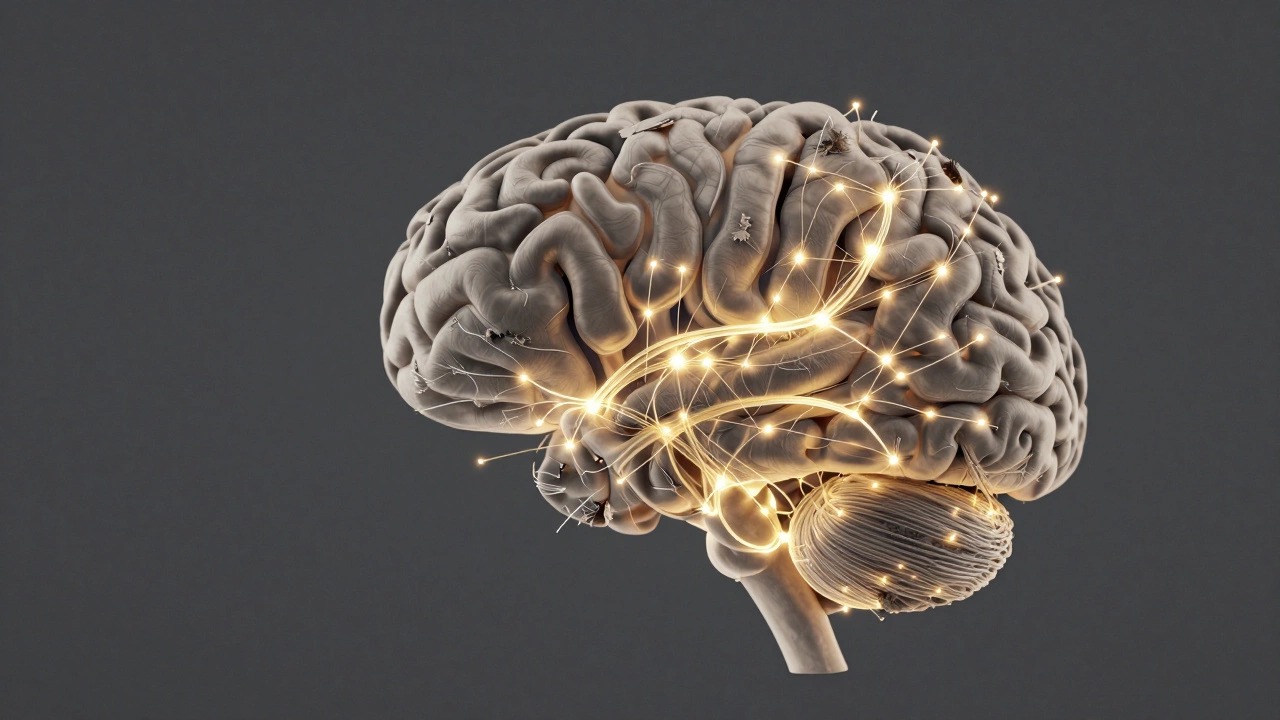
Yes. This is called neuroplasticity. Through therapies like CBT, you are essentially creating new neural pathways in your brain. Over time, this changes how you automatically react to stress, moving you from a state of constant alarm to a state of regulation.
Is medication a sign that I've "failed" at managing my mental health?
Not at all. Mental health is biological. Just as a diabetic needs insulin to regulate blood sugar, some people need medication to regulate neurotransmitters like serotonin or dopamine. Medication often provides the stability needed for talk therapy to actually work.
How do I find a therapist I actually like?
The "therapeutic alliance" (your bond with the provider) is the biggest predictor of success. Don't be afraid to "shop around." Most therapists offer a free 15-minute consultation. Ask them about their approach and how they handle your specific issues. If you don't feel heard in the first session, it's okay to move on to someone else.
