 May, 14 2026
Minor Surgery Cost & Recovery Estimator
Select a procedure below to see estimated private healthcare costs and recovery details.
Cataract Surgery
Eye lens replacement
~15-20 minsSkin Lesion Removal
Mole or cyst excision
~10-15 minsHernia Repair
Laparoscopic fix
~45-90 minsKnee Arthroscopy
Joint inspection/repair
~30-60 minsEstimate Results
Includes surgeon, facility, and anesthesia fees.
Time until normal activities resume.
When you hear the word "surgery," your mind probably jumps to operating theaters, general anesthesia, and weeks of bed rest. But not all surgeries are created equal. Some are quick, low-risk procedures that you can walk out of an hour later. If you are wondering which surgery is the easiest, you are likely looking for minimal pain, a fast recovery, and ideally, a lower price tag.
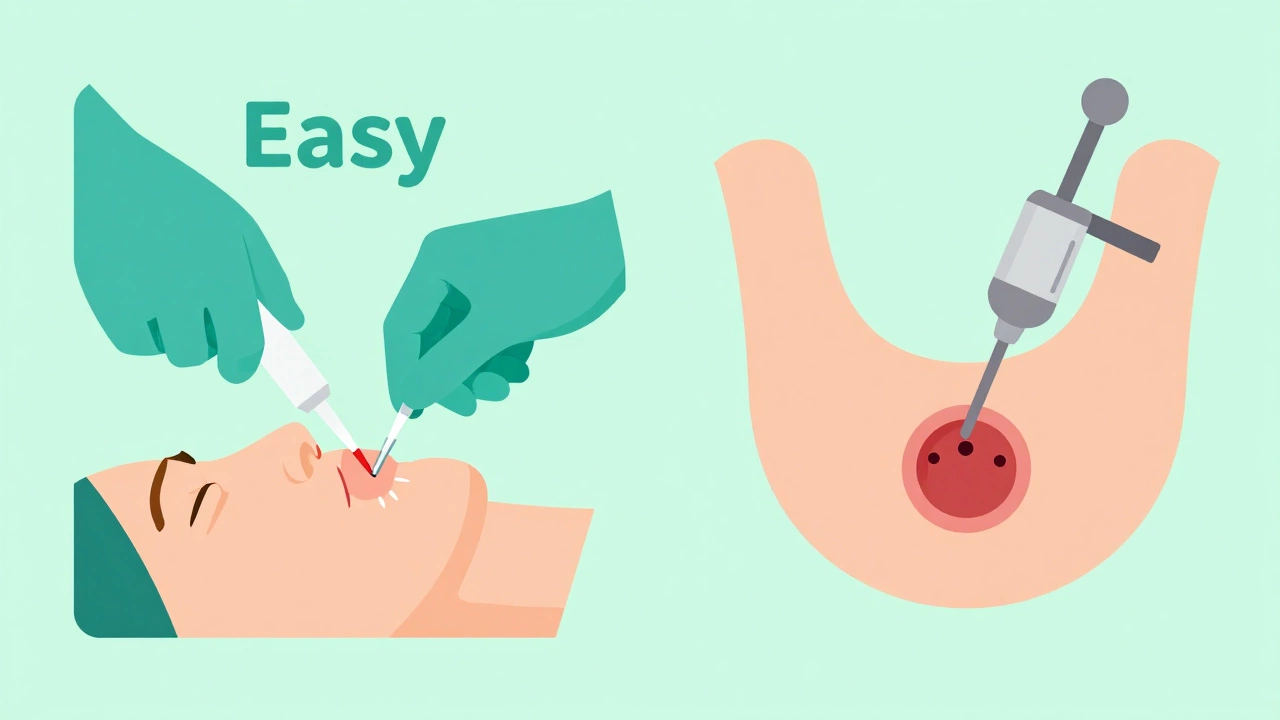
The concept of "easy" in medicine usually points to procedures performed under local anesthesia or light sedation, often called day-case or outpatient surgeries. These don't require hospital stays. You go home the same day. The most common examples include skin lesion removals, cataract operations, and minor orthopedic fixes like arthroscopy. Let's break down what makes these procedures manageable and how much they might cost in today's market.
Defining "Easy" in Surgical Terms
To find the easiest surgery, we need to define what makes a procedure simple. It isn't just about how long the doctor works. It’s about your experience: the type of anesthesia, the recovery time, and the risk profile.
- Anesthesia Type: The biggest factor is avoiding general anesthesia. Local anesthesia numbs only the specific area. You stay awake, feel no pain, and avoid the grogginess and nausea associated with being fully put to sleep.
- Incision Size: Keyhole surgeries, or minimally invasive procedures, use tiny incisions. Less cutting means less trauma to the body and faster healing.
- Recovery Time: An easy surgery allows you to return to normal activities within 24 to 48 hours, not weeks.
Procedures fitting this bill are typically classified as minor surgeries. They account for a significant portion of elective private healthcare because they offer high quality-of-life improvements with minimal disruption.
Top Contenders for the Easiest Surgeries
Several procedures stand out as the least demanding on the patient. Here are the most common ones considered "easy" by both patients and surgeons.
Cataract Surgery
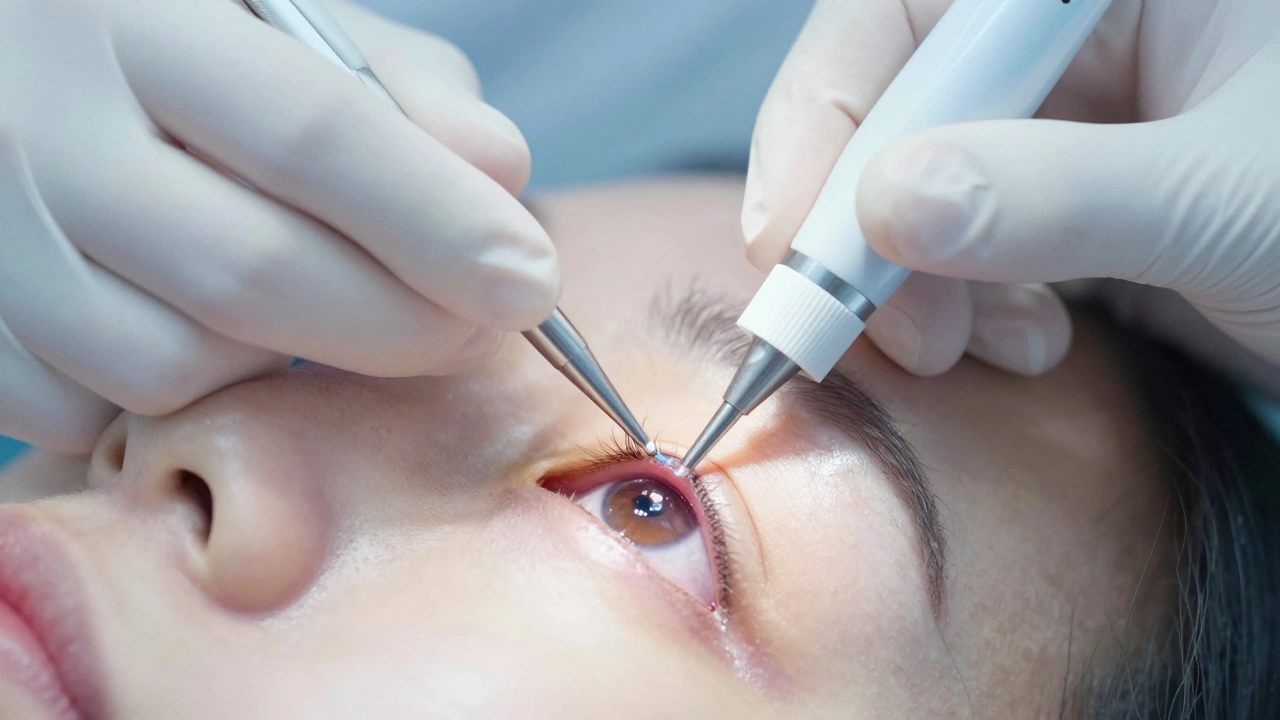
Cataract surgery is arguably one of the most routine and successful operations performed worldwide. It involves replacing the clouded natural lens of the eye with a clear artificial one. The procedure takes about 15 to 20 minutes. Most patients report improved vision almost immediately after the bandage is removed. There is no general anesthesia; just numbing drops. You drive yourself home afterward. In New Zealand and other developed markets, this is often partially subsidized, but private patients pay for faster access and premium lenses.
Skin Lesion Removal (Excision)
If you have a mole, cyst, or suspicious spot, removing it is straightforward. This is done under local anesthesia. The surgeon numbs the area, cuts out the tissue, and stitches it up. The whole process takes 10 to 15 minutes. Recovery involves keeping the wound clean for a week or two. It is purely cosmetic or preventative, making it low-stress mentally as well as physically.
Hernia Repair (Laparoscopic)
For small inguinal hernias, laparoscopic repair is very effective. Instead of one large cut, the surgeon makes three tiny punctures. They insert a camera and tools to push the hernia back and reinforce the muscle with mesh. Patients often go home the same day. While there is some soreness for a few days, many people return to light work within a week. It is significantly easier than traditional open hernia repair.
Knee Arthroscopy
This keyhole surgery is used to diagnose and treat knee joint problems, such as torn meniscus or ligament damage. The surgeon inserts a small camera into the knee through a tiny incision. Depending on the issue, they might trim or repair tissue. Because it avoids major joint replacement, recovery is much faster. Many athletes undergo this and return to training in weeks rather than months.
Cost Breakdown: What Do Easy Surgeries Cost?
Since you are interested in private surgery cost, let's look at the numbers. Prices vary wildly depending on location, surgeon experience, and facility fees. However, minor surgeries are generally cheaper than major operations because they require less staff, shorter operating room time, and no hospital bed.
| Procedure | Anesthesia | Avg. Duration | Estimated Cost Range (USD) |
|---|---|---|---|
| Cataract Surgery (per eye) | Local Drops | 15-20 mins | $1,500 - $3,500 |
| Skin Lesion Excision | Local Injection | 10-15 mins | $300 - $800 |
| Laparoscopic Hernia Repair | General/Sedation | 45-90 mins | $3,000 - $6,000 |
| Knee Arthroscopy | Spinal/General | 30-60 mins | $2,500 - $5,500 |
| Wisdom Tooth Extraction (Simple) | Local/Sedation | 20-40 mins | $200 - $600 per tooth |
Note that these prices often exclude pre-operative tests, post-op medications, and follow-up visits. Always ask for a "global fee" quote that includes everything from consultation to final check-up. In places like Auckland, New Zealand, public waiting lists for non-urgent cataract surgery can be long, driving many to choose private care despite the upfront cost.
Why Choose Private for Minor Surgeries?
You might wonder if it's worth paying out of pocket for something "easy." The answer lies in convenience and control. Public healthcare systems are often overwhelmed. Waiting six months for a cataract operation or a hernia repair can impact your daily life significantly.
Private care offers:
- Speed: You can often schedule surgery within weeks, not months.
- Choice: You select your surgeon and the facility. This builds trust and reduces anxiety.
- Comfort: Private facilities often provide more personalized care, better amenities, and shorter wait times in the clinic.
For minor procedures, the financial barrier is lower than for heart or joint replacements, making it a feasible option for many middle-income earners.
Risks and Realities: No Surgery is Truly "Risk-Free"
Even the easiest surgery carries risks. Infection, bleeding, and adverse reactions to anesthesia are possibilities, though rare in minor cases. It is crucial to understand that "easy" does not mean "no consequence."
Post-operative care is vital. For skin excisions, you must keep the wound dry. For cataracts, you must use antibiotic drops diligently. Ignoring these steps can turn a simple procedure into a complicated medical issue. Always follow your surgeon's discharge instructions precisely.

How to Prepare for an Easy Surgery
Preparation is half the battle. Here is a checklist to ensure your minor surgery goes smoothly:
- Consultation: Discuss your medical history openly. Mention any allergies, especially to latex or antibiotics.
- Meds Review: Ask if you need to stop blood thinners or aspirin before the procedure.
- Logistics: Arrange a ride home. Even if you are not under general anesthesia, driving immediately after local anesthesia can be unsafe due to dizziness or numbness.
- Home Setup: Prepare easy meals and comfortable clothing for your first night home.
Being organized reduces stress, making the entire experience feel even easier.
Alternatives to Surgery
Before committing to any procedure, ask if non-surgical options exist. For example, some skin lesions can be treated with cryotherapy (freezing) or laser therapy, which requires no stitches. Knee pain might respond to physical therapy or cortisone injections before considering arthroscopy. Always seek a second opinion if you are unsure whether surgery is necessary.
Is cataract surgery really painless?
Most patients report feeling pressure but no sharp pain during cataract surgery. Numbing drops eliminate sensation. Afterward, you might feel slight irritation or grittiness for a day or two, but it is rarely described as painful.
Can I drive myself home after minor surgery?
If the surgery was done under local anesthesia without sedation, you might be able to drive. However, many surgeons advise against it due to potential dizziness or distraction from the dressing. If sedation was used, you absolutely cannot drive. Always arrange a ride.
How much does private skin lesion removal cost in New Zealand?
In New Zealand, a private dermatologist or GP might charge between NZD $300 and $600 for a simple excision, including pathology fees. This varies by location and complexity of the lesion.
What is the fastest recovery surgery?
Skin lesion removal and cataract surgery have the fastest recoveries. Most patients resume normal activities within 24 hours. There are no restrictions on movement, unlike orthopedic procedures.
Do insurance plans cover minor private surgeries?
It depends on your policy. Comprehensive health insurance often covers medically necessary minor surgeries like hernia repairs or cataracts. Cosmetic procedures, such as elective mole removal, are usually excluded. Check your excess and coverage limits.
Finding the easiest surgery comes down to matching your medical need with the least invasive option available. By understanding the types of minor procedures, their costs, and the benefits of private care, you can make an informed decision that prioritizes your health and peace of mind.
