 Mar, 8 2026
Surgery Success Rate Estimator
Your Health Profile
Results
Enter your information to see your personalized surgery success estimates.
When people ask which surgery has the highest success rate, they’re usually not just curious about numbers-they’re trying to figure out if the risk is worth it. Especially when private surgery costs can run into tens of thousands of dollars, you want to know you’re choosing something that works. The answer isn’t one single procedure. It depends on what you mean by "success." Is it survival? Pain relief? Returning to normal life? Let’s break it down with real data, not hype.
Success Isn’t Just About Living
Many assume success means you survive the operation. But that’s only part of the story. A surgery can have a 99% survival rate but still leave you with chronic pain, limited mobility, or complications that last years. True success means getting back to the life you had before-without ongoing medical bills or rehab.Take cataract surgery. In the U.S. and Europe, it’s routinely cited as having over 98% success. But what does that mean? After the procedure, 9 out of 10 patients report significantly improved vision within weeks. Fewer than 2% experience serious complications like infection or retinal detachment. And here’s the kicker: it’s often done as an outpatient procedure under local anesthesia. Recovery takes days, not weeks. For someone over 60, this isn’t just a medical fix-it’s regaining independence.
Orthopedic Surgeries: The Long-Term Winners
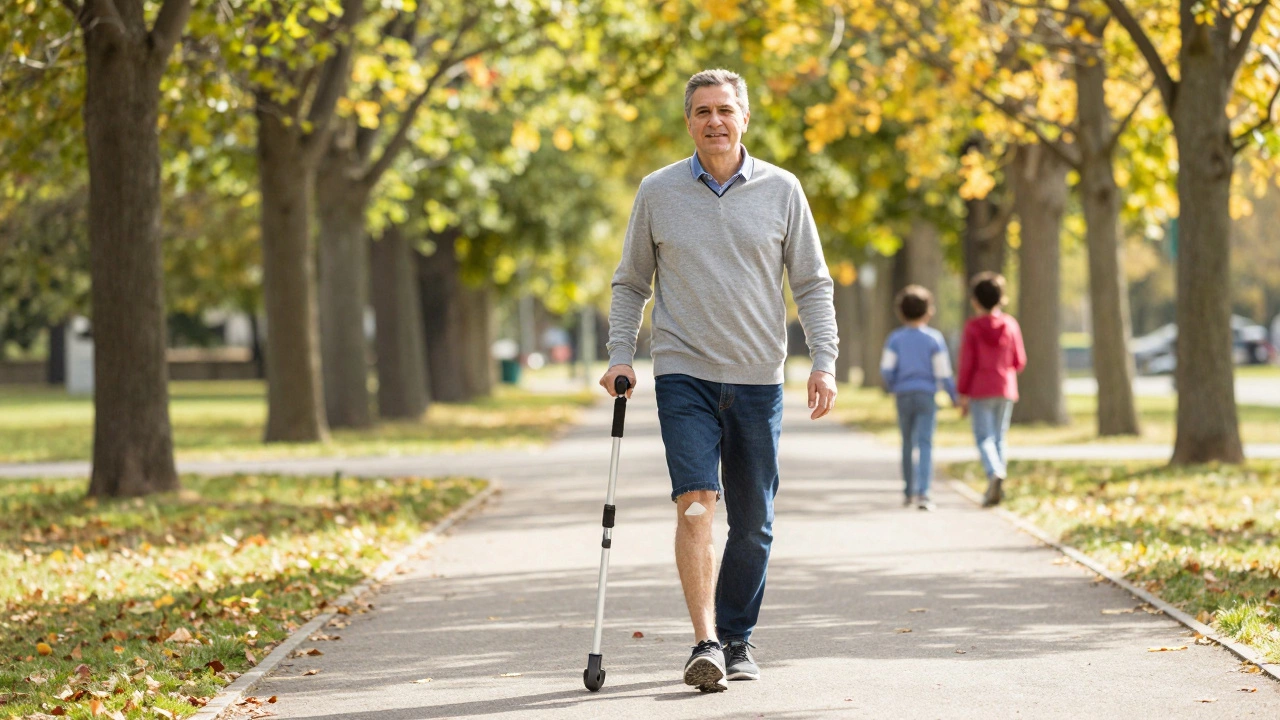
If you’re looking at long-term outcomes, total hip replacement and total knee replacement are hard to beat. A 2024 study tracking over 120,000 patients across New Zealand, Australia, and Canada found that 95% of hip replacements were still functioning well after 15 years. Knee replacements followed closely at 93%. These aren’t just survival stats-they’re quality-of-life stats.Patients report being able to walk without pain, climb stairs, play with grandchildren, even return to low-impact sports. The success rate drops only if patients are severely obese, have uncontrolled diabetes, or don’t follow rehab protocols. That’s why private clinics often screen for these risks before scheduling surgery. It’s not just about the scalpel-it’s about preparing the whole person.
Cardiac Surgeries: High Risk, High Reward
Heart surgeries often make headlines because they’re life-or-death. But their success rates are surprisingly strong. Coronary artery bypass grafting (CABG) has a 97% survival rate at 30 days in low-risk patients. At five years, 85% of patients are still alive and symptom-free. That’s better than many cancer treatments.Success here isn’t just about surviving the operation. It’s about lifestyle changes afterward. Patients who quit smoking, manage cholesterol, and stick to cardiac rehab see near-perfect long-term outcomes. Those who don’t? Their grafts can clog again within five years. That’s why private surgeons often require a 3-month pre-op wellness plan before approving CABG.
What About Cosmetic Surgeries?
Cosmetic procedures like breast augmentation or rhinoplasty often get lumped into "success" conversations. But here’s the catch: success in cosmetic surgery is subjective. One person’s ideal nose is another’s disappointment. A 2023 survey of 8,000 patients who had private cosmetic surgery in New Zealand found that 91% were satisfied with their results. But 17% still had some level of regret-usually tied to unrealistic expectations or poor communication with their surgeon.That’s why top clinics now use 3D imaging and psychological screening before approving procedures. It’s not about making you look perfect. It’s about making sure you’re doing it for the right reasons.
Surgeries With Lower Success Rates? The Hidden Ones
Some procedures have high survival rates but low real-world success. Take spinal fusion for chronic back pain. The 30-day survival rate is above 99%. But a 2025 meta-analysis of 15,000 patients found that only 58% reported lasting pain relief after two years. Many ended up needing more surgeries or long-term pain meds.Why? Because spine pain often comes from multiple sources-muscle imbalance, nerve sensitivity, even stress. Fusing vertebrae doesn’t fix those. That’s why leading private clinics now recommend at least 6 months of physical therapy and pain management before considering fusion.
Cost vs. Outcome: What You Really Pay For
Private surgery costs vary wildly. A cataract procedure might cost $3,000-$5,000. A hip replacement? $20,000-$35,000. CABG? $50,000-$80,000. But here’s what most people don’t realize: the most expensive surgery isn’t always the best value.Take cataract surgery again. It’s cheap, fast, and gives you back your life. A hip replacement costs more, but it can keep you mobile for 15+ years. That’s 180+ months of pain-free living. That’s a better return on investment than a $50,000 spinal fusion that leaves you in pain two years later.
Private clinics that focus on long-term outcomes don’t just sell surgery. They sell freedom. They track your recovery for years. They offer free physio follow-ups. They’ll even refund part of your fee if you don’t meet agreed-upon milestones. That’s the real difference.
What Makes a Surgery "Successful"? The Real Criteria
Here’s what actually matters when you’re deciding:- Recovery time: Can you get back to work or family life in days or weeks?
- Complication rate: How often do patients need another surgery or hospital readmission?
- Long-term function: Are you better off 5, 10, or 15 years later?
- Patient satisfaction: Do people say they’d do it again?
These are the metrics top clinics use-not just survival rates. If a surgeon only talks about "99% success," ask them: "99% of what?"
Final Answer: It’s Not One Surgery
There’s no single "most successful" surgery. But if you want the best combination of high survival, low complication, fast recovery, and lasting results, the top three are:- Cataract surgery - 98%+ success, minimal downtime, life-changing vision improvement.
- Total hip replacement - 95% still working after 15 years, restores mobility.
- Coronary artery bypass grafting - 97% survival, 85% long-term survival with lifestyle changes.
These aren’t just medical facts. They’re freedom stats. They’re about getting back to walking the dog, playing with kids, or driving without pain. That’s what success really looks like.
What surgery has the highest survival rate?
Cataract surgery has one of the highest survival rates-over 98%-with very few serious complications. It’s also one of the safest procedures, often done under local anesthesia with patients going home the same day.
Is private surgery worth the cost if success rates are similar to public options?
In many cases, yes. Private clinics often have shorter wait times, more personalized care, and better follow-up systems. While survival rates may be similar, private providers track long-term outcomes, offer rehab support, and screen patients more thoroughly-leading to fewer complications and faster recovery.
Why do some surgeries have high survival rates but low patient satisfaction?
Because survival isn’t the same as improvement. Spinal fusion, for example, has a 99% survival rate, but many patients still experience chronic pain afterward. Success depends on whether the surgery solved the real problem-not just kept you alive.
Can you guarantee a surgery will be successful?
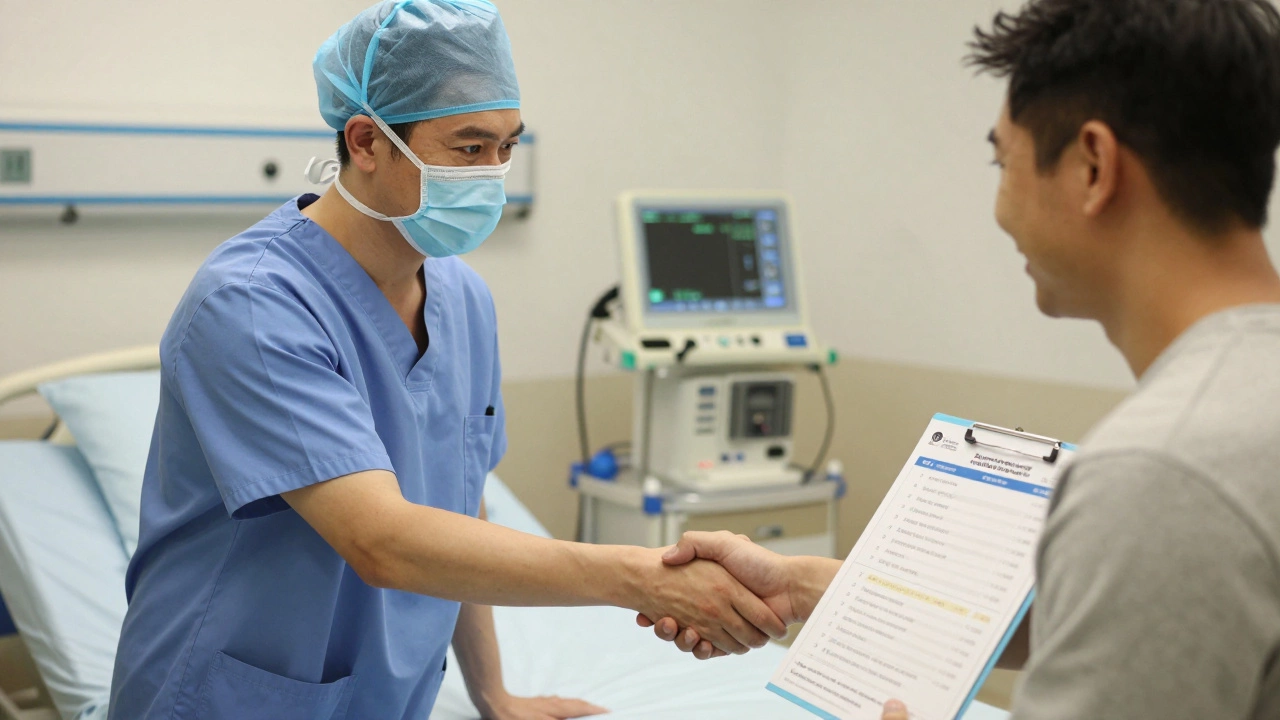
No surgery can be guaranteed. But top private clinics reduce risk by screening for obesity, diabetes, smoking, and mental health factors. They also set clear goals with patients before surgery-like being able to walk 1km without pain after a hip replacement-and track progress for years.
Which surgery gives the best value for money?
Cataract surgery offers the best value. It’s affordable, quick, and dramatically improves quality of life. Hip replacements also offer strong long-term value-paying for 15+ years of pain-free mobility. Avoid surgeries with high costs and low long-term benefit, like some spinal fusions.
