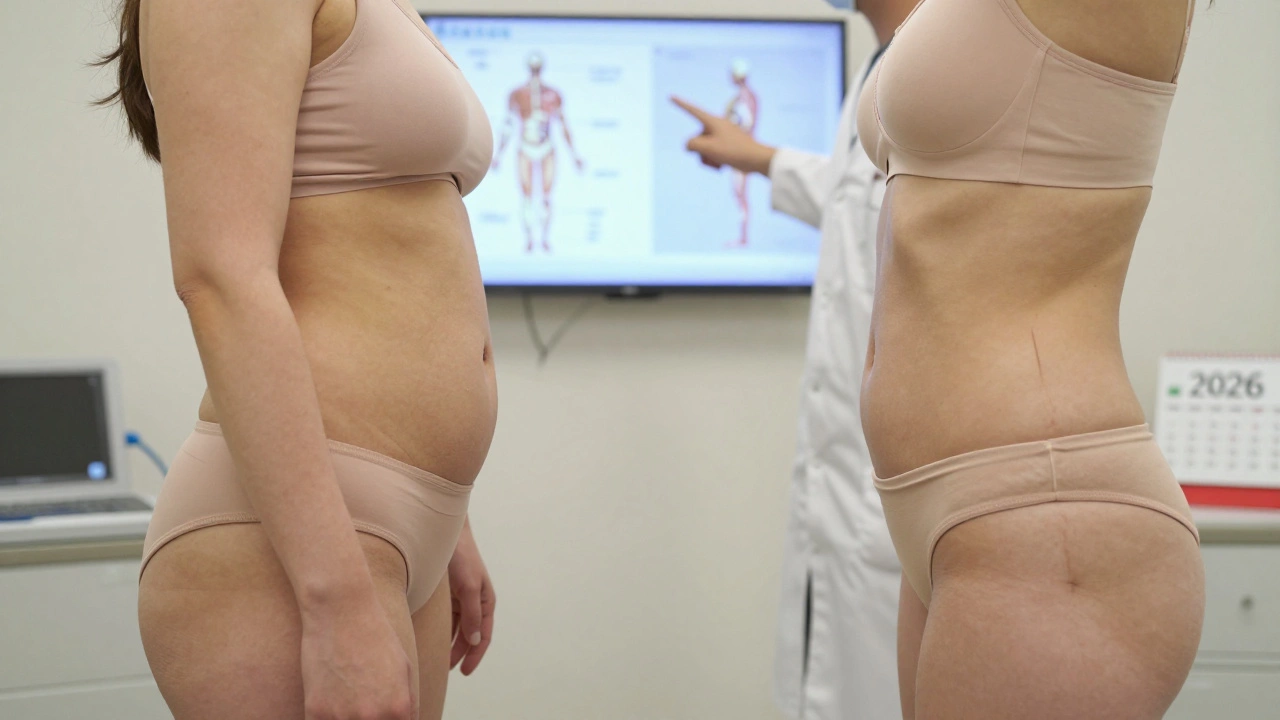
 Feb, 26 2026
Lipo vs Tummy Tuck Cost Calculator
Your Body Profile
When you're considering body contouring in the UK, two procedures come up again and again: liposuction and tummy tuck. Both promise a flatter, tighter stomach, but they work in completely different ways - and so do their prices. If you’re trying to decide which is cheaper, you need more than a number. You need to know what you’re actually paying for.
What you’re really paying for
Liposuction, or lipo, removes fat using thin tubes and suction. It’s great if you have stubborn fat pockets - like love handles or lower belly fat - but your skin is still firm and elastic. It doesn’t fix loose skin or weak abdominal muscles. A tummy tuck, or abdominoplasty, does both: it removes excess skin and tightens the underlying muscles. That’s why it’s a bigger procedure. And that’s why it costs more.
The average cost of liposuction in the UK in 2026 is between £3,500 and £6,500. This includes surgeon fees, anaesthesia, clinic fees, and aftercare. For a tummy tuck, you’re looking at £6,000 to £10,000. That’s a noticeable gap. But here’s the catch: if you get lipo when you need a tummy tuck, you might end up paying twice.
Why the price difference isn’t just about fat
Liposuction usually takes one to two hours under local or light general anaesthesia. Most people go home the same day. Recovery is quicker - you’ll feel sore for a few days, wear a compression garment for 4-6 weeks, and can return to light work in about a week.
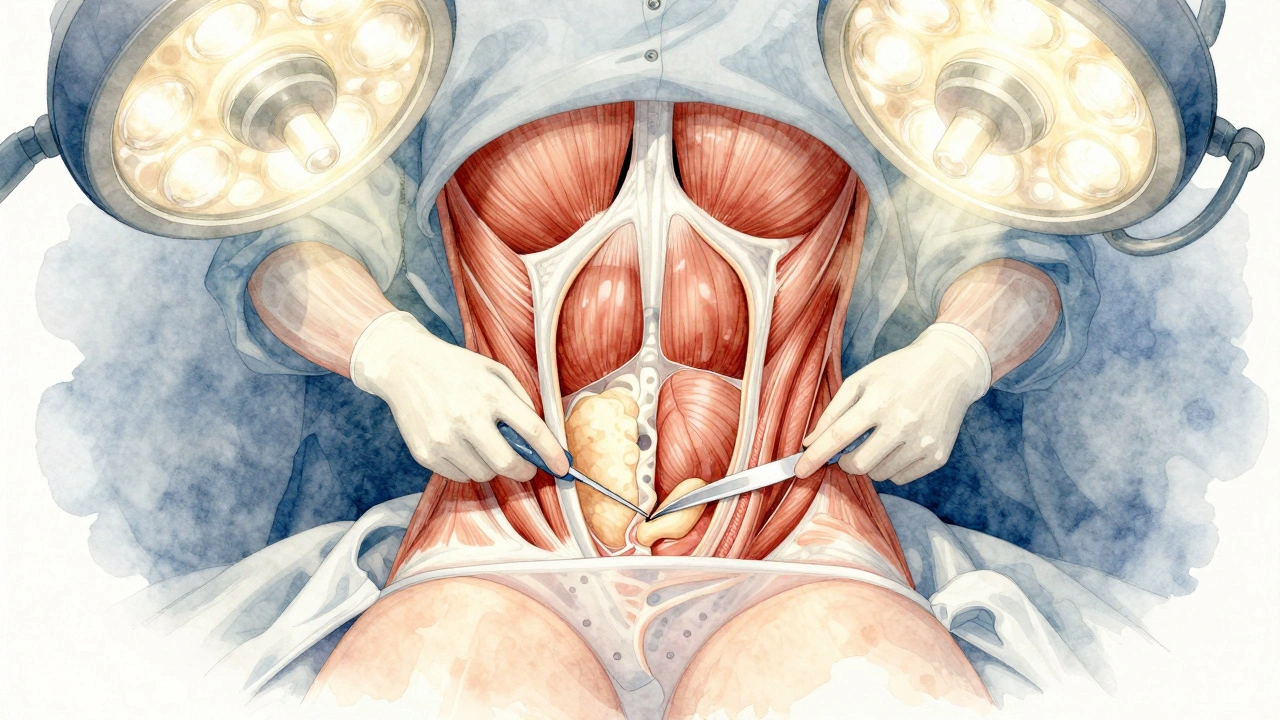
A tummy tuck is a major surgery. It takes 3-5 hours under full general anaesthesia. You’ll need to stay in the clinic overnight, sometimes two. The surgeon cuts along the bikini line, lifts the skin, stitches the muscles together (like a corset), then removes the extra skin. It’s not just removing fat - it’s rebuilding the structure of your abdomen.
Recovery takes longer. You can’t lift anything heavier than a kettle for 6 weeks. Walking straight takes time. Most people need 4-6 weeks off work. The swelling lasts for months. And you’ll need follow-up appointments to check healing, remove drains, and manage scar care.
What’s not included in the quoted price
Many clinics advertise prices starting at £2,999 for lipo or £5,500 for a tummy tuck. But those are often just the surgeon’s fee. Hidden costs add up fast:
- Anaesthesia - £500 to £1,200
- Facility fees - £800 to £2,000
- Compression garments - £150 to £300
- Post-op medications and follow-ups - £200 to £500
- Revision surgery - if you’re unhappy with results, corrections can cost as much as the original procedure
Some clinics bundle everything. Others don’t. Always ask for a full breakdown. Get it in writing. A quote that doesn’t list anaesthesia and facility fees isn’t a real quote.
Who gets which procedure?
Not everyone is a candidate for both. Your body type matters more than your budget.
If you’ve lost weight, had kids, or have naturally low muscle tone, your skin might be stretched beyond recovery. No amount of lipo will fix that. You’ll be left with saggy skin that hangs over your underwear. That’s not a flatter stomach - it’s a disappointment. A tummy tuck is the only fix.
If you’re in your 20s or early 30s, have good skin elasticity, and carry fat mainly in the abdomen, hips, or back - lipo could be perfect. You’ll see results fast. No long scar. No muscle repair. Just smoother contours.
Some people get lipo first, then decide later they need a tummy tuck. That’s not cheaper. It’s more expensive. And it’s riskier. Doing two surgeries in a short time increases complications. Surgeons often recommend waiting 6-12 months between procedures.
What about non-surgical options?
You’ve seen ads for coolsculpting, radiofrequency, or ultrasound treatments. They promise fat reduction without surgery. But here’s the truth: they remove 20-25% of fat in a treated area - and only if you’re already close to your goal weight. They don’t touch loose skin. They don’t tighten muscles. They cost £800-£2,000 per session, and you need 2-4 sessions. In the end, you might spend £5,000 and still not get the results a £6,000 tummy tuck delivers.
Non-surgical options are fine for fine-tuning. They’re not replacements for surgical body contouring.
Where you get the surgery matters
Prices vary wildly between London, Manchester, and smaller towns. A tummy tuck in London might cost £9,500. The same procedure in Leeds or Birmingham could be £7,200. That’s not just inflation - it’s clinic overhead, surgeon reputation, and demand.
But cheaper doesn’t mean better. Always check:
- Is the surgeon registered with the GMC?
- Do they have specific training in body contouring?
- Can you see before-and-after photos of real patients (not stock images)?
- Do they offer a consultation with the surgeon, not just a sales advisor?
Some clinics lure you in with low prices, then upsell you on add-ons. Others charge more upfront but include everything. Ask: "If I need a revision, is that covered?" If the answer is "no," keep looking.

Is one worth the extra cost?
Let’s say you have £5,000 to spend. You could get lipo and be happy. Or you could stretch your budget for a tummy tuck - and end up with a completely different body.
Think about your long-term goals. Do you want to wear a swimsuit without a tummy control garment? Do you want to stand in front of a mirror and not feel like you’re hiding your stomach? A tummy tuck doesn’t just change your shape - it changes how you feel in your own skin.
Most people who choose lipo when they needed a tummy tuck regret it. They go back, pay again, and wait longer. That’s not saving money - that’s paying twice.
On the flip side, if you get a tummy tuck and you didn’t need it - you’re left with a big scar and a longer recovery for no real benefit.
That’s why consultation with a qualified plastic surgeon is non-negotiable. They’ll examine your skin, muscle tone, and fat distribution. They’ll tell you what’s possible. Not what you want to hear. What’s realistic.
Insurance and financing
Neither lipo nor tummy tuck is covered by the NHS unless you have a medical condition - like severe diastasis recti after childbirth that causes pain or incontinence. Even then, approval is rare.
Most people pay out-of-pocket. Many clinics offer payment plans: 0% interest over 12-24 months. But read the fine print. Some charge high fees if you miss a payment. Others require a large upfront deposit.
Never use credit cards with high interest rates unless you’re certain you can pay them off fast. A £7,000 surgery on a 20% APR card could end up costing you £8,500 over two years.
Final verdict: Which is cheaper?
Liposuction is cheaper - if you’re the right candidate. A tummy tuck costs more - but it delivers a complete transformation.
There’s no single answer. The cheapest option is the one that gives you the result you actually want - without needing a second surgery.
Don’t choose based on price alone. Choose based on your body, your goals, and your long-term satisfaction. A £2,000 saving today could cost you £5,000 and another year of waiting tomorrow.
Book a consultation. Get measured. See your options. Then decide - not on a price tag, but on the life you want to live after.
Can I get a tummy tuck on the NHS?
The NHS rarely covers tummy tucks. You might qualify only if you have severe abdominal muscle separation (diastasis recti) that causes chronic pain, urinary incontinence, or skin infections from folds. Even then, you must prove you’ve tried non-surgical treatments and lost weight. Most patients are turned down. Private surgery remains the standard route.
How long do results last?
Liposuction results last as long as you maintain your weight. If you gain 10+ pounds, fat can return in other areas. A tummy tuck permanently removes skin and tightens muscles, so the shape lasts. But pregnancy, major weight gain, or aging can stretch skin again. Neither procedure stops aging - but both give long-lasting improvements if you stay stable.
Is lipo safer than a tummy tuck?
Liposuction has fewer risks because it’s less invasive. But both are safe when performed by qualified surgeons. The biggest danger in either case is choosing an unregistered practitioner. Complications like infection, blood clots, or uneven results are rare with board-certified surgeons but much more common with unlicensed clinics. Always verify credentials.
Can I combine lipo and a tummy tuck?
Yes - it’s common. Surgeons often combine lipo on the flanks or back with a tummy tuck to create a smoother, more balanced silhouette. This is called a "full body contouring" procedure. The cost is higher than either alone, but it’s more efficient and gives better overall results than doing them separately.
How do I know if I need a tummy tuck or just lipo?
Try this: pinch the skin above your belly button. If it’s loose and hangs, you likely need a tummy tuck. If the skin snaps back and you only have fat bulges, lipo may be enough. Also, lie on your back. If your stomach still sticks out even when you’re flat, your muscles might be separated - a sign you need muscle repair. A surgeon can confirm this with a physical exam.
