 Apr, 9 2026
Surgery Recovery Estimator
Step 1: Select Tissue Type
Step 2: Health Multipliers
Recovery Profile
Select a tissuePrimary Challenge:
Select a tissue type to see the specific biological obstacles to healing.
Please select a tissue type from the left to generate your recovery profile.
You've just had your procedure, the anesthesia has worn off, and the first question on your mind is: "When can I actually get back to my normal life?" Some people are up and walking the next day, while others face months of grueling rehab. The truth is, your body isn't a uniform machine; some parts are built to bounce back in a week, while others act like they're moving in slow motion. Understanding why certain areas lag behind can help you manage your expectations and budget for the long-term care and physiotherapy that often follow a private operation.
Key Takeaways for Recovery
- Blood flow is everything: Tissues with poor blood supply, like cartilage, heal the slowest.
- Weight-bearing areas: Joints and bones take longer because they must withstand physical pressure.
- Complex nerves: Nerve regeneration is a slow, millimeter-by-millimeter process.
- Age and Health: Chronic conditions like diabetes can significantly extend these timelines.
The Slowest Healers: Cartilage and Joints
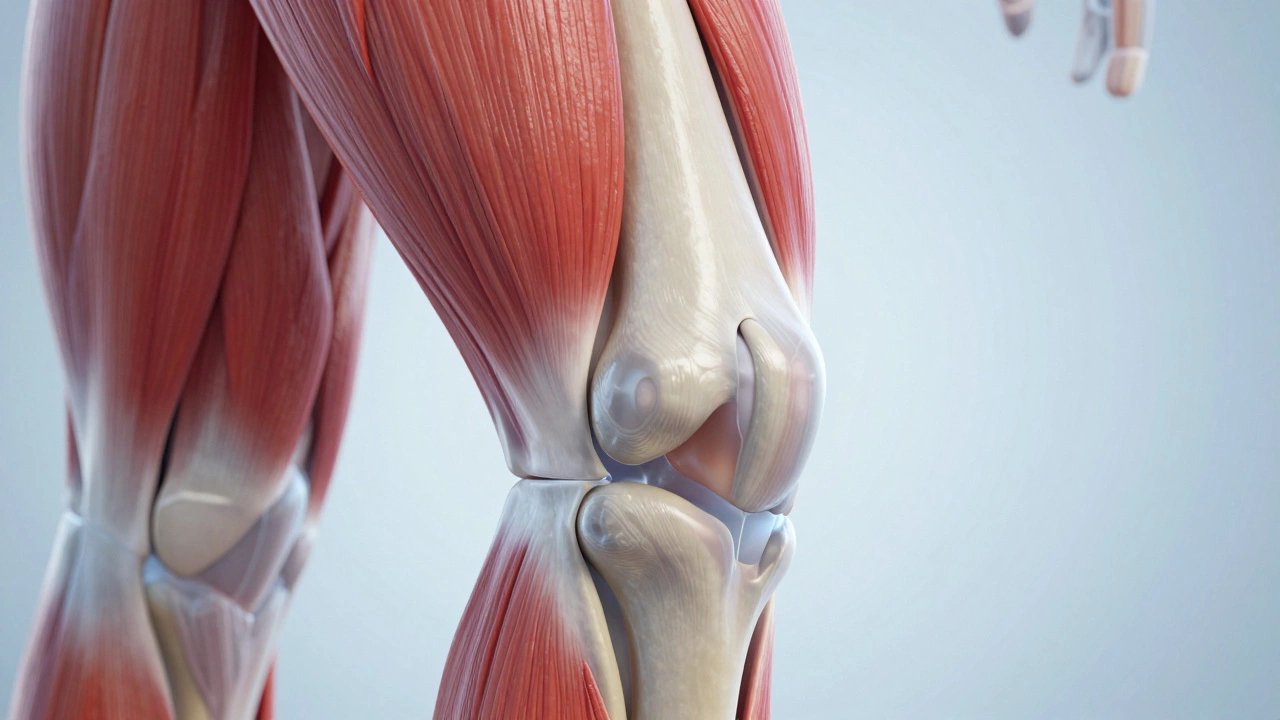
If we're talking about the absolute slowest recovery, we have to look at Cartilage is a firm, flexible connective tissue found in joints, the rib cage, and the ear . Unlike your skin, which is flooded with blood vessels, cartilage is avascular. This means it has no direct blood supply to bring in the nutrients and oxygen needed for rapid repair. When you undergo surgery for a torn meniscus or a damaged joint surface, you aren't just waiting for a wound to close; you're waiting for a very slow cellular migration.
Take a Joint Replacement as an example. Whether it's a hip or a knee, the structural healing of the bone integrating with the prosthetic can take months. While you might be walking with a walker in days, the full biological "settling" of the joint often takes a full year. This is why the surgery recovery time for major joints is so much longer than for a soft-tissue repair like a hernia.
The Nerve Game: A Millimeter at a Time
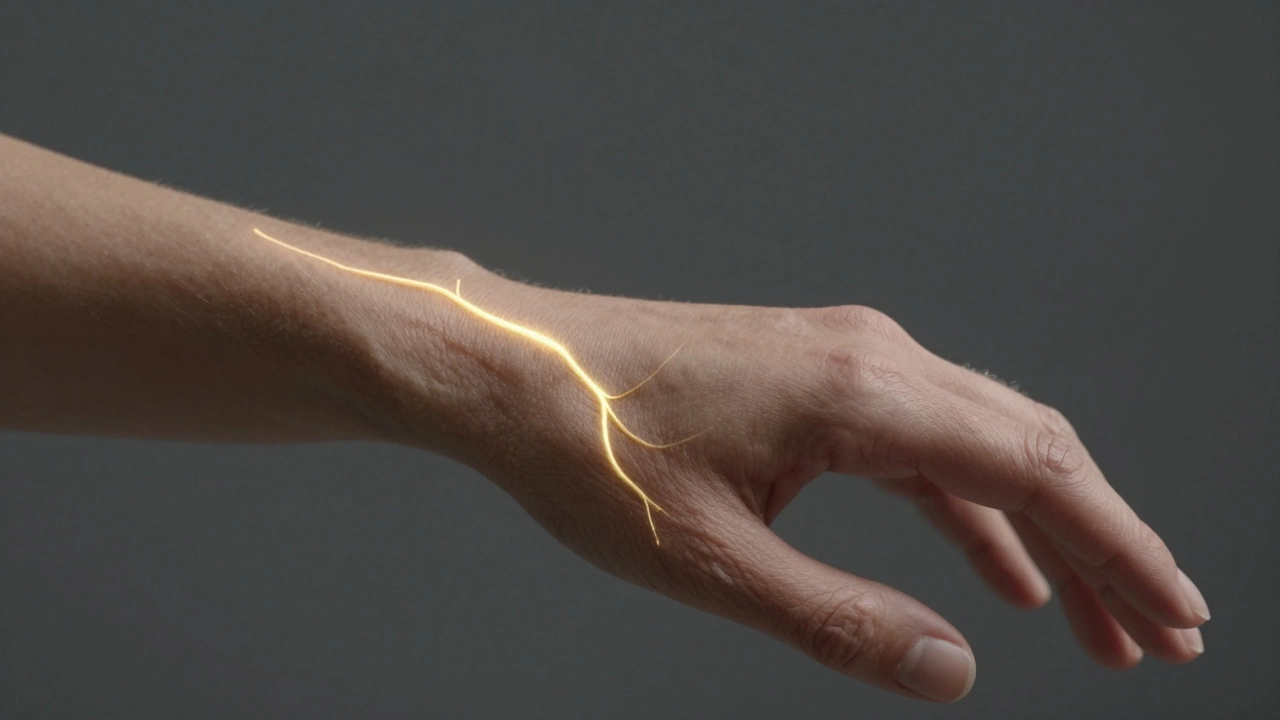
Nerves are another category of "slow burners." When a nerve is severed or crushed during a complex surgery, the body doesn't just glue it back together. The nerve has to regrow from the point of injury toward the muscle or skin it controls. This process happens at a glacial pace-typically about 1 millimeter per day, or roughly one inch per month.
Imagine a patient who has had surgery on a crushed nerve in their wrist. Even if the surgery is a technical success, they might not feel sensation in their fingertips for six months or more. This makes neurological recoveries some of the most mentally taxing, as the physical evidence of healing is nearly invisible for weeks on end.
Bones and Hard Tissues: The Heavy Lifters
Bones are faster than cartilage but slower than skin. When a surgeon uses Internal Fixation (plates and screws) to set a fracture, the bone has to undergo a process called remodeling. First, a soft callus of cartilage forms, which then mineralizes into hard bone.
For a major bone like the femur, this process can take 3 to 6 months to reach full strength. The risk here is that if you put weight on the area too soon, you can disrupt the fragile bridge of new bone. This is why private surgery costs often include extended packages for physiotherapy; you can't just let a bone heal in a vacuum-you have to guide it back to strength.
| Tissue Type | Blood Supply | Estimated Full Recovery | Primary Challenge |
|---|---|---|---|
| Skin/Mucosa | High | 1-3 Weeks | Infection/Scarring |
| Muscle | High | 4-8 Weeks | Atrophy/Stiffness |
| Bone | Moderate | 3-6 Months | Weight Bearing |
| Tendon/Ligament | Low | 6-12 Months | Limited Elasticity |
| Cartilage/Nerves | Very Low | 12+ Months | Avascularity/Slow Growth |
Tendon and Ligament Struggles
If you've ever had an ACL Reconstruction or a rotator cuff repair, you know the frustration of the "plateau." Tendons and ligaments have a relatively poor blood supply compared to muscles. They are designed for strength and tension, not for quick regeneration.
Because they don't get much oxygen, the metabolic rate in these tissues is low. After surgery, the body replaces the original tissue with collagen fibers that are often stiffer and less organized than the original. It takes months of targeted stretching and loading-often guided by a professional-to get these tissues to behave normally again. If you rush this, you risk a re-rupture, which is far more expensive and difficult to fix the second time around.
Why Some People Heal Slower Than Others
It's not just about which body part was operated on; it's about the environment the surgery happened in. Your systemic health acts as a multiplier for recovery time. For example, Diabetes can severely impair the body's ability to heal by damaging small blood vessels and slowing down the inflammatory response. A foot surgery for someone with uncontrolled blood sugar might take three times longer to heal than for a healthy 20-year-old.
Smoking is another huge factor. Nicotine constricts blood vessels, which means less oxygen reaches the surgical site. In the world of orthopedic surgery, smokers have a significantly higher rate of "non-union," where the bone simply refuses to knit back together. This is a critical detail for anyone calculating their private surgery costs, as a failed primary surgery leads to expensive revision procedures.

Managing the Long Haul
When you're facing a long recovery, the biggest mistake is treating the surgery as the "end" of the process. In reality, the surgery is just the starting gun. For slow-healing tissues, the most important phase is the rehabilitation window. This includes modalities like ultrasound therapy, electrical stimulation, and progressive loading.
If you're recovering from a slow-healing area, focus on nutrition. Increasing your intake of protein and Vitamin C supports collagen synthesis, which is the building block for tendons and skin. Staying hydrated also keeps the fascia-the connective tissue surrounding your muscles-supple, which prevents the stiffness that often plagues long-term recoveries.
Why does cartilage take so long to heal compared to skin?
Skin has a rich network of blood vessels that deliver nutrients and immune cells directly to a wound. Cartilage is avascular, meaning it has no blood vessels. It relies on the slow diffusion of nutrients from the surrounding joint fluid, which makes the repair process incredibly slow and often incomplete.
Can I speed up the healing of nerves after surgery?
While you can't change the biological speed of nerve regrowth (which is about 1mm per day), you can optimize the environment. B-vitamins and targeted physical therapy to prevent muscle atrophy while you wait for the nerve to reconnect are the most effective ways to ensure the best possible outcome.
Does age significantly impact surgery recovery time?
Yes. As we age, our skin becomes thinner, our bone density decreases, and the production of collagen slows down. Older adults generally experience slower wound healing and may require more time in physiotherapy to regain the same level of mobility as a younger patient.
What is the most expensive part of a long recovery?
Beyond the initial operation, the highest costs usually come from long-term rehabilitative care. This includes weekly physiotherapy sessions, specialized braces or supports, and potentially home modifications or temporary assistance for daily living during the months it takes for joints or nerves to heal.
Is it possible for a surgical site to never fully heal?
In some cases, yes. Because cartilage and certain ligaments have such poor blood supply, they may never return to 100% of their original strength. This is why many patients experience a "new normal" where they are functional but may always have a slight limitation in flexibility or strength.
Next Steps for Your Recovery
If you are preparing for a procedure on a slow-healing body part, start your "pre-hab." Strengthening the muscles around a joint before surgery can drastically shorten your total recovery time. Talk to your surgeon about a specific timeline for weight-bearing and a list of red flags-like sudden swelling or a lack of temperature change in the limb-that could indicate a healing complication.
For those already in recovery, keep a daily log of small wins. When you're healing a nerve or a tendon, the progress is too slow to notice day-to-day, but looking back at your notes from three weeks ago will show you that you're actually moving forward.
