 Aug, 6 2026
Facelift Destination Estimator
Estimated Price Range
Includes surgeon fees & facility costs
Destination Profile
Looking younger doesn't always mean staying home. For many people considering a facelift is a surgical procedure that creates a more youthful appearance by tightening skin and underlying tissues of the face and neck, the decision involves more than just picking a surgeon. It involves choosing a location. The cost of facial rejuvenation surgery varies wildly depending on where you go. In some countries, you can get world-class results for a fraction of the price charged in Western nations. But "cheap" isn't always "good." You need to balance cost, safety, and quality.
The global market for aesthetic procedures has shifted. Patients are no longer limited to local clinics. They fly to specialized hubs known for high standards and competitive pricing. This guide breaks down the top destinations for facelift surgery in 2026, focusing on safety, cost, and expertise. We will look at why places like Turkey, South Korea, and the United Kingdom remain popular choices.
What Makes a Destination "The Best"?
Before looking at specific countries, you need to know what to look for. The "best" place depends on your priorities. Are you chasing the lowest price? Or do you want the highest safety standards? Here are the key factors that define a top-tier destination for cosmetic surgery.
- Surgeon Credentials: Look for board-certified plastic surgeons. In the US, this means the American Board of Plastic Surgery. In the UK, it's the General Medical Council (GMC) registration with specialist list entry. In other countries, check for local equivalents like the Royal Australasian College of Surgeons or the Korean Society of Plastic and Reconstructive Surgeons.
- Hospital Standards: The surgery should happen in an accredited facility. Look for JCI (Joint Commission International) accreditation. This ensures the hospital meets global standards for patient safety and care.
- Follow-up Care: A facelift requires monitoring. Can you see the surgeon again if you have complications? Some clinics offer remote follow-ups, but in-person visits are safer.
- Language Barrier: Clear communication is vital. Misunderstandings about expectations or aftercare instructions can lead to poor outcomes.
Price is important, but it should be the last factor you consider. A botched surgery costs far more to fix than the initial savings.
Turkey: The Global Hub for Affordable Excellence
Turkey has become the undisputed leader in medical tourism for facial procedures. Istanbul, in particular, is packed with clinics catering to international patients. Why? Because the cost is significantly lower than in Europe or North America, yet the quality remains high.
A facelift in Turkey might cost between $3,000 and $6,000. Compare that to $15,000 or more in the US or UK. That’s a huge difference. Turkish surgeons often train in Europe or the US before returning home. They perform thousands of procedures annually, giving them immense experience.
| Country | Average Cost (USD) | Key Advantage | Risk Level |
|---|---|---|---|
| Turkey | $3,000 - $6,000 | Low cost, high volume | Medium (verify clinic carefully) |
| South Korea | $7,000 - $12,000 | Cutting-edge techniques | Low (highly regulated) |
| United Kingdom | $12,000 - $20,000 | Strict regulation, English speaking | Low |
| United States | $15,000 - $25,000+ | Top-tier legal recourse | Low |
| Thailand | $4,000 - $8,000 | Resort-style recovery | Medium |
However, Turkey is not without risks. The market is saturated. Some clinics prioritize marketing over medicine. You must do your homework. Check if the surgeon is a member of the Turkish Society of Plastic, Reconstructive and Aesthetic Surgeons. Avoid agencies that promise "package deals" without direct access to the doctor.
South Korea: The Art of Subtle Enhancement
If you want the most advanced techniques, South Korea is the place to go. Seoul is often called the "plastic surgery capital of the world." Koreans have normalized cosmetic procedures, leading to a culture of constant innovation. Surgeons here specialize in subtle, natural-looking results rather than dramatic changes.
The "mini-lift" and "thread lift" techniques are highly refined here. These less invasive options recover faster than traditional full facelifts. The cost is higher than Turkey but still lower than the West. Expect to pay around $7,000 to $12,000.
The main challenge is the language barrier. While many clinics have English-speaking staff, nuances in medical advice can get lost. Also, cultural differences in aesthetic ideals exist. Korean surgeons may aim for a softer, more oval face shape. Discuss your goals clearly. Use photos. Make sure the surgeon understands the look you want.
United Kingdom: Safety and Regulation First
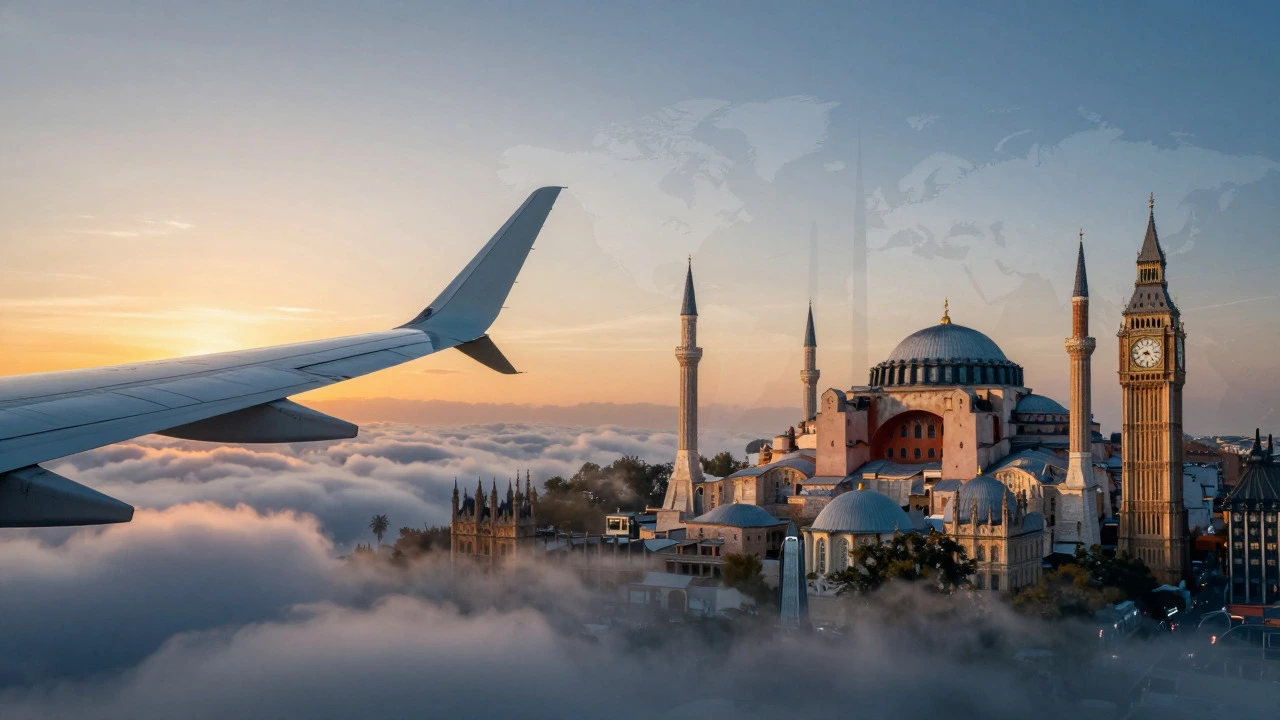
For patients who value safety above all else, the UK is a top choice. The regulatory environment is strict. The Care Quality Commission (CQC) monitors hospitals and clinics rigorously. Surgeons must be registered with the GMC and listed on the Specialist Register for Plastic Surgery.
This level of oversight reduces the risk of negligence. If something goes wrong, you have clear legal pathways for compensation. The downside? Price. A facelift in London or Manchester can easily exceed £10,000 ($12,500+). You are paying for peace of mind, not just the procedure.
The UK is also convenient for English speakers. No translation issues. No jet lag from long-haul flights if you live nearby. Many patients choose the UK because they can combine surgery with a short stay in a familiar environment. Recovery support is easier to arrange with family or friends.
Thailand: Luxury Recovery Meets Skill
Thailand offers a different appeal. It’s not just about the surgery; it’s about the experience. Bangkok and Phuket host numerous JCI-accredited hospitals. The standard of care is excellent, often matching Western levels. The cost sits in the middle ground, around $4,000 to $8,000.
The real draw is the post-operative care. Many patients rent villas near their clinics. They enjoy private nursing care, healthy meals, and a relaxing environment while healing. This "medical vacation" model reduces stress, which can actually help recovery.
However, heat and humidity can affect swelling during the first few weeks. Plan your trip accordingly. Avoid intense sun exposure. Choose a clinic that provides detailed aftercare instructions tailored to the tropical climate.

How to Choose Your Surgeon
No matter where you go, the surgeon matters more than the country. Here is a checklist to vet any professional:
- Check Certifications: Verify their license online. Don’t trust the clinic’s website alone. Go to the official medical board website.
- Review Before-and-After Photos: Look for patients with similar facial structures to yours. Be wary of heavily edited images.
- Read Independent Reviews: Sites like RealSelf or Trustpilot offer unfiltered feedback. Look for patterns in complaints, not just one-off bad experiences.
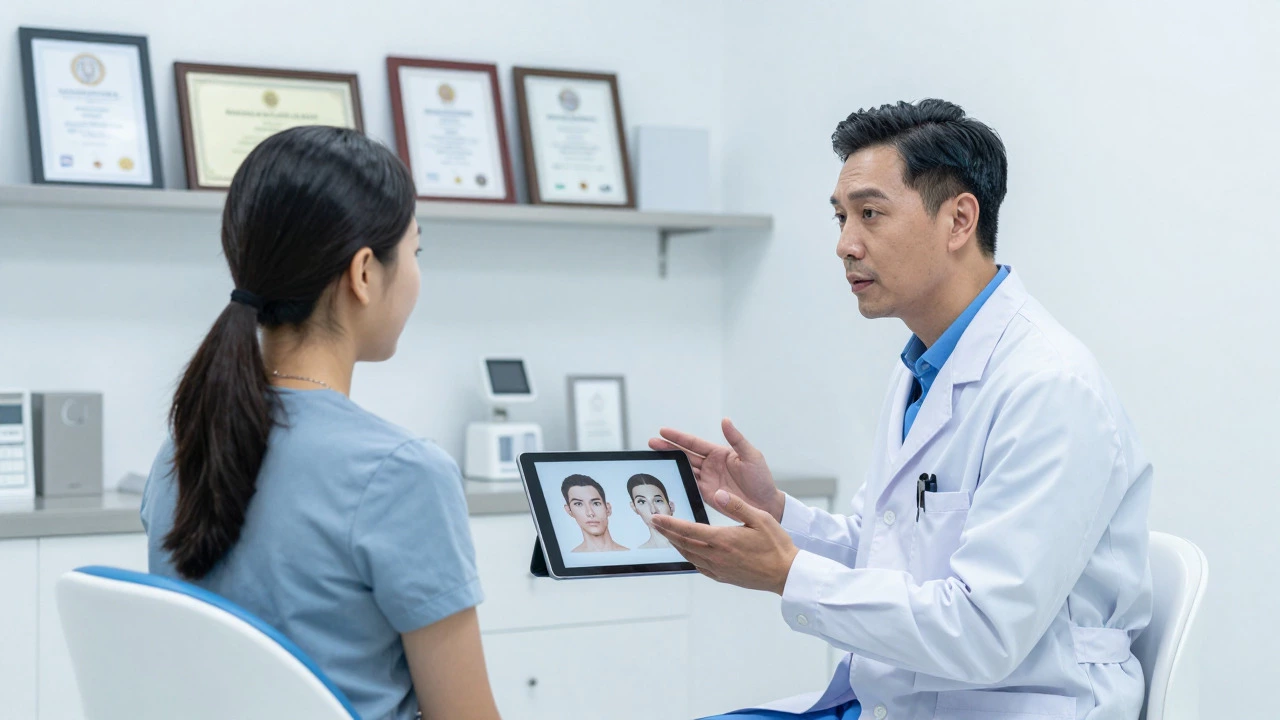
- Consult Remotely: Most top surgeons offer video consultations. Use this time to ask hard questions. How many facelifts do they do per year? What are their complication rates?
- Ask About Anesthesia: Who administers the anesthesia? It should be a dedicated anesthesiologist, not the surgeon multitasking.
A good surgeon will listen to you. They will explain the risks honestly. They won’t pressure you into buying additional procedures you don’t need.
Risks of Medical Tourism
Flying home too soon is the biggest mistake patients make. Swelling peaks at 48 hours. Bruising takes weeks to fade. If you fly back immediately, you might miss signs of infection or hematoma (blood collection under the skin).
Plan to stay in the destination for at least 7-10 days. Keep sutures in place as directed. Have a local contact who can help you if an emergency arises. Buy travel insurance that covers pre-existing conditions and elective surgery complications. Standard policies often exclude these.
Also, consider the "return flight" risk. Long periods sitting increase the chance of deep vein thrombosis (DVT), especially after surgery. Wear compression stockings. Walk around the cabin regularly. Stay hydrated.
Final Thoughts on Location
There is no single "best" place. If budget is tight and you are diligent in research, Turkey offers incredible value. If you want cutting-edge, subtle work, South Korea leads. If safety and legal protection are paramount, stick to the UK or US. If you want a relaxing recovery, Thailand is ideal.
Your face is unique. Treat the decision with respect. Do not rush. Take your time to compare surgeons, not just prices. The right location is the one where you feel confident in the hands of your surgeon.
Is it safe to get a facelift in Turkey?
Yes, it can be very safe if you choose a JCI-accredited hospital and a board-certified surgeon. Turkey has a high volume of skilled practitioners. However, due diligence is critical. Avoid unknown clinics that advertise aggressively on social media without verifiable credentials. Always verify the surgeon's membership in the Turkish Society of Plastic, Reconstructive and Aesthetic Surgeons.
How much does a facelift cost in the UK compared to the US?
In the UK, a facelift typically costs between £10,000 and £15,000 ($12,500-$19,000). In the US, prices range from $15,000 to $25,000 or more. The UK is generally more affordable than the US while maintaining strict regulatory standards. Both countries offer high safety levels, but the US has higher average fees due to practice overheads and malpractice insurance costs.
Can I fly home immediately after a facelift?
It is not recommended. Most surgeons advise staying for at least 5-7 days. Flying too soon increases the risk of swelling, bleeding, and blood clots (DVT). You need time to monitor for early complications like infection or hematoma. Ensure your incisions are stable before enduring the pressure changes of air travel.
What is the difference between a mini-facelift and a full facelift?
A mini-facelift targets the lower face and jawline, using smaller incisions and less downtime. It is suitable for younger patients with mild sagging. A full facelift addresses the entire face, including the neck, temples, and cheeks. It involves lifting deeper tissue layers and is better for significant aging signs. South Korea is particularly known for refining mini-lift techniques.
How do I verify a surgeon's credentials abroad?
Do not rely solely on the clinic's website. Search for the national medical board or plastic surgery association in that country. For example, in the UK, check the GMC register. In Turkey, check the Turkish Medical Association. Ask the surgeon for their license number and verify it independently. Look for international certifications like ISAPS (International Society of Aesthetic Plastic Surgery) membership.
