 Nov, 29 2026
European Healthcare Coverage Estimator
Estimated Out-of-Pocket Cost
System Name
Coverage details will appear here.
You land in Paris or Madrid, twist your ankle on a cobblestone street, and panic. In the US, that pain might cost you thousands before you even see a doctor. But in parts of Europe, you walk into a clinic, get treated, and pay nothing at the front desk. Or do you? The idea of "free" healthcare is one of the most misunderstood concepts for travelers and expats alike. It’s rarely 100% free; it’s usually prepaid through taxes or social contributions. So, where does the money actually come from, and which countries truly cover your bill?
The Myth of "Free" vs. Universal Coverage
When people ask if healthcare is free, they are usually asking if they have to open their wallet at the point of service. The answer depends entirely on which model the country uses. Most European nations operate under a system of universal coverage, meaning everyone legally resident (and often tourists with an EHIC card) has access to care. But the funding mechanism changes everything.
There are two main ways Europe pays for this:
- The Beveridge Model: Funded by general taxation. Think of the UK's National Health Service (NHS). You don't pay premiums directly; the government pays providers. Care is largely free at the point of use.
- The Bismarck Model: Funded through payroll deductions and insurance funds. Common in Germany, France, and Belgium. You or your employer pay into a fund. You might pay upfront and get reimbursed, or the insurer pays directly.
Understanding this distinction saves you from surprise bills. If you’re a tourist, you aren’t paying these taxes. That’s why travel insurance remains non-negotiable, even in "free" systems.
Countries with Tax-Funded Systems (Mostly Free at Point of Use)
If you want minimal out-of-pocket costs during a visit, look toward countries using tax-funded models. These systems aim to remove financial barriers to treatment.
| Country | System Name | Patient Cost | Notes |
|---|---|---|---|
| United Kingdom | National Health Service (NHS) | £0 for GP/hospital | Dental and prescriptions cost extra in England; free in Scotland/Wales. |
| Spain | Sistema Nacional de Salud | €0 for basic care | Prescriptions require co-payment based on income. |
| Italy | Servizio Sanitario Nazionale | Ticket fee for visits | Exemptions exist for low income or chronic conditions. |
| Portugal | Serviço Nacional de Saúde | Small user fees | Emergency care is free; specialists may charge nominal fees. |
In the UK, the NHS is famous for being free at the point of delivery. If you break a leg in London, you won’t receive a bill for the cast or the surgery. However, this comes with a trade-off: waiting times. Non-urgent procedures can take months. For acute emergencies, it’s world-class. For elective knee replacements, you might wait longer than you’d like.
Spain offers similar benefits. The Spanish system ranks highly globally for efficiency. As a resident, you register with a local health center. Visits to the doctor are free. Prescriptions, however, are not always free. Residents pay a percentage of the drug cost, capped monthly. For tourists, emergency care is provided, but follow-up might require proof of insurance or payment.
The Insurance-Based Models: Low Cost, Not Zero Cost
Germany, France, and the Netherlands run on mandatory health insurance. This isn’t "free" in the traditional sense because you must buy a policy. But for residents, the cost is heavily subsidized, and out-of-pocket expenses are strictly regulated.
In Germany, the statutory health insurance (GKV) covers about 90% of the population. Employees pay roughly 7.3% of their gross salary (matched by employers). When you see a doctor, you show your card. No cash changes hands. There is a small quarterly fee for prescription drugs (5-10 euros), but serious illnesses are fully covered. The catch? Private hospitals and specialist doctors often prefer private patients. If you want to skip the queue for a hip replacement, you might pay out of pocket or use private insurance.
France operates a hybrid system. The state provides basic coverage, but nearly everyone buys complementary private insurance (mutuelle) to cover the remaining 20-30%. Without mutuelle, you’ll pay copays for every doctor visit. With it, you might pay nothing. This dual-layer approach means "free" is only true if you’ve bought the right secondary policy.
What About Dental and Vision?
Here is where the definition of "free" falls apart across almost all of Europe. Basic medical care (surgeries, hospital stays, GP visits) is widely covered. Dental care is not.
- UK: Adults pay for dental check-ups and treatments unless exempt (pregnant, under 18, low income).
- France: Basic dentistry is partially covered, but implants and orthodontics are expensive out-of-pocket unless you have good mutuelle.
- Spain: Children under 6 get free dental care. Adults pay significant co-pays for major work.
- Germany: Routine cleaning and fillings are covered. Crowns and bridges require substantial co-payments.
If you need a crown or glasses, expect to pay. This is a consistent pattern. Governments prioritize life-threatening and urgent conditions over cosmetic or maintenance dentistry.
Access for Tourists and Short-Term Visitors
Just because a system is funded by taxes doesn’t mean tourists get a free pass. If you’re visiting from outside the EU/EEA, you are generally expected to pay full price for non-emergency care. Emergency care is often provided regardless of ability to pay, but you will likely be billed afterward.
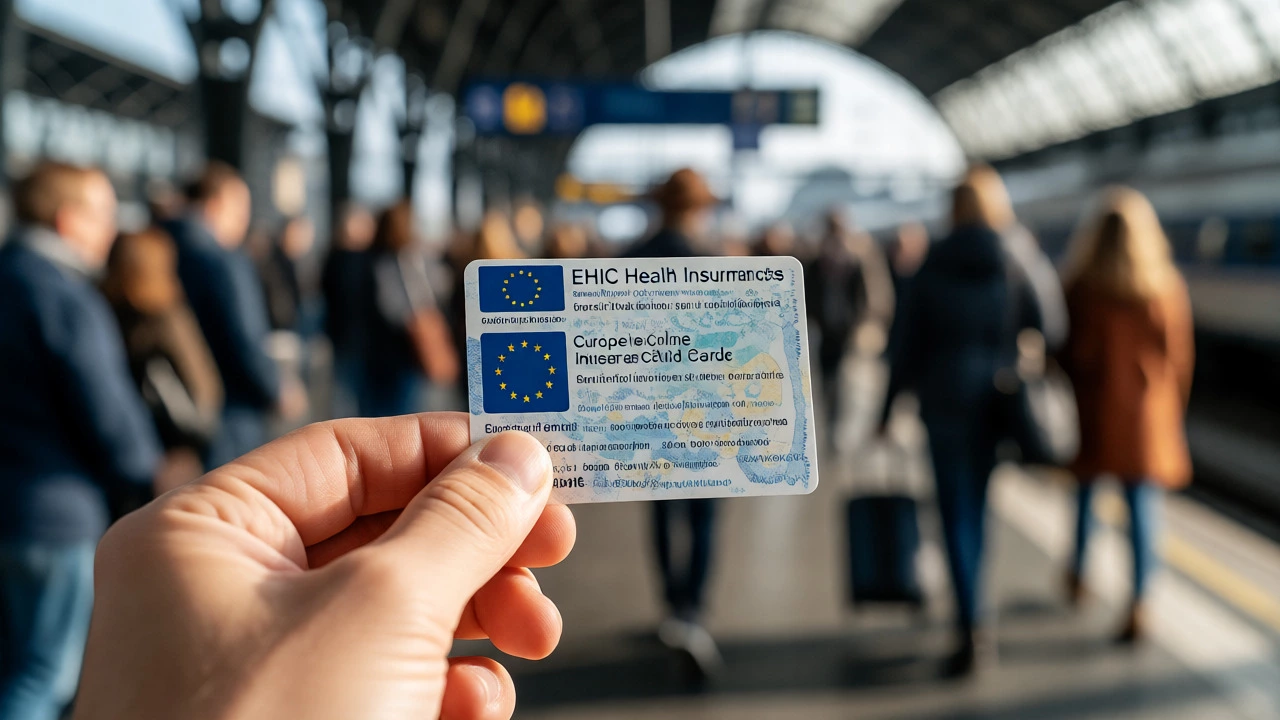
EU citizens have it easier thanks to the European Health Insurance Card (EHIC). This card lets you access medically necessary state-provided healthcare during temporary stays in any EU country, Iceland, Liechtenstein, Norway, or Switzerland. You pay the same amount as a resident would. If a Spaniard pays €10 for a GP visit, you pay €10. If a Brit pays £0, you pay £0.
However, the EHIC does not cover private clinics. If you choose a private hospital in Barcelona for faster service, you’re paying market rates, which can rival US prices. Always check if the facility is public or private.
Waiting Times: The Hidden Cost of Free
Free healthcare often comes with a time tax. The Nordic countries (Sweden, Norway, Denmark) offer excellent, mostly free care for residents. But they also enforce strict referral pathways. You cannot simply book an MRI. You must see a GP, who refers you to a specialist, who then orders the scan. This gatekeeping keeps costs down but slows access.
In contrast, countries like Austria and Switzerland allow more direct access to specialists, but at a higher cost. Switzerland, for instance, has no national health service. Everyone must buy private insurance. It’s expensive (premiums can hit $400/month), but access is fast, and quality is top-tier. It’s not free, but it’s efficient.
Which Country Is Best for Your Needs?
Choosing where to live or retire based on healthcare requires balancing cost, speed, and quality.
| Priority | Best Countries | Why |
|---|---|---|
| Lowest Out-of-Pocket Cost | UK, Spain, Portugal | Tax-funded; minimal fees for standard care. |
| Fast Access to Specialists | Austria, Switzerland, Germany | Insurance-based; less gatekeeping, faster appointments. |
| Highest Quality/Tech | Switzerland, Netherlands, France | High investment per capita; advanced facilities. |
| Best for Chronic Conditions | France, Italy | Strong support networks and medication coverage. |
If you’re healthy and young, the UK or Spain offers incredible value. You pay little, and emergencies are handled well. If you have ongoing health issues requiring frequent specialist visits, the German or French model might save you time, even if you pay higher monthly premiums.
Pitfalls to Avoid
Don’t assume residency equals instant coverage. In many countries, there’s a waiting period before you’re eligible for public benefits. In the UK, for example, you must be "ordinarily resident." Simply renting a flat doesn’t always cut it immediately. You might need to prove you’ve settled in.
Also, beware of "private wings" within public hospitals. In countries like Italy and Spain, some hospitals have private sections. They look identical, but billing differs. Ensure you’re registered as a public patient if you want to avoid charges.
Finally, remember that mental health coverage varies wildly. While physical trauma is universally covered, therapy sessions often have limited caps or require high co-pays, even in "free" systems. Check specific policies for psychiatric care.
Is healthcare really free in Europe?
No, it is not free. It is paid for through taxes or mandatory insurance premiums. For residents, it is often free at the point of service, but you pay indirectly through your salary or taxes.
Do tourists get free healthcare in Europe?
EU citizens with an EHIC card get the same access as locals. Non-EU tourists typically must pay for non-emergency care and may be billed for emergency care depending on the country and hospital policy.
Which European country has the best healthcare?
Rankings vary, but France, Switzerland, and the Netherlands consistently rank highest for overall quality, accessibility, and outcomes. The UK ranks high for equity and low cost.
Is dental care free in Europe?
Rarely. Most European countries exclude routine adult dental care from public coverage or provide only partial subsidies. Major procedures like implants are almost always out-of-pocket.
Can I use my home insurance in Europe?
Travel insurance is recommended. Home insurance rarely covers overseas medical emergencies. Some premium credit cards offer travel medical coverage, but check the limits carefully.
