 Nov, 16 2026
Mental Health Trigger Risk Calculator
Use the sliders below to rate how much each factor affects you right now (0 = No Impact, 10 = Severe Impact). This tool estimates your current vulnerability based on common triggers.
Estimated Mental Health Risk Score
Calculating...Adjust the sliders above to see your personalized risk assessment and recommended actions.
You wake up feeling fine, but by noon, the weight of the world feels heavier. Maybe it’s a comment from a coworker, a notification on your phone, or just the way the rain keeps falling in Auckland for the third day straight. We often think mental health declines are sudden disasters, like a car crash. But usually, they’re more like rust forming on a gate-slow, silent, and easily ignored until the hinges seize up completely.
If you’ve ever wondered what might worsen a person's mental health, you’re asking the right question. It’s rarely one single thing. It’s a cocktail of biological shifts, environmental pressures, and daily habits that slowly erode resilience. Understanding these triggers isn’t about blaming yourself; it’s about spotting the leaks before the boat sinks. Let’s look at what actually drives this decline, backed by psychology and real-life experience, not just vague wellness advice.
The Silent Saboteurs: Sleep and Circadian Rhythms
Let’s start with the most obvious culprit that we all underestimate: sleep. You know you need it, but do you respect it? When you cut corners on rest, you aren’t just tired; your brain loses its ability to process emotional data. During REM sleep, your brain strips the emotional charge from memories. Without enough of this specific sleep stage, yesterday’s minor annoyance becomes today’s major crisis.
This isn’t just about "feeling grumpy." Chronic sleep deprivation disrupts the production of serotonin and dopamine, the neurotransmitters responsible for mood regulation. If you’re scrolling through social media until 2 AM every night, you’re actively starving your brain of the recovery time it needs. The blue light from screens suppresses melatonin, throwing off your circadian rhythm. Over weeks, this creates a feedback loop where poor sleep leads to higher anxiety, which makes it harder to sleep, which leads to worse mental health. It’s a vicious cycle, but breaking it is often the fastest way to feel better.
Social Isolation vs. Digital Connection
We live in an era where we are hyper-connected yet profoundly lonely. Humans are wired for tribe-like connections. When those bonds fray, our mental health pays the price. Loneliness doesn’t just feel sad; it triggers a physiological stress response similar to physical pain. Studies show that chronic loneliness can increase cortisol levels, keeping your body in a constant state of "fight or flight," even when you’re sitting safely on your couch.
Here’s the twist: digital connection often masquerades as real support but lacks the depth needed to buffer stress. A "like" on Instagram gives a tiny dopamine hit, but it doesn’t release oxytocin, the bonding hormone produced during face-to-face interaction or genuine voice conversation. If your primary social outlet is passive consumption of other people’s curated lives, you might be comparing your behind-the-scenes footage to their highlight reel. This comparison trap breeds inadequacy and envy, two potent ingredients for declining mental well-being.
Dietary Inflammation and Gut Health
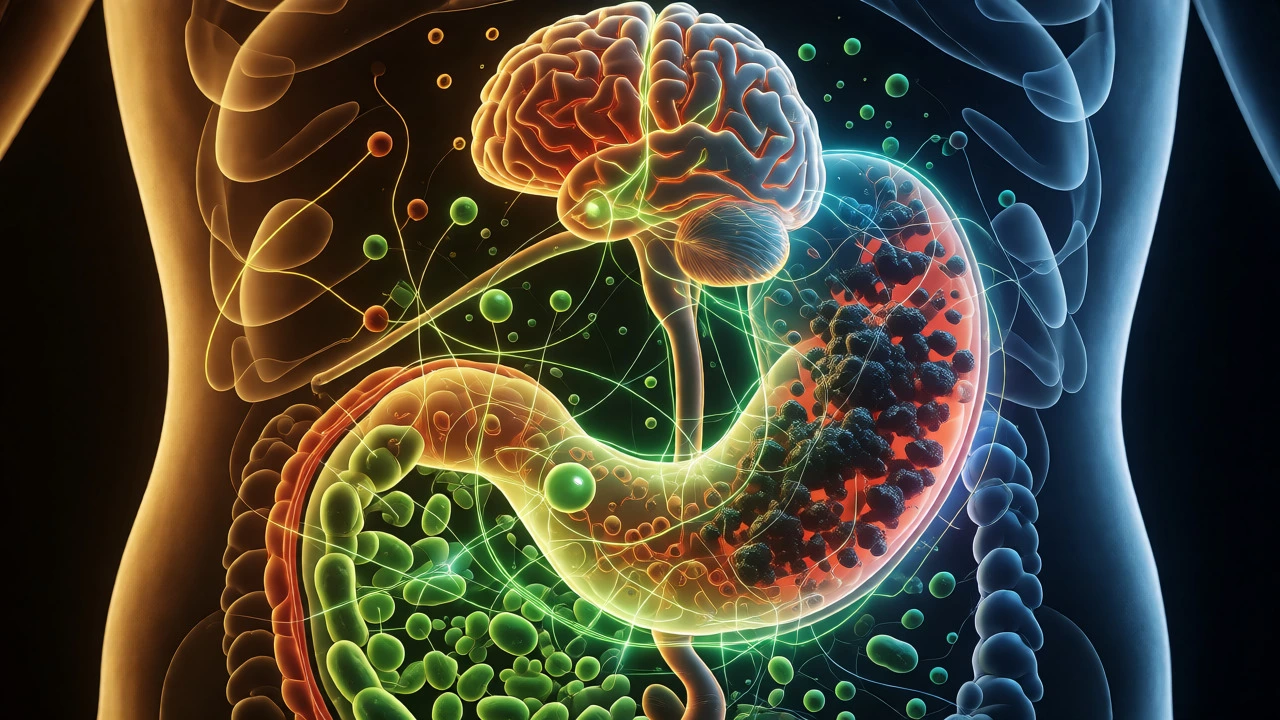
Your gut is often called the "second brain," and there’s serious science behind that nickname. About 90% of your body’s serotonin is produced in the gastrointestinal tract. So, what you eat directly impacts how you feel. Diets high in processed sugars, trans fats, and ultra-processed foods promote systemic inflammation. This inflammation doesn’t just hurt your joints; it crosses the blood-brain barrier and affects neural function.
Think of it this way: if your engine is clogged with sludge, it won’t run smoothly regardless of how much premium fuel you add. Similarly, a diet lacking in omega-3 fatty acids, fiber, and fermented foods can starve your gut microbiome of the diversity it needs to regulate mood. Many people report significant improvements in anxiety and depressive symptoms simply by reducing sugar intake and adding more whole foods. It’s not a cure-all, but it’s a foundational pillar that’s often overlooked in favor of medication or therapy alone.
Chronic Stress and Financial Pressure
Stress is inevitable, but chronic stress is toxic. In New Zealand, housing costs and living expenses have skyrocketed, creating a background hum of financial anxiety for many. This isn’t just "worrying about money"; it’s a persistent threat to survival instincts. When your brain perceives a constant threat (like rent hikes or job insecurity), it shuts down non-essential functions like creativity and long-term planning, focusing solely on immediate survival.
This state of hyper-arousal exhausts your adrenal system. Over time, this leads to burnout, characterized by emotional detachment, cynicism, and reduced performance. Burnout is distinct from depression but often overlaps with it. The key differentiator is that burnout is typically tied to a specific context (usually work or caregiving), whereas depression is pervasive. Recognizing the source helps you address it correctly. If it’s burnout, rest and boundary-setting help. If it’s depression, professional intervention is often necessary.
Lack of Physical Movement
Exercise is arguably the most underutilized antidepressant available. You don’t need to run marathons. Even moderate movement, like a brisk 30-minute walk, releases endorphins and brain-derived neurotrophic factor (BDNF). BDNF acts like fertilizer for your brain, promoting the growth of new neurons and strengthening existing connections, particularly in the hippocampus, the area associated with memory and emotion regulation.
When you stop moving, you lose this natural regulatory mechanism. Sedentary lifestyles are strongly correlated with higher rates of anxiety and depression. It’s not just about fitness aesthetics; it’s about metabolic health influencing brain chemistry. If you spend eight hours a day sitting at a desk, your body accumulates tension and stress hormones without a physical outlet to discharge them. Movement completes the stress cycle, allowing your nervous system to return to baseline.

Environmental Factors and Seasonal Changes
Living in Auckland means dealing with gray winters and unpredictable weather. For some, this triggers Seasonal Affective Disorder (SAD), a type of depression related to changes in seasons. Reduced sunlight exposure lowers serotonin levels and disrupts your internal clock. People in higher latitudes or those working indoors all day are particularly vulnerable.
Beyond weather, your immediate environment plays a huge role. Clutter increases cortisol levels because visual chaos signals unfinished tasks to the brain. Noise pollution, poor air quality, and lack of green space also contribute to mental fatigue. Access to nature is a proven buffer against stress. Even ten minutes in a park can lower heart rate and improve mood. If your environment feels chaotic or sterile, it might be silently draining your mental reserves.
Comparison Table: Major Mental Health Triggers
| Trigger Category | Mechanism of Action | Warning Signs | Quick Mitigation |
|---|---|---|---|
| Sleep Deprivation | Disrupts neurotransmitter balance and emotional processing | Irritability, brain fog, increased anxiety | Set a strict bedtime; limit screen time 1 hour before bed |
| Social Isolation | Increases cortisol; reduces oxytocin production | Feelings of loneliness, withdrawal, low self-worth | Schedule regular face-to-face meetups; join local groups |
| Poor Diet | Promotes inflammation; alters gut microbiome | Mood swings, fatigue, cravings | Reduce processed sugar; increase fiber and omega-3s |
| Chronic Stress | Keeps body in fight-or-flight mode; depletes energy | Burnout, insomnia, muscle tension | Practice mindfulness; set work-life boundaries |
| Sedentary Lifestyle | Reduces BDNF and endorphin release | Low energy, sluggishness, depressive symptoms | Incorporate daily walks; stand up regularly |
Key Takeaways
- Sleep is non-negotiable: Poor sleep directly impairs emotional regulation and neurotransmitter function.
- Genuine connection matters: Digital interactions cannot replace the biological benefits of face-to-face social bonding.
- Gut-brain axis is real: Dietary choices significantly impact mood via inflammation and microbiome health.
- Movement regulates stress: Physical activity helps complete the stress cycle and boosts brain plasticity.
- Environment influences mind: Light exposure, clutter, and access to nature play subtle but powerful roles in mental well-being.
Can social media really make my mental health worse?
Yes, especially if used passively. Passive scrolling encourages social comparison, which can lead to feelings of inadequacy and envy. Active engagement, like messaging friends or sharing meaningful content, tends to have a neutral or positive effect. The key is mindful usage rather than total elimination.
How does diet affect anxiety specifically?
High-sugar diets cause rapid spikes and crashes in blood glucose, which can mimic or exacerbate anxiety symptoms like jitteriness and irritability. Additionally, inflammatory foods can affect the gut-brain axis, potentially increasing anxiety levels. Reducing processed foods and stabilizing blood sugar often helps calm anxious responses.
Is exercise mandatory for improving mental health?
While not strictly "mandatory," it is highly effective. Exercise releases endorphins and BDNF, which naturally combat depression and anxiety. Even small amounts of movement, such as a 15-minute walk, can provide immediate mood-lifting benefits. It complements therapy and medication but is rarely a standalone cure for severe conditions.
Why does loneliness feel physically painful?
Neuroscience shows that social rejection and loneliness activate the same brain regions as physical pain. From an evolutionary perspective, isolation meant death, so the brain developed strong distress signals to urge us back into the group. This makes loneliness a tangible, visceral experience, not just an abstract emotion.
Can financial stress cause clinical depression?
Financial stress is a significant risk factor for developing depression. The uncertainty and lack of control associated with money problems can trigger chronic stress responses. While financial issues don't automatically cause clinical depression, they create an environment where it is much more likely to take hold or worsen existing symptoms.
