 Oct, 5 2026
Anti-Inflammatory Medication Finder
This tool helps you understand which class of anti-inflammatory medications might align with your condition based on general medical guidelines. It is not a substitute for professional medical advice.
You wake up with that familiar stiffness in your joints. The ache isn't just annoying; it's a barrier between you and your morning coffee. You pop an over-the-counter pill, but three hours later, the fire is back. It’s frustrating when standard remedies feel like putting a band-aid on a bullet wound. So, you start wondering: what is the strongest anti-inflammatory medication out there? Is there a magic bullet that can finally quiet the noise in your body?
Here is the tricky part: there is no single "strongest" drug for everyone. Inflammation is a complex biological response, and what knocks out a swollen ankle might do nothing for rheumatoid arthritis. However, we can rank these medications by potency, speed of action, and side-effect profiles. If you are dealing with chronic pain, understanding the hierarchy of anti-inflammatories helps you have a smarter conversation with your doctor.
The Hierarchy of Anti-Inflammatory Potency
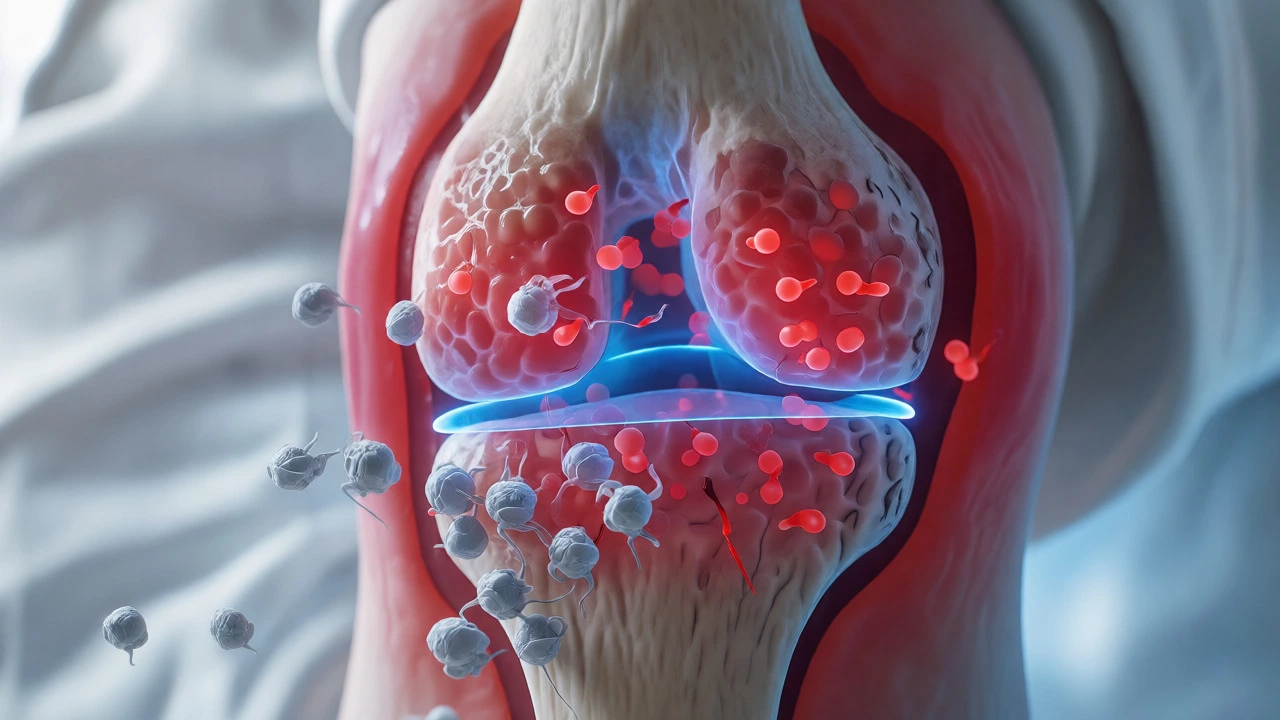
To understand strength, you first need to know what you are fighting. Inflammation is your immune system sending white blood cells to repair tissue. Sometimes, this process gets stuck in overdrive. That is where Non-Steroidal Anti-Inflammatory Drugs (NSAIDs) come in. They block enzymes called COX-1 and COX-2, which produce prostaglandins-the chemicals responsible for pain and swelling.
Among NSAIDs, potency varies wildly. Some are mild, designed for occasional headaches. Others are heavy hitters reserved for severe conditions. But "stronger" doesn't always mean "better." Higher potency often correlates with higher risk, particularly for your stomach and heart. Let’s break down the contenders based on clinical efficacy and real-world usage.
Celecoxib: The Precision Tool
Celecoxib is a selective COX-2 inhibitor. Unlike traditional NSAIDs, it targets only the enzyme involved in inflammation, sparing the one that protects your stomach lining. This makes it highly effective for osteoarthritis and rheumatoid arthritis while reducing gastrointestinal bleeding risks. Doctors often prescribe it when patients cannot tolerate older drugs. Its half-life allows for once or twice-daily dosing, making it convenient for long-term management.
Diclofenac: The Fast-Acting Heavyweight
Diclofenac is widely considered one of the most potent topical and oral NSAIDs available. It penetrates tissue quickly, making it a favorite for acute injuries like sprains or tendonitis. Studies show it provides significant pain relief within an hour. However, its potency comes with a caveat: it carries a higher cardiovascular risk than some alternatives. It is not usually the first choice for elderly patients with existing heart conditions.
Indomethacin: The Old Guard
Indomethacin is an older NSAID known for its extreme potency. It is often used for gout flares and ankylosing spondylitis because it reduces inflammation aggressively. Many patients find it more effective than ibuprofen or naproxen for these specific conditions. The downside? It has a notorious reputation for causing severe headaches and stomach upset. It is rarely used as a first-line treatment today unless other options fail.
Beyond NSAIDs: When Steroids Enter the Chat
If NSAIDs are the infantry, corticosteroids are the air support. They don’t just block pain signals; they suppress the entire immune response. This makes them incredibly powerful, but also dangerous if misused. You cannot simply take prednisone daily for years without consequences like weight gain, bone thinning, and diabetes risk.
| Medication | Type | Potency Level | Primary Use Case | Key Risk Factor |
|---|---|---|---|---|
| Ibuprofen | Non-selective NSAID | Moderate | Mild to moderate pain, fever | Stomach irritation |
| Naproxen | Non-selective NSAID | Moderate-High | Long-lasting relief, menstrual cramps | Cardiovascular strain |
| Diclofenac | Non-selective NSAID | High | Acute injuries, arthritis | Heart attack/stroke risk |
| Celecoxib | Selective COX-2 Inhibitor | High | Chronic arthritis, sensitive stomachs | Cost, cardiac history |
| Prednisone | Corticosteroid | Very High | Severe flare-ups, autoimmune diseases | Hormonal disruption, bone loss |
The Role of Biologics in Modern Treatment
For people with autoimmune-driven inflammation, such as psoriatic arthritis or lupus, even steroids might not cut it. Enter biologics. These are genetically engineered proteins that target specific parts of the immune system. Examples include TNF inhibitors like adalimumab. They are not "painkillers" in the traditional sense; they halt the disease progression itself. While they are arguably the "strongest" intervention for specific conditions, they require injections or infusions and come with high costs and strict monitoring requirements.

How to Choose the Right Strength for Your Body
Choosing the strongest medication isn't about ego; it's about matching the tool to the job. If you have a twisted ankle, Diclofenac gel might be all you need. If you have systemic lupus, Celecoxib won't touch it-you need immunosuppressants. Here is how to navigate the decision tree.
- Assess the Source: Is the pain localized (joint injury) or systemic (whole-body fatigue)? Localized issues respond well to topicals or short-course oral NSAIDs. Systemic issues often require longer-term strategies.
- Check Your History: Do you have ulcers, kidney issues, or high blood pressure? If yes, avoid non-selective NSAIDs like Ibuprofen. Look into Celecoxib or Acetaminophen (which manages pain but not inflammation).
- Evaluate Duration: Are you treating a three-day flare or a ten-year condition? Short bursts allow for stronger drugs like Indomethacin. Long-term use demands safer profiles, even if they feel less "potent" initially.
The Hidden Risks of "Strong" Medications
We often think of medicine as binary: it works or it doesn't. But with anti-inflammatories, the line between help and harm is thin. The FDA has issued black box warnings for many NSAIDs regarding cardiovascular events. A study published in The Lancet highlighted that high doses of Diclofenac and Ibuprofen increased the risk of major vascular events significantly compared to Naproxen.
Kidney function is another silent casualty. Prostaglandins help maintain blood flow to the kidneys. When you block them with strong NSAIDs, you reduce that flow. For healthy young adults, this is reversible. For those over 60 or with pre-existing renal issues, it can lead to acute kidney injury. Always stay hydrated when taking these meds, and never mix them with alcohol, which doubles the gastric stress.

Natural Adjuncts: Can Food Beat Pills?
While turmeric and omega-3 fatty acids aren't as fast-acting as a 50mg dose of Diclofenac, they play a crucial role in lowering baseline inflammation. Curcumin, the active compound in turmeric, inhibits NF-kB, a protein complex that controls DNA transcription. Think of it as turning down the volume on the inflammatory radio station before the main broadcast starts.
Many patients find that combining low-dose pharmaceuticals with dietary changes allows them to reduce their overall medication load. For example, adding fish oil supplements might let you switch from twice-daily Naproxen to once-daily. It is not a replacement for acute care, but it is a powerful partner for chronic management.
Practical Tips for Managing Chronic Inflammation
If you are stuck in the cycle of pain, try these steps before escalating to the strongest drugs available:
- Track Your Triggers: Keep a diary. Does sugar spike your joint pain? Does poor sleep worsen your stiffness? Identifying lifestyle triggers can reduce reliance on medication.
- Use Topicals First: For surface-level pain, gels containing Diclofenac or Ketoprofen offer local relief with minimal systemic absorption. This spares your gut and heart.
- Rotate Mechanisms: Don't just stack NSAIDs. Combine an anti-inflammatory with a different mechanism, such as a muscle relaxant or a nerve-pain agent like Gabapentin, under medical supervision.
- Review Periodically: Every six months, ask your doctor: "Do I still need this dosage?" Tolerance builds, and needs change. Staying on the same high dose indefinitely is rarely necessary.
Is Ibuprofen stronger than Paracetamol?
Yes, for inflammation. Ibuprofen is an NSAID that reduces swelling and redness, whereas Paracetamol (Acetaminophen) only blocks pain signals and lowers fever. If your pain is caused by inflammation, Ibuprofen will generally be more effective.
Which NSAID is safest for the stomach?
Celecoxib is generally safer for the stomach because it selectively blocks COX-2 enzymes, leaving the protective COX-1 enzymes intact. However, it may carry slightly higher cardiovascular risks. Patients with both stomach and heart concerns should consult a specialist.
Can I take two different anti-inflammatories together?
Generally, no. Combining two NSAIDs (like Ibuprofen and Naproxen) increases side effects without providing much extra pain relief. You can often combine an NSAID with Acetaminophen, as they work via different mechanisms, but always check with your pharmacist first.
What is the fastest acting anti-inflammatory?
Liquid formulations of Ibuprofen or Diclofenac tend to act faster than tablets because they absorb more quickly. Injectable steroids provide the fastest and most profound effect for severe flares, but they are administered by a healthcare professional.
Are natural anti-inflammatories as strong as pills?
Not typically for acute pain. Supplements like Turmeric, Ginger, and Omega-3s have modest anti-inflammatory effects. They are best used for prevention and mild chronic maintenance, not for stopping a severe gout attack or post-surgical swelling.
