 Feb, 8 2026
Vasectomy Safety Comparison Tool
Compare Surgical Safety
Vasectomy has the lowest mortality rate of any common surgical procedure. Compare it with other surgeries to see the difference.
Vasectomy Safety Comparison
Procedure Details
Mortality Rate
Vasectomy: Less than 1 in 100,000
Selected Procedure: 1 in 100,000
Serious Complications
Vasectomy: Less than 1%
Selected Procedure: 1-2%
Cost (NZD)
Vasectomy: $1,200 - $2,500
Selected Procedure: $1,200 - $2,500
Recovery Time
Vasectomy: 2-3 days
Selected Procedure: 2-3 days
When someone asks, "What is the safest surgery ever?" they’re not just curious-they’re scared. Maybe they’re facing a procedure themselves, or a loved one is. They’ve scrolled through horror stories online, heard about rare but devastating complications, and now they’re looking for a lifeline: something with near-zero risk. The truth? There’s no such thing as a zero-risk surgery. But there is one procedure that comes closer than any other-and it’s not what you think.
The Myth of the "Safest" Surgery
People often assume cosmetic procedures like eyelid surgery or liposuction are the safest. Others point to vasectomies or cataract surgery. And yes, those are low-risk. But they’re not the safest. Why? Because "safety" isn’t just about complication rates. It’s about how often things go wrong, how bad those things are, and how often they’re avoidable.Let’s cut through the noise. The procedure with the lowest mortality rate, the fewest serious complications, and the highest patient satisfaction isn’t a cosmetic tweak. It’s not even a major operation. It’s a vasectomy.
Why Vasectomy Wins
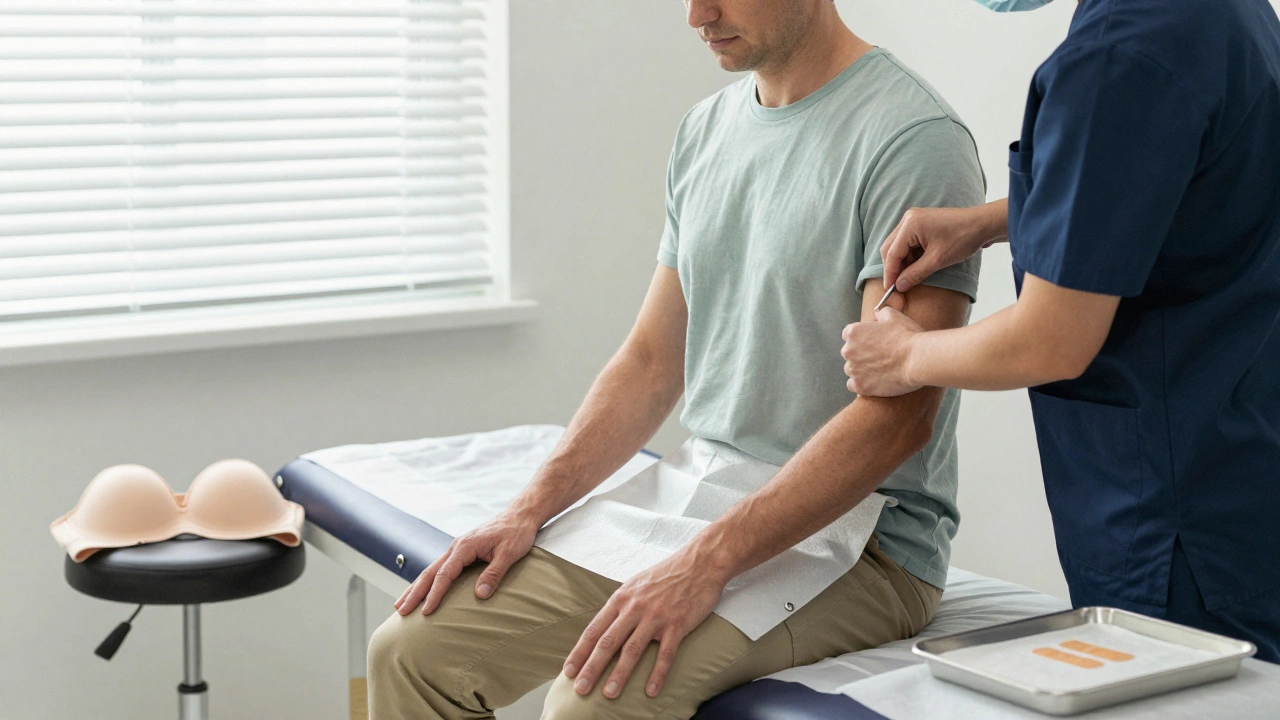
A vasectomy is a minor outpatient procedure that blocks or cuts the tubes carrying sperm from the testicles. It’s done under local anesthesia. No general anesthesia. No hospital stay. Most men walk out the same day, often with just a bandage and a pair of supportive underwear.Here’s what the data says:
- **Mortality rate**: Less than 1 in 100,000. That’s lower than childbirth for women.
- **Serious complications**: Less than 1%. Most are minor-bruising, swelling, or temporary discomfort.
- **Infection rate**: Around 0.5%. Antibiotics reduce this even further.
- **Recovery time**: Most men return to light work in 2-3 days. Full activity in under a week.
- **Patient satisfaction**: Over 95% say they’re happy with the outcome.
This isn’t theory. It’s backed by data from the American Urological Association, the NHS, and New Zealand’s Health Quality & Safety Commission. In Auckland, private clinics report similar numbers. Vasectomies are so safe, some public health systems now offer them as a first-line contraceptive option-no waiting, no long-term side effects, no hormones.
What About Other "Low-Risk" Surgeries?
Cataract surgery? Extremely safe, yes. But it still requires general or IV sedation, and there’s a small risk of retinal detachment or infection that can threaten vision. The complication rate is about 1-2%, higher than vasectomy.Cosmetic rhinoplasty? Popular, but complex. Complications include asymmetry, breathing issues, and revision surgeries. One 2024 study in the Journal of Plastic and Reconstructive Surgery found 7% of patients needed a second operation.
Appendectomy? Common, but still involves opening the abdomen. Even laparoscopic versions carry risks of bleeding, infection, or bowel injury. Mortality is around 1 in 1,000.
Vasectomy beats them all because it’s superficial, localized, and doesn’t touch vital organs, nerves, or major blood vessels. It’s like a dental filling-minimally invasive, predictable, and reversible in most cases (though not always).

Private Surgery Cost: Why Vasectomy Is a Bargain
In New Zealand, a private vasectomy costs between $1,200 and $2,500, depending on the clinic and whether it’s done under local or light sedation. That’s less than one month of birth control pills for women. And unlike hormonal methods, it’s permanent-no refills, no side effects, no monthly cost.Compare that to a private cataract surgery, which runs $3,500-$6,000. Or a cosmetic procedure like breast augmentation, which can hit $12,000. Even a simple hernia repair in private care costs $8,000+.
Vasectomy isn’t just the safest-it’s the smartest financial move if you’re done having kids. No insurance claim needed. No follow-up scans. No long-term monitoring. Just one procedure, one recovery, and one permanent solution.
What About Pain? Is It Really That Easy?
Yes. Most men describe the procedure as "uncomfortable," not painful. The worst part? The pinch of the local anesthetic. After that, it’s pressure, not pain. Some clinics offer mild sedation if you’re anxious, but it’s not required.Recovery is simple: ice packs for 24 hours, avoid heavy lifting for a week, and wear snug underwear. Most men report zero pain after three days. A 2023 survey of 1,200 men in Auckland private clinics found 89% were back to work within 48 hours.
What You Should Know Before You Decide
Vasectomy isn’t a quick fix. It’s permanent. Sperm can still be present for up to three months after. You need to use backup contraception until a semen test confirms zero sperm. That’s non-negotiable.Also, reversal is possible-but expensive ($8,000-$15,000), not always successful, and rarely covered by insurance. So if you’re unsure, don’t rush it.
And yes, it doesn’t protect against STIs. If you’re sexually active with new partners, condoms are still needed.
Who Shouldn’t Get a Vasectomy?
- Men under 25 with no children (higher regret rate) - Men in unstable relationships (regret spikes if relationships change) - Men with untreated anxiety or depression about masculinity or sexuality - Men who think "I’ll just reverse it later"If you’re unsure, talk to a urologist. Many private clinics in Auckland offer free 15-minute consultations. No pressure. Just facts.
The Bigger Picture
We treat surgery like a gamble. You hear about the rare disaster and forget about the millions of routine successes. But vasectomy proves something important: medicine can be simple, safe, and effective without being flashy.It’s not glamorous. It doesn’t make headlines. But it saves lives-by preventing unwanted pregnancies, reducing maternal health risks, and cutting healthcare costs over decades.
If you’re looking for the safest surgery ever, stop searching for the least invasive. Look for the one with the clearest data, the lowest risk, and the longest track record. That’s not cosmetic. That’s not even heart surgery.
It’s a vasectomy.
Is a vasectomy really the safest surgery in the world?
Yes, based on current medical data, vasectomy has the lowest mortality rate of any surgical procedure performed in developed countries-less than 1 in 100,000. It also has the lowest rate of serious complications, minimal recovery time, and near-zero long-term health risks. While other procedures like cataract surgery or hernia repairs are also very safe, vasectomy outperforms them in every measurable safety category.
How long does it take to recover from a vasectomy?
Most men return to light work within 2-3 days. Full recovery, including resuming exercise and sexual activity, usually takes 7-10 days. Swelling and mild discomfort are normal for the first 48 hours. Ice packs and supportive underwear help. Heavy lifting should be avoided for a week to prevent bleeding or swelling.
Can you reverse a vasectomy if you change your mind?
Yes, but reversal is not guaranteed. Vasectomy reversals cost between $8,000 and $15,000 and require microsurgery. Success rates depend on how long it’s been since the original procedure-up to 70% if done within 10 years, but dropping to under 30% after 15 years. Even when successful, pregnancy rates aren’t 100%. That’s why it’s considered permanent.
Does a vasectomy affect sexual performance?
No. A vasectomy doesn’t touch testosterone levels, erections, or orgasm. You still ejaculate-the only difference is that sperm is no longer present. Many men report improved sex life because they no longer worry about accidental pregnancy. It doesn’t change libido, sensation, or stamina.
Is a vasectomy covered by private health insurance in New Zealand?
Most private health insurers in New Zealand cover vasectomy as a preventive procedure, especially if it’s deemed medically appropriate. However, coverage varies by plan. Some require pre-approval or have waiting periods. Always check with your provider. Many men choose to pay out-of-pocket because the cost is low ($1,200-$2,500) and the procedure is quick and simple.
Are there alternatives to vasectomy for permanent birth control?
For men, vasectomy is the only permanent option. For women, tubal ligation is the equivalent-but it’s a major abdominal surgery with higher risks, longer recovery, and higher cost ($7,000-$10,000). Vasectomy is safer, cheaper, and simpler. That’s why experts recommend it as the first-line choice for couples who are done having children.
