 Jan, 11 2026
Chronic Pain Relief Calculator
Discover how your consistent efforts with evidence-based pain management techniques could reduce your pain levels. Based on clinical studies from the American College of Physicians and Journal of the American Medical Association.
Estimated Pain Reduction
Your current pain score: 7.0
Estimated improvement in 3 months: 37%
Estimated final score: 4.4
Based on clinical studies: 150+ minutes of exercise weekly reduces pain by 37%, CBT improves function by 28%, and consistent application is critical for long-term results.
When you live with chronic pain, every day feels like a battle. The kind of pain that doesn’t go away after an injury heals, that lingers for months or years, that makes simple tasks like getting out of bed or walking to the mailbox feel impossible. You’ve tried ice packs, stretches, over-the-counter pills, and maybe even acupuncture. But nothing gives you real, lasting relief. So you ask: What is the No. 1 for pain relief? The answer isn’t a single pill, a miracle device, or a quick fix. It’s a combination - and the most effective one is backed by decades of clinical research and real-world results.
There’s No Magic Bullet - But There Is a Proven Approach
Many people search for the ‘No. 1’ pain relief solution hoping for a silver bullet. They want one thing that works every time. But chronic pain isn’t a broken lightbulb you can swap out. It’s a complex signal from your nervous system that’s gone haywire. The body’s pain pathways become oversensitive, so even mild pressure or movement triggers intense discomfort. That’s why single treatments - even strong opioids - often fail in the long run.
According to the American College of Physicians and the CDC, the most effective treatment for chronic pain isn’t a drug. It’s multimodal pain management. That means combining several evidence-based approaches that target pain from different angles: physical, neurological, psychological, and lifestyle.
What Actually Works - The Core Components
Studies published in The Lancet and the Journal of the American Medical Association consistently show that the most successful chronic pain programs include these four pillars:
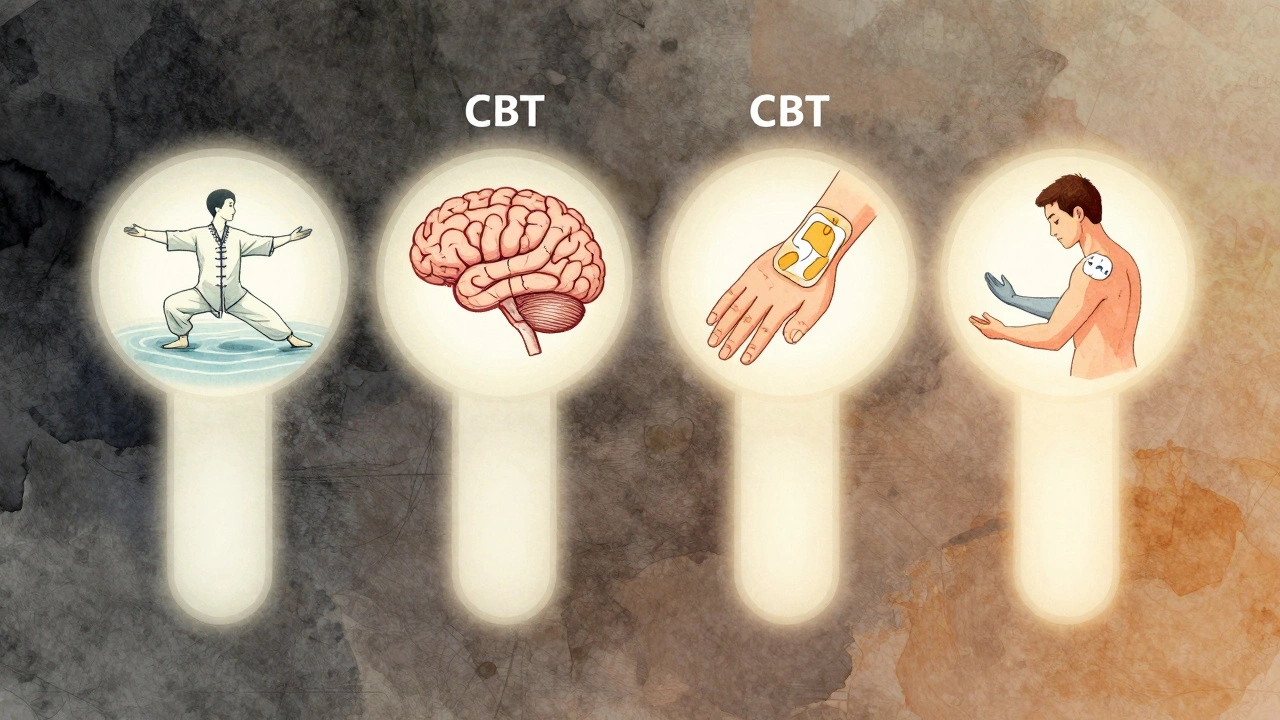
- Exercise and movement therapy - Not just walking. Targeted programs like tai chi, aquatic therapy, or graded motor imagery help retrain the nervous system. A 2023 meta-analysis found that people who did 150 minutes of moderate exercise per week reduced pain intensity by 37% on average.
- Cognitive Behavioral Therapy (CBT) - This isn’t ‘just thinking positive.’ CBT teaches you how your brain interprets pain signals. It helps break the cycle of fear → avoidance → more pain. A 2022 trial showed CBT reduced pain-related disability more effectively than opioid prescriptions over 12 months.
- Non-opioid medications - When needed, the best options are low-dose antidepressants like amitriptyline or SNRIs like duloxetine. These don’t just treat depression - they modulate pain signals in the spinal cord. Topical lidocaine patches and capsaicin creams also work well for localized nerve pain.
- Physical therapy with a pain specialist - General PT won’t cut it. You need someone trained in pain neuroscience. They’ll use manual therapy, nerve glides, and progressive loading to gently restore function without triggering flare-ups.
One patient, Maria, 58, had lower back pain for seven years. She’d tried injections, muscle relaxants, and even a spinal stimulator. Nothing stuck. Her turning point? A 12-week program combining twice-weekly physical therapy, daily 20-minute walks, and weekly CBT sessions. After three months, she stopped using painkillers entirely. Her pain score dropped from 8/10 to 3/10. She now gardens, plays with her grandkids, and sleeps through the night.
Why Opioids Aren’t the Answer - Even If They’re Prescribed
It’s tempting to think strong painkillers are the top solution. After all, they’re widely prescribed. But opioids don’t treat chronic pain - they mask it. And the cost is high.
According to the CDC, long-term opioid use for chronic pain increases the risk of addiction by 30% after just three months. More than 70% of patients on opioids for over a year report no meaningful improvement in function or quality of life. The 2024 guidelines from the National Institute for Health and Care Excellence (NICE) now strongly advise against starting opioids for chronic non-cancer pain.
Even when they work short-term, opioids create a dependency loop: you need more to get the same effect, and stopping causes worse pain than before. That’s not relief - it’s a trap.
What About Alternative Therapies?
Acupuncture, CBD oil, massage, and supplements like turmeric get a lot of attention. Some help - but only as sidekicks, not stars.
- Acupuncture - May reduce pain intensity by 15-20% for some people, especially with osteoarthritis or migraines. It’s safe and worth trying if you’re open to it.
- CBD oil - Evidence is mixed. A 2025 review found no significant benefit over placebo for most chronic pain types, except possibly nerve pain. Quality control is a huge issue - many products don’t contain what’s on the label.
- Meditation and mindfulness - These aren’t fluff. Brain scans show they reduce activity in the pain-processing areas of the brain. Just 10 minutes a day can lower perceived pain levels.
None of these should replace the core four pillars. But used alongside them, they can add comfort and peace of mind.
The Real No. 1: Consistency Over Quick Fixes
The biggest mistake people make? They quit too soon. Pain relief isn’t linear. You’ll have good days and bad days. Progress looks like this: you go from needing a cane to walking without one. From sleeping 3 hours to 6. From dreading Mondays to planning a weekend trip.
The No. 1 treatment for chronic pain is showing up - every day - with a plan. It’s doing your stretches even when you’re sore. It’s calling your therapist when you’re discouraged. It’s choosing movement over stillness, even when it’s hard.
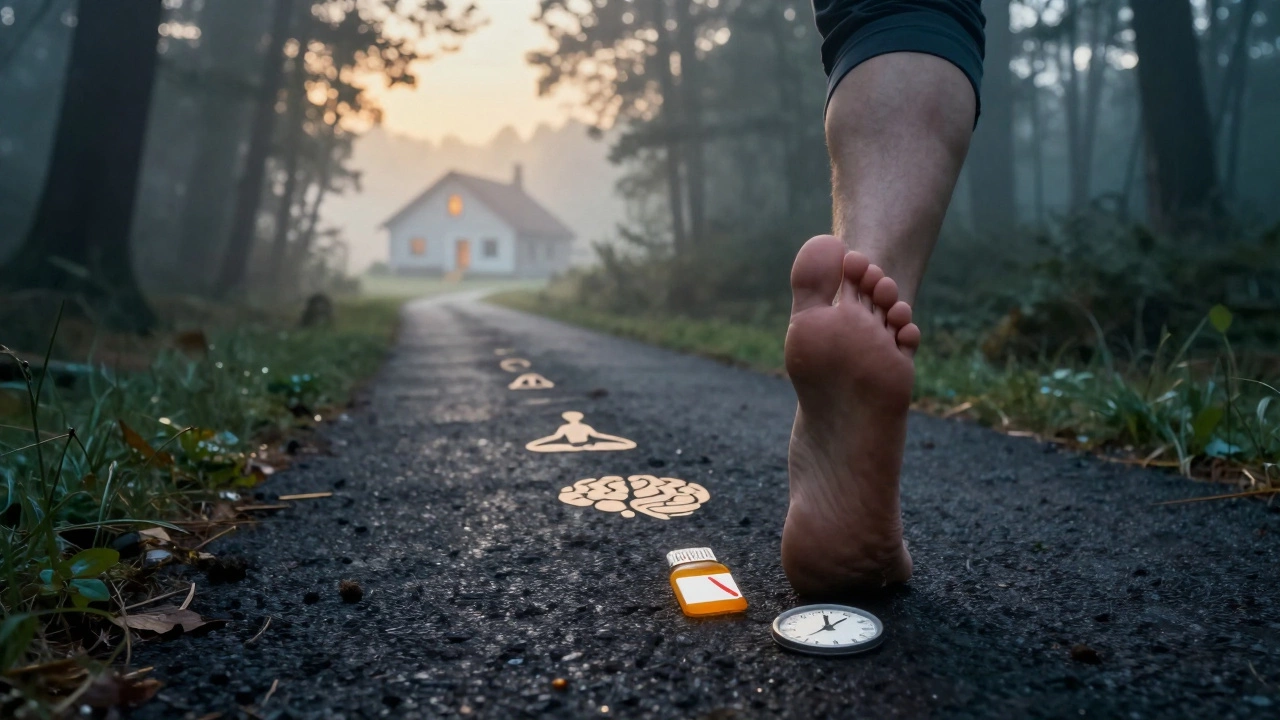
There’s no magic pill. But there is a path - and it’s open to anyone willing to walk it, one step at a time.
What to Do Next
If you’re struggling with chronic pain, here’s your starter plan:
- Find a physical therapist trained in pain neuroscience - not just sports rehab.
- Ask your doctor about duloxetine or amitriptyline if you haven’t tried them.
- Start a daily 10-minute mindfulness practice using a free app like Insight Timer.
- Track your pain and activities in a simple journal. Note what makes it better or worse.
- Eliminate one opioid or NSAID you’re taking without medical supervision.
You don’t need to fix everything at once. Just start with one thing. Then add another. Progress builds slowly - but it lasts.
Is there a single best medication for chronic pain?
No. There’s no single medication that works best for everyone. For many, low-dose antidepressants like duloxetine or amitriptyline are more effective long-term than NSAIDs or opioids. Topical treatments like lidocaine patches help with localized nerve pain. But medication alone rarely solves chronic pain - it’s most effective when combined with movement, therapy, and lifestyle changes.
Can chronic pain ever go away completely?
For some, yes - especially if the underlying cause is addressed early. But for most, chronic pain becomes a condition to manage, not eliminate. The goal isn’t zero pain - it’s reducing pain enough to live fully. Many people learn to live with mild discomfort while regaining mobility, sleep, and joy in daily life.
Why do some doctors still prescribe opioids for chronic pain?
Some doctors prescribe opioids out of habit, lack of training in pain neuroscience, or pressure from patients expecting quick fixes. But guidelines from the CDC, NICE, and the American College of Physicians now strongly discourage long-term opioid use for non-cancer chronic pain. The risks - addiction, tolerance, and worsening pain sensitivity - far outweigh the benefits for most people.
How long does it take to see results from non-drug treatments?
Most people notice small improvements in 4-6 weeks - better sleep, less stiffness, more energy. Meaningful changes in pain levels and function usually take 3-6 months. It’s slow because you’re rewiring your nervous system, not just masking symptoms. Patience and consistency are the real keys.
Is exercise safe if my pain is severe?
Yes - but it has to be the right kind. You don’t need to push through sharp pain. Gentle, guided movement like water therapy, tai chi, or seated stretches can reduce sensitivity over time. A pain-specialized physical therapist will design a plan that respects your limits while helping you slowly rebuild tolerance. Avoiding movement makes pain worse - but pushing too hard can trigger flare-ups.
What’s the most important thing to avoid when managing chronic pain?
Avoiding movement out of fear. The biggest trap is believing pain means damage. In chronic pain, pain often doesn’t match tissue damage. Staying still leads to muscle weakness, joint stiffness, and increased sensitivity - which makes pain worse. The goal is to move within your tolerance, not wait for pain to disappear before acting.
Final Thought: You’re Not Broken
Chronic pain doesn’t mean your body is failing. It means your nervous system is stuck in overdrive. That’s fixable - not with a pill, but with time, patience, and the right support. The No. 1 treatment isn’t a product you buy. It’s a practice you build. And you’re already on the path just by asking the question.
