 Jun, 7 2026
Private Surgery Cost Breakdown Estimator
Configure Your Procedure
Estimated Total Cost
Cost Breakdown
Walk into any modern hospital, and you are surrounded by machines that look like they belong on a spaceship. There are monitors beeping, arms moving with robotic precision, and scanners humming quietly in the background. If you have ever wondered what drives up the bill for your private surgery cost, or just curious about where all that money goes, the answer might surprise you. It isn’t the surgeon’s salary. It isn’t even the fancy bed you sleep in. The most expensive single item in a hospital is usually a piece of high-tech imaging or surgical equipment.
Specifically, we are talking about devices like the Da Vinci Surgical System or a high-end MRI scanner. These machines can cost anywhere from $1 million to over $2 million upfront. But the price tag doesn’t stop there. To keep them running, hospitals pay for maintenance contracts, specialized software updates, and highly trained technicians. Understanding these costs helps explain why private healthcare bills look the way they do, especially when you are planning for a major procedure.
The Heavy Hitters: Imaging vs. Robotics
When people ask what the most expensive item in a hospital is, two main contenders usually come up: diagnostic imaging machines and robotic surgical systems. Both are essential, but they serve very different purposes. Let’s break down the costs so you can see exactly where the money goes.
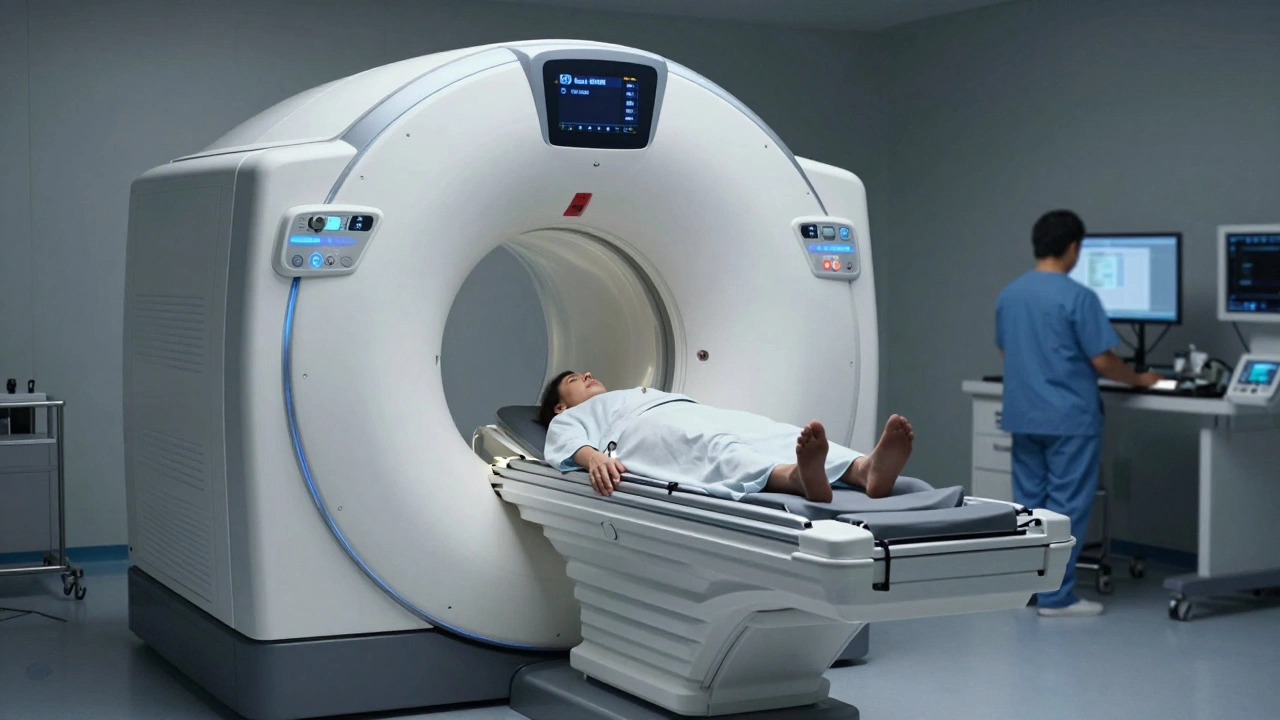
First, there is the Magnetic Resonance Imaging (MRI) machine. An MRI uses powerful magnets and radio waves to create detailed images of the organs and tissues in your body. A standard MRI scanner costs between $750,000 and $3 million, depending on the strength of the magnet and the brand. High-field MRIs, which provide sharper images for complex neurological or orthopedic issues, sit at the top end of that range. But buying the machine is just the start. Hospitals must install it in a shielded room to prevent interference, which adds significant construction costs. Plus, the machine requires constant cooling with liquid helium, which is expensive to replenish if there is a leak.
Then there is the Positron Emission Tomography (PET) scanner, often combined with a CT scan. A PET/CT hybrid system can cost upwards of $2.5 million. These are crucial for cancer detection and monitoring because they show how tissues are functioning metabolically, not just their structure. For a patient undergoing oncology treatment, this machine is vital, but its presence in a facility significantly raises the overhead costs that eventually factor into billing structures.
| Equipment Type | Estimated Purchase Price | Annual Maintenance Cost | Primary Use Case |
|---|---|---|---|
| Da Vinci Surgical System | $1.5 million - $2.5 million | $100,000 - $200,000 | Minimally invasive surgeries |
| High-Field MRI Scanner | $1 million - $3 million | $150,000 - $300,000 | Detailed soft tissue imaging |
| PET/CT Hybrid Scanner | $2 million - $3.5 million | $200,000 - $400,000 | Cancer detection and staging |
| Hybrid Operating Room | $5 million - $10 million+ | $500,000+ | Complex cardiac and vascular procedures |
The Robotic Revolution: Why Surgeons Love the Da Vinci
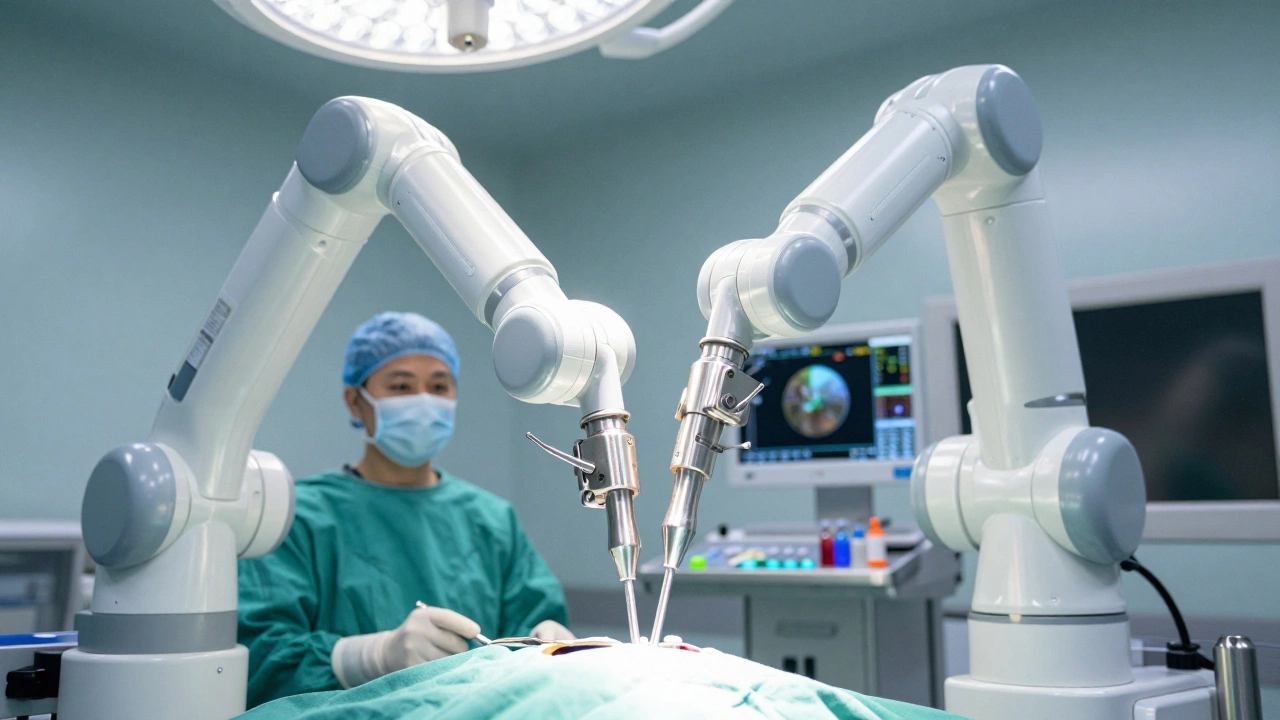
If you are researching private surgery cost, you will likely encounter the term "robotic-assisted surgery." This is almost always referring to the Da Vinci Surgical System. Developed by Intuitive Surgical, this robot has become the gold standard for minimally invasive procedures like prostatectomies, hysterectomies, and heart valve repairs.
Why is it so popular? Because it allows surgeons to operate through tiny incisions with greater precision, flexibility, and control than human hands alone can offer. The surgeon sits at a console, viewing a high-definition 3D image of the patient’s internal anatomy. Their hand movements are translated into smaller, more precise movements by the robot’s wristed instruments inside the patient’s body.
However, this technology comes at a steep price. As noted in the table above, purchasing a Da Vinci system costs between $1.5 million and $2.5 million. But the purchase price is only part of the story. Intuitive Surgical operates on a "razor-and-blades" business model. The hospital buys the expensive robot (the razor), but then pays for disposable instruments (the blades) for every single surgery. Each set of instruments can cost $1,500 to $5,000, and they cannot be reused. Additionally, hospitals sign annual service contracts that can exceed $100,000 per year to ensure the robot is calibrated and ready to go at a moment’s notice.
For patients, this means that while robotic surgery might lead to shorter hospital stays and less pain recovery, the upfront cost of the procedure is higher. Private insurers and self-paying patients often bear this difference. In New Zealand, for example, where public health services cover many basics, opting for private robotic surgery involves paying for both the surgeon’s fee and the facility’s amortization of this expensive equipment.
Beyond Single Items: The Hybrid Operating Room
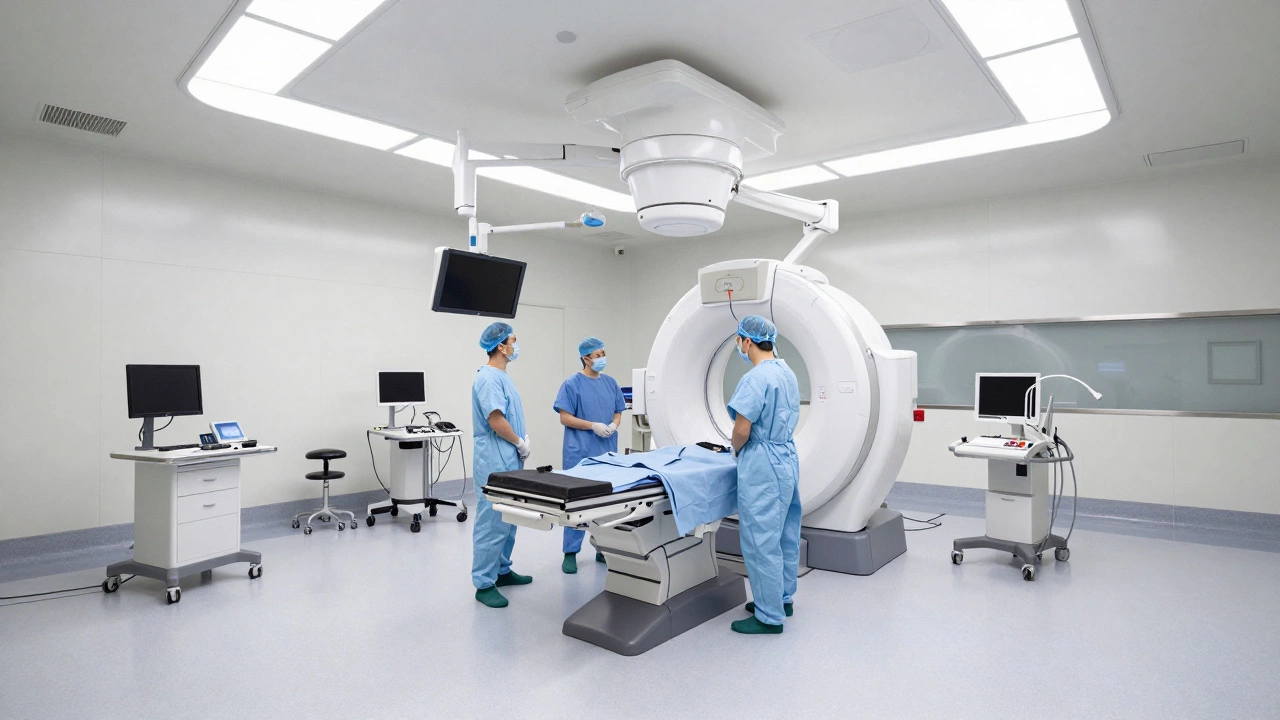
While a single MRI or robot is expensive, the most costly "item" in a hospital is actually a room. Specifically, the Hybrid Operating Room. These are advanced operating theaters equipped with built-in imaging technology, such as C-arm X-rays, CT scanners, or even angiography suites, directly integrated into the surgical environment.
A fully equipped Hybrid OR can cost between $5 million and $10 million to build and outfit. Why would a hospital spend that much? Because it allows surgeons to perform complex procedures-like open-heart surgery or intricate vascular repairs-and immediately check their work using live imaging without moving the patient. This reduces risk and improves outcomes for critical cases.
The cost includes not just the machinery, but the architectural changes needed. Lead lining for radiation protection, specialized ventilation systems, and reinforced floors to support heavy equipment all add up. When you understand that a single room costs as much as a luxury house, it becomes clearer why hospital fees are structured the way they are. The infrastructure itself is a massive financial burden that facilities must recoup.
How Equipment Costs Impact Your Private Surgery Bill
You might be wondering, "So what? How does a $2 million robot affect my bill?" The connection is direct. Hospitals need to recover the capital expenditure (CapEx) and operational expenditure (OpEx) of these assets. Here is how those costs trickle down to you as a patient:
- Facility Fees: When you book a private surgery, you pay a facility fee. This covers the use of the operating room, nursing staff, anesthesia, and equipment. If the hospital uses a Da Vinci robot or a high-end imaging suite, that fee increases to cover the depreciation and maintenance of those tools.
- Surgeon’s Choice: Some surgeons prefer specific technologies. If your specialist insists on using a particular laser system or robotic platform, you may face higher out-of-pocket costs if your insurance doesn’t fully cover that specific technology.
- Diagnostic Pre-requisites: Before surgery, you likely need scans. An MRI or CT scan is rarely free in the private sector. These tests are necessary to plan the surgery safely, but they represent another line item on your invoice, driven by the cost of the imaging hardware.
In Auckland, where private healthcare competes with robust public options, clinics must balance offering cutting-edge technology with keeping prices accessible. Many private providers transparently list their equipment capabilities, allowing patients to choose between standard laparoscopic surgery (cheaper, slightly longer recovery) and robotic assistance (more expensive, potentially faster recovery).
Maintenance and Hidden Costs
Buying the machine is just the beginning. The ongoing cost of ownership is staggering. Medical equipment manufacturers require strict adherence to maintenance schedules. A missed calibration on an MRI machine could result in blurry images, leading to misdiagnosis. A malfunctioning robotic arm during surgery could be catastrophic.
Hospitals typically pay for comprehensive service agreements. For a Da Vinci system, this might include 24/7 technical support, regular software patches, and preventive maintenance visits. These contracts often run into six figures annually. Furthermore, medical devices have a lifespan. An MRI magnet might last 10-15 years, but the electronics and software become obsolete much faster. Upgrading components mid-life cycle adds another layer of expense.
There is also the human element. You cannot just plug in an MRI machine and expect a radiologist to operate it. Technologists need specialized training. Surgeons need simulation time to learn the Da Vinci console. This training represents a significant investment in human capital, which is factored into the overall cost structure of private healthcare delivery.
What About Pharmaceuticals?
It is worth noting that while individual pieces of equipment are expensive, some drugs can rival them in total annual spend for a hospital. Biologic therapies for conditions like rheumatoid arthritis or certain cancers can cost tens of thousands of dollars per dose. However, per unit, no drug matches the price of a surgical robot or an MRI scanner. The question asks for the "most expensive item," implying a singular asset, which keeps the focus on hardware rather than consumable inventory.
Making Informed Decisions for Your Health
Understanding that the most expensive items in a hospital are high-tech machines empowers you to ask better questions during your consultation. Don’t hesitate to ask your surgeon:
- "Will my procedure require specialized equipment like a robotic system?"
- "Is this technology medically necessary for my case, or is it a preference?"
- "How does the choice of equipment impact my out-of-pocket costs?"
In the context of private surgery, transparency is key. You are paying for expertise, safety, and technology. Knowing that a portion of your fee goes toward maintaining a $2 million robot helps demystify the billing process. It shifts the perspective from seeing high costs as arbitrary markups to understanding them as investments in precision medicine and improved patient outcomes.
Whether you are dealing with a routine issue or a complex condition, being informed about the economics of healthcare allows you to navigate the system with confidence. The next time you hear the hum of an MRI or see the sleek design of a surgical robot, remember: you are looking at one of the most valuable assets in the building, working hard to ensure your best possible outcome.
Is the Da Vinci robot actually safer than traditional surgery?
Research shows that robotic-assisted surgery often results in less blood loss, lower infection rates, and shorter hospital stays compared to traditional open surgery. However, it is not inherently "safer" for every procedure. The skill of the surgeon remains the most critical factor. For some complex cases, the precision of the robot offers a clear advantage, but for simpler procedures, the added cost may not justify marginal benefits.
Do I have to pay extra if my surgeon uses a robot?
In many private healthcare settings, yes. The facility fee often increases to cover the use of the robotic system and its disposable instruments. Additionally, some insurance plans may have specific coverage limits for robotic surgery. It is crucial to check with your provider and insurer beforehand to understand any potential co-pays or deductibles associated with this technology.
Why are MRI scans so expensive?
MRI scans are expensive due to the high initial cost of the machine ($1-3 million), the need for specialized shielding and installation, the consumption of liquid helium for cooling, and the rigorous maintenance required. Furthermore, a radiologist must interpret the images, adding professional fees. The complexity of the technology ensures that the cost per scan remains high to sustain the operation of the facility.
What is a Hybrid Operating Room?
A Hybrid Operating Room is a specialized surgical suite that combines traditional operating theater capabilities with advanced imaging technology, such as CT or angiography. This allows surgeons to perform operations and obtain real-time images without transferring the patient. These rooms are among the most expensive assets in a hospital, costing up to $10 million to equip, but they significantly improve outcomes for complex cardiac and vascular surgeries.
How does equipment cost affect public vs. private healthcare?
In public healthcare, equipment costs are covered by government funding, which can lead to waiting lists if resources are stretched. In private healthcare, these costs are passed on to patients or insurers through higher fees. Private facilities often invest in newer, more expensive technology to attract patients seeking faster access and advanced care options, whereas public hospitals may prioritize volume and essential care with older, reliable equipment.
