 Jun, 25 2026
Mental Health Severity & Daily Impact Calculator
Estimate the daily burden of severe mental health conditions based on symptom intensity, treatment complexity, and social isolation.
Daily Burden Assessment
Key Challenges for :
There is no single answer to which mental illness is the "hardest" to live with. That’s because suffering isn’t a competition, and pain doesn’t follow a standardized scale. For one person, the relentless anxiety of panic attacks might feel like the end of the world. For another, the social isolation of schizophrenia or the emotional chaos of Borderline Personality Disorder (BPD) might be the daily reality.
However, when clinicians, researchers, and patients discuss severity, they usually look at three factors: how much the condition disrupts daily life, how difficult it is to treat, and the risk of self-harm. Conditions like Schizophrenia, a chronic brain disorder that affects how a person thinks, feels, and behaves, Treatment-Resistant Depression, and BPD often top these lists due to their profound impact on functioning and the complexity of managing them.
The Burden of Schizophrenia
Schizophrenia is frequently cited as one of the most debilitating mental health conditions. It’s not just about hearing voices; it’s a fundamental restructuring of how a person perceives reality. The World Health Organization consistently ranks schizophrenia among the leading causes of disability worldwide.
The difficulty lies in the combination of positive symptoms (hallucinations, delusions) and negative symptoms (loss of motivation, flat affect, social withdrawal). While medication can help manage the hallucinations, the negative symptoms are notoriously hard to treat. A person might stop cleaning their home, lose interest in hobbies, or struggle to maintain employment, not because they are lazy, but because their brain is struggling to generate the drive to act.
- Cognitive Decline: Many individuals experience issues with memory, focus, and executive function, making simple tasks like paying bills overwhelming.
- Social Stigma: The fear and misunderstanding surrounding psychosis lead to deep isolation. Friends and family may pull away, leaving the individual without a support network.
- Treatment Complexity: Finding the right antipsychotic medication often involves trial and error, with side effects ranging from weight gain to tremors.
Living with schizophrenia requires a massive infrastructure of support-family, therapists, psychiatrists, and often housing assistance. Without this, the quality of life drops significantly.
Treatment-Resistant Depression: The Invisible Weight
Depression is common, but Treatment-Resistant Depression (TRD), depression that does not improve after two or more standard antidepressant trials is a different beast entirely. Roughly 30% of people with major depressive disorder fall into this category.
Imagine feeling a crushing sense of hopelessness that refuses to lift, even when you do everything "right." You take the medication. You go to therapy. You exercise. Yet, the fog remains. This lack of response can lead to a secondary layer of despair: the belief that you are broken beyond repair.
The hardest part of TRD is the erosion of identity. Over time, the depression becomes who you are. People report losing years of their lives to bed-bound inertia. Unlike acute crises that come and go, TRD is a slow, grinding exhaustion. It makes basic survival-showering, eating, speaking to others-feel like climbing a mountain in snowshoes.
Borderline Personality Disorder: Emotional Turmoil
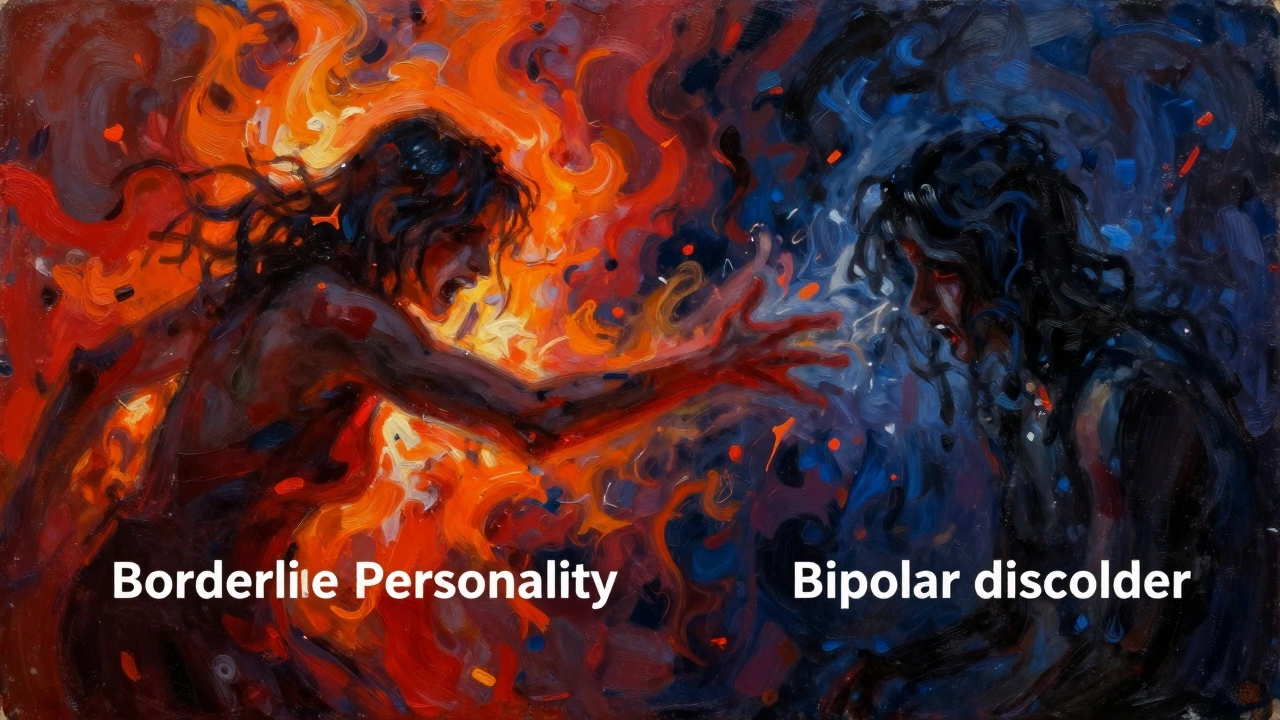
If schizophrenia disconnects you from reality, Borderline Personality Disorder (BPD), a condition characterized by unstable moods, behavior, and relationships connects you to reality too intensely. People with BPD often describe their emotions as being ten times stronger than everyone else’s.
The core struggle in BPD is emotional dysregulation. A minor criticism can feel like a catastrophic betrayal. Abandonment fears are visceral and immediate. This leads to a cycle of intense relationships, impulsive behaviors, and frequent feelings of emptiness.
Historically, BPD was considered untreatable, which added to the stigma. Today, therapies like Dialectical Behavior Therapy (DBT) have shown great success. However, the path to stability is rocky. Patients often face judgment from healthcare providers who label them as "difficult," leading to gaps in care. The internal experience is one of constant war between wanting connection and fearing it.
Bipolar I Disorder: The Rollercoaster
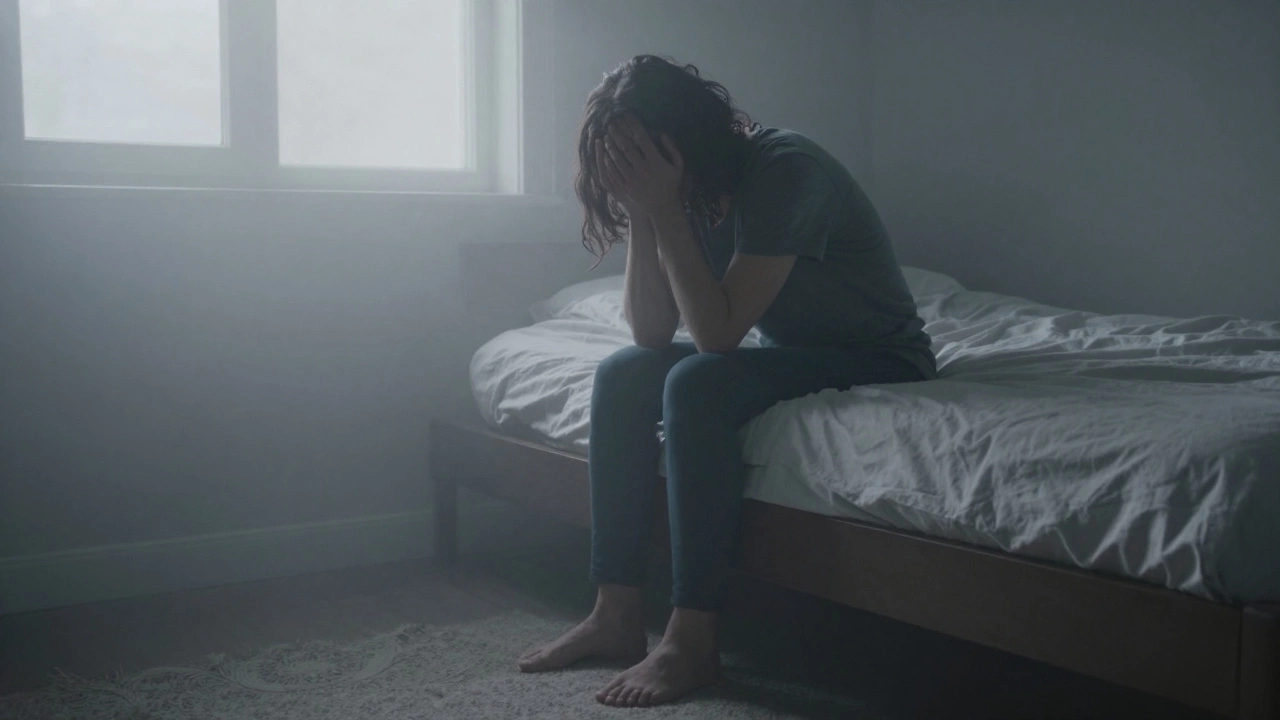
Bipolar I Disorder, a mental health condition defined by extreme mood swings including manic highs and depressive lows presents a unique challenge because of the mania. During a manic episode, a person might feel invincible, sleepless, and euphoric. They might spend their life savings, engage in risky sexual behavior, or make reckless business decisions.
The tragedy of Bipolar I is that the "high" comes before the crash. After mania, the depressive phase is often deeper and more dangerous than typical depression. The cognitive damage from repeated manic episodes can also accumulate over time, affecting memory and decision-making skills.
Managing Bipolar I requires strict adherence to mood stabilizers. Missing doses can trigger an episode within days. The lifestyle constraints are significant: avoiding alcohol, maintaining rigid sleep schedules, and monitoring stress levels constantly. It’s a high-wire act where balance is essential for safety.
Comparing the Challenges
To understand why certain conditions are labeled "harder," we need to look at specific metrics of burden. Here is a comparison of how these disorders impact daily life.
| Condition | Primary Challenge | Treatment Difficulty | Social Impact |
|---|---|---|---|
| Schizophrenia | Loss of contact with reality | High (Side effects, adherence) | Severe isolation |
| Treatment-Resistant Depression | Persistent hopelessness | Very High (Limited options) | Withdrawal, loss of function |
| Borderline Personality Disorder | Emotional instability | Moderate (Requires intensive therapy) | Relationship turmoil |
| Bipolar I Disorder | Mood volatility | High (Lifestyle restrictions) | Unpredictability for loved ones |
The Role of Comorbidity
In the real world, mental illnesses rarely travel alone. The true "hardest" scenario is often comorbidity-having two or more conditions simultaneously. For example, someone with Schizophrenia might also have Substance Use Disorder. Someone with BPD might also suffer from PTSD.
When conditions overlap, treatments can conflict. Medications for one issue might worsen another. Therapists may disagree on the primary focus of care. This fragmentation of care leaves patients navigating a complex system while trying to manage multiple sets of symptoms. The cognitive load of coordinating appointments, medications, and therapies adds a layer of stress that healthy individuals cannot easily comprehend.
Why "Hardest" Is a Misleading Question
Focusing on which illness is the worst can be counterproductive. It creates a hierarchy of pain that minimizes valid suffering. A person with Generalized Anxiety Disorder (GAD) might not have the same level of functional impairment as someone with Schizophrenia, but their daily life can still be paralyzed by fear.
Instead of ranking illnesses, we should look at resilience and support. Two people with the exact same diagnosis can have vastly different outcomes based on:
- Socioeconomic Status: Can they afford consistent care?
- Support Network: Do they have family or friends who understand?
- Access to Care: Are there specialists nearby?
- Early Intervention: Was the condition caught early or left untreated for years?
In New Zealand, for instance, access to public mental health services can involve long waiting lists, pushing many toward private care if they can afford it. In other regions, insurance barriers might prevent necessary hospitalization. These systemic issues often cause more harm than the biological symptoms themselves.
Hope and Management Strategies
No matter the diagnosis, recovery is possible. Recovery doesn’t always mean a cure; it means building a life worth living despite the condition. Here are key strategies that help manage severe mental illness:
- Integrated Care: Seek providers who understand comorbidities. A psychiatrist who works closely with a therapist provides better outcomes than siloed care.
- Lifestyle Foundations: Sleep hygiene, regular exercise, and nutrition are not just "good advice"; they are clinical interventions that stabilize brain chemistry.
- Peer Support: Connecting with others who have similar diagnoses reduces shame. Groups for BPD or Schizophrenia provide practical tips that doctors might miss.
- Crisis Planning: Create a written plan when you are stable. Include emergency contacts, preferred hospitals, and clear signs that you are decompensating.
Technology is also changing the landscape. Apps for mood tracking, telehealth for therapy, and new treatments like Transcranial Magnetic Stimulation (TMS) for depression offer new avenues for those who haven’t responded to traditional methods.
Conclusion
Asking what the hardest mental illness is misses the point. The hardest illness is the one that goes untreated. The hardest situation is the one where you feel alone. Whether it’s the psychosis of schizophrenia, the depth of TRD, or the volatility of BPD, each condition demands respect, resources, and compassion.
If you or someone you know is struggling, reach out. You don’t have to carry the weight of "the hardest" burden by yourself. Professional help, community support, and small daily steps can change the trajectory of your life.
Is schizophrenia curable?
Schizophrenia is currently considered a chronic condition rather than a curable disease. However, many people achieve remission, meaning their symptoms are well-managed and they can live independent, fulfilling lives. Early intervention and consistent medication are key to long-term stability.
What is the difference between Bipolar I and Bipolar II?
The main difference lies in the severity of the high mood episodes. Bipolar I involves full manic episodes that can last at least a week and may require hospitalization. Bipolar II involves hypomania (a less severe form of mania) and major depressive episodes. Neither is "worse" universally, but Bipolar I carries higher risks during manic phases.
Can Borderline Personality Disorder get better with age?
Yes, research suggests that symptoms of BPD often decrease in intensity as people age, particularly after the age of 40. However, this natural improvement is significantly accelerated with proper treatment, such as Dialectical Behavior Therapy (DBT), which teaches emotional regulation skills.
What defines Treatment-Resistant Depression?
Treatment-Resistant Depression (TRD) is typically defined as a failure to respond to at least two different antidepressant medications of adequate dose and duration. If standard therapies fail, doctors may explore alternatives like ketamine therapy, electroconvulsive therapy (ECT), or transcranial magnetic stimulation (TMS).
How does poverty affect mental health severity?
Poverty exacerbates mental health issues by limiting access to quality care, increasing stress, and reducing opportunities for recovery activities like therapy or healthy living environments. Financial strain can prevent individuals from taking time off work to heal or afford necessary medications, making any mental illness significantly harder to manage.
