 Jul, 27 2026
Cosmetic Surgery Difficulty & Recovery Calculator
Estimate the physical burden, recovery timeline, and risk level of various cosmetic procedures based on surgical complexity.
Procedure Analysis
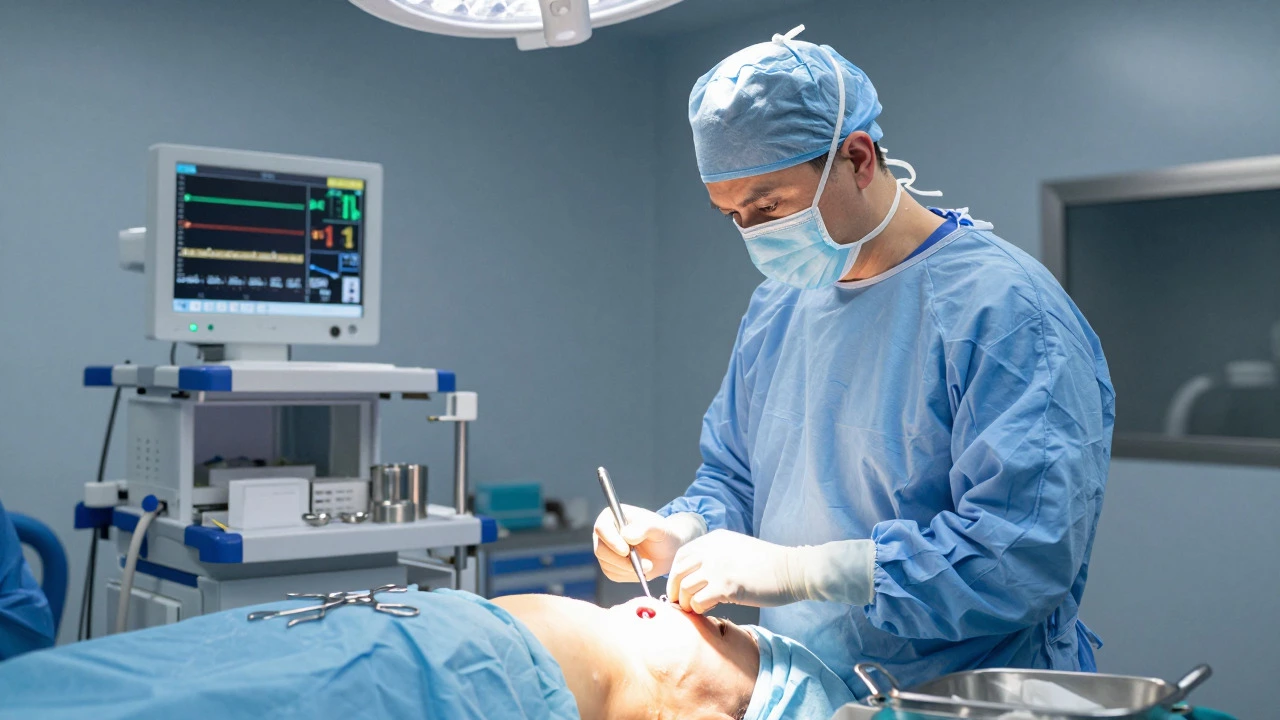
When you ask a surgeon which operation is the "hardest," they usually don't talk about how hard it is for them to hold the scalpel. They talk about how hard it is for *you* to survive it, recover from it, and live with the results. In the world of cosmetic surgery, also known as aesthetic surgery, difficulty isn't just one thing. It’s a mix of surgical complexity, physical trauma, recovery pain, and psychological adjustment.
If we are talking about pure technical difficulty and risk to life, the answer is almost always body contouring, specifically large-volume liposuction combined with tummy tucks (abdominoplasty). But if you mean "which surgery changes your life the most drastically," that might be a full facelift or breast reconstruction. Let’s break down why certain procedures top the list of hardest surgeries, looking at the medical facts, the recovery reality, and what patients in places like the UK actually experience.
The Physical Heavyweights: Body Contouring
Surgeons often point to mommy makeover, which combines breast augmentation or lift with abdominoplasty (tummy tuck) and liposuction. This is widely considered one of the most physically demanding cosmetic procedures. Why? Because it involves multiple body areas simultaneously. You aren't just fixing one spot; you are reshaping your core and chest in a single session that can last six to eight hours.
The sheer volume of fluid shifts during these surgeries creates significant stress on the heart and lungs. During a large-volume liposuction, thousands of milliliters of fat are removed. This process requires tumescent fluid to be injected first, which then enters the bloodstream. Managing this fluid balance is critical. If not done correctly, it can lead to pulmonary edema (fluid in the lungs) or blood clots. The recovery here isn't just soreness; it's mobility issues. Many patients need assistance walking for weeks and wear compression garments around the clock for months.
In the UK, where private healthcare costs are high, patients often choose to combine procedures to save money on anesthesia and facility fees. However, this increases the physiological burden. A standalone tummy tuck is hard. Adding breast surgery makes it significantly harder on the body's healing mechanisms.
The Technical Maze: Face Lifts and Neck Lifts
If body contouring is the marathon, a facelift (rhytidectomy) is the precision bomb disposal. The face is densely packed with nerves, blood vessels, and facial expression muscles. A surgeon has to navigate this minefield to tighten skin and muscle without damaging the ability to smile, frown, or close your eyes.
A full facelift involves lifting the skin off the underlying tissue, repositioning the SMAS (superficial musculoaponeurotic system), and removing excess skin. The risk of nerve injury is real. While temporary numbness is common, permanent damage to the facial nerve can result in paralysis of parts of the face. This makes the procedure technically "hard" because the margin for error is tiny. One slip can change a patient's face forever.
Furthermore, the psychological aspect of a facelift is intense. Unlike a nose job, which you can hide with glasses or makeup for a bit, a facelift leaves you swollen and bruised in the most visible part of your body. Patients often report feeling "unrecognizable" during the first two weeks. The emotional toll of seeing yourself in the mirror while healing adds a layer of difficulty that purely physical surgeries don't have.
The High-Stakes Reconstructive: Breast Reconstruction
We often forget that breast reconstruction falls under the umbrella of aesthetic outcomes, even though it starts as reconstructive surgery after mastectomy. Using DIEP flap surgery, where tissue is moved from the abdomen to the chest, is arguably one of the most complex microsurgical procedures performed today.
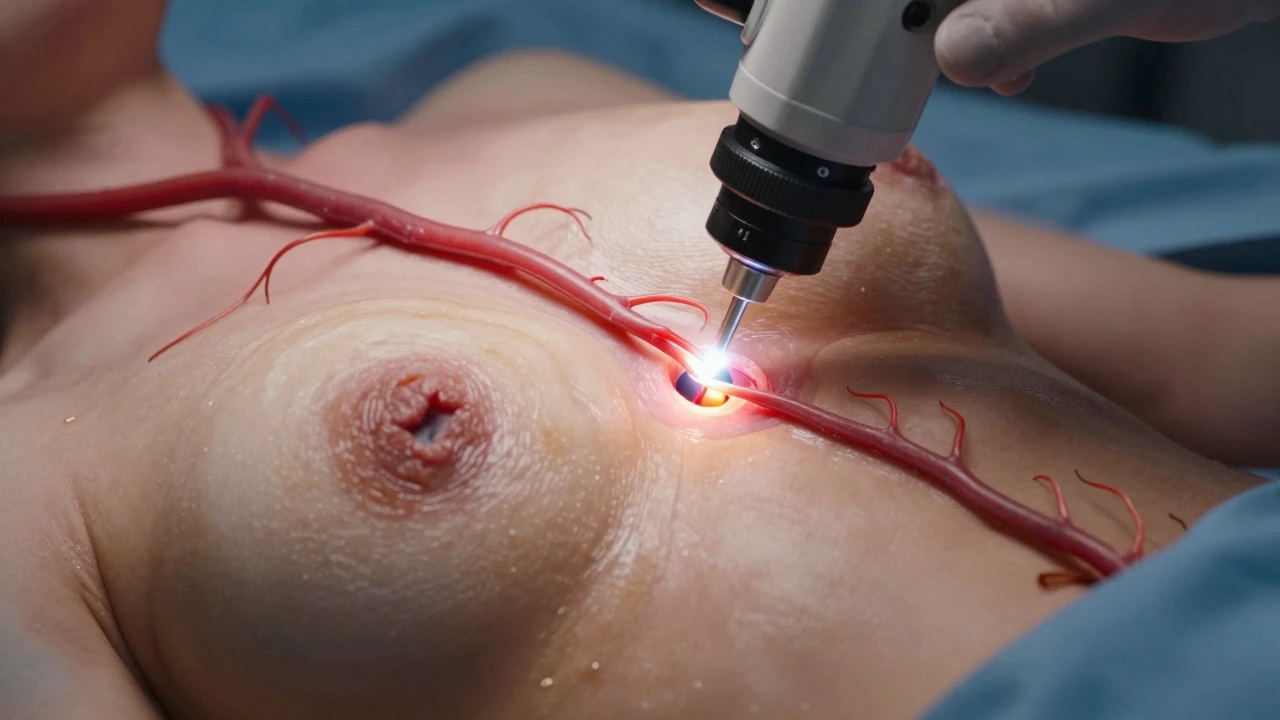
This isn't just cutting and sewing. It involves detaching a section of abdominal tissue, keeping its blood supply intact by reconnecting tiny arteries and veins under a microscope. These vessels are smaller than a human hair. If the connection fails, the tissue dies. This requires a team of surgeons and anesthesiologists working in perfect sync for up to ten hours. The donor site (the belly) also suffers significant trauma, leading to a long and painful recovery similar to a major open-heart surgery.
For patients, the difficulty lies in the dual-site recovery. You are healing from a mastectomy and an abdominal harvest at the same time. Pain management is complex, and the risk of complications like infection or necrosis (tissue death) is higher than in elective cosmetic cases. Yet, the psychological reward can be immense, making the hardship worthwhile for many survivors.

Why "Hardest" Is Subjective
Different people define "hard" differently. For some, it's the pain score. For others, it's the downtime. Here is a comparison of how different procedures stack up against each other:
| Procedure | Surgical Complexity | Recovery Pain | Downtime | Risk Level |
|---|---|---|---|---|
| Mommy Makeover | Very High | High | 4-6 Weeks | High |
| Full Facelift | High | Medium-High | 2-3 Weeks | Medium |
| Breast Augmentation | Low-Medium | Low-Medium | 1 Week | Low |
| Rhinoplasty | High (Technical) | Low | 1-2 Weeks | Low-Medium |
| DIEP Flap Reconstruction | Extremely High | Very High | 6-8 Weeks | High |
Notice that Rhinoplasty (nose job) has low pain but high technical complexity. Surgeons call it the "most difficult" elective procedure because the nose is structural. You are rebuilding a bridge out of cartilage and bone. If the structure fails, breathing stops. But the patient doesn't feel much pain compared to a tummy tuck. So, is it the hardest? Medically, yes. Experientially, no.
The Role of Patient Health and Age
The "hardest" surgery for one person might be easy for another. Your baseline health dictates the difficulty. A 25-year-old non-smoker will heal faster and with fewer complications than a 55-year-old smoker with diabetes. Smoking constricts blood vessels, starving healing tissues of oxygen. This turns a standard facelift into a high-risk procedure prone to wound breakdown.
In the UK, private clinics often require pre-operative assessments to ensure patients are fit for general anesthesia. Blood pressure, BMI, and lung function are key metrics. If your BMI is over 30, many surgeons will refuse to perform body contouring because the risk of blood clots skyrockets. So, for obese patients, the "hardest" part might be getting cleared for surgery at all.
Psychological Recovery: The Hidden Hardship
We rarely talk about the mental game. After a major transformation, some patients experience dysmorphia-the inability to recognize themselves. This is rare but serious. Others struggle with the loss of identity associated with their old appearance. A woman who had her figure defined by pregnancy may feel disconnected when her stomach is flat again. A man who had a prominent nose his whole life may feel exposed without it.
Setting realistic expectations is crucial. Social media filters distort reality. Patients often expect Hollywood perfection, but surgery has limits. Scar tissue, asymmetry, and swelling are part of the process. The hardest part for many is waiting. Healing takes months to settle. The final result of a facelift or breast lift isn't visible until six months post-op. Patience is a skill you need to develop before you go under the knife.
Choosing the Right Surgeon Matters More Than the Procedure
The difficulty of any surgery drops significantly when performed by an expert. In the UK, look for surgeons registered with the General Medical Council (GMC) and members of the British Association of Aesthetic Plastic Surgeons (BAAPS). These bodies enforce strict standards. An inexperienced surgeon can turn a simple breast augmentation into a nightmare of capsular contracture (hardening of scar tissue) or asymmetry.
Ask questions. Don't be shy. Ask about their complication rates. Ask to see before-and-after photos of patients with your body type. If a surgeon guarantees a perfect result, run away. Good surgeons discuss risks openly. They tell you what could go wrong. That honesty is a sign of competence.
Final Thoughts on Surgical Difficulty
So, what is the hardest cosmetic surgery? If you value physical endurance, it's the Mommy Makeover or DIEP flap reconstruction. If you value technical precision, it's the facelift or rhinoplasty. But the hardest part is always the preparation and the patience required for recovery. No surgery is "easy." Even Botox carries risks if done poorly. Understand your goals, know your body, and choose your medical team wisely. The goal isn't just to change your look; it's to do so safely and sustainably.
Is a mommy makeover considered high-risk surgery?
Yes, a mommy makeover is considered higher risk than single-procedure surgeries because it combines multiple operations (like tummy tuck and breast augmentation) into one session. This increases the time under anesthesia and the physiological stress on the body. Risks include blood clots, infection, and poor wound healing. Proper patient selection and experienced surgeons mitigate these risks significantly.
Which cosmetic surgery has the longest recovery time?
Body contouring procedures, such as abdominoplasty (tummy tuck) and lower body lifts, typically have the longest recovery times. Patients may need 4 to 6 weeks off work and several months before resuming strenuous exercise. Full settling of scars and swelling can take up to a year. Facial surgeries generally have shorter recovery periods, often allowing social return within 2 weeks.
Is rhinoplasty more painful than a facelift?
Generally, no. Rhinoplasty is technically complex but often less painful than a facelift. Most patients describe rhinoplasty discomfort as congestion and pressure rather than sharp pain. Facelifts involve extensive muscle manipulation and skin tightening, leading to more significant tightness, bruising, and discomfort in the jaw and neck areas during the first week.
How does smoking affect cosmetic surgery recovery?
Smoking severely hinders healing by constricting blood vessels and reducing oxygen delivery to tissues. This increases the risk of wound necrosis (tissue death), infection, and poor scarring. Most cosmetic surgeons require patients to stop smoking at least 4-6 weeks before and after surgery. For smokers, even minor procedures become "harder" due to elevated complication rates.
What is the most technically difficult part of a facelift?
The most technically challenging aspect is navigating the facial nerve branches while tightening the SMAS layer. Damage to these nerves can cause temporary or permanent facial paralysis. Additionally, achieving natural-looking results without a "pulled" appearance requires precise artistic judgment and skill in managing tension vectors across the face and neck.
Are there alternatives to high-difficulty surgeries?
Yes, non-surgical treatments like dermal fillers, Botox, and laser skin resurfacing offer less invasive options. While they don't provide the dramatic, long-lasting results of surgery, they carry minimal downtime and lower risk. For example, filler can mimic some aspects of a facelift by restoring volume, though it won't tighten loose skin. Consultation with a specialist can help determine if non-surgical routes meet your goals.
