 Aug, 30 2026
Surgery Cost & Recovery Estimator
Select a procedure to view estimated private costs in the UK, average annual volume, and expected recovery time based on current medical data.
You might assume the most frequent surgery involves a scalpel and a dramatic hospital stay. Or maybe you think it’s something flashy like a nose job or a tummy tuck. But if you look at the raw data from hospitals and private clinics across the UK and similar Western healthcare systems, the answer is surprisingly mundane. It isn’t even close to being the most expensive procedure. In fact, for many people, it’s barely noticeable until it happens.
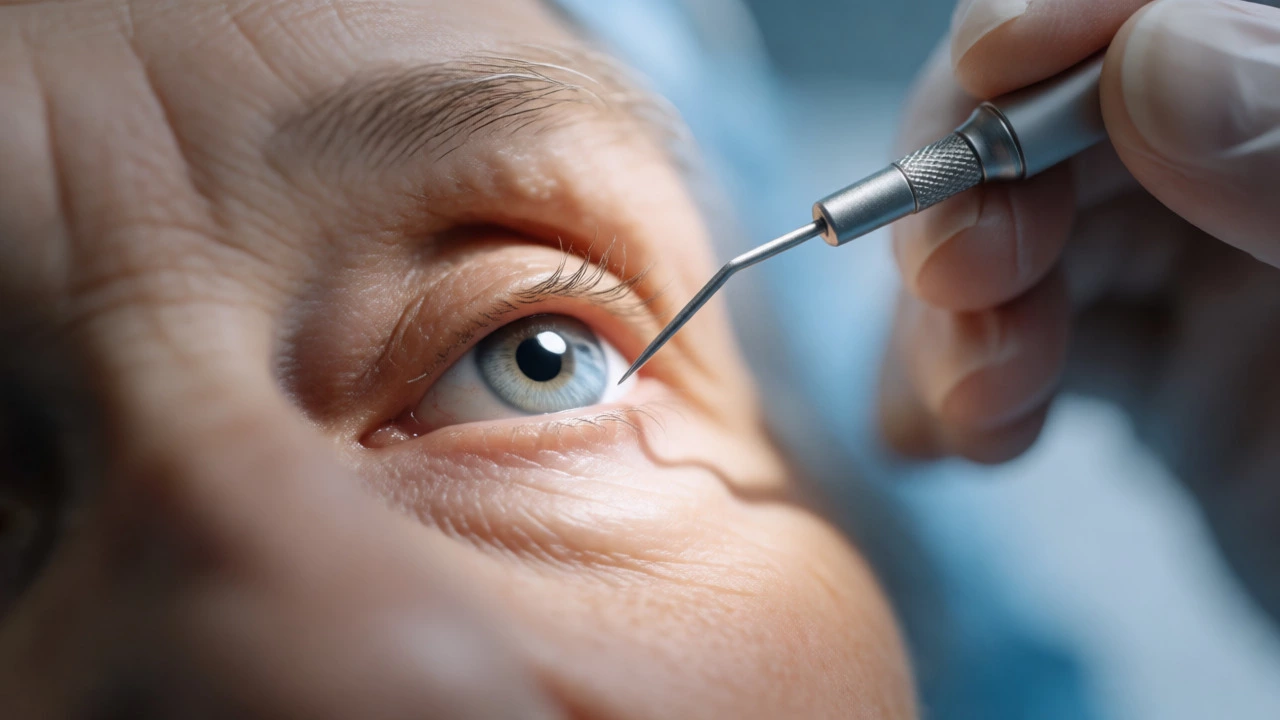
The cataract surgery consistently ranks as the number one surgical procedure in terms of volume. Why? Because aging is inevitable, and clouding lenses are a near-universal experience for anyone over 60. While heart bypasses grab the headlines and knee replacements dominate orthopedic wards, cataracts win by sheer numbers. But here is the twist: while this is the "#1" surgery by frequency, it is rarely the #1 topic when people discuss private surgery costs. That disconnect between what happens most often and what costs the most out-of-pocket is where the real financial story lies.
Why Cataracts Dominate Surgical Statistics
To understand why cataract surgery tops the list, you have to look at demographics. We are living longer. The population is aging. According to global health standards, a cataract is a clouding of the lens inside your eye which leads to a decrease in vision. It is the most common cause of blindness worldwide, but in developed nations with advanced healthcare, it is primarily treated as a quality-of-life issue rather than a survival one.
In the UK alone, hundreds of thousands of these procedures happen every year. If you include other minor ophthalmic surgeries, eye care is a massive sector. But why does this matter to you? Because if you are looking into private healthcare, you need to know that high-volume surgeries often have more competitive pricing due to economies of scale. However, they also have stricter regulatory scrutiny regarding safety standards. This creates a unique dynamic where the most common surgery is often one of the safest, yet still carries significant out-of-pocket costs if you choose to go private to avoid waiting lists.
The Hidden Leader: Cosmetic Procedures
If we shift the definition of "surgery" slightly to include elective, non-essential interventions, the landscape changes dramatically. While cataracts are medically necessary (or strongly recommended) for functional vision, cosmetic surgery drives the highest spending per capita in many regions. Breast augmentations, rhinoplasties, and liposuction are incredibly popular, but individually, none match the sheer volume of cataract removals.
However, there is a specific subset of cosmetic work that rivals medical necessity in frequency: dermatological procedures. Botox and fillers are technically not "surgery," but they are invasive enough to be categorized under procedural medicine. When patients search for "what is the most common procedure," they often conflate surgical operations with these injectables. For the purpose of this article, we stick to actual surgery-cutting, suturing, and anesthesia. In that realm, cataracts remain king, followed closely by joint replacements.
Knee and Hip Replacements: The Orthopedic Giants
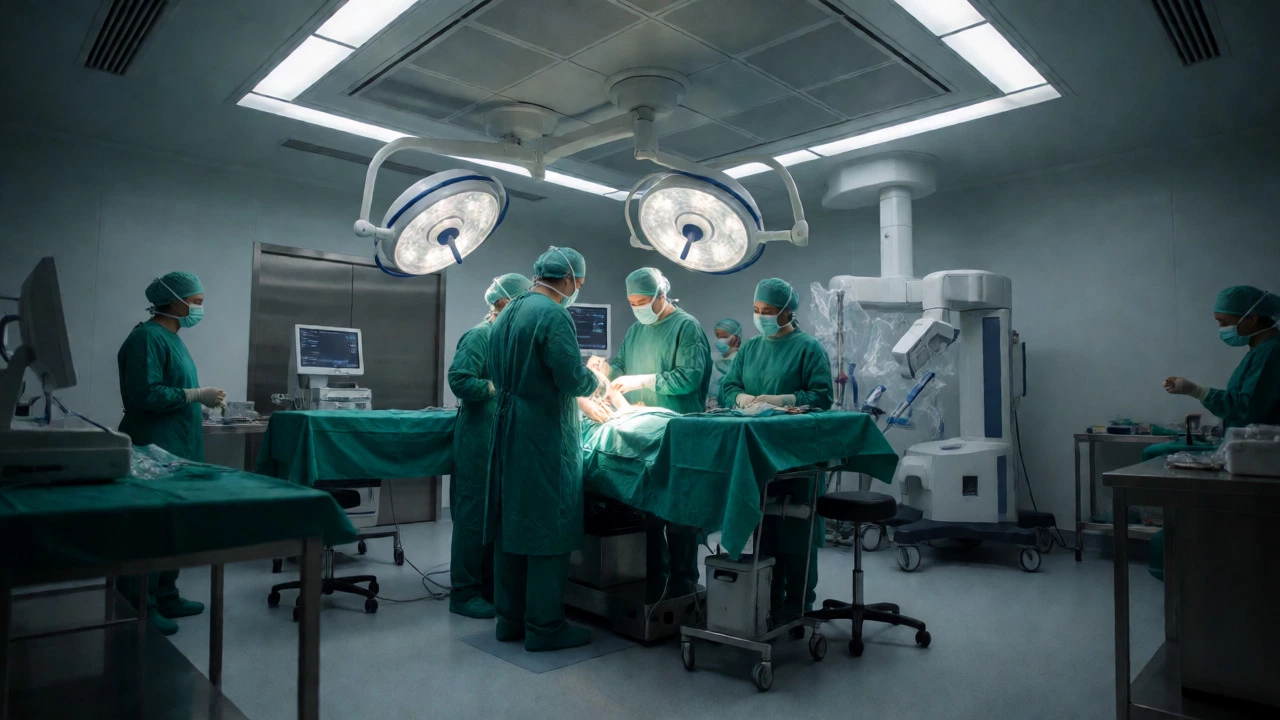
If cataracts are the leader by volume, joint replacements are the leaders by complexity and recovery time. Knee and hip arthroplasties are among the top five most common major surgeries globally. Unlike cataract surgery, which can often be done in an outpatient setting with local anesthesia, joint replacements require general or spinal anesthesia, overnight stays, and weeks of rehabilitation.
This distinction is crucial for understanding private surgery costs. A cataract operation might cost you £1,500-£3,000 privately. A knee replacement can range from £8,000 to £15,000. The "#1" status depends on how you weigh frequency against financial impact. Most insurance policies cover both, but private payers feel the pinch differently. High-frequency, low-cost surgeries like cataracts are often paid for directly by patients who want immediate relief. High-cost, lower-frequency surgeries like joint replacements are usually financed or covered by comprehensive private health insurance.
| Surgery Type | Estimated Annual Volume (UK) | Avg Private Cost (GBP) | Recovery Time | Primary Driver |
|---|---|---|---|---|
| Cataract Removal | ~400,000+ | £1,500 - £3,000 | 1-2 Weeks | Aging Population |
| Knee Replacement | ~90,000 | £8,000 - £12,000 | 3-6 Months | Osteoarthritis |
| Hip Replacement | ~85,000 | £9,000 - £14,000 | 3-6 Months | Osteoarthritis |
| Breast Augmentation | ~25,000 | £4,000 - £7,000 | 2-4 Weeks | Cosmetic Preference |
| Gallbladder Removal | ~70,000 | £3,500 - £6,000 | 1-2 Weeks | Gallstones |
Understanding the Private Surgery Cost Landscape
So, why do people ask about the "#1" surgery? Usually, it’s because they are trying to budget. They hear a statistic, get worried, and wonder if their savings can handle it. Here is the reality: the most common surgery is rarely the most financially devastating. The danger zones are the mid-tier surgeries-procedures that aren't cheap enough to ignore but aren't complex enough to warrant full insurance coverage without deductibles.
When you look at private surgery costs, you must account for three distinct buckets:
- Surgeon's Fees: This varies wildly based on reputation and specialization. A renowned consultant may charge double what a standard specialist charges.
- Hospital Facility Fees: Even for day cases, using a private suite costs money. These fees cover nursing staff, equipment, and overheads.
- Anesthesia and Medication: Often overlooked, these can add several hundred pounds to the bill.
For cataract surgery, these costs are relatively standardized. For joint replacements, they fluctuate significantly. If you are planning a procedure, always ask for an all-inclusive quote. Many clinics offer fixed-price packages that cover everything except complications. This transparency is vital because unexpected complications can turn a routine procedure into a financial nightmare.
Regional Variations and Waiting Lists
It is worth noting that while national statistics provide a broad picture, regional differences exist. In areas with older populations, such as parts of the South West of England or coastal retirement hubs, cataract surgery rates spike higher than the national average. Conversely, urban centers with younger, active populations see higher rates of sports-related injuries leading to arthroscopic knee surgeries.
Waiting times play a huge role in driving people toward private options. In the NHS, waiting for a cataract operation might take months. In the private sector, it could be days. This speed comes at a premium. Many patients decide that the cost of private surgery is worth the immediate return to normal life. They aren't paying just for the surgery; they are paying for time. This is a critical factor in determining whether a procedure is truly "affordable." If missing six weeks of work costs you more than the surgery fee, going private becomes a logical economic decision.

How to Choose the Right Provider
Not all private hospitals are created equal. When researching providers for high-volume surgeries like cataracts or joint replacements, look beyond the price tag. Check their complication rates. Ask about their accreditation status. The Care Quality Commission (CQC) in the UK provides ratings that can help you gauge safety and hygiene standards.
Also, consider the follow-up care. Does the package include post-operative check-ups? Who manages your pain management plan after discharge? These details often determine the overall satisfaction of the patient experience. A cheaper upfront cost might hide expensive follow-up visits if they aren't included in the initial quote.
Future Trends: What Will Be #1 Next?
Healthcare trends shift. With the rise of obesity and sedentary lifestyles, metabolic surgeries like gastric bypasses are climbing the ranks. As technology improves, minimally invasive techniques are replacing open surgeries, potentially lowering costs and recovery times. Robotic-assisted surgeries are becoming more common, initially reserved for complex cases but slowly trickling down to routine procedures.
We might see a shift where robotic knee replacements become so common that they challenge traditional methods in volume. Similarly, advancements in laser eye surgery could eventually reduce the need for traditional cataract incisions, changing the nature of the most common eye procedure. Staying informed about these technological shifts helps you make smarter decisions about timing and provider selection.
Is cataract surgery really the most common surgery?
Yes, in terms of pure volume of operations performed annually in countries like the UK, USA, and Australia, cataract surgery is consistently the most frequently performed surgical procedure. This is largely due to the aging population and the high prevalence of age-related lens clouding.
How much does private cataract surgery cost?
In the UK, private cataract surgery typically ranges from £1,500 to £3,000 per eye. Prices vary depending on the clinic location, the surgeon's expertise, and whether premium lens implants are chosen over standard monofocal lenses.
Does private health insurance cover the most common surgeries?
Most comprehensive private health insurance plans cover medically necessary surgeries like cataract removal and joint replacements. However, pre-existing conditions and policy exclusions can affect coverage. Always check your policy documents for limits on specific procedures.
Are cosmetic surgeries included in the 'most common' statistics?
Generally, no. When health authorities report the "most common surgery," they usually refer to medically indicated procedures. Cosmetic surgeries, while numerous, are tracked separately by industry bodies like the British Association of Plastic, Reconstructive and Aesthetic Surgeons (BAPRAS).
What is the recovery time for the most common surgeries?
Cataract surgery has a very short recovery time, with most patients seeing improved vision within 24 hours and returning to normal activities in a week. Joint replacements require much longer recovery periods, often ranging from three to six months for full mobility restoration.
