 Feb, 9 2026
GP Visit Cost Calculator
Based on article information about GP costs across different healthcare systems:
- New Zealand: $15-$25 for enrolled patients, $80+ for unenrolled
- United Kingdom: Free through NHS
- Australia: $70-$100 with Medicare
- United States: $25-$100 copay (varies by insurance)
When someone says "GP doctor," they’re talking about a general practitioner - the first person you see when you’re sick, hurt, or just not feeling right. It’s not a fancy title. It’s not a specialist. It’s your everyday doctor, the one who knows your history, your family, and your body over time. In places like New Zealand, the UK, Australia, and Canada, "GP" is the standard term. In the US, people just call them "family doctors" or "primary care physicians." But they all do the same core job: they’re your health anchor.
What Exactly Does a GP Do?
A GP doesn’t wait for you to have a crisis. They’re there when you have a cold that won’t go away, when your back flares up, when your child has a fever at 2 a.m., or when you’re just worried about a strange lump. They handle the basics: checkups, vaccinations, blood pressure checks, diabetes management, mental health check-ins, and referrals to specialists when needed.
Think of them like a quarterback in football. They don’t tackle the opponent - that’s the specialist’s job. But they call the plays. They decide if you need an X-ray, a blood test, or a referral to a cardiologist. They know when to act fast and when to wait. Most of what they do is prevent big problems before they happen.
For example, a GP might notice your cholesterol is creeping up during a routine visit. They’ll suggest diet changes, maybe a walking routine. If that doesn’t work, they’ll prescribe a statin. If you start feeling dizzy, they’ll check your blood pressure, look at your heart rhythm, and ask about stress or sleep. They connect the dots.
GP vs Specialist: What’s the Difference?
You don’t go to a GP because you have a broken arm. You go to an orthopedic surgeon for that. You don’t see a GP to get your eyes checked for glaucoma - that’s an ophthalmologist. GPs don’t do surgery, deliver babies (in most cases), or read MRIs. But they’re the ones who spot when something might need one of those specialists.
Here’s a simple way to remember:
- GP: Sees you for anything. Knows your whole story. Manages long-term health.
- Specialist: Sees you for one thing. Deep expertise. Usually needs a referral.
Most health systems - including New Zealand’s public system - require you to start with a GP. You can’t just walk into a dermatologist or neurologist without one. That’s not bureaucracy. It’s about safety. GPs know what’s normal for you. A specialist doesn’t. A rash might be eczema. Or it might be a sign of something serious. Only your GP, who’s seen you for years, can tell the difference.
Why Do People Say "GP Near Me"?
When you search "GP near me," you’re not looking for a miracle cure. You’re looking for someone you can trust. Someone who’s nearby, who takes your insurance (or works with the public system), and who actually answers the phone when you call.
Many people struggle to find a good GP. Some practices are full. Others have long wait times. Some doctors don’t take new patients. That’s why people say "GP near me" - they need someone who’s accessible, not just available.
In Auckland, for instance, you might find a GP clinic in a shopping center, or one attached to a local pharmacy. Some offer after-hours appointments. Others have online booking. The best ones remember your name, your kids’ names, and whether you’re allergic to penicillin.
How to Find a Good GP
Not all GPs are the same. Here’s what to look for:
- Location: Is it easy to get to? Can you walk, bike, or catch a bus?
- Availability: Do they have same-day appointments? What are their after-hours options?
- Communication: Do they listen? Do they explain things clearly? Do they answer your questions without rushing?
- System: Are they part of the public system (like in New Zealand, where services are subsidized)? Or do they charge full fees? This affects cost.
- Reviews: Look at real patient feedback. Not just "great doctor," but "they called me back when I was worried," or "they didn’t dismiss my symptoms."
Don’t be afraid to switch. If your GP doesn’t feel right, find another. Your health matters more than loyalty.
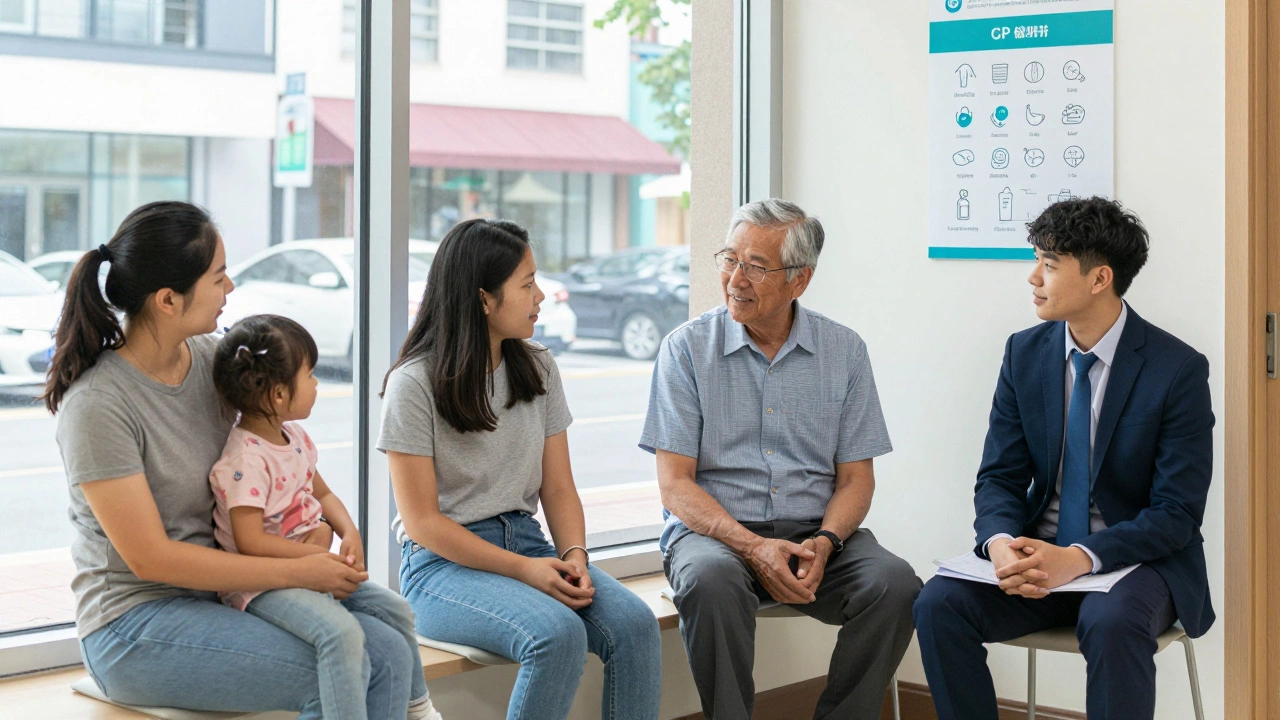
What to Expect on Your First Visit
Your first appointment with a new GP usually takes 20-30 minutes. They’ll ask:
- Why you’re there
- Your medical history
- Your family’s health history
- Any medications you take
- Your lifestyle - sleep, diet, exercise, stress
They might take your blood pressure, check your temperature, or order a test. But mostly, they’ll listen. That’s the secret weapon of a good GP. They don’t just treat symptoms. They treat you.
Don’t be shy. Bring a list. Write down your questions. Even small things matter. A weird rash. Trouble sleeping. Feeling tired all the time. Your GP has seen it all. Nothing is too small.
How Much Does a GP Visit Cost?
In New Zealand, if you’re enrolled with a primary health organization (PHO), most GP visits cost $15-$25 for adults. Kids under 14 often see the doctor for free. Some clinics charge more if you’re not enrolled, or if you need extra services.
In the UK, GP visits are free through the NHS. In Australia, it’s around $70-$100 if you’re not covered by Medicare, but you can get most of it back. In the US, it’s more complicated - copays range from $25 to $100, depending on insurance.
The key? Know your system. If you’re in New Zealand, check if you’re enrolled with a PHO. If not, ask the clinic. Enrollment usually just takes a form and your ID. It saves you money every time you go.
When Should You Go to a GP?
You don’t need to wait until you’re screaming in pain. Here are common reasons people visit:
- Feeling unwell for more than a few days
- Unexplained weight loss or gain
- Changes in skin, moles, or rashes
- Chronic pain (back, joints, headaches)
- Low energy, mood changes, trouble sleeping
- High blood pressure or high cholesterol
- Need for vaccines or health screenings
- Managing long-term conditions like asthma, diabetes, or thyroid issues
If you’re unsure, call. Most clinics have a nurse on the line who can help you decide if you need to come in.

GP and Mental Health
Many people don’t realize GPs are trained to help with anxiety, depression, and stress. They’re not therapists, but they’re often the first line of support. They can prescribe medication if needed, refer you to a counselor, or help you find free community programs.
In New Zealand, you can get up to 12 free counseling sessions through your GP if you’re dealing with mental health struggles. You don’t need to be "in crisis." Just feeling overwhelmed counts.
It’s okay to say: "I’ve been feeling down lately." Your GP won’t judge. They’ve heard it before.
What Happens If You Don’t Have a GP?
If you don’t have one, you can still get care. Urgent care centers, walk-in clinics, and emergency rooms can help with immediate problems. But they don’t know you. They can’t track your history. They can’t catch early signs of disease.
Without a GP, you’re more likely to:
- Get misdiagnosed
- Have repeat hospital visits
- Miss out on preventive care
- Pay more in the long run
Having a GP isn’t a luxury. It’s a shield.
Is a GP the same as a family doctor?
Yes. "GP" stands for General Practitioner, and "family doctor" is just another name for the same thing. Both are primary care doctors who treat people of all ages. The term "family doctor" is more common in the US, while "GP" is used in the UK, New Zealand, Australia, and Canada. They do the same work: manage everyday health, prevent illness, and refer to specialists when needed.
Can a GP prescribe medication?
Yes. GPs can prescribe almost all common medications - antibiotics, blood pressure pills, antidepressants, asthma inhalers, and more. They know which drugs interact with others, which ones are safe during pregnancy, and which ones are most cost-effective. They can also renew prescriptions for long-term conditions.
Do I need to make an appointment to see a GP?
Most of the time, yes. GPs work best when they know you’re coming. But many clinics offer same-day or next-day appointments for urgent issues. Some also have walk-in hours or telehealth options. If you’re sick and can’t wait, call ahead - they’ll often fit you in.
Can I see a GP without being enrolled?
Yes, but it’ll cost more. In New Zealand, enrolled patients pay subsidized rates ($15-$25). Unenrolled patients might pay $80 or more. Enrollment is free and quick - just fill out a form with your ID and proof of address. It’s worth it. Plus, enrolled patients get priority for appointments and free health checks.
What if my GP doesn’t take my insurance?
In countries like New Zealand and the UK, most GPs are part of the public system, so insurance isn’t needed. In the US, you need to check if your GP is in-network. If they’re not, you can still see them, but you’ll pay more out-of-pocket. Ask if they offer sliding-scale fees or payment plans. Some clinics do.
Final Thought: Your GP Is Your Health Partner
A GP isn’t just a doctor you visit when you’re sick. They’re the person who knows your body better than anyone else. They remember your last flu shot. They know your mom had diabetes. They notice when you’ve lost weight without saying anything. They’re the ones who catch things before they become emergencies.
Don’t wait until you’re in trouble to find one. Start now. Find a GP near you. Make that first appointment. It’s the smartest health move you’ll make this year.
