 May, 17 2026
Dental Implant Eligibility Estimator
Ready to Assess?
Enter your details on the left to see your estimated candidacy score and potential hurdles.
You’ve spent weeks researching dental implants, calculating the cost, and finally booking a consultation. Then, your dentist drops the bomb: "You’re not a candidate." It feels like a door slamming shut on your dream of a permanent smile. But here’s the truth-disqualification isn’t always permanent. Often, it’s just a sign that you need specific preparation first.
Understanding what keeps you out of the operating room is the first step toward getting in. Whether it’s a lifestyle habit, a medical condition, or a structural issue in your jaw, most barriers can be managed. This guide breaks down exactly why patients are turned away and, more importantly, how you can overcome those hurdles.
The Golden Rule: Bone Density and Jaw Structure
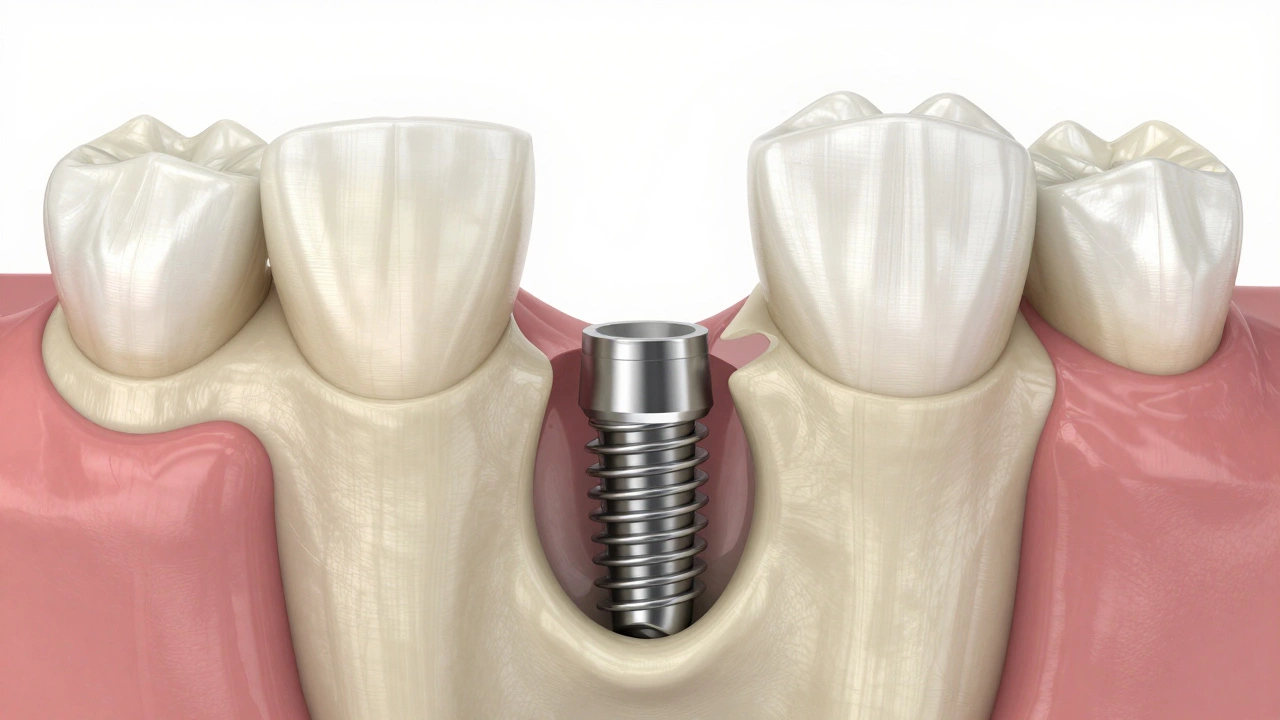
Before we talk about your health history, let’s look at the foundation. Dental implants are titanium posts that screw directly into your jawbone. They don’t sit on top of the gum; they fuse with the bone through a process called osseointegration. If you don’t have enough bone to hold them, the implant will fail.
This is the most common reason for disqualification. When you lose a tooth, the jawbone in that area begins to shrink-a process known as bone resorption. The body thinks it doesn’t need that bone anymore because there’s no root to stimulate it. Over months or years, the ridge becomes too thin or too short.
- Insufficient Bone Volume: If your CT scan shows less than 1mm of bone surrounding the planned implant site, the surgeon may refuse to proceed.
- Poor Bone Quality: Some people have dense, hard bone (Type I). Others have softer, spongier bone (Type IV). Softer bone takes longer to heal and has a higher risk of failure if not handled correctly.
Can this be fixed? Yes. Most patients who lack bone volume qualify for bone grafting. Surgeons use synthetic material, donor bone, or your own harvested bone to rebuild the ridge. This adds 4-6 months to your timeline, but it opens the door to implants.
Systemic Health Conditions That Raise Red Flags
Your mouth doesn’t exist in a vacuum. What happens in your heart or blood vessels affects your gums. Certain chronic conditions interfere with healing or increase the risk of infection, which can cause an implant to become loose or infected.
| Condition | Risk Level | Why It Matters |
|---|---|---|
| Uncontrolled Diabetes | High | High blood sugar slows wound healing and increases infection risk. HbA1c should ideally be below 7.5%. |
| Osteoporosis | Moderate-High | Weak bones may not support the implant. Medications like bisphosphonates can also complicate healing. |
| Autoimmune Disorders | Moderate | Conditions like Lupus or Rheumatoid Arthritis can affect immune response and healing speed. |
| Heart Disease | Variable | Patients with artificial heart valves may need antibiotic prophylaxis before surgery to prevent endocarditis. |
Notice the word "uncontrolled" next to diabetes. If your blood sugar is well-managed, you are likely a fine candidate. The key is stability. Your surgeon needs to know your body can handle the stress of surgery and the subsequent healing phase without complications.
The Smoking Factor: Why Vaping Counts Too
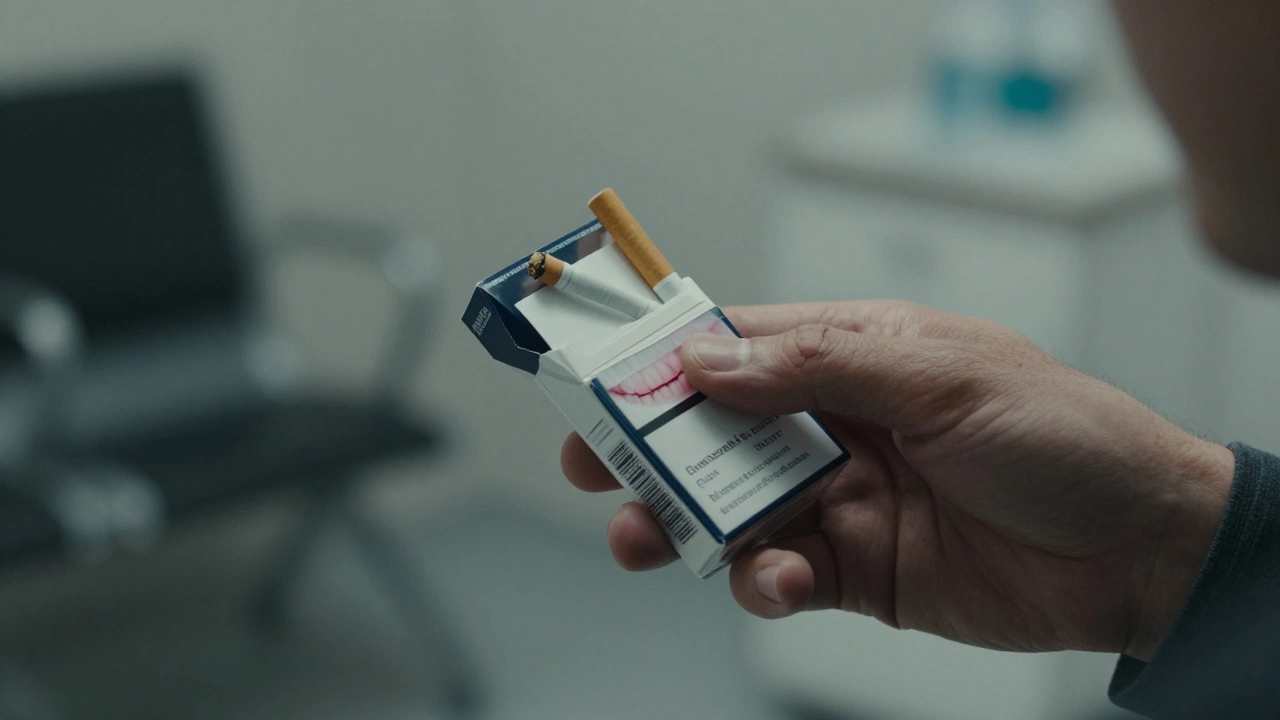
If there’s one thing dentists hate more than cavities, it’s nicotine. Smoking is perhaps the single biggest modifiable risk factor for implant failure. Studies show that smokers are up to twice as likely to experience implant loss compared to non-smokers.
Nicotine constricts blood vessels, reducing blood flow to the gums. Less blood means fewer oxygen and nutrients reaching the surgical site. It also impairs the function of white blood cells, leaving you vulnerable to peri-implantitis-a destructive inflammatory condition that causes bone loss around the implant.
Many surgeons will outright refuse to place implants in heavy smokers (more than 10 cigarettes a day). Others will require you to quit for at least two weeks before and after surgery. Vaping isn’t a safe loophole. While it lacks tar, it still delivers nicotine, which has the same vasoconstrictive effects. Be honest with your provider about your habits-they aren’t judging you; they’re trying to save you thousands of dollars in failed procedures.
Gum Disease: The Silent Killer of Implants
You might have perfect bone density and healthy blood sugar, but if you have active periodontal disease (gum disease), you’re disqualified until it’s treated. Gum disease is a bacterial infection that destroys the supporting structures of your teeth.
If you place an implant into an environment full of periodontal pathogens, those bacteria will attack the new implant just as they attacked your natural teeth. This leads to rapid bone loss and eventual implant failure. Before any implant work begins, you’ll likely undergo a deep cleaning procedure called scaling and root planing to eliminate the infection.
Your oral hygiene routine must also be upgraded. If you haven’t flossed regularly or missed check-ups for years, your surgeon may hesitate. They need to see that you’re committed to maintaining the new restoration. An implant doesn’t get cavities, but it does get gum disease if you neglect it.
Lifestyle Factors: Alcohol, Bruxism, and Diet
Beyond smoking, other daily habits play a role. Heavy alcohol consumption can impair healing and interact dangerously with anesthesia and post-surgical medications. While occasional drinking is usually fine, chronic abuse raises red flags for surgeons.
Bruxism, or teeth grinding, is another major concern. If you grind your teeth at night, you’re putting excessive force on your jaw. Natural teeth have a slight give in their ligaments to absorb shock. Implants are rigidly fused to the bone. Without a custom-made night guard, the constant pressure can fracture the porcelain crown or even loosen the titanium post over time.
Diet also matters. Patients with severe eating disorders or those who cannot maintain adequate nutrition may struggle with the initial healing phase. Surgery requires energy and protein to repair tissue. If your body is malnourished, it prioritizes vital organs over healing a gum flap.
Age and Growth Considerations
Unlike dentures, implants don’t move with your face. This creates a unique challenge for younger patients. Surgeons generally do not place implants in anyone under the age of 18, or sometimes even early 20s, because the jaw is still growing.
If you place an implant in a teenager whose jaw continues to develop, the implant will stay stationary while the surrounding teeth and bone shift. This results in a misaligned bite and aesthetic issues later in life. For elderly patients, age itself is rarely a disqualifier. As long as you are healthy and can tolerate minor surgery, you can get implants at 80 or older. Biological age matters more than chronological age.
Medications That Complicate Healing
Certain drugs can interfere with bone metabolism or bleeding control. The most notable group is bisphosphonates, often prescribed for osteoporosis or cancer-related bone issues. These drugs inhibit bone turnover. In rare cases, they can lead to osteonecrosis of the jaw, where bone tissue dies and fails to heal after invasive procedures.
If you take these medications, especially intravenously, your surgeon will consult with your physician. You may need a drug holiday or alternative treatment before proceeding. Blood thinners like Warfarin or Eliquis also require careful management. They don’t necessarily disqualify you, but they require coordination with your cardiologist to ensure safe surgery.
How to Turn a "No" Into a "Yes"
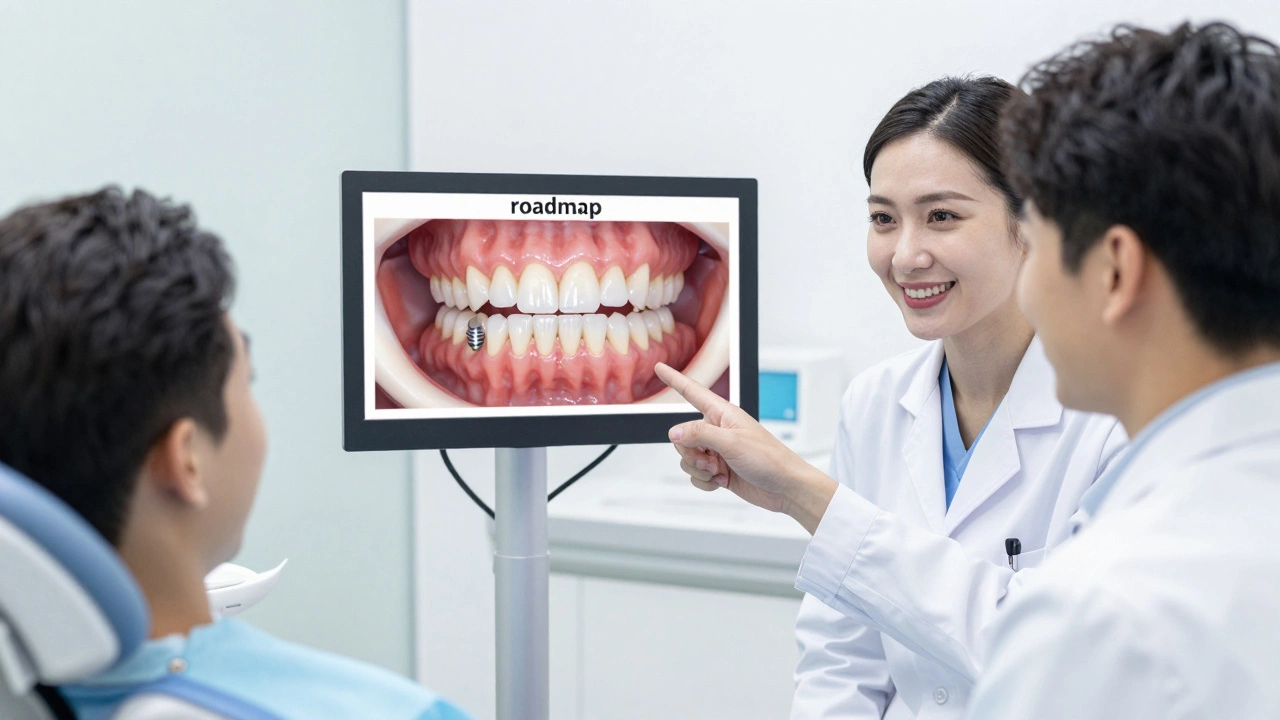
Being told you’re not ready isn’t the end of the road. It’s a roadmap. Here’s how to address common disqualifiers:
- Get Your Diabetes Under Control: Work with your doctor to stabilize your HbA1c levels. Re-test before your dental appointment.
- Quit Smoking: Even stopping for a few weeks can significantly improve blood flow and healing potential. Seek support if needed.
- Treat Gum Disease: Complete a course of periodontal therapy and commit to rigorous home care.
- Undergo Bone Grafting: If bone loss is the issue, schedule the grafting procedure early. Use the waiting period to research providers.
- Wear a Night Guard: If you grind your teeth, start wearing a guard now to protect your remaining teeth and demonstrate commitment to your future implant.
Every patient’s journey is different. Some need minor adjustments; others need extensive rehabilitation. The goal is not just to place a metal post, but to ensure it lasts for decades. By addressing these health factors upfront, you’re investing in the longevity of your smile.
Can I get dental implants if I have type 2 diabetes?
Yes, provided your diabetes is well-controlled. Most surgeons require your HbA1c level to be below 7.5% or 8.0%. Uncontrolled diabetes significantly increases the risk of infection and poor bone integration, so stabilizing your blood sugar is crucial before surgery.
Does smoking permanently disqualify me from implants?
Not permanently, but it greatly increases the risk of failure. Many surgeons will refuse to operate on current heavy smokers. However, if you quit smoking for at least 2-4 weeks before and after the procedure, your success rates improve dramatically. Vaping is also considered a risk due to nicotine content.
What if I don't have enough bone for an implant?
Lack of bone is a common hurdle, but it is solvable. You can undergo bone grafting procedures to rebuild the jaw ridge. This process involves adding bone material to the deficient area, allowing it to grow and strengthen over several months before the implant is placed.
Are there age limits for getting dental implants?
There is no upper age limit for dental implants as long as you are in good general health. However, there is a lower limit. Implants are typically not placed in patients under 18-21 years old because the jawbone is still growing. Placing an implant too early can lead to misalignment as the jaw develops.
Can I get implants if I take blood thinners?
Taking blood thinners does not automatically disqualify you. However, it requires careful planning. Your dentist will coordinate with your physician to manage your medication dosage around the time of surgery to minimize bleeding risks while ensuring your cardiovascular safety.
