 Aug, 17 2026
Global Plastic Surgery Cost & Savings Calculator
Enter your details and press Calculate Savings to see how much you could save by treating abroad.
When people think of plastic surgery, they often picture Hollywood stars or social media influencers. But the reality is a massive global industry where geography plays a surprising role. If you are looking for data on who does the most procedures, the answer might shock you. It isn't the United States, despite its reputation. The true leader in volume and growth is South Korea, followed closely by Brazil and the United States.
This article breaks down the current landscape of aesthetic medicine. We will look at which nations dominate the charts, why patients travel abroad, and what this means if you are considering your own procedure. Whether you are curious about global trends or planning a trip to the UK for treatment, understanding these numbers helps you make informed decisions.
The Global Leaders: Who Holds the Top Spot?
According to recent data from the International Society of Aesthetic Plastic Surgery (ISAPS), the ranking of countries by number of procedures performed has shifted significantly over the last decade. South Korea has firmly established itself as the world leader in terms of procedures per capita. In fact, South Koreans undergo more cosmetic surgeries than anyone else on the planet relative to their population size.
However, if we look at absolute numbers, the picture changes slightly. The United States remains a giant in total volume, largely due to its large population and high disposable income. Brazil also ranks highly, particularly in body contouring procedures like liposuction and breast augmentation. Here is how the top contenders stack up:
| Country | Primary Focus | Key Trend | Average Cost Index |
|---|---|---|---|
| South Korea | Facial Aesthetics, Rhinoplasty | Highest rate per capita; strong cultural demand | Medium |
| United States | Breast Augmentation, Liposuction | Largest total market value; innovation hub | High |
| Brazil | Body Contouring, Tummy Tucks | Leading in surgical body modification | Low-Medium |
| Turkey | Rhinoplasty, Hair Transplants | Medical tourism hotspot; competitive pricing | Low |
| United Kingdom | Non-Surgical, Facelifts | Strong regulatory standards; growing non-invasive sector | High |
It is worth noting that "leading" can mean different things. South Korea leads in frequency, the US leads in market revenue, and Turkey leads in international patient influx for specific procedures like nose jobs. Each country has a distinct niche in the global aesthetic ecosystem.
Why Do Patients Cross Borders?
You might wonder why someone would fly thousands of miles just to get a facelift or a nose job. The answer usually comes down to three factors: cost, expertise, and convenience.
- Cost Savings: Procedures in countries like Turkey, Thailand, or Mexico can be 40% to 60% cheaper than in the US or UK. When you add in the package deals that include hotel stays and airport transfers, the savings become even more significant.
- Specialized Expertise: Some surgeons become world-renowned for specific techniques. For example, many patients travel to Seoul specifically for natural-looking rhinoplasties, while others go to Miami for advanced laser skin treatments.
- Regulatory Differences: In some countries, certain procedures are easier to access without lengthy waiting lists or strict insurance requirements. This appeals to those seeking quicker results.
However, traveling for surgery isn't without risks. You lose the safety net of local follow-up care. If a complication arises weeks after you have returned home, getting back to your original surgeon can be difficult and expensive. This is why many experts recommend choosing destinations with robust post-operative support networks.
The Role of Non-Surgical Treatments
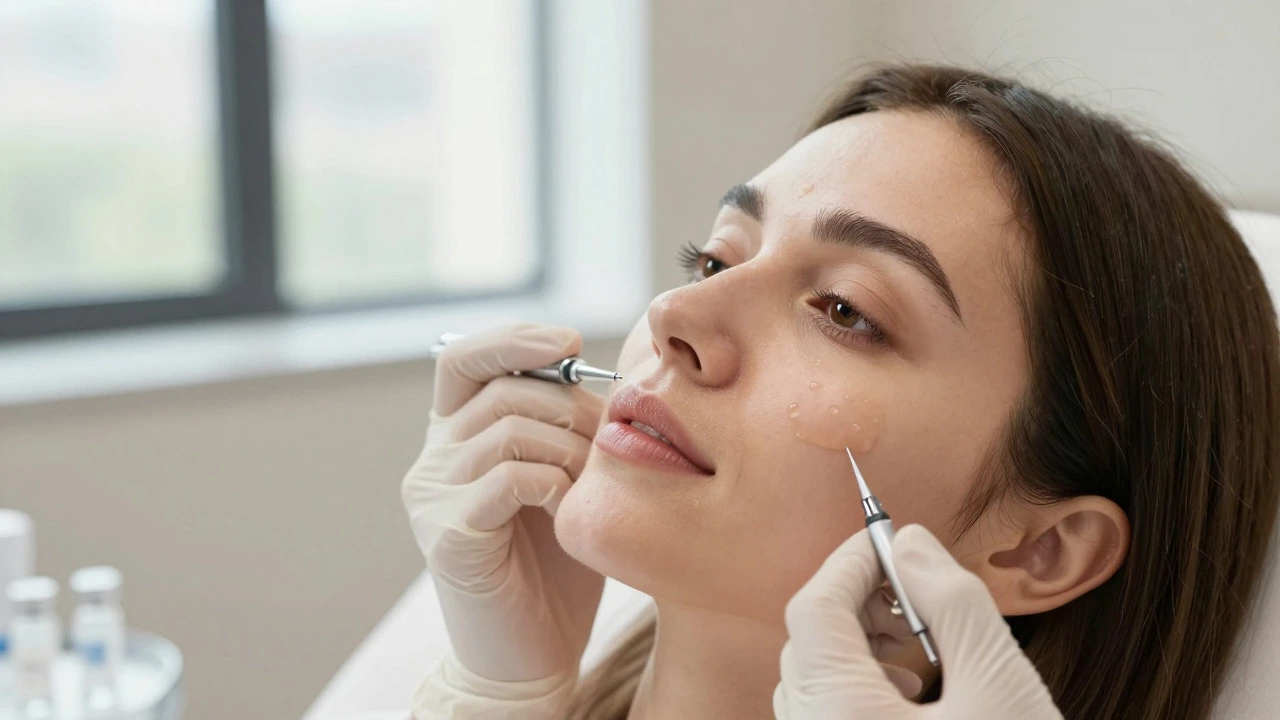
While traditional surgery still dominates the headlines, the real growth engine in 2026 is non-surgical aesthetics. Botox, dermal fillers, and laser therapies are now the most common procedures globally. This shift has democratized cosmetic enhancements, making them accessible to a wider demographic.
In the UK, for instance, the non-surgical sector has grown faster than the surgical one. Many clinics now offer hybrid packages, combining minor surgical tweaks with non-invasive maintenance. This approach allows patients to achieve subtle improvements without long recovery times. It also reduces the financial barrier to entry, as a session of Botox costs a fraction of a full facelift.
This trend is influencing which countries lead in overall activity. Nations with a strong culture of preventative beauty care, such as Japan and South Korea, see higher volumes of these minor procedures. Meanwhile, Western markets are catching up, driven by social media influence and an aging population seeking rejuvenation.
Understanding the Data: What Does "Leading" Actually Mean?
Statistics can be misleading if you don't know how they are collected. Most global rankings rely on self-reported data from surgeons and hospitals. This means there is no single, perfect database. Different organizations track different metrics.
- Total Volume: The raw number of surgeries performed. The US usually tops this list due to population size.
- Per Capita Rate: Surgeries divided by population. South Korea consistently wins here, indicating a deeper cultural integration of cosmetic procedures.
- Market Value: The total money spent on procedures. The US and China are the largest markets by dollar amount.
- Growth Rate: The percentage increase year-over-year. Emerging markets in Southeast Asia and Latin America often show the highest growth percentages.
For a consumer, the per capita rate is often the most useful metric. It tells you how normalized the practice is in that society. If everyone around you is doing it, the stigma is lower, and the technical proficiency of local practitioners is likely higher due to higher case volumes.
Regional Hubs and Their Specialties
Global aesthetic medicine is not uniform. Specific regions have developed reputations for particular skills. Knowing these hubs can help you decide where to seek care if you are open to international options.
Seoul, South Korea is the undisputed capital of facial aesthetics. The city boasts thousands of specialized clinics, creating a competitive environment that drives quality up and prices down. The focus here is on harmony and subtlety, avoiding the overly dramatic looks of previous decades.
Istanbul, Turkey has become the go-to destination for rhinoplasty and hair transplants. The combination of skilled surgeons, affordable packages, and proximity to Europe makes it a magnet for international patients. Many clinics cater specifically to English-speaking tourists, offering translation services and dedicated coordinators.
Miami, United States remains a powerhouse for celebrity-driven trends. If a new technique gains popularity on Instagram, it is likely being perfected in a Miami clinic first. The city attracts wealthy patients from across the Americas and Europe who prioritize cutting-edge technology over cost.
In Europe, London and Paris hold strong positions. London, in particular, benefits from its status as a global financial hub and its diverse patient base. UK surgeons are known for their conservative, natural approach, which appeals to patients who want enhancement without obvious signs of surgery.
What This Means for Your Decision
If you are weighing up whether to have plastic surgery, the location matters. It affects cost, recovery logistics, and the style of outcome you can expect. Before booking, ask yourself these questions:
- Do I need a complex reconstruction, or a simple cosmetic tweak?
- Am I comfortable traveling for my initial consultation and potential follow-ups?
- Is the surgeon board-certified in the country where they practice?
- What is the plan for emergency care if I am abroad during recovery?
For many, staying local is the safest bet. You can visit your surgeon easily, communicate face-to-face, and manage any complications quickly. However, if cost is a major factor, or if you are seeking a specific specialist, international options are viable. Just do your homework. Check accreditation boards, read verified reviews, and never rely solely on glossy website photos.
The global plastic surgery industry is dynamic and ever-changing. As technology improves and regulations evolve, the map of leading countries will continue to shift. But for now, South Korea, the US, and Brazil remain the titans of the trade, each offering unique strengths to the global patient community.
Which country has the highest rate of plastic surgery per capita?
South Korea holds the top spot for plastic surgery rates per capita. Cultural factors, including a strong emphasis on appearance and a well-developed healthcare infrastructure, drive this high volume. It is estimated that a significant portion of the population has undergone at least one cosmetic procedure.
Is plastic surgery cheaper in other countries?
Yes, generally speaking. Countries like Turkey, Thailand, Mexico, and India often offer procedures at 40-60% lower costs compared to the US or UK. These savings come from lower labor costs, overhead expenses, and competitive pricing aimed at attracting international medical tourists.
What is the most popular plastic surgery procedure worldwide?
Breast augmentation and liposuction have historically been the most popular surgical procedures. However, non-surgical treatments like Botox and dermal fillers are now the most frequently performed aesthetic interventions globally due to their minimal downtime and lower cost.
Should I travel abroad for plastic surgery?
It depends on your priorities. Traveling can save money and provide access to specific specialists. However, it adds complexity to recovery and emergency care. If you choose to travel, select a reputable clinic with strong post-op support and ensure you have a clear plan for managing any complications after returning home.
How do I verify if a foreign surgeon is qualified?
Look for board certification recognized by international bodies like ISAPS or ASAPS. Check if the surgeon is registered with the local national medical board. Read independent reviews on platforms like RealSelf, and ask for before-and-after photos of actual patients, not models. Video consultations can also help assess communication and trust.
