 Oct, 12 2026
Pacing Activity Planner
Enter your current baseline capacity for a specific task to receive a personalized pacing plan. This tool helps you break the boom-and-bust cycle by calculating optimal work/rest ratios based on your tolerance level.
Use the built-in timer to practice one cycle now.
Ready to start.
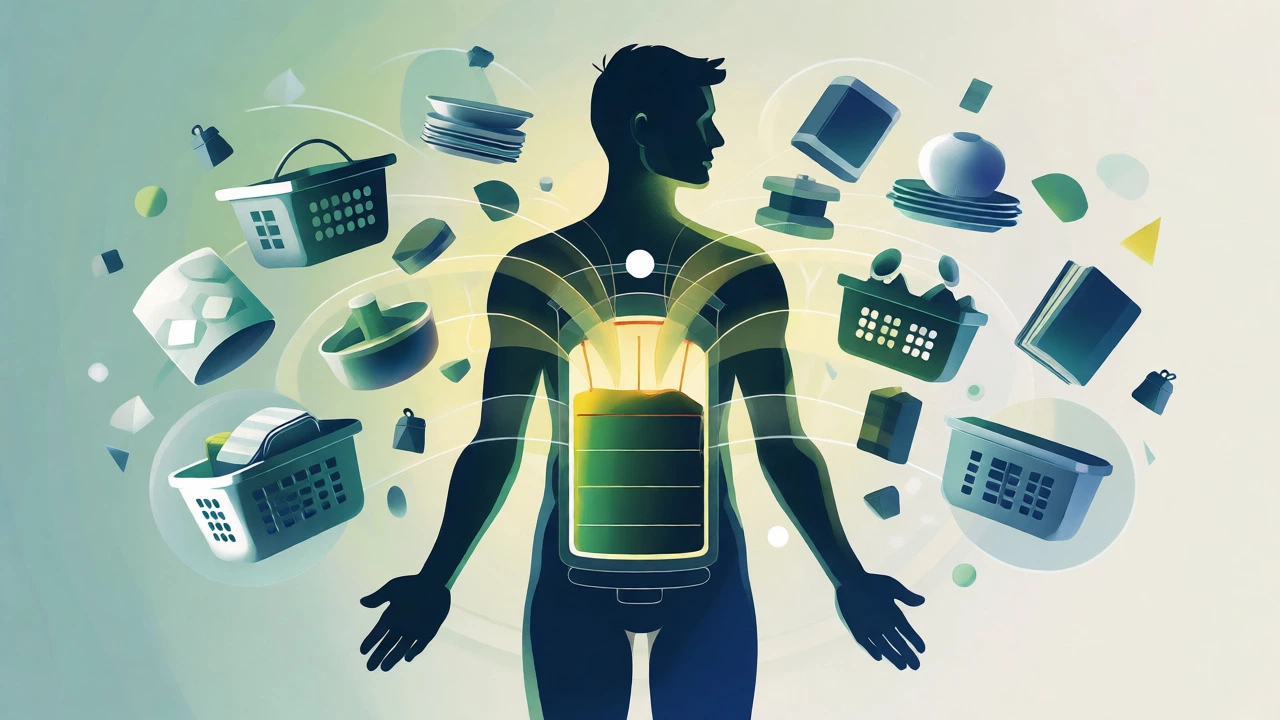
You know the cycle. You wake up feeling decent, maybe even good, so you tackle the laundry, fix that broken shelf, and plan a big dinner for friends. By day three, you are horizontal on the sofa, barely able to move because your body has punished you for overdoing it. This boom-and-bust pattern is frustrating, exhausting, and incredibly common among people living with long-term discomfort. Most of us try to push through or take more medication when things get bad. But there is a quieter, often ignored strategy that actually works: pacing.
Pacing isn’t about giving up or becoming inactive. It’s about breaking the link between activity levels and pain spikes. Think of it as managing your energy bank account. If you spend all your credits on Monday, you’re broke by Tuesday. Pacing helps you spend just enough to stay functional without going into debt. It requires a shift in mindset from "push until it hurts" to "stop before it hurts." For many, this feels counterintuitive, especially if you used to be highly active. But once you master the rhythm, it can significantly reduce those crushing flare-ups.
Why We Ignore Pacing (And Why That Hurts)
Our culture loves hustle. We equate busyness with worth. When you have chronic pain, a condition where pain persists for more than three months, often without a clear ongoing injury, society still expects you to keep up. So, we mask our limitations. We smile, we say we’re fine, and we push through the ache. The problem is that pain signals are unreliable in chronic cases. They don’t always mean tissue damage; sometimes they mean your nervous system is sensitized. Pushing through doesn’t build resilience here-it often amplifies sensitivity.
Ignoring pacing leads to the "boom-and-bust" cycle. On good days, you do everything. On bad days, you rest completely. This inconsistency confuses your body. Your muscles weaken during the bust phases, making the next boom phase harder and more painful. It’s a trap. Many patients report feeling guilty for resting, thinking they should be "tougher." But biology doesn’t care about toughness. It cares about balance. Recognizing that rest is an active part of treatment, not a sign of failure, is the first step toward effective pain management, the process of reducing pain and improving function through various methods including medication, therapy, and lifestyle changes.
The Mechanics of Activity Modification
At its core, pacing relies on activity modification, the strategic adjustment of how tasks are performed to minimize physical stress and prevent symptom exacerbation. This isn’t about doing less work overall; it’s about spreading the load. Imagine carrying a heavy grocery bag. If you hold it with one arm for ten minutes, your shoulder screams. If you switch arms every two minutes, you can carry it for twenty. Same task, different distribution.
To start, you need to identify your baseline. What can you do daily without a significant increase in pain? Maybe it’s walking for five minutes or washing dishes for ten. This is your safe zone. You never exceed this amount on consecutive days initially. Then, you add tiny increments-maybe 10% more time or intensity per week. If you hit a wall, you drop back down. It’s slow progress, but it’s sustainable. Unlike crash diets or extreme exercise regimes, pacing builds a foundation that lasts.
| Aspect | Boom-and-Bust Cycle | Paced Approach |
|---|---|---|
| Daily Activity Level | Highly variable; extremes of high and low | Consistent; moderate and steady |
| Pain Experience | Spikes after activity; severe flare-ups | Stable; minor fluctuations within limits |
| Energy Levels | Crashes after exertion; fatigue dominates | Balanced; sustained throughout the day |
| Psychological Impact | Guilt, frustration, loss of control | Confidence, predictability, empowerment |
| Long-term Outcome | Deconditioning and increased sensitivity | Gradual improvement in tolerance and function |
Breaking Tasks into Micro-Steps
Large tasks feel overwhelming when you’re in pain. Cleaning the whole house sounds impossible. But cleaning one shelf? That’s manageable. Pacing involves chunking activities into smaller, digestible pieces. This reduces the physical and mental load. Instead of vacuuming the entire living room, do half now, take a break, and finish later. Use timers to enforce these breaks. Set an alarm for 15 minutes of activity, then force yourself to stop for 5 minutes, regardless of how you feel.
This technique helps prevent the adrenaline rush that often masks pain during intense focus. You might not realize you’re hurting until you stop moving. By scheduling stops, you check in with your body regularly. It also helps with cognitive fatigue. Chronic pain drains mental resources. Breaking tasks down keeps your brain engaged without burning out. For example, instead of writing a full report in one sitting, write one paragraph, stretch, breathe, then continue. It sounds tedious at first, but it protects your energy reserves.
Integrating Rest as Active Recovery
Rest isn’t passive. In the context of flare-ups, sudden increases in pain severity that disrupt normal functioning, rest is a therapeutic tool. But not all rest is equal. Lying in bed scrolling through your phone can strain your neck and eyes. True restorative rest involves changing positions, gentle stretching, or mindfulness practices that calm the nervous system.
Consider incorporating micro-breaks that actively lower stress hormones. Deep breathing exercises, progressive muscle relaxation, or simply stepping outside for fresh air can reset your pain threshold. These small interventions signal safety to your brain. When your brain perceives safety, it lowers the volume on pain signals. This is crucial because chronic pain often involves central sensitization, where the brain becomes overly responsive to stimuli. Calming the system is as important as treating the body.

Troubleshooting Common Pitfalls
People often fail at pacing because they underestimate their capacity on good days. A sunny, low-pain morning tricks you into thinking you’re cured. You sprint ahead, only to pay for it later. Stick to your planned schedule, even if you feel great. Consistency beats intensity every time. Another mistake is ignoring emotional triggers. Stress and anxiety tighten muscles and heighten pain perception. If you’re stressed, your activity tolerance drops. Adjust your plan accordingly. Maybe today is a lighter activity day because your mind is busy.
Also, don’t forget social pacing. Social interactions consume energy. Hosting a party might require days of recovery afterward. Plan ahead. Limit guest numbers, sit while talking, or meet for shorter durations. Communicate your needs clearly. Friends and family may not understand why you’re leaving early or canceling plans. Explain that it’s about sustainability, not avoidance. Setting boundaries protects your health and preserves relationships.
Key Takeaways
- Break the Cycle: Stop alternating between overexertion and total shutdown. Aim for consistent, moderate activity.
- Know Your Baseline: Identify what you can do daily without worsening symptoms, and stick to it.
- Chunk Tasks: Break large chores into small steps with mandatory breaks in between.
- Rest Actively: Use rest periods to calm your nervous system, not just to sleep.
- Be Patient: Progress is slow but steady. Trust the process rather than chasing quick fixes.
Is pacing the same as resting?
No, pacing is active management. Resting implies doing nothing, which can lead to muscle weakness. Pacing involves balancing activity and rest to maintain function and prevent pain spikes.
How do I know if I'm pacing correctly?
You're likely pacing well if your pain levels remain relatively stable throughout the day and you avoid major crashes after activities. You should feel tired but not depleted at the end of the day.
Can pacing help with mental health too?
Yes. Reducing the unpredictability of pain flare-ups lowers anxiety and depression associated with chronic conditions. Feeling in control of your daily life boosts confidence and mood.
What if my job prevents me from taking breaks?
Look for micro-adjustments. Can you stand while working? Can you delegate specific tasks? Discuss accommodations with your employer. Even small changes like using a footrest or adjusting chair height can help distribute load.
Does pacing work for all types of pain?
It is particularly effective for musculoskeletal conditions like fibromyalgia, arthritis, and back pain. However, consult your healthcare provider to tailor pacing strategies to your specific diagnosis and medical history.
