 Jun, 1 2026
Cosmetic Surgery Pain & Recovery Estimator
Select your procedure and personal factors to get a personalized pain and recovery estimate.
Personalized Recovery Tip
Loading tip...
It’s easy to get caught up in the before-and-after photos. You see smooth skin, lifted cheeks, or a sculpted waistline, and the thought of discomfort fades into the background. But anyone who has actually undergone significant aesthetic work knows that the real story happens after you wake up from anesthesia. The question isn't just about what looks good; it's about how much you have to endure to get there.
Pain is subjective. What feels like a manageable annoyance to one person might be unbearable for another. However, within the medical community, certain procedures consistently rank higher on the pain scale due to the amount of tissue trauma, nerve involvement, and recovery time required. If you are considering plastic surgery, understanding the physical toll is just as important as understanding the aesthetic result.
Why Some Surgeries Hurt More Than Others
To understand why some procedures are more painful than others, we need to look at what is happening under the skin. It’s not just about the size of the incision. It’s about the depth of the dissection and the number of sensory nerves being disturbed.
Procedures that involve lifting large flaps of skin, removing significant amounts of fat, or tightening underlying muscles generally cause more post-operative pain. This is because these actions disrupt blood supply temporarily and stretch or sever small nerve endings. When those nerves heal, they send signals back to the brain that register as pain, burning, or intense pressure. Additionally, surgeries performed on areas with high movement-like the abdomen or face-can feel worse because everyday actions, such as laughing or walking, pull on the healing tissues.
Is cosmetic surgery pain worse than natural childbirth?
This is a common comparison, but it’s misleading. Childbirth involves acute, intense contractions followed by a relatively quick physical recovery of the uterus. Major cosmetic surgery, like a body lift, involves days of constant, dull, throbbing pain combined with restricted mobility. They are different types of pain, making direct comparisons difficult and often inaccurate.
The Body Contouring Champions: Tummy Tucks and Mommy Makeovers
If you ask surgeons which procedure patients complain about the most regarding pain, the answer usually points to abdominal surgery. A Tummy Tuck is a surgical procedure that removes excess skin and tightens the muscles of the abdomen. It sounds straightforward, but the mechanics are brutal. The surgeon separates the skin from the muscle wall all the way up to the ribcage. Then, they stitch the rectus abdominis muscles together to create a tighter core. Finally, they pull the skin down and suture it closed.
The result? For the first week, you cannot stand up straight. You walk hunched over, protecting your abdomen. Every breath can feel sharp. Getting out of bed requires a specific technique to avoid straining the sutures. Patients often describe the pain not as sharp, but as an intense, deep bruising sensation combined with muscle spasms. Add in the drainage tubes that sit under the skin for weeks, and the discomfort becomes a constant companion.
When you combine a tummy tuck with breast augmentation or a lift-a "Mommy Makeover"-the pain multiplies. You are recovering from two major surgical sites simultaneously. The upper body restriction from the breast surgery means you can’t use your arms to help leverage yourself up, while the lower body restriction from the tummy tuck limits your leg strength. It’s a full-body ordeal.
Facelifts: The Hidden Agony of the Head
We tend to think of facial surgery as less invasive because the scars are hidden. However, a Facelift is a cosmetic surgery that lifts and tightens the skin of the face and neck to reduce signs of aging. involves moving a lot of tissue. The surgeon lifts the skin and subcutaneous tissue away from the underlying facial muscles and ligaments. This creates massive internal swelling and tension.
The pain here is unique. Because the head is rich in nerves, the sensation is often described as a tight, burning pressure. Patients report feeling like their face is wrapped in steel bands. Sleeping is nearly impossible for the first few nights because lying flat increases swelling and pain. You have to sleep upright, propped up by pillows, which adds fatigue to the mix. The numbness that follows can also be psychologically distressing, as parts of your face may feel foreign or unresponsive for months.
Body Lifts: The Ultimate Endurance Test
If a tummy tuck is painful, a Body Lift is a comprehensive surgery that addresses loose skin around the entire torso, often performed after massive weight loss. is a marathon. This procedure is typically reserved for people who have lost a significant amount of weight and are left with hanging skin folds. The surgeon essentially circumferentially removes skin from the abdomen, thighs, buttocks, and sometimes the breasts.
This is widely considered the most painful cosmetic procedure available. The incision goes all the way around your body. Imagine having a giant belt made of raw, stitched skin encircling your waist and hips. Movement is severely restricted. Bending, twisting, or even rolling over in bed is excruciating. The risk of complications like wound dehiscence (where the wound opens up) is higher, which adds anxiety to the physical pain. Recovery takes weeks, and full healing can take six months or more.

Brazilian Butt Lifts: Sitting on Pins and Needles
The Brazilian Butt Lift is a procedure that transfers fat from other areas of the body to the buttocks to enhance shape and volume. has gained popularity for its aesthetic results, but the recovery is notoriously uncomfortable. The primary issue isn't necessarily sharp pain from the liposuction donor sites (though that hurts), but rather the inability to sit directly on the treated area.
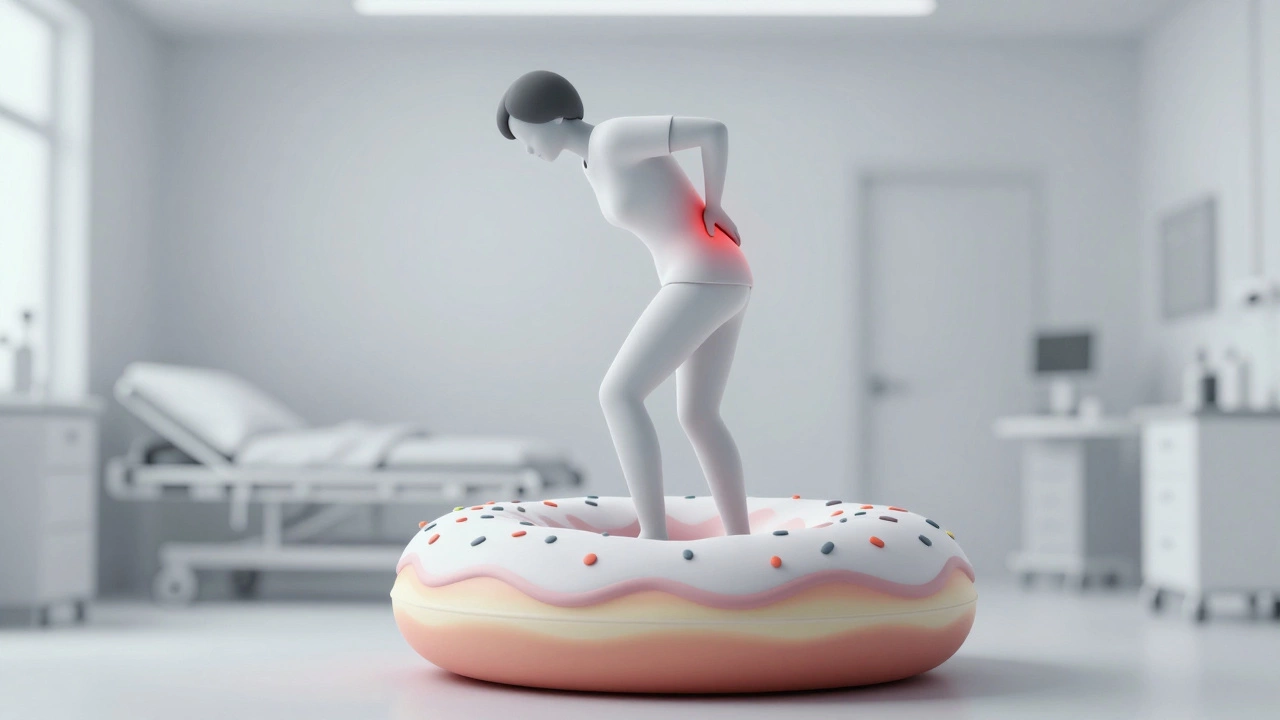
For the first two to three weeks, patients must avoid sitting on their buttocks to ensure the transferred fat cells survive. This means using special donut cushions, sleeping on your stomach, or standing for long periods. The constant shifting of position leads to severe back pain and hip stiffness. Many patients report that the secondary pain from poor posture and muscle strain during recovery is worse than the surgical pain itself.
Liposuction: It Depends on the Volume
Liposuction is a surgical procedure that removes fat from specific areas of the body using suction. varies wildly in pain levels depending on how much fat is removed and where. Small touch-ups might feel like a bad workout soreness for a few days. However, large-volume liposuction, especially when combined with tumescent anesthesia (which involves injecting huge amounts of fluid into the fat layer), can leave patients feeling bloated, bruised, and achy for weeks.
The pain is often described as a deep, muscular ache. Because the cannula breaks up fat fibers, the tissue responds with significant inflammation. Areas like the back and flanks tend to hurt more than the thighs because the skin is thinner and the muscles are closer to the surface. Compression garments are mandatory, and while they help with swelling, they can feel restrictive and irritating against sensitive, bruised skin.
Managing the Pain: What to Expect
Modern medicine has improved pain management significantly. Most surgeons now use multimodal analgesia, which combines different types of pain relievers to target pain through multiple pathways. This reduces the need for high doses of opioids, which come with their own side effects like nausea and constipation.
- Nerve Blocks: During surgery, local anesthetics can be injected to numb specific areas for 24-72 hours post-op.
- Non-Steroidal Anti-Inflammatory Drugs (NSAIDs): These help reduce inflammation and mild to moderate pain.
- Opioids: Reserved for severe breakthrough pain, usually only needed for the first few days after major procedures.
- Cold Therapy: Ice packs and cold compression garments help reduce swelling and numb the area.
Despite these tools, you will still experience discomfort. The key is preparation. Having a support system in place, preparing your home for limited mobility, and following post-op instructions strictly can make a huge difference in your pain levels.
The Psychological Component of Pain
Pain isn't just physical. Anxiety and fear can amplify pain signals. Patients who are overly anxious about the outcome or the recovery process often report higher pain scores. Conversely, those who are mentally prepared and have realistic expectations tend to cope better.
Depression and body dysmorphia can also skew pain perception. If you are unhappy with your body pre-surgery, the temporary distortion caused by swelling and bruising can cause significant emotional distress, which manifests as physical tension and increased sensitivity to pain. Mental health support is a crucial, yet often overlooked, part of the cosmetic surgery journey.
Choosing the Right Surgeon for Pain Management
Not all surgeons approach pain management the same way. When consulting with a plastic surgeon, ask specifically about their pain control protocol. Do they use long-acting local anesthetics? Do they provide a clear plan for the first 72 hours? A good surgeon will prioritize your comfort and safety over pushing you through the pain.
In the UK, for example, private clinics often offer more personalized pain management plans compared to public healthcare systems, but this comes at a cost. Ensure you understand what is included in your price quote. Does it cover follow-up visits for drain removal? Does it include prescription pain medication? Hidden costs can add stress during an already difficult recovery.
Conclusion: Weighing the Cost of Beauty
There is no single "most painful" procedure because individual tolerance varies. However, body contouring surgeries like body lifts and tummy tucks consistently rank at the top due to the extent of tissue manipulation and restricted mobility. Facelifts and Brazilian Butt Lifts offer unique challenges related to nerve density and positional restrictions.
Before booking any procedure, honestly assess your pain tolerance and your support network. Cosmetic surgery is a trade-off: you exchange temporary pain and inconvenience for long-term aesthetic changes. Make sure that trade-off is worth it for you. Research thoroughly, consult with board-certified surgeons, and prepare physically and mentally for the recovery ahead. Your future self will thank you for being informed.
How long does pain last after a tummy tuck?
Acute pain typically lasts for the first 3-5 days. After that, it transitions to soreness and tightness, which can persist for 2-3 weeks. Occasional twinges or pulling sensations may occur for several months as the tissues fully heal and settle.
Is a facelift painful during the surgery?
No, you are under general anesthesia or deep sedation, so you feel nothing during the procedure. The pain begins once the anesthesia wears off, usually characterized by tightness, bruising, and swelling rather than sharp pain.
Can I take ibuprofen after cosmetic surgery?
Many surgeons recommend avoiding aspirin and high-dose NSAIDs like ibuprofen for the first week as they can increase bleeding risk. Always follow your specific surgeon's advice, as protocols vary. Acetaminophen (paracetamol) is often the preferred initial pain reliever.
Which cosmetic surgery has the longest recovery time?
Body lifts and extensive mommy makeovers have the longest recovery times, often requiring 4-6 weeks before returning to normal activities and up to 6 months for final results and complete scar maturation.
Does age affect pain levels after surgery?
Yes, older patients may experience slower healing and potentially higher pain sensitivity due to changes in tissue elasticity and nerve function. However, overall health and fitness play a larger role than chronological age alone.
