 Aug, 24 2026
Chronic Pain Impact & Management Score
Answer five quick questions about how your pain is affecting you. You'll get an overall impact score plus a tailored set of strategies ranked by what's most likely to help.
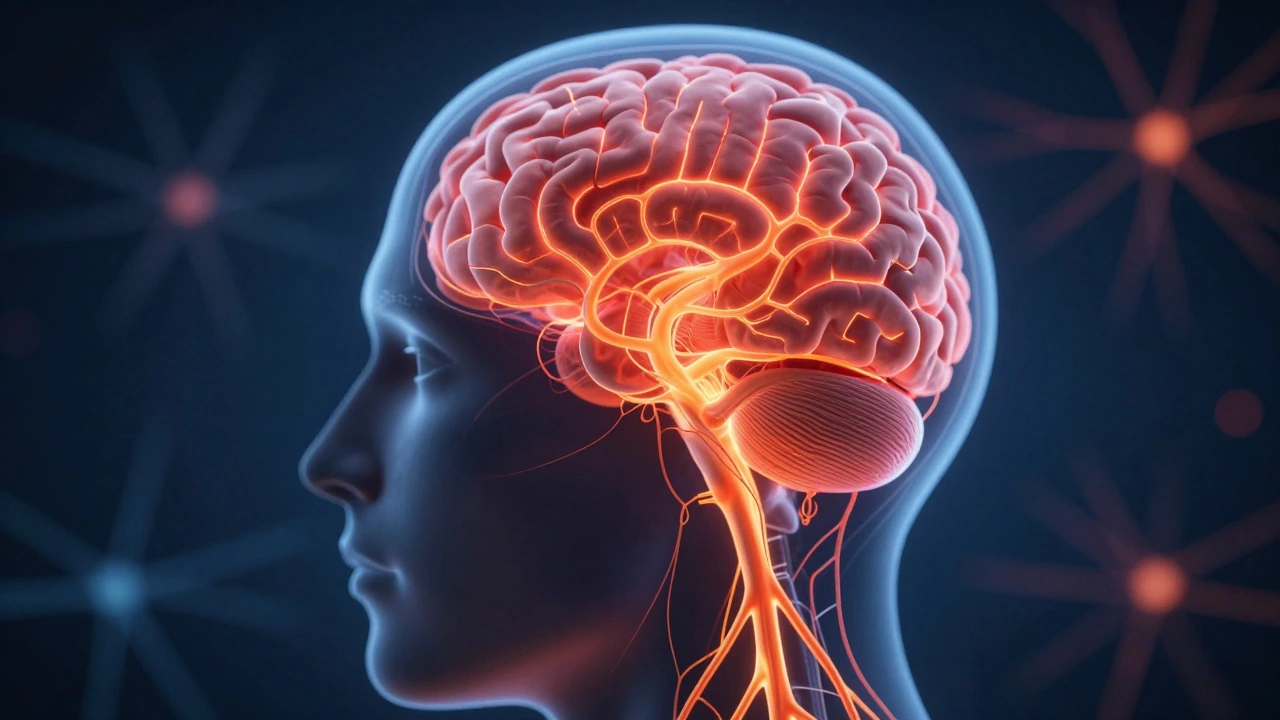
Imagine waking up with a headache that feels like a vice tightening around your skull. Now imagine that feeling doesn't go away after an hour or a day. It stays for weeks, months, even years. This is the reality for millions of people living with chronic pain. But what actually happens inside your body when pain becomes constant? It’s not just a sensation; it’s a full-body event that rewires how you think, move, and feel.
When pain persists, your body stops treating it as a temporary warning signal and starts treating it as a permanent state of emergency. The result is a cascade of physical and chemical changes that can make daily life exhausting. Understanding this process is the first step toward managing it effectively.
The Nervous System Goes into Overdrive
Your nervous system is designed to protect you. When you touch a hot stove, nerve fibers send a signal to your brain, which screams “danger,” causing you to pull your hand away. In acute pain, this system works exactly as intended. But in chronic pain, the alarm never turns off.
This phenomenon is known as central sensitization is a condition where the central nervous system becomes hypersensitive to pain signals, amplifying them over time. Essentially, your nerves start firing at lower thresholds. A light touch that used to feel neutral might now feel painful. This isn’t imagined-it’s a measurable change in neural processing. The brain literally maps more area to the source of pain, making the sensation feel bigger and more intense than the actual tissue damage would suggest.
Chemical Storms: Inflammation and Hormones
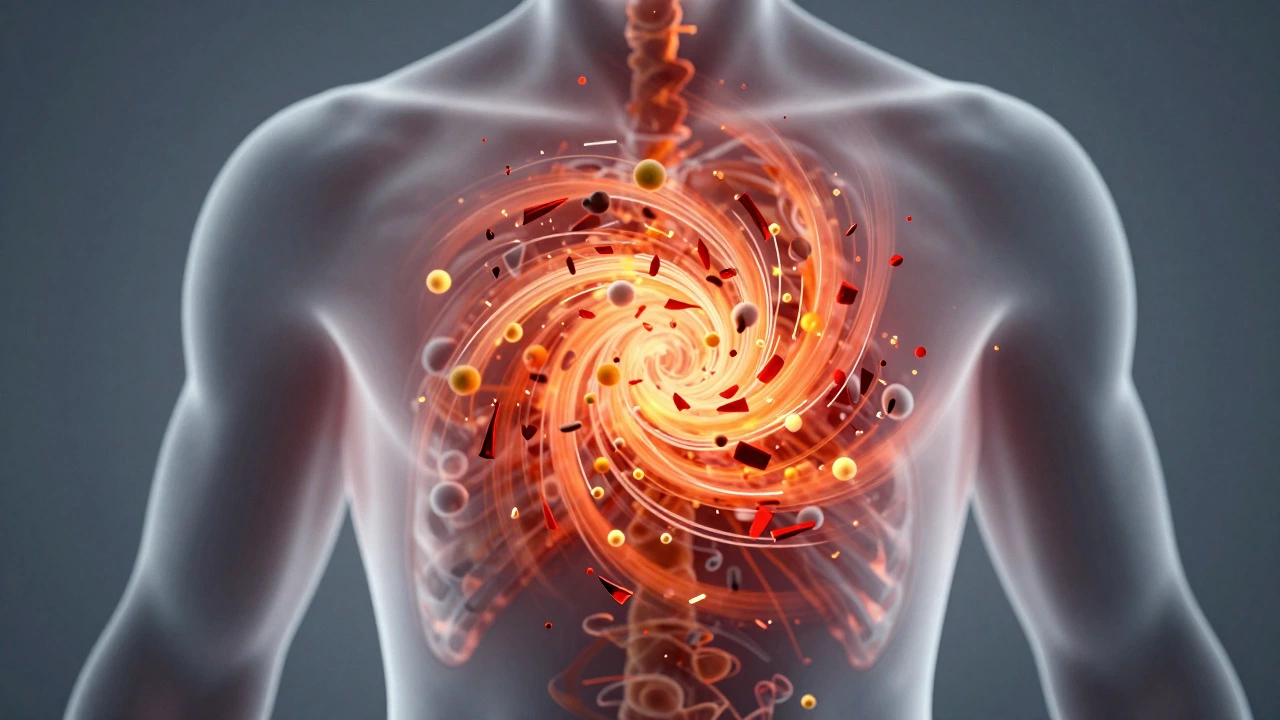
Pain triggers a release of chemicals throughout the body. In short bursts, these are helpful. They recruit immune cells to repair tissue. But when pain is constant, the body keeps releasing these inflammatory markers, leading to a state of low-grade, systemic inflammation.
- Cortisol: Often called the stress hormone, cortisol spikes during pain. Initially, this helps mobilize energy. But chronically elevated cortisol suppresses the immune system, disrupts sleep, and contributes to weight gain around the midsection.
- Cytokines: These proteins facilitate cell signaling. In chronic pain, pro-inflammatory cytokines remain high, contributing to fatigue and muscle soreness.
- Substance P: A neurotransmitter involved in transmitting pain signals. High levels are associated with increased pain sensitivity and mood disturbances.
This chemical cocktail creates a feedback loop. Inflammation causes more pain, which causes more stress hormones, which worsen inflammation. Breaking this cycle is often harder than treating the initial injury.
Mental Health and Cognitive Load
Pain doesn’t stay in the muscles or joints. It travels to the brain. Chronic pain is strongly linked to mental health conditions, particularly anxiety and depression. Why? Because the brain regions responsible for processing pain overlap significantly with those governing emotion and memory.
Living with constant discomfort requires immense cognitive effort. You spend hours calculating whether you can stand up, whether the stairs are safe, or whether a social event is worth the risk of flare-ups. This constant monitoring drains mental resources, leading to what experts call “pain fog”-a difficulty concentrating or remembering things. It’s not laziness; it’s a direct neurological consequence of sustained nociceptive input.
Sleep Disruption and Fatigue
One of the most debilitating side effects of unmanaged pain is poor sleep. Pain interferes with the ability to fall asleep and stay asleep. Without restorative deep sleep, the body fails to repair tissues and regulate emotions properly.
The lack of sleep lowers your pain threshold the next day, making everything hurt more. This creates a vicious cycle where pain prevents sleep, and lack of sleep intensifies pain. Many patients report feeling exhausted even after eight hours in bed because their sleep quality is fragmented by discomfort.
| Body System | Primary Change | Common Symptom |
|---|---|---|
| Nervous System | Central Sensitization | Allodynia (pain from non-painful stimuli) |
| Endocrine System | Elevated Cortisol | Weight gain, adrenal fatigue |
| Immune System | Chronic Inflammation | Fatigue, joint stiffness |
| Musculoskeletal | Protective Muscle Guarding | Weakness, reduced range of motion |
Muscle Changes and Physical Decline
To protect a painful area, your body naturally tightens surrounding muscles. This is called protective guarding. In the short term, it stabilizes the injured site. Over months, however, these muscles become permanently tense and shortened.
This leads to secondary pain in other areas. For example, someone with chronic lower back pain might develop neck and shoulder tension because they alter their posture to avoid triggering the back. Additionally, reduced movement leads to muscle atrophy. Weaker muscles provide less support to joints, increasing the load on ligaments and cartilage, which can accelerate degenerative changes.

How to Break the Cycle: Practical Strategies
Understanding the biology of pain empowers you to fight back. Treatment shouldn’t just focus on masking the symptom; it needs to address the underlying physiological shifts.
- Movement Therapy: Gentle, consistent movement helps desensitize the nervous system. It proves to the brain that motion isn’t dangerous. Physical therapy tailored to your specific limitations is crucial.
- Stress Management: Since cortisol plays a major role, techniques like mindfulness, deep breathing, or yoga can help lower baseline stress levels. This doesn’t mean “relaxing” your way out of pain, but rather reducing the chemical amplification of it.
- Sleep Hygiene: Prioritizing sleep consistency, even if the sleep isn’t perfect, helps reset circadian rhythms and reduce inflammation. Creating a cool, dark environment and limiting screen time before bed are simple but effective steps.
- Dietary Adjustments: An anti-inflammatory diet rich in omega-3 fatty acids, fruits, and vegetables can help lower systemic inflammation. Reducing processed sugars and refined carbs may also help stabilize energy levels and reduce pain flares.
It’s important to approach this as a long-term management plan rather than a quick fix. Small, consistent changes compound over time, gradually shifting your body out of its emergency mode.
When to Seek Professional Help
If your pain is affecting your daily function, sleep, or mood, it’s time to consult a healthcare provider. Look for specialists who understand multidisciplinary pain management. This team might include physiotherapists, pain psychologists, and primary care physicians working together. Don’t hesitate to ask about treatments that target the nervous system directly, such as certain medications or nerve blocks, if appropriate for your case.
Your body is resilient. Even after years of chronic pain, the nervous system can relearn how to process signals correctly. With the right support and understanding, you can reclaim control over your life.
Is chronic pain real if scans show no damage?
Yes. Chronic pain often involves changes in how the nervous system processes signals, a condition known as central sensitization. This means the pain is real and biological, even if imaging tests like X-rays or MRIs don't show structural damage. The issue lies in the software (nerves) rather than the hardware (bones/tissues).
Does being stressed make chronic pain worse?
Generally, yes. Stress increases cortisol and inflammatory markers, which can lower your pain threshold. While stress doesn't always cause the initial pain, it often amplifies existing pain signals, making them feel more intense and difficult to manage.
Can exercise hurt me if I have chronic pain?
Not if done correctly. Rest can sometimes weaken muscles and stiffen joints, potentially worsening pain over time. Low-impact, graded movement prescribed by a physiotherapist helps desensitize the nervous system and rebuild strength without triggering severe flares.
Why do I feel so tired all the time?
Fatigue in chronic pain is multifactorial. It results from poor sleep quality due to discomfort, the high energy cost of constantly managing pain, and the metabolic impact of chronic inflammation and elevated stress hormones.
What foods should I avoid with chronic pain?
While individual responses vary, highly processed foods, excessive sugar, and trans fats are known to promote inflammation. Reducing these can help lower systemic inflammatory markers, potentially easing background pain levels.
