IUI Success Rate: What Really Affects Your Chances of Getting Pregnant
When you're trying to get pregnant and your doctor suggests Intrauterine insemination, a fertility treatment where sperm is placed directly into the uterus around ovulation. Also known as IUI, it's often the first step before more expensive or invasive options like IVF. But how likely is it to work? The IUI success rate isn't a one-size-fits-all number—it changes based on age, cause of infertility, and even the clinic you go to.
Most couples see success rates between 10% and 20% per cycle, but that drops sharply after 35. If you're under 30 with unexplained infertility, your odds might be closer to 20%. If you're over 40 or have blocked tubes, IUI may not even be recommended. It works best when there’s a mild male factor, cervical issues, or when using donor sperm. It doesn’t fix major problems like low egg supply or severe endometriosis. That’s why doctors often pair it with ovulation drugs like Clomid or letrozole—those can boost the odds by helping you release more eggs.
Many people compare IUI to IVF, but they’re not the same. IVF gives you higher success rates—often double—but it’s also more expensive and involves more steps. IUI is simpler, cheaper, and less stressful. But if you’ve tried three or four cycles without luck, most clinics will suggest moving on. Time matters. The longer you wait, the more your natural fertility declines, especially after 38. There’s no magic number of tries that guarantees success. Some get pregnant on the first try. Others never do, even after six cycles. What’s clear is this: IUI isn’t a guaranteed fix, but for the right person, it’s a smart, low-risk place to start.
What you’ll find in the posts below are real stories and facts about fertility treatments—how to boost your chances naturally, what doctors really say about success rates, and how IUI fits into the bigger picture of getting pregnant. You’ll see how diet, timing, and even stress levels play a role. No fluff. Just what actually helps.
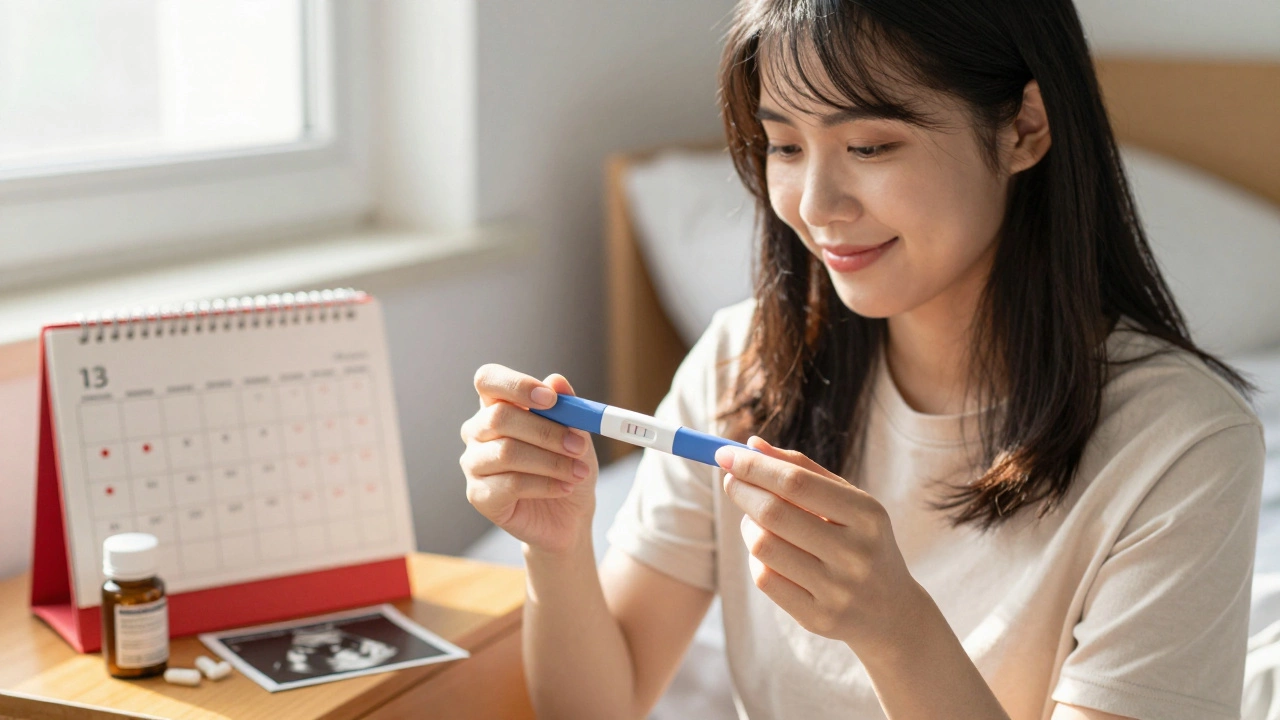
What Is the Fastest Fertility Treatment? Real Timelines and What Actually Works
The fastest fertility treatment depends on your situation. IUI with ovulation induction can get you to a pregnancy test in under a month-if you qualify. IVF is faster for complex cases. Start with the right option, not the most popular one.
