Healthcare System Problems: Why Access, Cost, and Inequality Are Breaking the Model
When we talk about healthcare system problems, the structural flaws in how medical services are funded, delivered, and accessed across nations. Also known as health system failures, these issues aren’t just bureaucratic—they cost lives, savings, and trust. It’s not about bad doctors. It’s about systems that reward profit over care, delay treatment based on income, and make basic health services feel like a luxury.
One major piece of this puzzle is private healthcare, a model where care is tied to insurance, income, or out-of-pocket payments. This system works well for those who can pay—but leaves others waiting, skipping treatment, or going into debt. In the UK, private healthcare offers faster access, but only if you can afford it. In the US, it’s the only option for many, yet costs nearly three times more than in the UK. This isn’t choice—it’s a lottery based on your bank account. And when private care grows, public systems shrink. Hospitals get underfunded, GPs get overloaded, and wait times climb. The public healthcare, government-funded care meant to be available to everyone regardless of income. Also known as universal healthcare, it’s designed to be fair—but when funding drops, so does quality. In places like the NHS, staff are stretched thin. In the US, millions still have no coverage at all. The result? People delay care until it’s an emergency. And emergencies cost more—both in money and lives.
The real kicker? healthcare costs, the total price paid for medical services, including insurance premiums, copays, and out-of-pocket spending. Also known as medical expenses, they’re rising faster than wages in nearly every country. A single hospital stay in the US can wipe out a year’s savings. In the UK, dental implants or top surgery might be free on paper—but you’ll wait over a year. Meanwhile, the most profitable specialties in hospitals aren’t the ones helping the most people—they’re the ones bringing in the most cash. That’s why you see ads for 20-minute facelifts and cheap tummy tucks overseas. Profit drives marketing, not need.
And then there’s healthcare inequality, the gap in access and outcomes between rich and poor, urban and rural, insured and uninsured. Also known as medical disparity, it’s not accidental—it’s built into the system. If you’re poor, you wait. If you’re rich, you jump the line. This isn’t theory. It’s happening right now in waiting rooms, ERs, and online prescription scams. People are choosing between medicine and rent. They’re skipping insulin because it’s $300 a month. They’re googling natural antibiotics because they can’t afford a doctor.
What you’ll find below isn’t just a list of articles. It’s a map of the broken parts—and the real solutions people are using to survive them. From how much private insurance really costs in the US, to why dental implants are out of reach for so many, to how the UK’s NHS treats visitors from abroad—each post cuts through the noise. You’ll see the numbers. The stories. The workarounds. And the truth: the system isn’t failing because people are lazy. It’s failing because it was never designed to care for everyone.
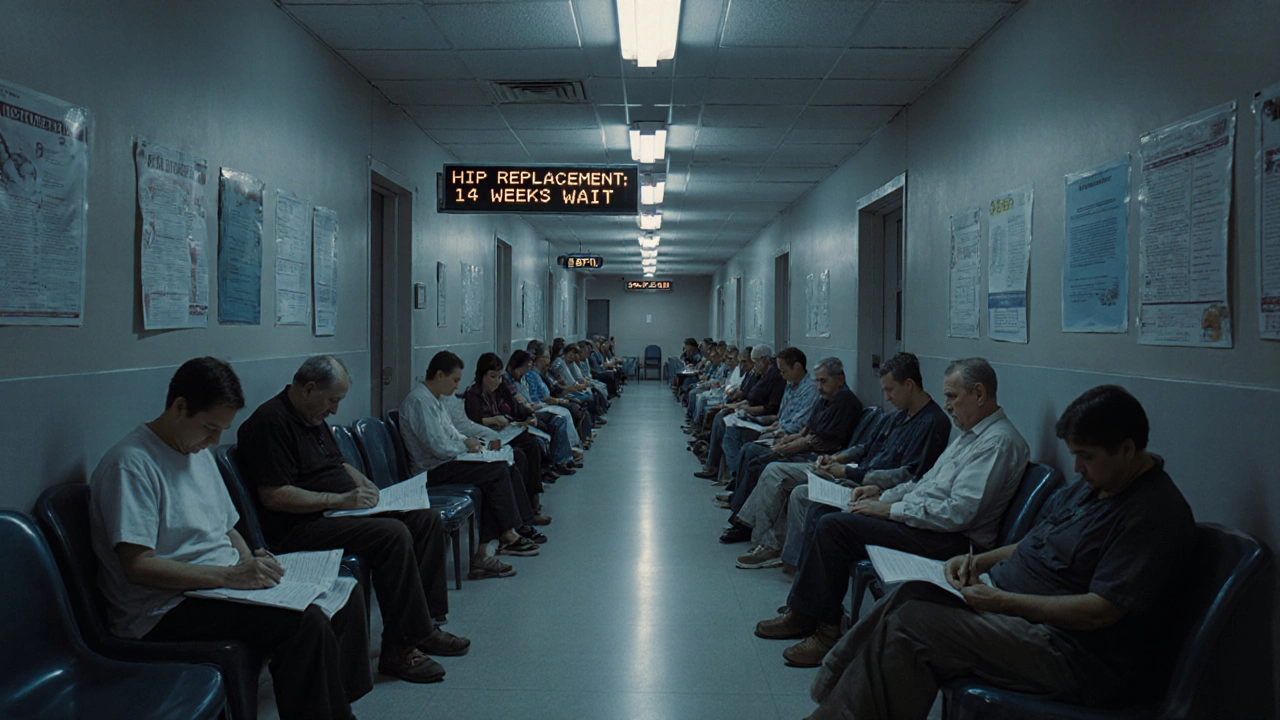
What Are the Disadvantages of Free Healthcare?
Free healthcare offers universal access but comes with long waits, outdated equipment, and limited choices. Discover the real downsides of tax-funded systems and how they affect everyday care.
