Free Healthcare Disadvantages: What You're Not Being Told
When people talk about free healthcare, a system where medical services are funded by the government and provided at no direct cost to patients. Also known as universal healthcare, it's designed to ensure everyone gets care regardless of income. But behind the promise of equal access lies a set of practical problems that don’t get talked about enough. The UK’s NHS, Canada’s system, or any publicly funded model may remove upfront bills, but they don’t remove scarcity. And scarcity always finds a way to show up—in wait times, in restricted options, and in the quiet frustration of patients who need help now.
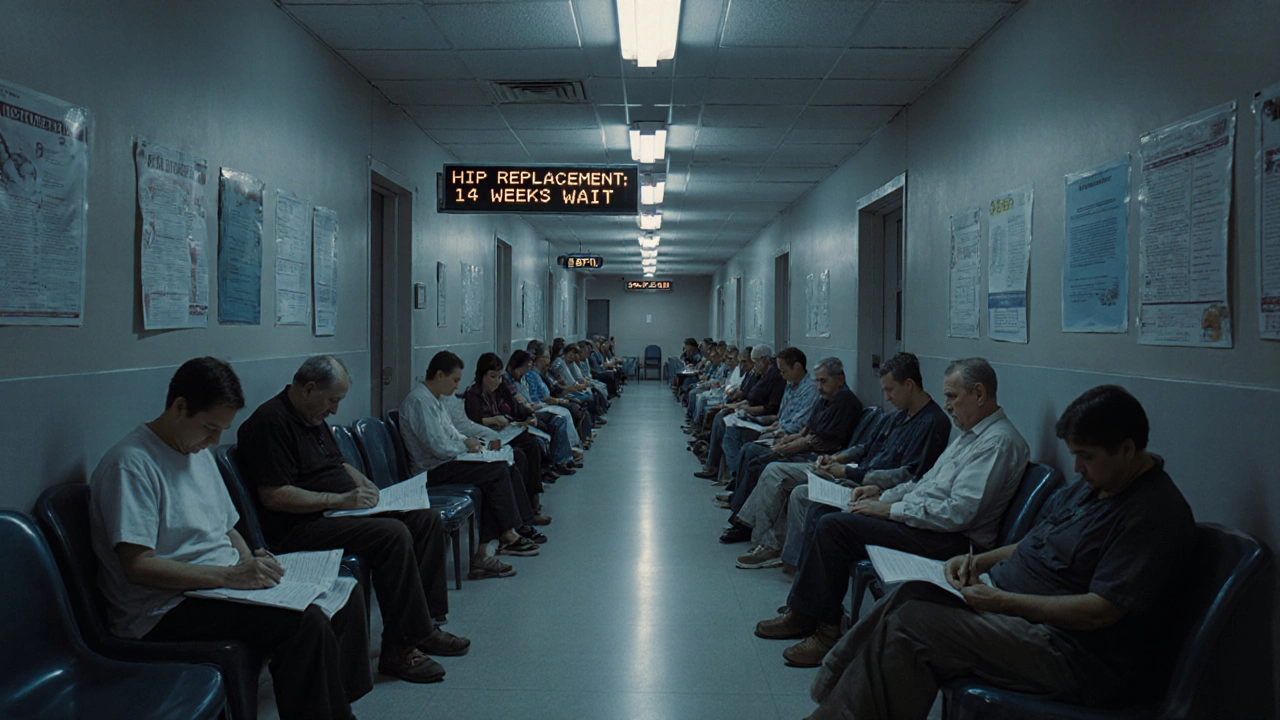
One of the biggest free healthcare disadvantages, the trade-offs that come with government-funded medical systems is how long you wait. A 2023 NHS report showed that over 7 million people in England were waiting for routine treatment—some for over a year. That’s not a glitch. It’s a structural result of underfunding, staffing shortages, and demand outpacing capacity. Meanwhile, people who can afford private care jump ahead. This isn’t just inconvenient—it’s dangerous. Chronic pain, early-stage cancer, or a worsening condition doesn’t pause because the system is backed up. And while the system says it’s fair, the reality is that your access often depends on your patience, not your need.
Another hidden cost? limited treatment options, the reduced range of procedures, medications, or specialists available under public funding. Free healthcare doesn’t mean comprehensive care. Many newer drugs, advanced therapies, or elective procedures are either banned or require special approval. If your doctor recommends a treatment that’s not on the approved list, you’re out of luck unless you pay out of pocket. That turns "free" into "selectively free." And if you’re one of the people who needs that specific treatment, it feels less like a safety net and more like a wall.
There’s also the issue of resource allocation, how limited funds are distributed across services, often prioritizing urgent over preventive care. Budgets are tight, so money flows to emergency rooms and life-saving interventions. Preventive care, mental health services, and long-term chronic pain programs get squeezed. That’s why so many people end up in crisis before they get help. You’re not being lazy—you’re just caught in a system designed to react, not prevent.
And let’s not forget the workforce. Doctors and nurses aren’t paid more in free healthcare systems—they’re often paid less, work longer hours, and face higher burnout. That leads to staffing gaps, which leads to longer waits, which leads to more stress for everyone. It’s a cycle that’s hard to break when funding is tied to taxes and political cycles, not patient need.
None of this means free healthcare is a bad idea. It’s a powerful concept that saves lives and prevents financial ruin. But pretending it’s perfect ignores the real trade-offs millions live with every day. The posts below dig into those gaps—the hidden costs, the unfairness, the delays, and the choices people make when the system doesn’t move fast enough. You’ll find real stories about people stuck in waiting lists, families paying for private care just to get timely help, and the quiet ways inequality sneaks into even the most well-intentioned systems. What you’ll see isn’t theory. It’s what happens when healthcare is free, but not fast, not flexible, and not always fair.
What Are the Disadvantages of Free Healthcare?
Free healthcare offers universal access but comes with long waits, outdated equipment, and limited choices. Discover the real downsides of tax-funded systems and how they affect everyday care.
