 Sep, 20 2026
Build Your Chronic Pain Management Toolkit
Select the strategies below that align with your current needs and lifestyle. Click a card to add it to your personal toolkit.
CBT
Retrain brain response to pain signals and stress.
Graded Exercise
Break the fear-pain cycle through safe movement.
Mindfulness
Decouple sensory pain from emotional distress.
TENS
Gatekeeper for local muscular pain relief.
Acupuncture
Natural pain relief via nerve stimulation.
VR Therapy
Distract the brain from processing pain signals.
My Toolkit 0
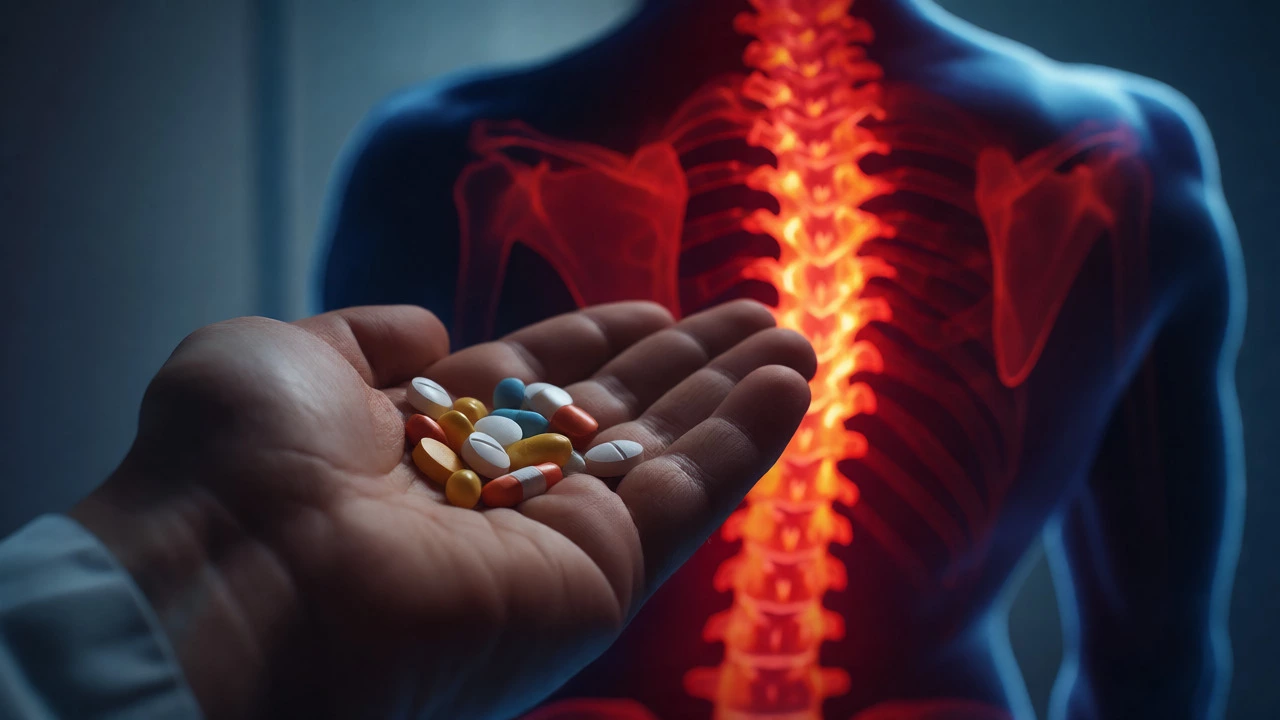
You’ve tried the ibuprofen. You’ve escalated to prescription opioids. Maybe you even tried nerve blocks. Yet that stubborn ache in your lower back or the burning sensation in your feet refuses to quit. It’s a frustrating reality for millions of people living with chronic pain: when standard analgesics lose their effectiveness, the condition often feels like it has hit a dead end. But here is the truth: medication is just one tool in the box, and for many types of persistent discomfort, it is not even the most effective one. If pills aren’t working, it doesn’t mean you’re out of options; it means you need to shift strategies from masking symptoms to retraining how your nervous system processes signals.
Why Painkillers Stop Working
To fix the problem, you have to understand why the current approach failed. Most over-the-counter drugs like paracetamol or NSAIDs target inflammation. They work well for acute injuries, like a sprained ankle. But chronic pain, especially lasting more than three months, often involves changes in the central nervous system. This is known as central sensitization. Your brain essentially turns up the volume on pain signals, interpreting harmless inputs as dangerous threats.
When this happens, peripheral anti-inflammatory drugs can’t reach the source of the issue because the "fire" isn’t in the tissue anymore-it’s in the wiring. Opioids, while potent, carry high risks of tolerance (needing more drug for the same effect) and hyperalgesia (where the drug itself makes you more sensitive to pain). If you find yourself taking higher doses for diminishing returns, your body is signaling that it needs a different mechanism of action, not a stronger chemical hammer.
Moving Beyond Pills: The Biopsychosocial Model
Modern pain science has moved away from viewing pain as purely a physical injury. Instead, experts use the biopsychosocial model, which recognizes that biological factors, psychological state, and social environment all influence pain perception. This isn’t about saying the pain is "in your head." It’s about acknowledging that stress, fear of movement, and isolation can physically amplify pain signals. Addressing these layers is where true relief begins.
For example, if you are afraid that moving will hurt you, you tense your muscles. That tension creates more pain, which reinforces the fear, creating a vicious cycle. Breaking this loop requires interventions that don’t come in a pill bottle. It requires active participation rather than passive consumption of treatment.
Physical Therapies That Rewire the Nervous System
Passive treatments like heat packs or ultrasound provide temporary comfort but rarely solve long-term issues. Active therapies, however, teach your body new ways to function. Graded Exposure Therapy is a technique used by physiotherapists to gradually reintroduce movements that trigger pain, proving to the brain that these actions are safe. Over time, this reduces the threat value assigned to specific motions.
Cognitive Functional Therapy (CFT) combines education, behavioral experiments, and movement skills training. A study published in *The Lancet* showed that CFT was significantly more effective than usual care for chronic low back pain. The goal isn’t just to stretch tight hamstrings; it’s to change the beliefs driving muscle guarding. Other physical approaches include:
- TENS Machines: Transcutaneous Electrical Nerve Stimulation devices send mild electrical pulses through the skin. These pulses can interfere with pain signals reaching the brain, acting as a gatekeeper.
- Aquatic Therapy: Water buoyancy supports weight-bearing joints, allowing for exercise without the crushing pressure that exacerbates arthritis or fibromyalgia.
- Acupuncture: While debated, evidence suggests acupuncture may stimulate the release of endorphins and serotonin, the body’s natural pain relievers, particularly for osteoarthritis and tension headaches.
The Role of Mind-Body Techniques
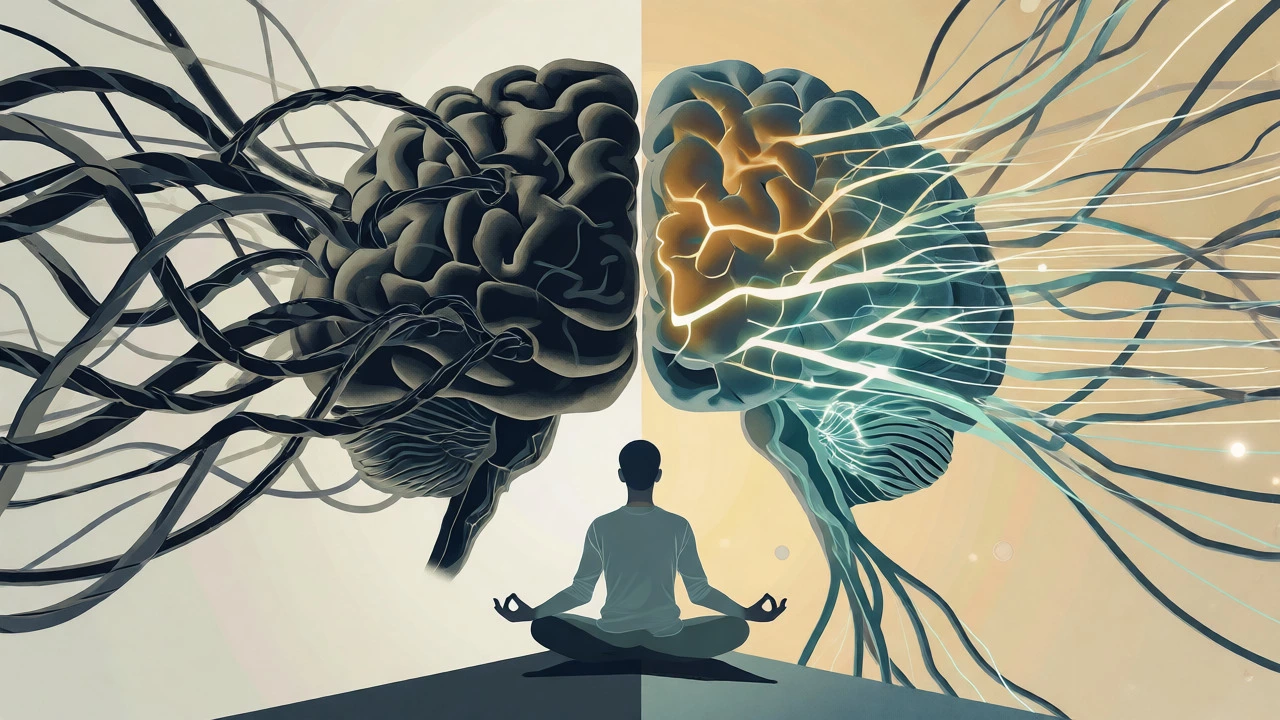
If your pain is driven by a hypersensitive nervous system, calming that system down is critical. Mindfulness-Based Stress Reduction (MBSR) is an eight-week program that teaches participants to observe pain sensations without reacting to them with distress. Research indicates that mindfulness can actually reduce the intensity of pain ratings by decoupling the sensory experience of pain from the emotional suffering attached to it.
Similarly, Pain Reprocessing Therapy (PRT) focuses specifically on neuroplasticity-the brain's ability to form new neural connections. PRT guides patients to reinterpret pain signals as false alarms. Many patients report significant reductions in pain levels after completing structured PRT programs, even years after their initial injury healed. It sounds too good to be true, but the science backs it: changing your interpretation of pain changes the pain itself.
Digital Tools and Emerging Tech
Technology offers new avenues for managing pain at home. Virtual Reality (VR) distraction therapy is gaining traction in clinical settings. By immersing the brain in a visual and auditory environment, VR competes for attention resources, leaving less bandwidth for processing pain signals. Studies show VR can reduce opioid consumption in post-surgical patients and help those with complex regional pain syndrome.
Apps designed for pain tracking also play a crucial role. Keeping a detailed log helps identify triggers-like poor sleep, certain foods, or weather changes-that medication alone ignores. Some apps now incorporate guided breathing exercises or biofeedback, helping users lower their heart rate and muscle tension in real-time during flare-ups.

Nutrition and Lifestyle Adjustments
Inflammation is a key driver for many chronic conditions. An anti-inflammatory diet rich in omega-3 fatty acids, leafy greens, and berries can lower systemic inflammation markers like C-reactive protein. Conversely, processed sugars and trans fats can spike inflammatory responses, worsening joint pain.
Sleep hygiene is equally vital. Poor sleep lowers the pain threshold, making existing pain feel worse. Establishing a strict wind-down routine, keeping the bedroom cool, and avoiding screens before bed can improve sleep quality. Better sleep leads to better pain coping mechanisms, creating a positive feedback loop.
| Strategy | Best For | Time to Effect | Evidence Level |
|---|---|---|---|
| Cognitive Behavioral Therapy (CBT) | Pain anxiety, catastrophizing | 4-8 weeks | High |
| Graded Exercise | Deconditioning, stiffness | 6-12 weeks | High |
| Mindfulness/MBSR | Stress-induced flare-ups | 8 weeks | Moderate-High |
| TENS | Local muscular pain | Immediate | Moderate |
| Acupuncture | Osteoarthritis, migraines | Variable | Moderate |
Building Your Personal Pain Toolkit
There is no single cure for everyone. The most successful patients build a toolkit combining several approaches. You might start with physical therapy to address mechanical issues, add mindfulness to handle the emotional toll, and adjust your diet to lower baseline inflammation. Tracking what works allows you to tailor the mix. Remember, pain management is a marathon, not a sprint. Small, consistent efforts yield better long-term results than sporadic, intense interventions.
Is it possible to completely eliminate chronic pain?
While complete elimination is possible for some, the primary goal is usually functional improvement and reduced pain intensity. Many people achieve a state where pain no longer dictates their daily activities, even if they still feel occasional discomfort.
How long does it take for non-drug therapies to work?
It varies by method. TENS provides immediate relief, while therapies like CBT, mindfulness, and graded exercise typically require 4 to 12 weeks of consistent practice to show significant neurological changes.
Does mindfulness really change the brain?
Yes, neuroimaging studies show that regular mindfulness practice can alter brain structure and function, specifically in areas related to pain processing and emotional regulation, effectively dampening the pain response.
Should I stop taking my painkillers immediately?
Never stop strong painkillers abruptly, especially opioids, as withdrawal can cause severe rebound pain and other health risks. Always taper off under medical supervision while introducing new management strategies.
What if exercise hurts too much to start?
Start with micro-movements. Even five minutes of gentle stretching or walking counts. The key is consistency over intensity. Work with a physiotherapist who specializes in chronic pain to design a safe starting point.
