 Dec, 1 2025
NHS Cost Calculator
Calculate your estimated out-of-pocket costs for NHS services based on your location, age, and medical needs. Find where you might qualify for exemptions.
Your estimated annual healthcare costs:
Many people assume that if you live in the UK, all healthcare is free-no bills, no co-pays, no surprises. But that’s not quite true. The NHS is funded by taxes, and yes, most core services are free at the point of use. But there are plenty of exceptions, hidden costs, and situations where you’ll still pay out of pocket. If you’re new to the UK, planning to move, or just confused by what’s covered, this is what you really need to know.
What’s actually free under the NHS?
The NHS covers a wide range of services without direct charges for most UK residents. That includes seeing your GP, emergency care in A&E, hospital treatment, maternity care, mental health services, and most diagnostic tests like X-rays and blood work. If you’re a legal resident-whether you’re a citizen, permanent resident, or on a qualifying visa-you won’t be charged for these services when you need them.
For example, if you break your arm, walk into A&E, get an X-ray, and have it set, you pay nothing. If you’re pregnant and go through antenatal checkups and delivery, it’s all covered. Even long-term conditions like diabetes or asthma are managed with free prescriptions (in most cases).
Prescriptions: Not always free
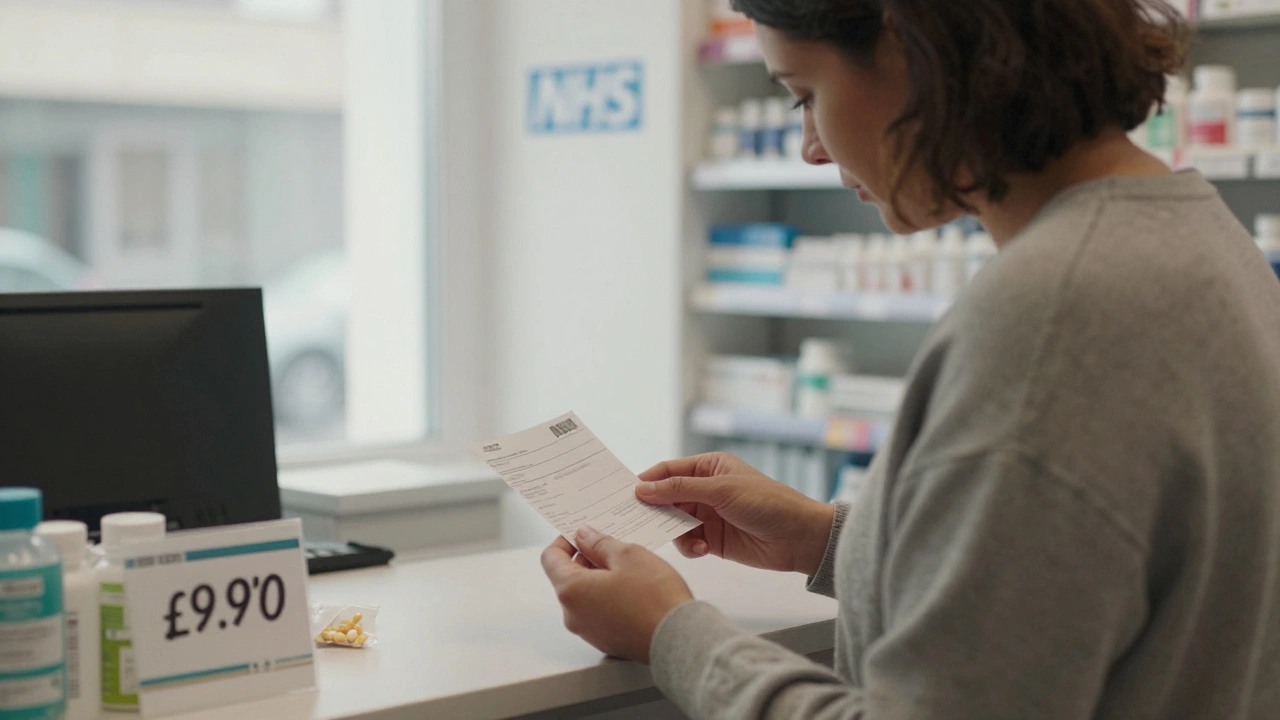
This is where things get messy. In England, you pay £9.90 per prescription item as of 2025. That’s not a small amount if you take multiple medications. Scotland, Wales, and Northern Ireland still offer free prescriptions for everyone, but England is the outlier.
There are exemptions, though. If you’re under 16, over 60, pregnant, on certain benefits like Universal Credit, or have a medical condition that qualifies you for an exemption certificate (like epilepsy or diabetes), you don’t pay. You can also buy a Prescription Prepayment Certificate (PPC) for £114.50 a year, which covers unlimited prescriptions. If you need more than 11 prescriptions in a year, it pays for itself.
Dental care: Pay-per-treatment
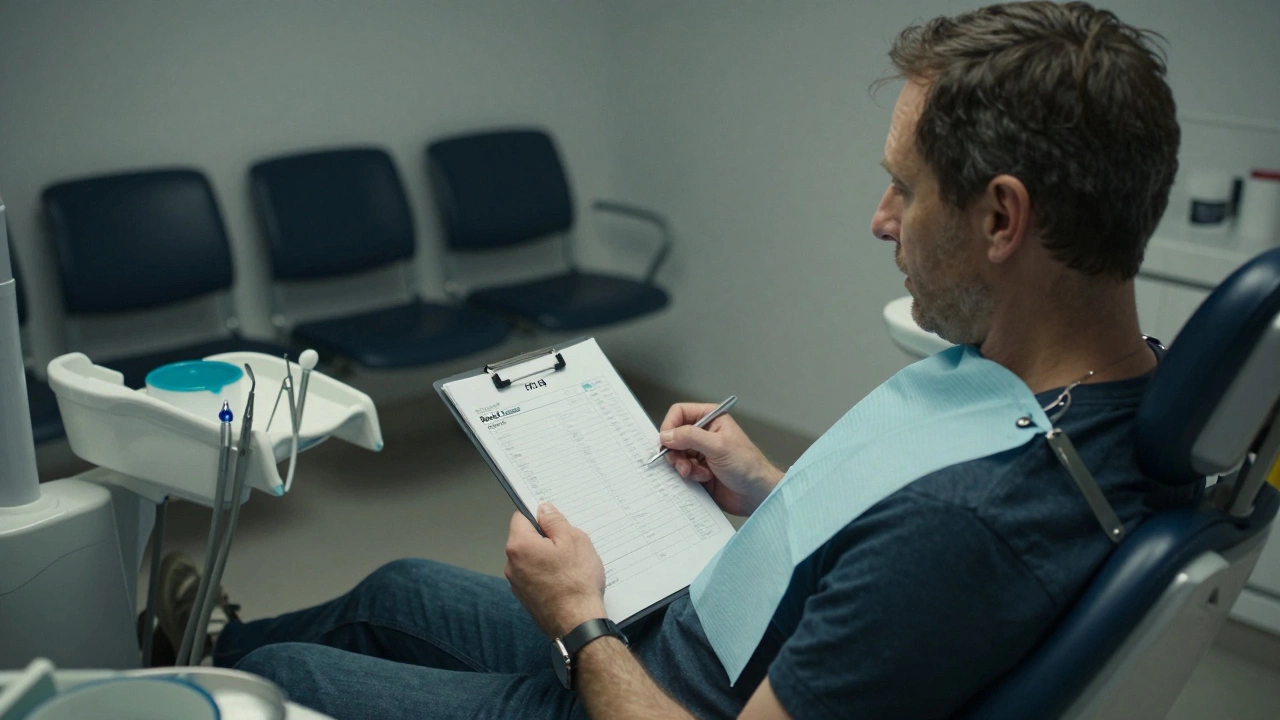
NHS dental care isn’t free. You pay set bands based on treatment type:
- Band 1: £26.80 - check-up, diagnosis, advice
- Band 2: £73.50 - fillings, root canals, extractions
- Band 3: £319.10 - crowns, dentures, complex procedures
Children under 18, pregnant women, and people on low-income benefits get free dental care. But if you’re an adult earning above the threshold, you pay full price. Many people avoid regular check-ups because they don’t realize how quickly costs add up. A simple filling can cost more than a monthly gym membership.
Eye tests and glasses: Out-of-pocket
NHS eye tests are free only if you qualify. That includes people under 16, over 60, diabetics, glaucoma patients, or those on certain benefits. For everyone else, an eye test costs around £25-£30. Glasses and contact lenses? You pay full price. The NHS does give vouchers toward the cost of glasses if you’re on low income or receive certain benefits, but those vouchers rarely cover the full cost of decent frames or lenses.
Travel and overseas care: Not covered
If you travel outside the UK and need medical help, the NHS won’t pay. You might get emergency care in EU countries with a GHIC (Global Health Insurance Card), but that only covers necessary treatment. It doesn’t cover things like repatriation, planned surgery, or lost medication. Many people assume their NHS coverage travels with them-it doesn’t. That’s why travel insurance with medical coverage is essential.
Private healthcare: A growing alternative
With NHS waiting lists for non-emergency procedures often stretching months-or even years-many people turn to private healthcare. Private hospitals offer faster access, private rooms, and more choice of consultants. But it’s expensive. A private knee replacement can cost £12,000-£18,000. That’s why private health insurance exists.
Private health insurance in the UK typically covers hospital treatment, specialist consultations, and sometimes diagnostics. But it rarely covers GP visits, maternity care, or chronic conditions. Most policies exclude pre-existing conditions. Premiums vary based on age, location, and coverage level. A basic plan for a 35-year-old might cost £40-£60 a month. A comprehensive one for a family could be £200+.
What about migrants and visitors?
If you’re visiting the UK on a short-term visa, you’ll be charged for most NHS services unless it’s emergency care. Tourists pay up to 150% of the NHS cost for treatment-sometimes thousands of pounds for hospital stays. Even students on long-term visas must pay the Immigration Health Surcharge (IHS) as part of their visa application. As of 2025, that’s £776 per year for most applicants. Paying the IHS gives you access to most NHS services, but not everything. Dental and optical care still cost extra.
Hidden costs you might not think about
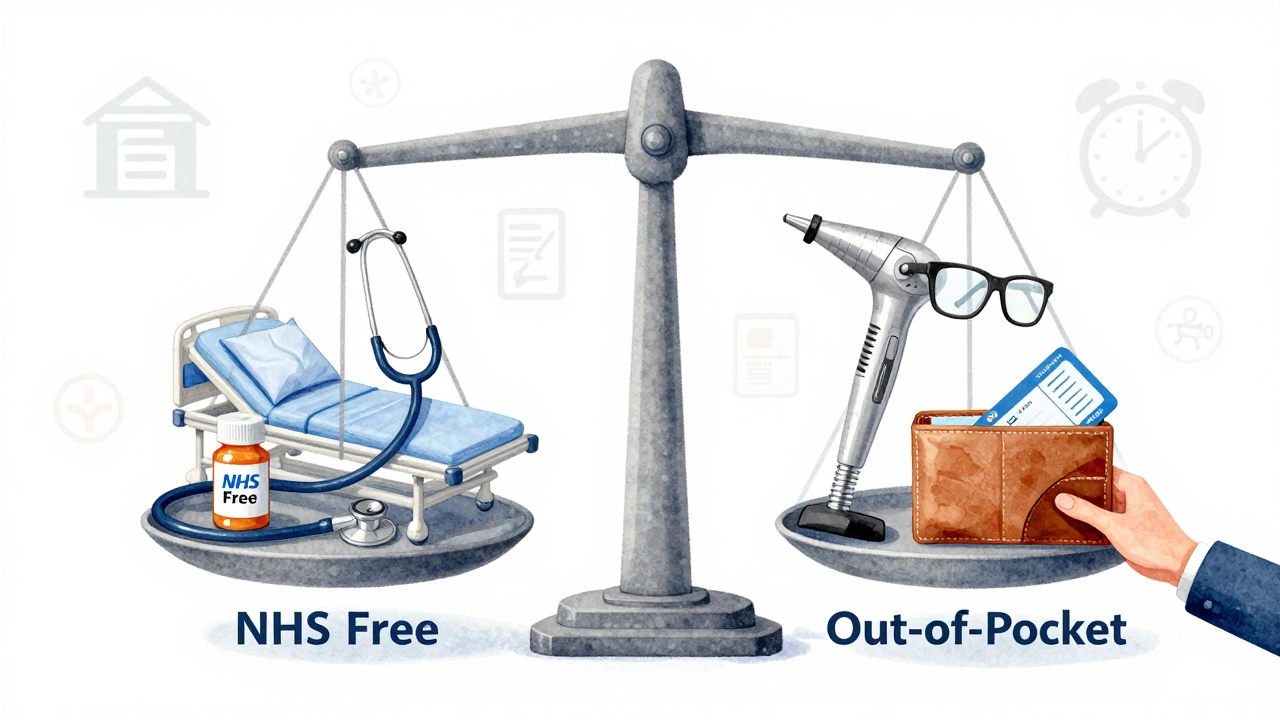
Even when treatment is free, there are indirect costs. Travel to appointments, parking fees at hospitals, time off work, childcare while you’re at the clinic-these aren’t billed by the NHS, but they’re real expenses. For low-income families, missing a day of work for a hospital visit can mean lost wages that hurt more than any prescription charge.
Some people also pay for private GP services to skip NHS waiting times. A 15-minute private consultation can cost £50-£100. It’s not cheap, but for people who need quick answers or can’t wait months for a referral, it’s worth it.
Is the NHS worth it? The real trade-off
The NHS is one of the most efficient healthcare systems in the world. It spends less per person than the US, Canada, or Germany, yet delivers comparable or better outcomes in areas like life expectancy and preventable deaths. But efficiency doesn’t mean no cost. The trade-off is wait times, limited choice, and out-of-pocket expenses for things like dental care and prescriptions.
If you’re healthy and rarely need treatment, the system works well. You pay through taxes and get peace of mind. But if you have ongoing health needs-especially dental, vision, or chronic conditions-you’ll quickly realize that ‘free’ doesn’t mean ‘no cost.’
How to reduce your out-of-pocket expenses
- Check if you qualify for NHS exemptions (income, age, pregnancy, medical conditions)
- Get a Prescription Prepayment Certificate if you need more than 11 prescriptions a year
- Use free NHS dental check-ups even if you don’t think you need them-early detection saves money
- Apply for the NHS Low Income Scheme if you’re struggling with costs
- Consider private insurance only if you need faster access to non-emergency care
There’s no perfect system. The NHS isn’t free in the way people imagine, but it’s still one of the most affordable ways to access healthcare in a wealthy country. The key is knowing where the costs hide-and planning for them.
Is everything free on the NHS?
No. While most hospital and GP care is free at the point of use, you pay for prescriptions in England, dental treatment, eye tests (if you don’t qualify for free ones), and glasses or contact lenses. Travel outside the UK isn’t covered, and some services like private rooms or faster appointments require extra payment.
Do I have to pay for healthcare if I’m not a UK citizen?
If you’re a visitor or tourist, you’ll be charged for most NHS services except emergency care. Students and long-term visa holders must pay the Immigration Health Surcharge (IHS) as part of their visa application-currently £776 per year. Paying the IHS gives you access to most NHS services, but dental, optical, and some other treatments still cost extra.
Why are prescriptions free in Scotland but not in England?
Healthcare is devolved, meaning Scotland, Wales, and Northern Ireland make their own rules. Scotland abolished prescription charges in 2011, Wales in 2007, and Northern Ireland in 2010. England kept them, arguing they help manage demand and fund the NHS. The policy remains controversial, with many calling for uniform free prescriptions across the UK.
Can I get private healthcare without insurance?
Yes. You can pay for private treatment out of pocket without insurance. Many people do this for faster access to specialists, surgery, or diagnostic scans. Costs vary widely-a private MRI might cost £300-£500, while a hip replacement could be over £15,000. Private clinics often offer payment plans or discounts if you pay upfront.
Does private health insurance cover everything?
No. Most private health insurance policies don’t cover GP visits, maternity care, chronic conditions, mental health therapy, or emergency care (since that’s covered by the NHS). They focus on fast access to hospital treatment and specialist consultations. Pre-existing conditions are usually excluded. Always read the policy details carefully.
