 Jul, 12 2026
PBS Prescription Cost Estimator
Estimate Your Annual Medicine Costs
Based on 2026 estimates including safety net benefits.
Breakdown Details
- Standard Rate Paid: $0.00
- Safety Net Reduction: $0.00
- Extended Safety Net Benefit: $0.00
- Potential Savings vs No Safety Net: $0.00
Enter your details to see how much you might save with the PBS Safety Net.
Walking into a pharmacy in Australia with a script can feel like stepping into a financial minefield if you aren't prepared. You hand over the paper or digital code, expecting the government promise of 'free' healthcare to cover it all. Then comes the sticker shock: $31.60 per item. For someone living on a tight budget, that price tag isn't just an inconvenience; it's a barrier to survival.
The short answer to whether Medicare is free if you are poor is complicated. Medicare itself-the card and the bulk-billing system-is available to everyone regardless of income. But the subsidies that make it affordable have limits. If those limits are exceeded, or if your specific medication isn't covered by bulk billing, you pay out of pocket. However, there is a robust safety net designed specifically for low-income earners and pensioners that drastically reduces these costs.
Understanding the Gap Between Medicare and Out-of-Pocket Costs
To understand why you might still be paying, we need to look at how the system actually works. Many people assume Medicare covers everything. It doesn't. It covers a percentage of the Medical Benefits Schedule (MBS) fee. If a doctor charges more than that scheduled fee, you pay the difference. This is known as the 'gap'.
For general practitioners (GPs), many choose to 'bulk bill'. This means they accept the Medicare rebate as full payment. You pay nothing. But not all doctors bulk bill, especially specialists or those in private practices. Even if your GP bulk bills, the hospital visit might not be fully covered if you go to a private facility. So, while the service is subsidized, it isn't automatically free for every interaction.
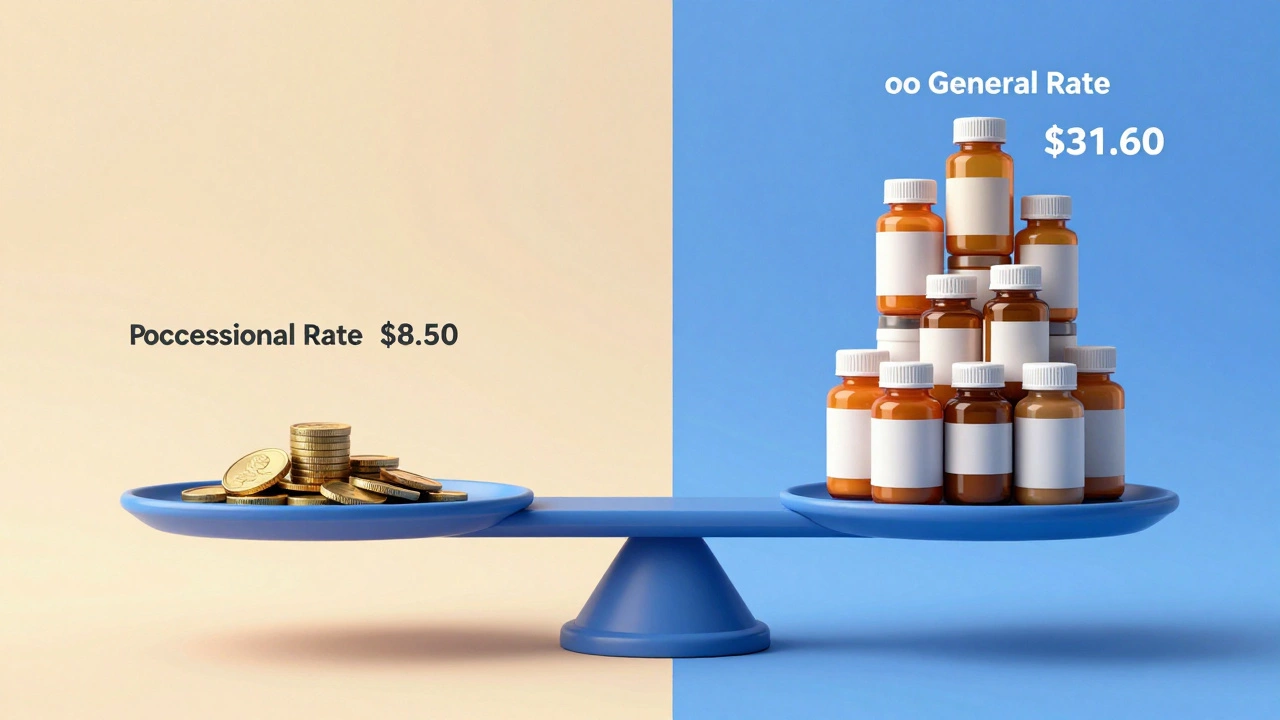
Then there is the Pharmaceutical Benefits Scheme (PBS). This is where the real cost hits for low-income households. The PBS subsidizes prescription medicines. Without it, a box of insulin could cost hundreds of dollars. With it, you pay a concessional rate or a general rate. In 2026, the general patient co-payment sits around $31.60, while the concessional rate is significantly lower, often under $8.50. The key here is eligibility. Are you considered 'concessional'? If you are poor, you likely are, but you need the right card to prove it.
The Concession Card: Your Key to Lower Costs
If your income is low, you probably hold one of several government-issued concession cards. These cards are the gatekeepers to cheaper healthcare. They signal to pharmacies and doctors that you qualify for reduced fees.
- Pensioner Concession Card: Issued to those receiving certain pensions from Services Australia.
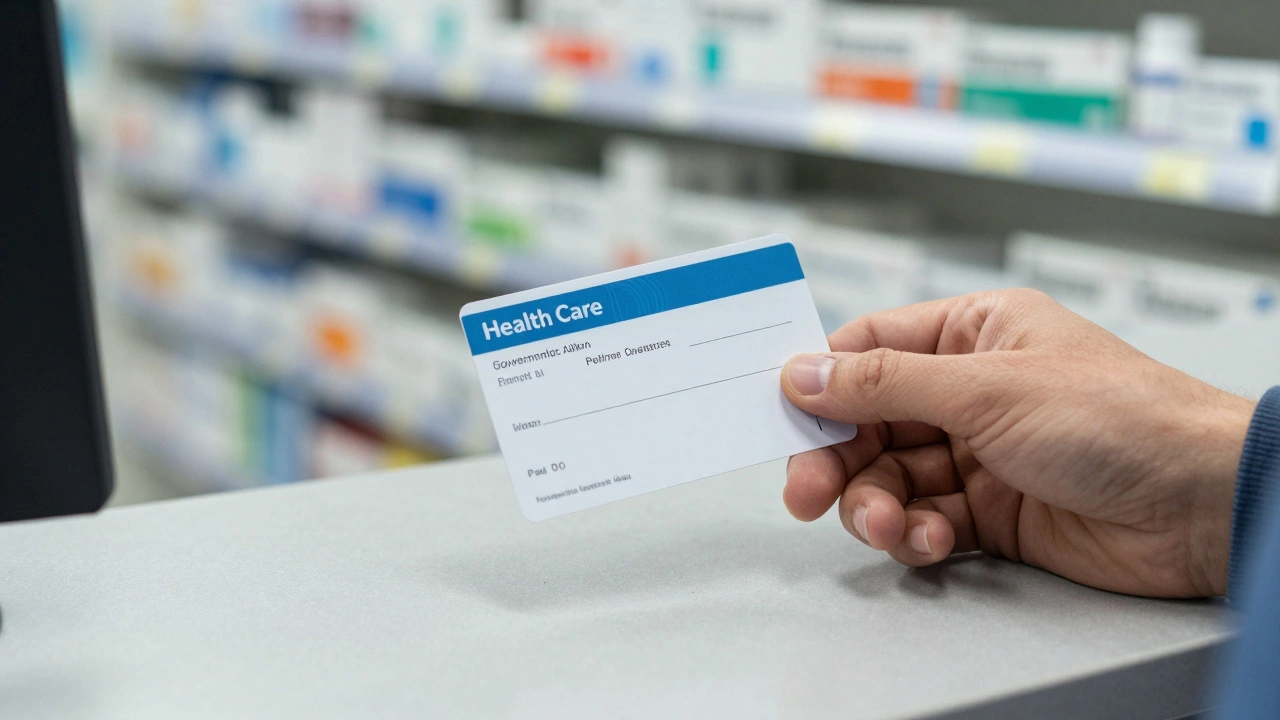
- Health Care Card: Issued to families and individuals with low incomes who don't receive a pension but meet income tests.
- DVA Gold or White Card: For veterans and their dependents, offering extensive benefits including free prescriptions.
Having a Health Care Card changes the math entirely. Instead of paying the general PBS price, you pay the concessional price. This alone can save thousands of dollars a year for chronic conditions requiring daily medication. But even this isn't enough if you take multiple medications. That’s where the safety nets come in.
Navigating the PBS Safety Net
The Pharmaceutical Benefits Scheme has two main safety nets designed to cap your annual spending. Once you hit the threshold, your next prescriptions become much cheaper or completely free for the rest of the calendar year.
| Safety Net Type | Threshold (General) | Threshold (Concessional) | Benefit After Threshold |
|---|---|---|---|
| Standard PBS Safety Net | $499.70 | $137.90 | Pay concessional rate instead of general rate |
| Extended PBS Safety Net | $1,699.00 | $463.00 | Free prescriptions for remainder of year |
Notice the disparity. As a concessional patient, you hit the first safety net after spending roughly $138. From that point on, you only pay the concessional rate ($8.50) instead of the general rate ($31.60) for any remaining scripts until December 31st. If your medical needs are severe, you will eventually hit the Extended Safety Net threshold of $463. After that, every single PBS prescription is free for the rest of the year.
This system is crucial for low-income families. It ensures that catastrophic health events don't lead to financial ruin. However, there is a catch: the reset date. The safety net resets every January 1st. This creates a 'cliff edge' effect where people rush to get their meds before the new year, causing shortages and pharmacy bottlenecks. Plan ahead if you know you're close to the limit.
Bulk Billing Vouchers and State Support
What about seeing the doctor? Not all GPs bulk bill, even for concession card holders. If your doctor charges a gap fee, you might struggle to afford regular check-ups. This is where state-based Bulk Billing Voucher schemes step in.
Most Australian states and territories offer vouchers for eligible patients. These vouchers allow you to see a participating GP for free, even if that doctor normally charges a gap fee. You present your voucher at the clinic, and the government pays the difference. The number of vouchers varies by location and age group. Children under 16 usually get unlimited vouchers. Adults might get four to six per year. Check your local state health department website to apply. These are separate from Medicare and require a specific application process.
Special Cases: Veterans and Carers
If your low income is linked to disability, veteran status, or caring responsibilities, you might have access to better coverage through different entities. The Department of Veterans' Affairs (DVA) provides the Gold Card to veterans whose illness or injury is accepted as war-caused. This card offers free treatment and free pharmaceuticals for all conditions, not just war-related ones. This is effectively 'free Medicare' for that individual.
Carers allowing for significant care duties may also receive the Carer Allowance and associated concession cards, unlocking the same PBS benefits mentioned earlier. Always verify if your specific circumstance qualifies you for a higher-tier card, as the savings are substantial.
Practical Steps to Minimize Your Prescription Costs
Knowing the rules is one thing; applying them is another. Here is how you can actively reduce what you pay at the pharmacy counter in 2026.
- Always show your concession card. Pharmacists cannot give you the lower rate unless you present valid proof. If you lost it, replace it immediately via myGov.
- Track your PBS spending. Use the PBS App or ask your pharmacist for a receipt that shows your cumulative spend towards the safety net. Don't wait until December to find out you've already qualified for free meds.
- Ask for generic alternatives. Brand-name drugs are rarely listed on the PBS. Generic versions are chemically identical but cost a fraction of the price. Ask your doctor: "Is there a PBS-listed generic for this?"
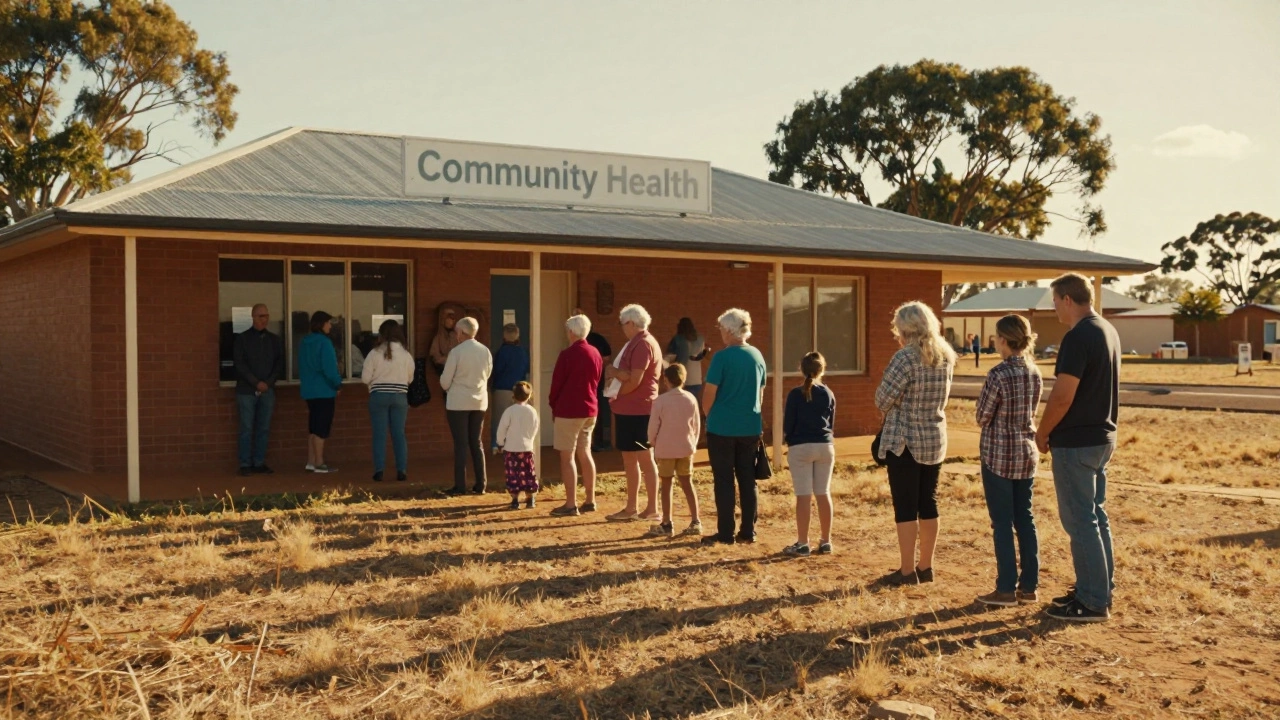
- Use multi-disciplinary clinics. Community health centers often employ doctors who bulk bill exclusively because they are funded by state governments rather than private practice models. Search for 'community health center near me' rather than 'private GP'.
- Apply for the Chronic Disease Management Plan. If you have a long-term condition, ask your GP for a Team Care Arrangement. This allows other health professionals (like dietitians or physios) to provide services that are partially rebated by Medicare, reducing the need for expensive specialist visits.
Common Misconceptions About Free Healthcare
A pervasive myth is that emergency care is always free. While public hospitals provide life-saving treatment without upfront bills, there are nuances. Ambulance services are not covered by Medicare in most states. In NSW, VIC, QLD, and WA, you will receive a bill for the ambulance ride unless you have private health insurance with ambulance cover or a state-specific exemption (like a concession card in some jurisdictions). This can result in bills exceeding $1,000 for a simple transport trip. Check your state's ambulance policy immediately.
Another misconception is that 'bulk billing' is mandatory. Doctors are not legally required to bulk bill. They can choose to charge market rates. This is why rural areas often suffer from 'medical deserts'-doctors leave because the Medicare rebate doesn't cover their overheads. If you live in a remote area, you might face higher out-of-pocket costs simply due to geography, regardless of your income.
When Medicare Isn't Enough: Additional Support
If you are struggling to pay even the concessional rates, you are not alone. Several non-government organizations (NGOs) and charities provide assistance. The Red Cross, St Vincent de Paul, and local welfare agencies sometimes offer vouchers for pharmacy costs or help with administrative applications for concession cards. Additionally, some pharmaceutical companies have patient assistance programs for high-cost specialty drugs that aren't fully covered by the PBS. Ask your doctor or pharmacist if such a program exists for your specific medication.
Finally, consider negotiating. If a specialist quotes a large gap fee, ask if they can adjust their fee to match the Medicare rebate. Some will agree, especially if you explain your financial hardship. Others won't, but it never hurts to ask. Transparency about your financial situation can sometimes open doors that seem closed.
Is Medicare completely free for low-income earners?
No, Medicare is not completely free. While it provides rebates for medical services and subsidized prescriptions, you may still face out-of-pocket costs if doctors do not bulk bill or if you exceed certain thresholds. However, low-income earners with concession cards benefit from significantly reduced prices and safety nets that cap annual spending.
How do I get a Health Care Card?
You can apply for a Health Care Card through Services Australia if you have a low income. You must meet specific income and asset tests. Applications can be made online via myGov or at a local Centrelink office. Processing times vary, so apply well in advance if you anticipate needing immediate access to concessional rates.
What happens when I hit the PBS Safety Net limit?
Once you reach the Standard PBS Safety Net threshold, you pay the concessional rate instead of the general rate for the rest of the year. If you continue to buy prescriptions and hit the Extended PBS Safety Net threshold, all subsequent PBS prescriptions become free for the remainder of the calendar year.
Are ambulance rides covered by Medicare?
Generally, no. Medicare does not cover ambulance services in most Australian states. You may receive a bill unless you have private health insurance with ambulance cover or hold a concession card that includes ambulance benefits in your specific state. Check your local state health department for exemptions.
Can I negotiate lower fees with my doctor?
Yes, you can ask your doctor if they can bulk bill or reduce their gap fee due to financial hardship. While not all doctors will agree, many are willing to accommodate patients in genuine need. It is helpful to bring your concession card and explain your situation clearly.
