 Mar, 19 2026
UK Private Health Insurance Cost Calculator
Enter your details to see your estimated cost
Many people assume that health insurance in the UK is free because they’ve heard the NHS provides free care. But that’s not the whole story. If you’re wondering whether you need to pay for health insurance in the UK, the answer isn’t yes or no-it’s more like it depends.
What the NHS actually covers
The National Health Service (NHS) is publicly funded and gives most residents access to healthcare at no direct cost at the point of use. That means if you break your arm, need a blood test, or get a prescription for antibiotics, you won’t be billed on the spot. Emergency care, maternity services, mental health support, and long-term condition management are all included.
But there are exceptions. You’ll pay £9.95 for a prescription in England (as of 2026), unless you qualify for an exemption-like being under 16, over 60, on certain benefits, or pregnant. Dental check-ups cost £26.80 for Band 1, and more if you need fillings or crowns. Eye tests aren’t free either unless you’re on a low income, have diabetes, or are over 60. These small fees add up, especially if you need regular care.
Why people buy private health insurance
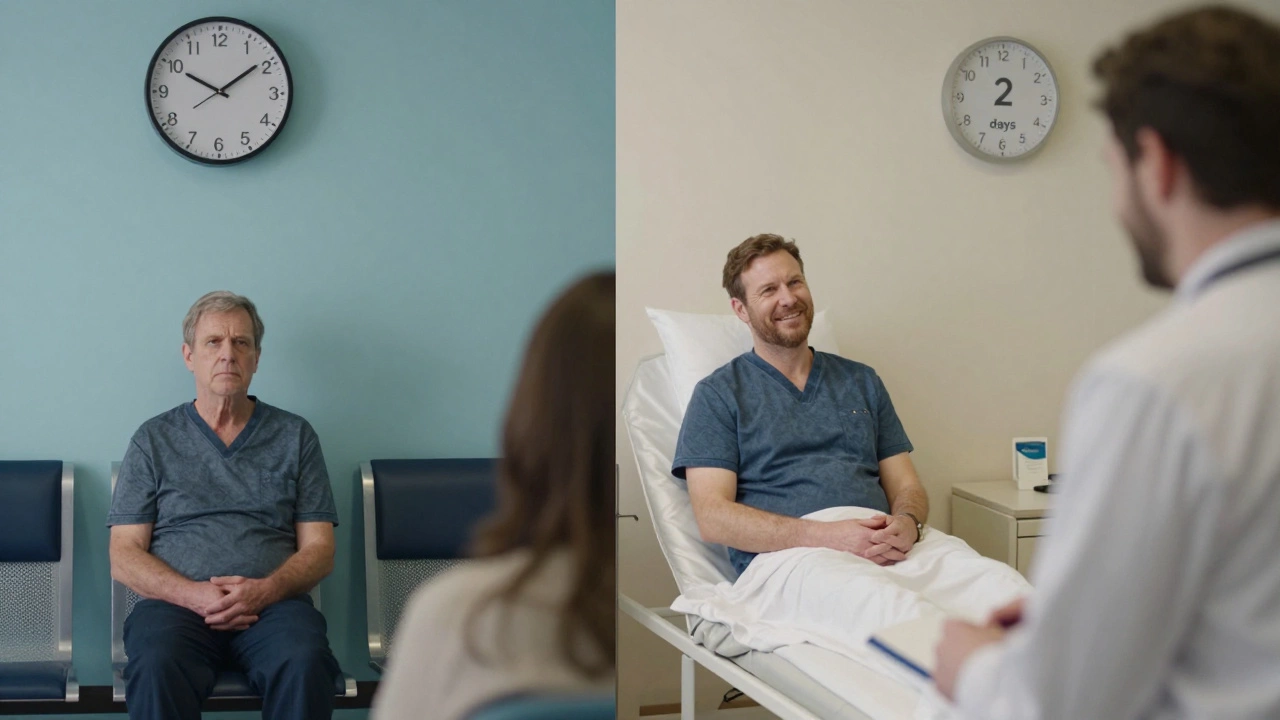
Even with the NHS, many Brits choose private health insurance. Why? Because waiting times can be long. For non-urgent procedures like hip replacements or cataract surgery, you might wait six months or more on the NHS. Private insurance cuts that down to days or weeks.
Private plans also give you more control. You can pick your consultant, choose your hospital, and often get a private room. Some plans include faster access to mental health therapy, physiotherapy, or specialist diagnostics like MRI scans-services that can take months to access through the NHS.
It’s not about replacing the NHS. It’s about supplementing it. Over 10 million people in the UK have some form of private health insurance, according to the Association of British Insurers. Most get it through their employer, but around 3 million buy it themselves.
What private health insurance actually costs
If you’re thinking about buying private health insurance, here’s what you’re likely to pay in 2026:
- Basic plan (hospital-only coverage): £35-£60 per month
- Mid-tier plan (includes outpatient, mental health, physio): £70-£120 per month
- Comprehensive plan (full coverage, dental, optical, international): £150-£300+ per month
These prices vary by age, location, smoking status, and whether you have pre-existing conditions. A 30-year-old non-smoker in Manchester might pay £45/month for basic cover. A 55-year-old smoker in London could pay over £180 for the same plan.
Most insurers offer a 12-month waiting period for pre-existing conditions. So if you’ve had back surgery last year, you won’t be covered for it until after you’ve held the policy for a year. Some policies exclude certain treatments entirely-like fertility care or cosmetic procedures.

What’s not covered by either NHS or private insurance
There’s a big gap in UK healthcare that neither the NHS nor private insurance fully fills: long-term care and social care. If you need help with daily tasks like bathing, dressing, or eating due to aging or disability, that’s not covered by health insurance. It’s handled separately by local councils, and you might have to pay hundreds or even thousands per month if your savings exceed £23,250.
Also, dental care, optical care, and alternative therapies like acupuncture or chiropractic treatment are rarely included in private plans unless you pay extra. Many people end up buying separate dental or optical insurance, or pay out of pocket.
Who qualifies for free care?
You don’t need health insurance to get free NHS care if you’re:
- A UK resident (ordinarily resident, not just visiting)
- An EU citizen with a valid S1 form or EHIC
- On a visa that grants full access (like a Skilled Worker visa)
- Under 16, over 60, pregnant, or on certain benefits
Students on long-term visas and asylum seekers also get full NHS access. But tourists, short-term visitors, and those on visitor visas must pay for treatment-often at 150% of the NHS cost-unless they’re from countries with reciprocal agreements.

Do you need private health insurance?
Here’s a simple way to decide:
- If you’re healthy, young, and don’t mind waiting months for non-emergency care-stick with the NHS. It’s free at the point of service.
- If you’re older, have a chronic condition, or hate waiting-private insurance might save you stress and time.
- If your employer offers it as a benefit-it’s usually cheaper than buying it yourself.
- If you can’t afford even £50/month, don’t buy it. There are NHS alternatives, like NHS-funded physio or mental health programs.
Private insurance doesn’t make you healthier. It just gives you faster, more comfortable access to care. For most people, the NHS still works. But for those who value time over cost, private coverage is a practical upgrade.
What happens if you don’t have insurance?
If you’re a UK resident, you don’t need private insurance to get life-saving care. The NHS will treat you regardless of your ability to pay. You won’t be turned away from A&E.
But if you’re not a resident-say, you’re on a tourist visa and get sick-you’ll be billed. Hospitals now check immigration status before treating non-residents. If you can’t pay, they may send you to collections. That’s why travel insurance with medical coverage is essential for visitors.
Bottom line
Health insurance in the UK isn’t free-but the NHS is. You don’t need to pay for insurance to get care. But if you want faster access, more choice, and fewer delays, private health insurance is an option. It’s not a necessity. It’s a convenience. And like any convenience, it’s only worth it if it fits your needs, budget, and priorities.
Is healthcare completely free in the UK?
No, healthcare isn’t completely free. The NHS provides most services at no cost at the point of use, but you pay for prescriptions in England (£9.95 per item), dental treatments, and eye tests unless you qualify for an exemption. Visitors and non-residents may also be charged.
Do I need private health insurance if I live in the UK?
No, you don’t need it. The NHS covers all essential medical care for residents. But private insurance gives you faster access to specialists, choice of hospital, and shorter waiting times-especially for non-emergency procedures. It’s optional, not required.
How much does private health insurance cost in the UK in 2026?
Basic private health insurance costs £35-£60 per month. Mid-tier plans with outpatient and mental health coverage range from £70-£120. Comprehensive plans including dental and optical can cost £150-£300+ monthly. Prices vary by age, location, smoking status, and pre-existing conditions.
Can I use private healthcare and the NHS at the same time?
Yes. Many people use both. For example, you might get a private MRI scan to speed up diagnosis, then return to the NHS for treatment. The NHS won’t penalize you for using private care. Some private insurers even coordinate with NHS providers to reduce duplication.
What about dental and eye care? Are they free?
No. NHS dental care is subsidized but not free. A basic check-up costs £26.80 in England. Eye tests cost £25.50 unless you qualify for free tests (e.g., under 16, over 60, diabetic, or on certain benefits). Private insurance rarely covers these unless you pay extra.
Are tourists covered by the NHS?
Only in emergencies. Tourists are charged for non-emergency treatment at 150% of the NHS rate. Visitors from countries with reciprocal agreements (like some EU nations) may get partial coverage. Always carry travel insurance with medical coverage.
Can I get private insurance if I have a pre-existing condition?
Yes, but coverage is limited. Most insurers exclude pre-existing conditions for the first 12 months. Some may not cover them at all. You’ll need to disclose your medical history, and premiums may be higher. Always read the policy details carefully.
