 Nov, 15 2026
Cosmetic Surgery Coverage Checker
Select your country and procedure type to see general coverage guidelines. Remember, final approval always depends on individual medical evidence.
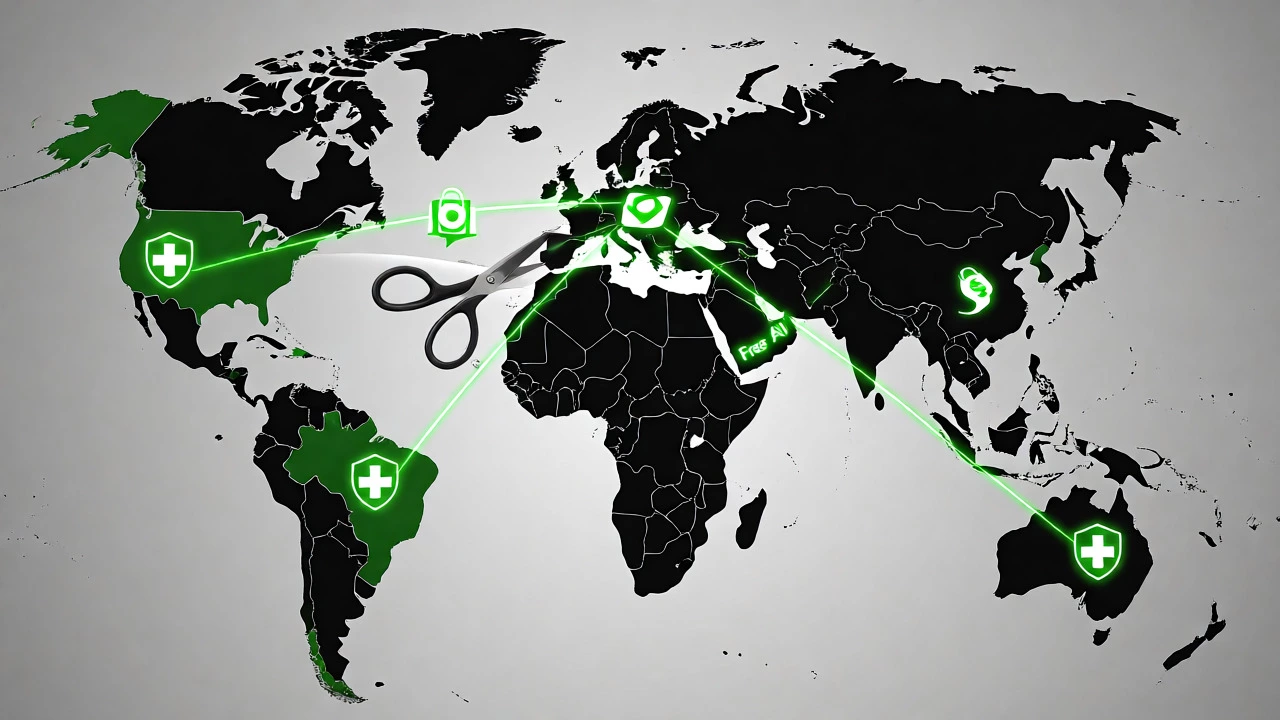
You see a celebrity with a nose job that looks natural and wonder if the government paid for it. You hear rumors about countries where cosmetic surgery is free for everyone. It sounds too good to be true, because it usually is. The reality is nuanced. No country on Earth offers unlimited, elective plastic surgery for every citizen who wants a new look. If you walk into a clinic in London, Seoul, or Bangkok asking for a free tummy tuck just because you want one, they will hand you a bill.
However, certain nations do cover specific surgical procedures at no cost to the patient. This coverage depends entirely on whether the surgery is deemed medically necessary rather than purely aesthetic. Understanding the difference between reconstructive and cosmetic surgery is the key to unlocking these benefits. This guide breaks down which countries offer financial support for these procedures, what conditions qualify, and how you can navigate the system without paying out of pocket.
The Myth of Universal Free Aesthetics
Let’s clear up the biggest misconception first. There is no nation with a universal healthcare system that pays for breast augmentation or liposuction simply because a patient desires it. Healthcare systems, even robust ones like those in Scandinavia or the UK, are designed to treat illness, injury, and congenital defects. They are not beauty salons.
When people ask, "What country has free cosmetic surgery?", they are often conflating two different types of operations: reconstructive surgery and cosmetic surgery. Reconstructive surgery fixes function or corrects deformities caused by trauma, disease, or birth defects. Cosmetic surgery improves appearance. Most public health budgets cover the former but rarely the latter.
For example, if you break your nose in a car accident, many countries will fix it for free. If you break your nose because you didn’t like its shape, you pay yourself. The distinction lies in the medical necessity. Insurance providers and state health services require proof that the procedure improves health or quality of life in a functional sense, not just an aesthetic one.
United Kingdom: The NHS Criteria
The United Kingdom’s National Health Service (NHS) is often cited as a place where you might get surgery for free. But getting approved is tough. The NHS does not fund routine cosmetic procedures. You cannot request a facelift or a rhinoplasty solely for vanity. However, there are exceptions where the line blurs.
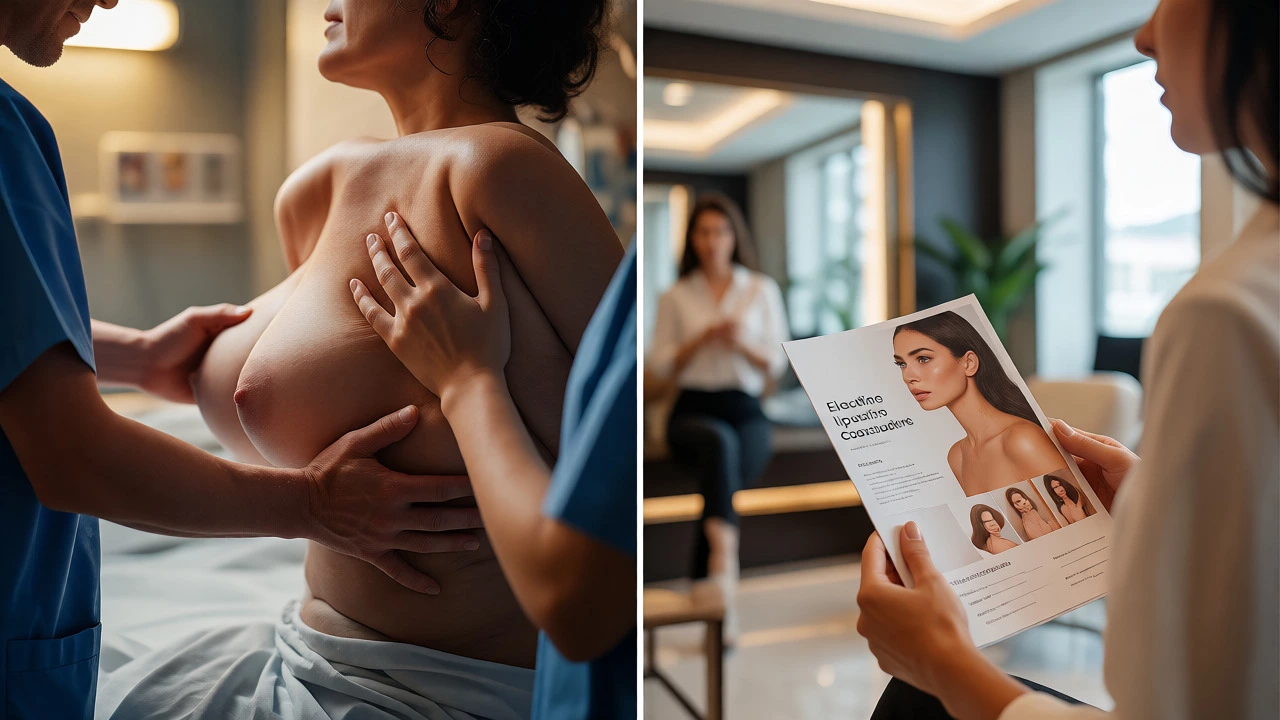
Consider severe back pain caused by very large breasts. If you can prove that standard non-surgical treatments have failed, and that the weight causes chronic physical disability, you might qualify for a breast reduction on the NHS. This is classified as reconstructive because it addresses pain and posture issues. Similarly, eyelid surgery (blepharoplasty) is sometimes covered if excess skin blocks your vision. Here, the attribute being treated is visual impairment, not droopy eyes.
| Procedure | Covered? | Typical Requirement |
|---|---|---|
| Breast Reduction | Yes, conditionally | Chronic back/neck pain; conservative treatment failure |
| Rhinoplasty | Rarely | Deviation causing breathing obstruction; post-trauma |
| Eyelid Surgery | Yes, conditionally | Visual field defect confirmed by testing |
| Liposuction | No | Generally considered cosmetic only |
If you live in the UK, check your local Integrated Care Board guidelines. Rules vary by region. Some areas are stricter than others. Always gather evidence from your GP before applying.
Australia: Medicare and Private Rebates
Australia operates under Medicare, a universal public health insurance scheme. Like the UK, Australia does not pay for purely cosmetic work. However, the system allows for partial rebates through private health insurance if the procedure meets specific clinical criteria listed in the Medical Services List.
For instance, upper blepharoplasty (eyelid lift) is eligible for a rebate if the patient has documented superior visual field loss. The doctor must provide objective tests showing that the hooding skin obstructs sight. Without this data, the procedure remains fully out-of-pocket. Abdominoplasty (tummy tuck) after massive weight loss might also receive partial coverage if the hanging skin causes recurrent skin infections or hygiene issues that cannot be managed otherwise.
Australians often use a hybrid approach. They rely on Medicare for hospital costs and anesthesia while using private funds for surgeon fees. This reduces the total burden significantly compared to paying entirely privately. If you are considering surgery here, consult a specialist who understands the complex coding required for insurance claims.

Canada: Provincial Variations
Canada’s healthcare is provincial, meaning rules change depending on whether you live in Ontario, British Columbia, or Quebec. Generally, Canadian provinces cover reconstructive surgeries related to cancer, accidents, or congenital anomalies. Breast reconstruction after mastectomy is universally funded and highly regarded.
But what about non-cancerous issues? In some provinces, rhinoplasty is covered if it corrects a deviated septum that causes sleep apnea or chronic sinusitis. The key word is "functional." If the nose looks crooked but breathes fine, you pay. If it breathes poorly, the state may step in. Getting approval requires thorough documentation from ENT specialists and audiologists. Waiting lists can be long, sometimes exceeding a year, so patients often choose private clinics for faster access despite the cost.
South Korea: The Cosmetic Capital Paradox
People often assume South Korea has free cosmetic surgery because it is the global hub for beauty standards. This is incorrect. In fact, most cosmetic procedures in Seoul are expensive and paid for by individuals. The culture places high value on appearance, driving demand for double-eyelid surgery, jaw contouring, and rhinoplasty.
However, South Korea’s National Health Insurance (NHIS) does cover specific cases. For example, if a child has a cleft lip or palate, surgery is fully covered. Adult surgeries for facial fractures from accidents are also covered. But the trendy procedures that tourists fly in for? Those are almost exclusively cash-pay transactions. The advantage here is not price, but volume and expertise. High competition keeps prices lower than in the US or Europe, but "free" is still off the table for elective aesthetics.
New Zealand: ACC and Public Health
Living in Auckland, I see many locals confused about their options. New Zealand has a unique entity called the Accident Compensation Corporation (ACC). If your need for surgery stems from an accident-like a broken nose or scarring from a burn-ACC covers the costs. This includes consultations, surgery, and follow-up care. You don’t pay a cent.
For non-accident-related issues, the public health system handles major reconstructions, such as cleft palates or burns. Elective cosmetic surgery is rarely funded. However, there is a pathway for severe psychological distress linked to a physical feature. If a psychiatrist confirms that a nasal deformity causes debilitating anxiety, you might apply for funding, though success rates are low. Most Kiwis opt for private clinics, where transparent pricing packages help manage expectations.
How to Qualify for Funded Surgery
If you hope to get surgery covered, you need more than a desire for change. You need a paper trail. Doctors act as gatekeepers, and they need justification to recommend your case to a funding body. Here is how to build a strong case:
- Document Symptoms: Keep a diary of pain, discomfort, or functional limitations. Note dates, severity, and impact on daily activities.
- Gather Evidence: Request scans, photos, and specialist reports. Visual field tests for eyelids or breathing studies for noses are crucial.
- Try Conservative Treatment First: Show that you attempted physiotherapy, medication, or lifestyle changes before requesting surgery. Insurers want to see that cheaper options failed.
- Psychological Impact: In some regions, documented mental health struggles linked to the physical issue can strengthen your application. A letter from a therapist helps.
Remember, the goal is to shift the narrative from "I want this" to "I need this." The language matters. Use terms like "functional impairment," "chronic pain," and "quality of life deficit." Avoid words like "vanity," "trend," or "preference."
Alternatives When Surgery Isn't Free
If you don’t meet the strict medical criteria, you still have options to reduce costs. Look into teaching hospitals. Medical students perform procedures under supervision, often at reduced rates. Clinical trials sometimes offer free procedures in exchange for participation, though eligibility is narrow.
Another strategy is combining procedures. If you already need a functional repair, adding a minor cosmetic adjustment during the same operation might save on facility fees. Discuss this with your surgeon. Also, consider financing plans offered by private clinics. Many allow interest-free payments over 12-24 months, spreading the burden.
Finally, keep an eye on medical tourism destinations like Turkey or Thailand. While not free, the cost differential is significant. A procedure costing $8,000 in the US might cost $3,000 abroad, including travel. Ensure the clinic is accredited by international bodies like JCI (Joint Commission International) to maintain safety standards.
Frequently Asked Questions
Does any country offer completely free cosmetic surgery for everyone?
No. No country provides unlimited free elective cosmetic surgery for all citizens. Public healthcare systems typically cover only procedures deemed medically necessary, such as reconstructive surgery after trauma, cancer, or for congenital defects. Purely aesthetic enhancements are almost always out-of-pocket expenses.
Will the NHS pay for a nose job?
The NHS generally does not fund rhinoplasty for cosmetic reasons. It may cover the procedure if there is a functional issue, such as a deviated septum causing breathing difficulties, or if the nose was damaged in an accident. Approval requires medical evidence proving the functional impairment.
Is breast reduction free on public healthcare?
Breast reduction is often covered by public health systems like the NHS or Australian Medicare if the patient suffers from chronic back, neck, or shoulder pain caused by breast size. Patients usually must demonstrate that non-surgical treatments, such as physiotherapy, have failed to relieve symptoms before being approved.
What is the difference between cosmetic and reconstructive surgery?
Cosmetic surgery focuses on enhancing appearance for aesthetic purposes, such as liposuction or facelifts. Reconstructive surgery aims to restore normal form and function to parts of the body affected by abnormalities, such as scars, burns, or birth defects. Insurance and public health systems primarily fund reconstructive procedures.
Can I get free eyelid surgery?
Eyelid surgery (blepharoplasty) may be covered if excess skin obstructs your vision. You need objective test results, such as a visual field test, confirming that the drooping lids impair sight. If the surgery is requested solely for a younger appearance, it is typically not covered.
