 Mar, 29 2026
Immediate Loading Implant Cost Estimator
Procedure Basics
Additional Procedures
Estimated Total Cost
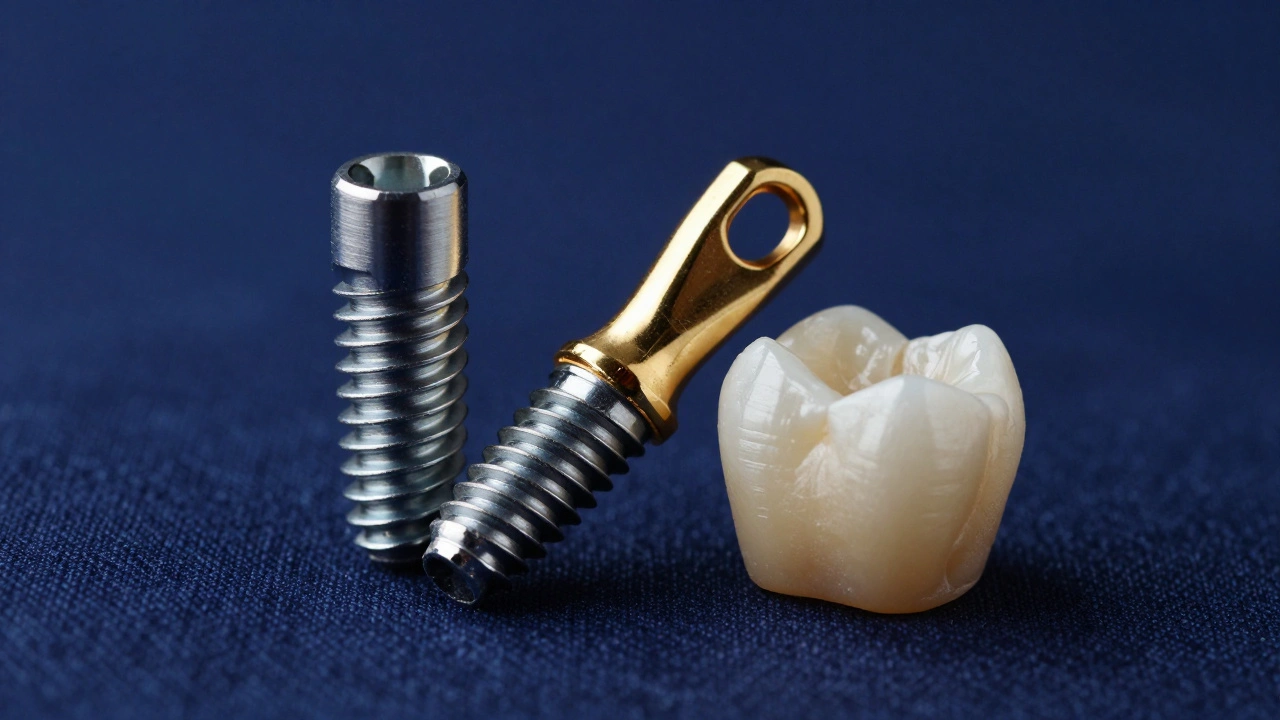
This includes the implant fixture, abutment, and provisional crown.
Medical Disclaimer: This tool provides estimates only. Costs vary significantly by clinic, geographic location, and patient anatomy. Always request a written quote.
You walk into a clinic, you ask about replacing missing teeth, and suddenly the conversation shifts to numbers that feel more like mortgage payments than medical bills. If you are researching **immediate loading implants**, you already know these aren't your standard replacements. They promise function and aesthetics on the same day as surgery, but that convenience comes with a premium price tag. By 2026, the landscape for dental work has shifted significantly, especially regarding material quality and surgical precision. Understanding exactly what you pay for is the difference between getting a deal and getting ripped off.
This isn't just about the implant screw itself. We need to talk about the abutments, the temporary crowns, the specialist's time, and the laboratory fees hidden in that final quote. Here is the breakdown of what drives the cost and what you can realistically expect to pay.
What Defines an Immediate Loading Implant
Immediate Loading Implants are a type of dental restoration where the prosthetic tooth is attached to the implant fixture shortly after placement. Unlike traditional methods that wait three to six months for osseointegration, Teeth in a Day solutions allow you to leave the clinic with functional teeth immediately. They were pioneered in the 1990s but have matured significantly with modern stability metrics.
The speed isn't magic; it's engineering. These procedures require higher primary stability in the jawbone to support the load instantly. Because the bone needs to grip the metal right away, the surgeon places more emphasis on precision drilling and specific surface treatments on the titanium or zirconia fixtures. This complexity adds to the bill. You are paying for the technology that prevents the implant from loosening during the initial healing phase.
If you have severe bone loss, the story changes completely. You might need grafting first, which delays the process and adds cost. But when the conditions align-enough density in the mandible or maxilla-the immediate option is viable.
Breaking Down the Price Range
Money is rarely a flat figure in dentistry. It varies wildly based on geography, the clinician's experience, and the brand of hardware used. In the UK private healthcare sector for 2026, here is where the numbers sit.
- Single Unit: Expect to pay between £2,500 and £4,500 per tooth. This includes the fixture, abutment, and the provisional crown.
- Full Arch (All-on-4): A full arch replacement starts around £8,000 and can go over £25,000 depending on the prosthesis material.
- Upper Jaw vs Lower Jaw: Upper jaw surgeries are typically 15% to 20% more expensive due to sinus lift complexities often required.
Why the variance? A low-cost clinic might use entry-level components that lack long-term data, while premium providers use established brands like Nobel Biocare or Straumann. The longevity of the investment depends heavily on the manufacturing quality of the interface where the gum meets the implant. Cheaper options may lead to peri-implantitis later, costing you thousands more in maintenance.
Hidden Costs You Might Overlook
The headline price often feels incomplete because it excludes the necessary surrounding work. Most clinics offer a package, but you need to verify exactly what is included before signing.
| Component | Average Cost (GBP) | Notes |
|---|---|---|
| Consultation & CT Scan | £150 - £300 | Essential for planning, sometimes free if treatment proceeds |
| Bone Grafting | £800 - £2,500 | Required if bone volume is insufficient |
| Implant Fixture | Included in package | Titanium or Zirconia material cost |
| Provisional Bridge | £1,000 - £2,000 | The temporary teeth you wear initially |
| Sedation/Anesthesia | £200 - £600 | Varies by type: IV sedation costs more than local |
For instance, CBCT scans are mandatory for immediate loading. Traditional X-rays don't show the 3D bone density needed to guarantee stability. Some surgeons charge separately for this diagnostic step. Additionally, if the patient opts for IV sedation, that is almost always an extra line item. Don't be surprised if a "per tooth" quote ignores the lab fees for the custom milled zirconia framework.

Factors That Swing the Final Quote
Your anatomy plays the biggest role. If your ridge is narrow, you might need a platelet-rich fibrin (PRF) concentrate injection alongside the surgery to encourage faster healing. This biological additive costs extra but reduces failure rates.
The surgeon's level of training matters too. An Oral Surgeon or Prosthodontist will charge more than a General Dentist. This isn't vanity pricing; the margin for error in immediate loading is slim. A slight deviation in angle during drilling can compromise the immediate function. You pay for their years of specialization in placing implants under primary stability conditions.
Location matters significantly. Clinics in central London carry higher overheads, reflecting in the fees. Regional practices or hospitals in smaller cities might offer competitive rates without sacrificing skill levels. Always check if the facility is CQC registered or holds equivalent safety standards.
Financing and Insurance Realities
Most private health insurance plans cover major oral surgery only partially. Immediate loading often falls into the "cosmetic" or "advanced elective" bucket unless there is documented trauma involved. Even then, many policies cap reimbursement at lower-tier traditional implant rates, leaving you to foot the difference.
Patient finance schemes are common. Many UK clinics partner with companies to offer interest-free monthly payments for 12 to 24 months. Before agreeing, read the terms regarding late penalties. Some plans defer interest for six months, but if you miss one payment, that interest hits retroactively. Alternatively, some practices accept medical credit cards, but these carry high APRs after the promotional period ends.
NHS Coverage Possibilities
It is crucial to manage expectations here. The National Health Service (NHS) does cover dental implants for specific cases where chewing function is severely compromised, but immediate loading is rarely an option provided under public funding. If eligible, you might receive standard two-stage implants, but the wait times could stretch to 18 months or more. For anyone seeking the instant benefit of immediate loading, private care is effectively the only route.
Choosing Quality Over Price
Cheap options exist, and the risk is real. Cheap titanium alloys or unverified manufacturing sources can fail silently. Once an implant fuses to the bone poorly, removing it involves another surgery, potential nerve damage risks, and a significant delay in restoring your smile. Think of this cost as an asset rather than an expense. A well-placed immediate load lasts decades with good hygiene, amortizing the cost over 20+ years of use.
To get the best value, request a "total care plan" in writing. Ensure it covers the second phase (swapping the temporary bridge for a permanent one). Some cheaper quotes lock you out of future lab work, forcing you to pay double down the line.
Frequently Asked Questions
Is immediate loading implant painful?
Most patients report discomfort similar to extraction pain rather than major surgery agony. Swelling peaks at day three, and the tight fit of the temporary bridge helps reduce movement in the socket.
How long do immediate implants last?
With proper care, the implant fixture itself can last a lifetime. The crown or bridge attached to it usually needs replacing every 10 to 15 years due to wear and tear.
Can I eat hard food right away?
No. You must stick to a soft diet for the first few weeks. While the tooth functions, the bone underneath is still integrating, and biting pressure needs to be minimized to prevent micromovement.
Does dental insurance cover this procedure?
Coverage is inconsistent. Many plans categorize it as cosmetic. Contact your provider directly for policy details before booking. Often, basic implant costs are covered, but the premium for immediate loading is excluded.
What is the success rate of immediate loading?
When performed by a specialist with adequate bone density, success rates exceed 95%. Failure usually stems from poor bone quality or infection during the initial healing phase.
