 Feb, 16 2026
Bacterial Infection Symptom Checker
Check Your Symptoms
Select all symptoms you're experiencing that match the signs described in the article. This tool helps identify potential bacterial infections based on medical guidelines.
Results
This tool is for informational purposes only and does not replace professional medical diagnosis. Consult a healthcare provider for proper evaluation.
Feeling sick isn’t always just a cold. Sometimes, your body is fighting something more serious - a bacterial infection. But how do you know if it’s just a virus or something that needs antibiotics? Many people wait too long, hoping it’ll go away on its own, only to end up sicker. Others rush to the ER over a mild sore throat. The truth? You don’t need to guess. There are clear signs, and knowing them can save you time, money, and stress.
Common Signs of a Bacterial Infection
Not all infections are the same. Viral infections - like the flu or common cold - usually come with a runny nose, mild fever, and tiredness. They get better in a few days without treatment. Bacterial infections, on the other hand, often behave differently.
- High fever that lasts more than 3 days - A temperature above 101°F (38.3°C) that doesn’t drop with medication could mean your body is battling bacteria.
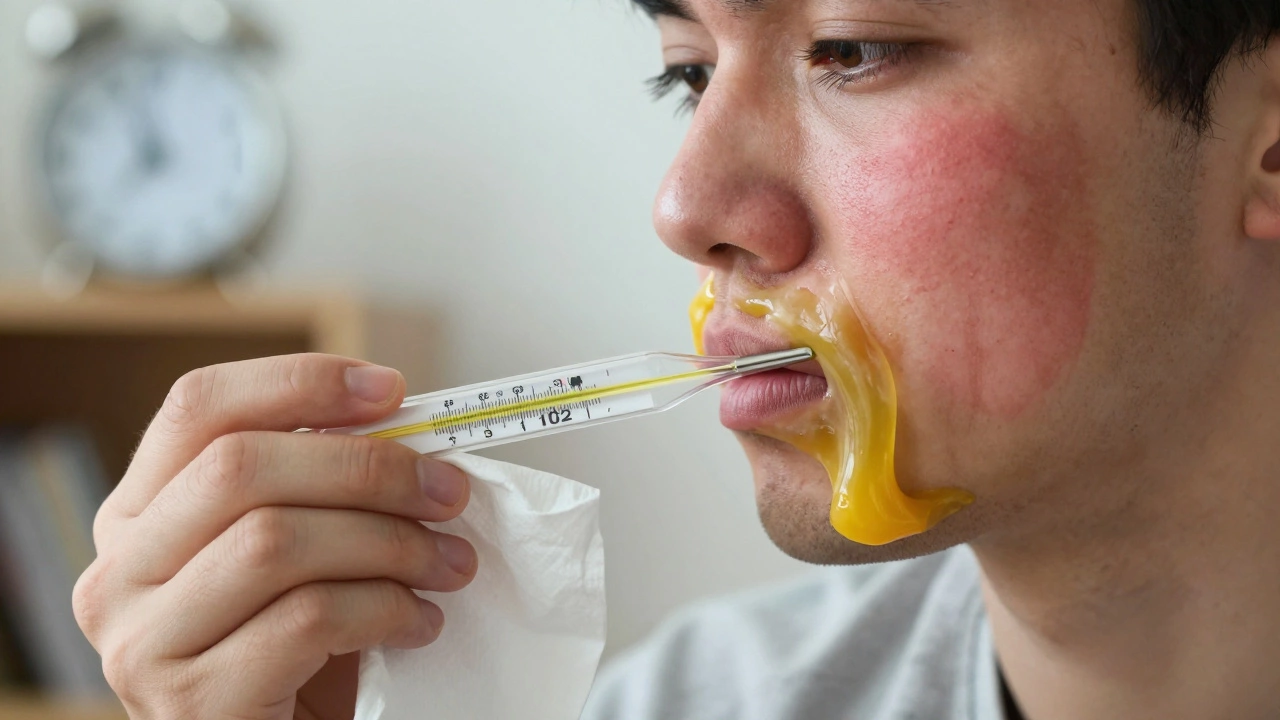
- Pus or thick, colored discharge - Yellow or green mucus from your nose, thick white fluid from a wound, or cloudy urine are red flags. Viruses rarely cause pus.
- Localized pain that gets worse - A sore throat that makes swallowing impossible, an earache that wakes you up at night, or a swollen, hot, red area on your skin? These are classic signs of bacterial infection.
- Symptoms that get better, then suddenly get worse - This is called a "double-sickening." You start feeling better after a cold, then 5-7 days later, you spike a fever again. That’s often bacterial sinusitis or pneumonia.
- No improvement after 10 days - If your cough, congestion, or fatigue hasn’t improved in two weeks, bacteria might be hanging on.
These aren’t just random symptoms. They’re your body’s alarm system. Pus means white blood cells are fighting hard. High fever means your immune system is ramping up. And localized pain? That’s bacteria setting up camp in one spot - like your sinuses, throat, or bladder.
Where Bacterial Infections Hide
Not every infection shows up the same way. Some are obvious. Others sneak in.
- Sinuses - Thick, discolored mucus, facial pressure, and a bad smell in your nose? Could be bacterial sinusitis. Viral sinusitis clears in under 10 days. Bacterial lingers.
- Throat - A sore throat with white patches, swollen tonsils, and no cough? That’s strep. Viral sore throats usually come with a runny nose and cough.
- Urinary tract - Burning when you pee, frequent urges, and cloudy or bloody urine? That’s a UTI. Almost always bacterial. Women are more prone, but men get them too.
- Skin - A red, warm, swollen area that spreads? Could be cellulitis. A pimple that turns into a hard, painful lump? Maybe a staph abscess.
- Lungs - A cough that lasts over 10 days, with thick phlegm and chest pain? Could be bacterial pneumonia. Viral pneumonia usually has a dry cough and less mucus.
These aren’t guesses. They’re patterns seen in over 80% of confirmed bacterial cases in primary care clinics in 2025, according to data from the CDC and U.S. outpatient infection tracking systems.
Why It Matters - Antibiotics Aren’t Magic Pills
Many people think antibiotics are just stronger cold medicine. They’re not. Antibiotics kill bacteria. They do nothing for viruses. Taking them when you don’t need them doesn’t help - it hurts.
Every unnecessary antibiotic increases your risk of:
- Antibiotic-resistant infections (like MRSA)
- Severe diarrhea from C. diff bacteria
- Allergic reactions
- Higher future healthcare costs
Doctors in the U.S. prescribe over 200 million antibiotic courses every year. About 30% of those are unnecessary. That’s because many patients expect them - and many doctors give them to avoid complaints.
But here’s the thing: You don’t need to pressure your doctor. You just need to know the signs. If you’ve got the right symptoms, your doctor will test you. If you don’t, they’ll help you manage it without drugs.

When to Skip the ER and Use an Online Doctor
Most bacterial infections don’t need an ER. You need a doctor who can order the right test - and fast.
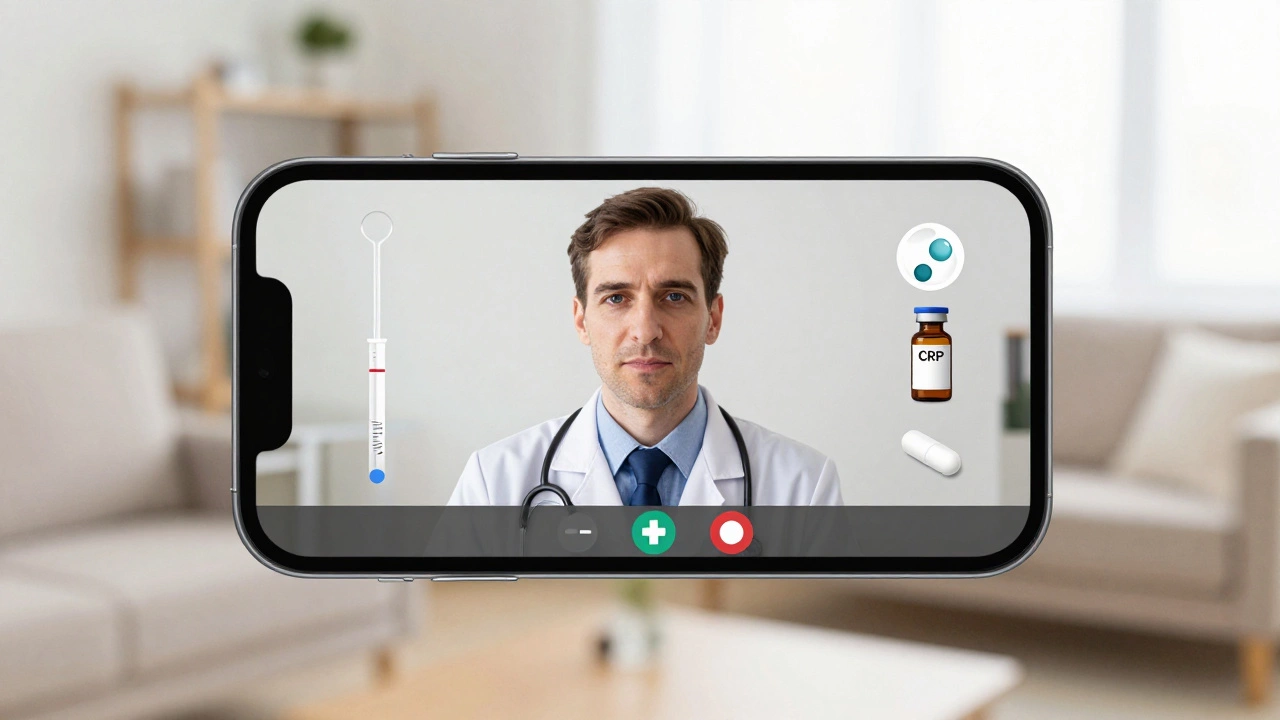
Online doctor consultations are perfect for this. Here’s when to use one:
- You have a sore throat with no cough or runny nose
- Your fever has lasted 4+ days
- You notice pus, swelling, or a spreading red patch on your skin
- You’re peeing painfully or frequently
- Your symptoms got better, then suddenly got worse
During an online visit, the doctor can:
- Ask targeted questions based on your symptoms
- Review your medical history
- Order a rapid strep test, urine dipstick, or blood work
- Prescribe antibiotics if needed - sent straight to your pharmacy
- Rule out emergencies (like appendicitis or sepsis)
Studies from 2024 show that 78% of patients with suspected bacterial infections who used online consultations got a correct diagnosis within 24 hours - compared to 48-72 hours in traditional clinics.
What Tests Actually Confirm Bacterial Infections?
Doctors don’t guess. They test.
Here’s what’s commonly used:
| Test | Used For | How It Works |
|---|---|---|
| Rapid Strep Test | Sore throat | A throat swab checks for strep bacteria. Results in 5 minutes. |
| Urine Dipstick & Culture | UTI | Looks for white blood cells and bacteria. Culture identifies the exact type. |
| CRP Blood Test | General infection | Measures C-reactive protein. High levels suggest bacterial infection. |
| Throat or Wound Culture | Skin, ear, or throat infections | Swab sample grows bacteria in a lab. Takes 1-3 days. |
| Chest X-ray | Pneumonia | Shows fluid or patches in lungs - common in bacterial cases. |
None of these require a hospital visit. Many can be done through a telehealth appointment. Your doctor sends you to a local lab for blood or urine tests, then reviews the results with you the same day.
What to Do If You’re Not Sure
If you’re stuck between viral and bacterial - here’s a simple rule:
- Track your symptoms for 48 hours.
- Write down: fever? pain? discharge? duration?
- Ask yourself: Did I feel better for a day, then crash again?
- If yes to any of the key signs above - book an online consultation.
Don’t wait for it to get worse. Don’t take leftover antibiotics from last year. Don’t assume it’s "just a bug." The right diagnosis takes minutes - and it changes everything.
What Doesn’t Mean Bacterial Infection
Let’s clear up some myths:
- Green mucus - Not always bacterial. Viruses can cause green mucus too. It’s the duration and other symptoms that matter.
- Fever - Viruses cause fever too. A fever alone isn’t proof.
- Feeling awful - Just because you’re miserable doesn’t mean you need antibiotics.
- My friend took amoxicillin and felt better - That doesn’t mean you have the same infection.
There’s no shortcut. You need to match your symptoms to known patterns - not anecdotes.
What Happens If You Wait Too Long?
Ignoring a bacterial infection can turn small problems into big ones.
- A sinus infection can spread to the eye or brain (rare, but possible).
- A UTI can turn into a kidney infection - which can land you in the hospital.
- Untreated strep can trigger rheumatic fever, which damages the heart.
- A skin infection can turn into sepsis - a life-threatening whole-body response.
These aren’t scare tactics. They’re real risks backed by hospital data from 2025. The average time from first symptom to hospitalization for untreated bacterial infections is 11 days. That’s why early action matters.
Can I tell if I have a bacterial infection just by how I feel?
You can get strong clues - like high fever, pus, or symptoms that get worse after improving. But you can’t be 100% sure without testing. Many viral infections mimic bacterial ones. That’s why doctors use tests like rapid strep, urine analysis, or CRP blood tests to confirm.
Do I need antibiotics if I have a bacterial infection?
Not always. Some mild bacterial infections - like minor skin infections or early sinusitis - can clear on their own with rest and fluids. But if symptoms are severe, worsening, or lasting over 10 days, antibiotics are usually needed. Your doctor will decide based on your symptoms, test results, and medical history.
Can I get a bacterial infection from someone else?
Yes. Many bacterial infections spread through close contact - like strep throat through coughs or sneezes, or skin infections through shared towels. Some, like UTIs, come from bacteria already in your body. Others, like pneumonia, can be caught from airborne droplets. Good handwashing and avoiding shared personal items reduce your risk.
How fast can an online doctor diagnose a bacterial infection?
In most cases, within 30 minutes. During a video visit, the doctor asks targeted questions, reviews your symptoms, and may order a lab test. If you go to a nearby lab the same day, results often come back in 2-4 hours. Many patients get a diagnosis and prescription by the end of the day.
What if my symptoms go away on their own - do I still need antibiotics?
If you started antibiotics and feel better, finish the full course. Stopping early can leave behind resistant bacteria. If you never took antibiotics and symptoms disappeared, you likely had a mild infection that cleared on its own. But if you had severe symptoms (like high fever or pus), even if they’re gone, it’s still smart to get checked - some infections can return or cause hidden damage.
Next Steps If You Suspect a Bacterial Infection
Don’t wait. Don’t guess. Don’t self-treat with leftover pills.
- Write down your symptoms: fever? pain? discharge? duration?
- Check if any match the key signs above.
- Book an online doctor visit - most platforms offer appointments within 2 hours.
- Be ready to describe exactly how you feel, when symptoms started, and what’s changed.
- If the doctor orders a test, go to a nearby lab the same day.
- Follow up if symptoms don’t improve in 48 hours after starting treatment.
You don’t need to suffer - or overpay. Knowing the signs gives you power. And with online consultations, getting the right care has never been faster or easier.
