 Oct, 4 2026
Prescription Cost Comparison Tool
Enter your medication details below to see which payment method is cheaper right now and whether it helps with your deductible.
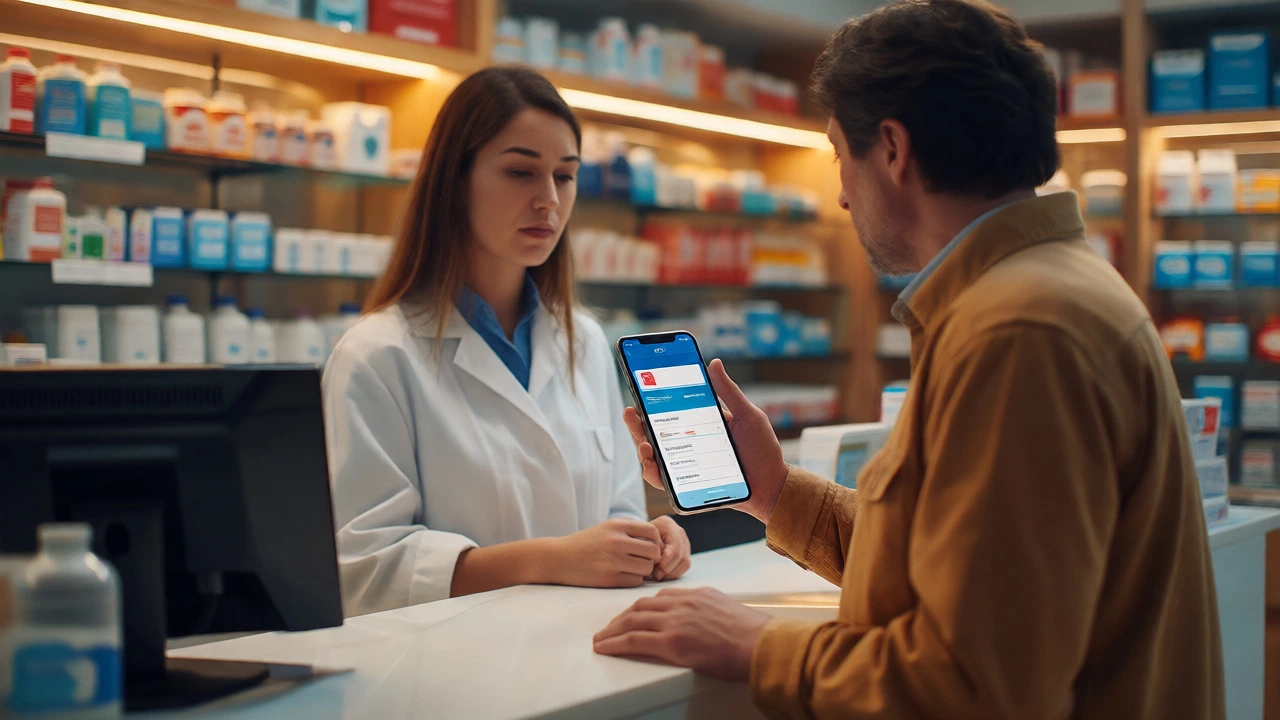
You are standing at the pharmacy counter. The pharmacist types in your insurance info. The total comes out to $85. You pull up GoodRx on your phone, show them the coupon code, and the price drops to $12. You feel like a genius. You saved money. But then you realize something: you have been doing this for three years. You never use your insurance. You just use the app every single time. And now, maybe the coupons aren't working as well as they used to. Or maybe you want to stop relying on a third-party app entirely. So, how do you actually get rid of GoodRx? Do you delete the app? Do you go back to insurance? Or is there a better way?
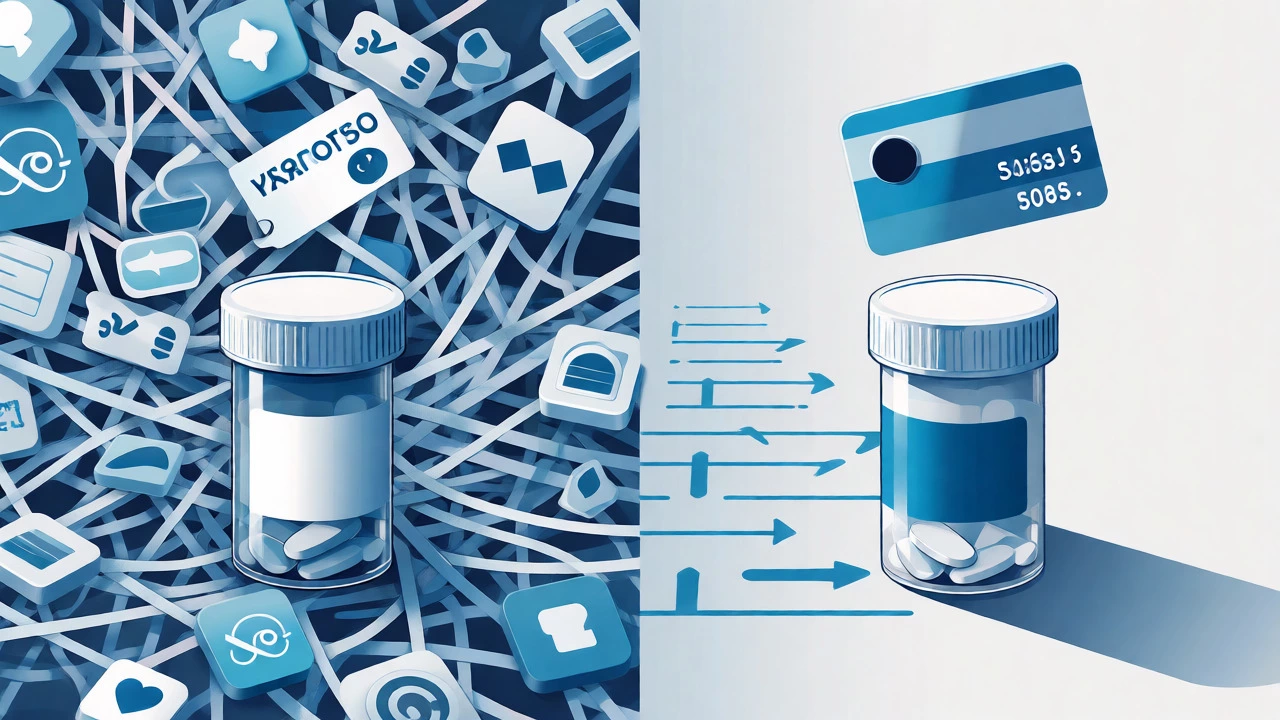
The truth is, "getting rid" of GoodRx isn't always about deleting an icon from your home screen. It is about changing how you pay for medicine. For many people, GoodRx became a crutch because their insurance plans had high deductibles or terrible formulary lists. If you are tired of switching apps, comparing prices, and hoping the coupon works, you need a strategy that makes prescription costs predictable again. Here is how to break the cycle.
Why You Might Want to Quit GoodRx
First, let's look at why people leave. GoodRx is not a bad tool. It connects pharmacies with manufacturers to offer discounts. But it has limits. One big issue is that using a GoodRx coupon usually means you cannot count that payment toward your deductible. If you have a high-deductible health plan (HDHP), this matters. Every dollar you spend on prescriptions via insurance counts toward hitting your deductible. Money spent via GoodRx often does not. This can keep you paying full retail rates longer than necessary.
Another reason is reliability. Pharmacy staff sometimes refuse to honor specific codes if the system glitches. Or the price shown online doesn't match the shelf price when you arrive. It creates friction. You want a seamless transaction, not a negotiation at the register. Also, some users find the app cluttered with ads for telehealth services they didn't ask for. If you value simplicity, these distractions add up.
Step 1: Audit Your Current Insurance Coverage
Before you ditch the app, check what your insurance actually covers. Many people stopped using their insurance card years ago because one bad experience made them think their plan was useless. That might not be true anymore. Drug formularies change annually. A drug that cost $400 last year might be on Tier 2 (preferred generic) this year, costing you only $10.
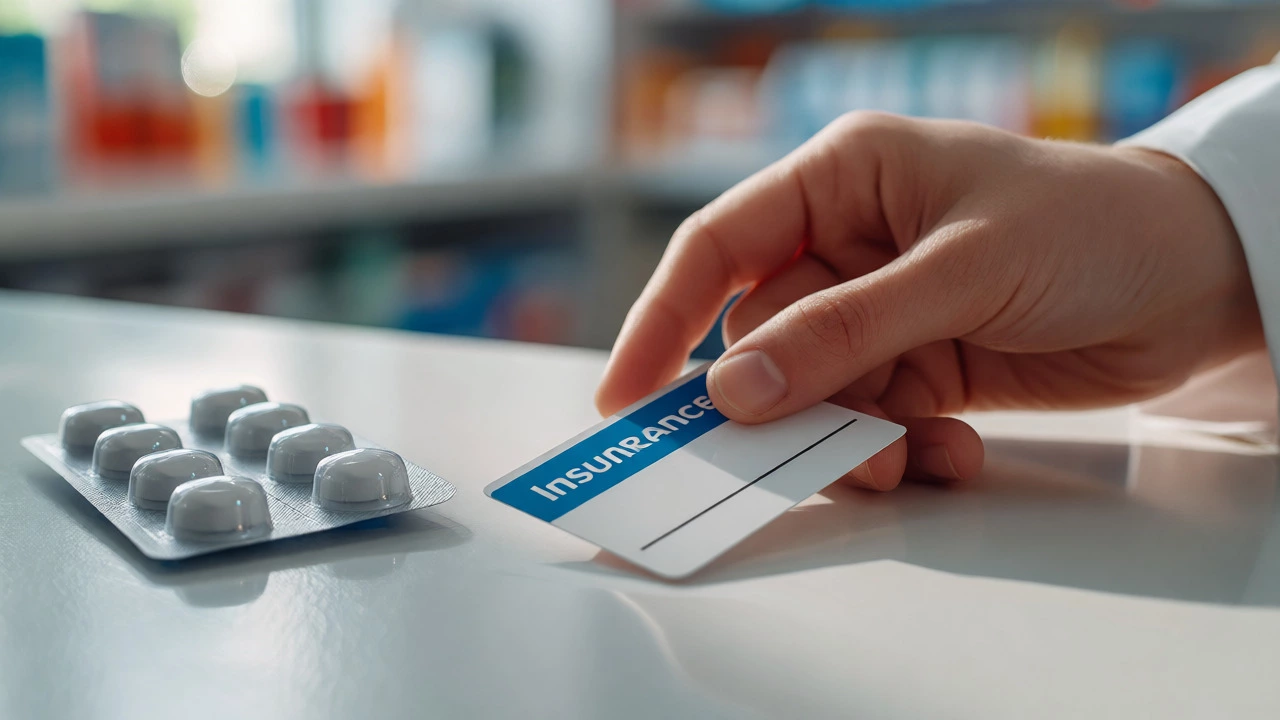
Call your insurance provider or log into their member portal. Look for the "Drug Formulary Search." Type in your medications. Compare the estimated copay against the current GoodRx price. If your insurance copay is lower than the GoodRx price, use your insurance. This helps you meet your deductible faster. Once you hit your deductible, your costs might drop even further. Stopping GoodRx here is easy: just hand over your insurance card instead of showing your phone.
Step 2: Explore Manufacturer Savings Programs
If you take brand-name drugs, the manufacturer often offers its own discount program. These are called copay cards or patient assistance programs. They work differently than GoodRx. While GoodRx is a general discount network, manufacturer coupons are tied specifically to their product. Often, they offer deeper discounts, sometimes bringing brand-name costs down to $0 or $5 per month.
To find these, visit the official website of the drug manufacturer. Look for a "Savings" or "Patient Support" tab. Sign up for the program. You will get a printable card or a digital code. Show this to the pharmacist. Important note: Most manufacturer copay cards cannot be used with government-funded insurance like Medicare or Medicaid. If you have commercial private insurance, this is often the best way to replace GoodRx for expensive brand-name meds.
Step 3: Switch to a Generic Equivalent
One of the most effective ways to stop needing discount apps is to simply pay less upfront. Generics are chemically identical to brand-name drugs but cost a fraction of the price. In New Zealand and Australia, where I live, the Pharmaceutical Management Agency (Pharmac) heavily subsidizes generics, making them incredibly cheap. In the US, while subsidies vary, generics are still the cheapest option.
Ask your doctor if there is a generic version available. If yes, switch. Then, check if your insurance covers it. Often, the insurance copay for a generic is so low ($5-$15) that no discount card is needed. You don't need GoodRx if the price is already rock bottom. This eliminates the hassle of checking prices before every refill.
| Method | Best For | Counts Toward Deductible? | Reliability |
|---|---|---|---|
| Health Insurance | Generic drugs; High-deductible plans | Yes | High (if formulary matches) |
| GoodRx | Cash-paying patients; Uninsured | No (usually) | Medium (code issues possible) |
| Manufacturer Coupons | Brand-name drugs with commercial insurance | Depends on plan | High (official source) |
| Pharmacy Loyalty Programs | Multiple prescriptions; Regular customers | No | High (store-specific) |
Step 4: Use Pharmacy-Specific Discount Cards
If you prefer not to use insurance, consider sticking with one pharmacy chain. Large chains like CVS, Walgreens, or Rite Aid have their own discount clubs. Unlike GoodRx, which aggregates prices from many stores, these cards are built into the store's POS system. You sign up once, give them your email or phone number, and the discount applies automatically. No scanning QR codes. No printing coupons.
For example, CVS ExtraCare offers exclusive deals on certain generics. Sometimes, buying multiple months' supply at once triggers a bulk discount. If you consistently use one pharmacy, building a relationship with them can yield perks that a transient app-based discount cannot. Ask your pharmacist: "Do you have a loyalty program that beats standard cash prices?"
Step 5: Consider Mail-Order Pharmacies
Many insurance plans offer cheaper rates if you order a 90-day supply through mail order. Instead of going to the local pharmacy every month, you get three months of medication delivered to your door. The cost per pill is often significantly lower. This removes the need for daily or monthly price-checking apps. You set it and forget it.
Check if your insurer has a preferred mail-order partner. Some plans waive shipping fees. Others require you to use a specific vendor like OptumRx or Express Scripts. If you have chronic conditions requiring stable doses, this is the most hands-off way to manage costs. You delete GoodRx because you no longer interact with retail pricing dynamics.
What If You Have No Insurance?
If you are uninsured, getting rid of GoodRx is harder. You rely on discounts. However, you can try community health centers or hospital-based clinics that offer sliding-scale fees based on income. They often dispense medications directly at cost. Another option is non-profit organizations like NeedyMeds, which provide information on free drug programs and discount cards that don't require data tracking like some ad-heavy apps do.
Also, look into state pharmaceutical assistance programs (SPAPs). Each state in the US has different rules. Some offer help to residents who fall between Medicaid eligibility and having too much income for full coverage. Research your local options. You might find a government-backed solution that feels more secure than a corporate app.
Practical Checklist to Transition Away from GoodRx
- Review your formulary: Check if your insurance covers your meds for less than the GoodRx price.
- Switch to generics: Ask your doctor for therapeutic equivalents.
- Apply for manufacturer coupons: Visit the drug's official site for brand-name savings.
- Enroll in loyalty programs: Sign up for your preferred pharmacy's club.
- Try mail order: See if 90-day supplies save you money and time.
- Compare annual costs: Calculate total yearly spend with vs. without insurance/discount cards.
Frequently Asked Questions
Does using GoodRx prevent me from meeting my deductible?
In most cases, yes. When you use a discount coupon like GoodRx, you are paying a negotiated cash price, not filing a claim with your insurance company. Therefore, those payments typically do not count toward your annual deductible or out-of-pocket maximum. If you are close to meeting your deductible, using insurance might be more financially beneficial in the long run, even if the immediate cost is higher.
Can I use GoodRx and insurance together?
Generally, no. You choose one method of payment at the register. You either run your insurance card OR you present a discount coupon. You cannot combine them to stack savings. However, you should compare the two prices each time. If the insurance copay is $15 and the GoodRx price is $10, use GoodRx. If the insurance copay is $5, use insurance.
Are there good alternatives to GoodRx?
Yes. SingleCare and RxSaver are direct competitors that function similarly. Additionally, manufacturer copay cards often provide better discounts for brand-name drugs. Pharmacy loyalty programs (like CVS ExtraCare or Walgreens Balance Rewards) also offer automatic discounts without needing a separate app.
Why did my GoodRx price increase suddenly?
Discount prices fluctuate based on pharmacy inventory, contractual agreements, and demand. Sometimes a pharmacy changes its contract with the discount network, causing prices to jump. Other times, the specific coupon code expires or is replaced by a new one. Always refresh the app before heading to the pharmacy to ensure the price is current.
Is it safe to use discount cards?
Yes, they are safe. They are legitimate financial tools used by millions. However, be aware that using them means you are sharing your purchasing history with the discount provider and potentially the pharmacy. If privacy is a major concern, sticking to insurance or anonymous cash payments might be preferable, though often more expensive.
Final Thoughts on Breaking the App Cycle
Getting rid of GoodRx is less about technology and more about financial strategy. If you rely on it because your insurance is bad, look for a better plan during open enrollment. If you rely on it because you are uninsured, explore community resources and manufacturer aid. If you use it out of habit, test your insurance copays one more time. You might be surprised to find that the old way-the simple exchange of a card for a pill-is actually the most efficient path. Delete the app only when you have a reliable, simpler alternative in place. Don't just uninstall; upgrade your approach to healthcare spending.
