 Apr, 19 2026
Prescription Savings Finder
Answer a few questions to find the best strategy for lowering your medication costs.
Recommended Strategy:
Ever stood at a pharmacy counter and felt your heart sink when the pharmacist told you the price of your medication? You aren't alone. Many people skip doses or avoid filling prescriptions entirely because the cost is simply too high. The good news is that you rarely have to pay the full retail price if you know where to look. Whether you have insurance that doesn't cover enough or you have no insurance at all, there are legitimate ways to get your medicine for little to nothing.
Quick Takeaways for Saving on Meds
- Check for Patient Assistance Programs (PAPs) run by pharmaceutical companies.
- Use discount cards like GoodRx or SingleCare to slash retail prices.
- Look into government subsidies based on income or specific health conditions.
- Ask your doctor for generic alternatives or therapeutic equivalents.
- Explore non-profit organizations that provide meds for chronic conditions.
Navigating Pharmaceutical Patient Assistance Programs
If you're dealing with a high-cost brand-name drug, the company that makes the medicine often has a way to give it away for free. Patient Assistance Programs (PAPs) are income-based initiatives run by drug manufacturers to provide free or heavily discounted medications to eligible patients. These aren't just marketing stunts; they are designed for people who meet specific financial criteria.
To use a PAP, you typically need to provide proof of income, such as a tax return or a pay stub, and a valid prescription. The process usually involves your doctor filling out a form verifying your medical need. For example, if you need a specialized biologic drug for rheumatoid arthritis that costs thousands per month, a PAP can often bring that cost down to zero. The catch is that these programs usually only work for the specific brand-name drug they manufacture, not generics.
Using Coupons and Discount Cards
Not every medication can be free, but many can be nearly free. Drug Coupons are digital or printed vouchers that reduce the out-of-pocket cost of a prescription at the point of sale. Unlike insurance, these don't require a monthly premium.
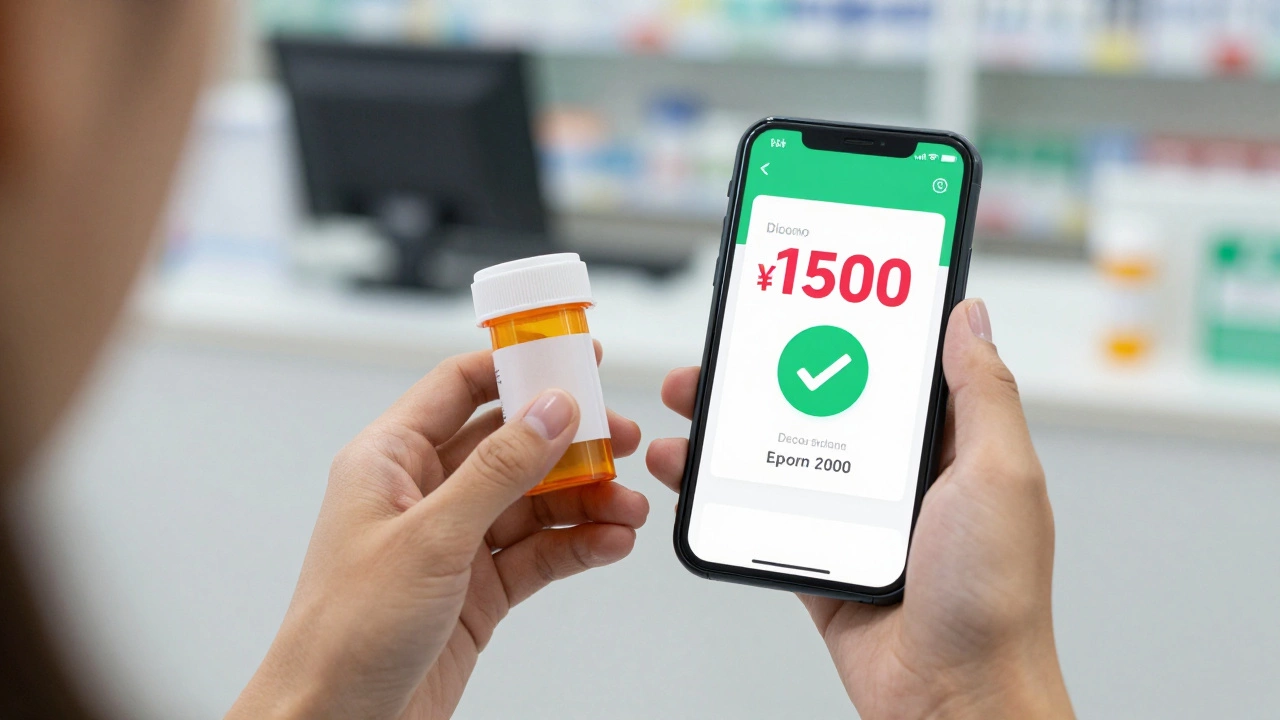
Platforms like GoodRx is a pharmacy benefits manager and price transparency tool that allows users to compare medication prices across different pharmacies and apply discounts instantly. I've seen a prescription for Lisinopril drop from $20 to $4 at a local CVS just by showing a QR code on a phone. It's a simple shift: instead of relying on your insurance's formulary, you're using a negotiated rate that the app has already secured.
| Method | Best For | Potential Cost | Requirement |
|---|---|---|---|
| PAPs | Expensive Brand Drugs | $0 (Free) | Income Verification |
| Discount Apps | Generics / Common Meds | $0 - $15 | Smartphone/App |
| Generic Swap | Almost All Meds | Low to Free | Doctor's Approval |
| Govt Subsidies | Low Income/Seniors | $0 - Low Co-pay | Eligibility Proof |
The Power of Generic and Therapeutic Alternatives
One of the fastest ways to get a free prescription or a drastically cheaper one is to stop paying for a brand name. Generic Drugs are medications created to be the same as an already marketed brand-name drug in dosage, safety, strength, and quality. They are chemically identical but cost significantly less because the generic manufacturer didn't have to pay for the initial research and development.
If a generic is still too expensive, ask your doctor about a therapeutic alternative. This is a different drug in the same class that does the same thing but might be on your insurance company's "preferred" list (the formulary). For instance, if one statin for cholesterol is expensive, there might be another one in the same family that your insurance covers at a 100% subsidy, making it free for you.
Government Programs and Public Health Subsidies
Depending on where you live, the government may foot the bill for your medicine. In the US, Medicaid is a joint federal and state program that helps with medical costs for some people with limited income. For seniors, Medicare Part D provides prescription drug coverage, and there are "Extra Help" programs for those who can't afford the premiums.
In other regions, like the UK, the NHS (National Health Service) provides prescriptions for free to specific groups, including children, the elderly, and people with certain medical exemptions. If you fall into these categories, you don't need to hunt for coupons; you just need to ensure your medical record is updated to reflect your eligibility.
Non-Profit Organizations and Community Resources
When government and manufacturer programs fall through, non-profits often step in. Organizations like NeedyMeds or the Partnership for Prescription Assistance act as clearinghouses, connecting patients with resources they might not find on Google. These groups often manage funds specifically for chronic conditions like diabetes or asthma.
Some community clinics and "Federally Qualified Health Centers" (FQHCs) also provide medications on a sliding scale. This means the price is based on your income. If you're making below the poverty line, your medication might be provided for free through their internal pharmacy program. Don't be afraid to ask the social worker at your clinic; they usually have a list of local grants that are barely advertised.
Avoiding Common Pitfalls When Seeking Free Meds
While searching for ways to save, be wary of "free sample" traps. While doctors often have samples, they are only a temporary fix. Relying on samples can lead to gaps in your treatment, which is dangerous for conditions like hypertension or mental health disorders. Instead, use the sample period to apply for a PAP or find a coupon.
Another trap is the "trial offer" from pharmaceutical companies. Many brands offer a "first month free" card. This is great for a start, but it doesn't solve the long-term cost. Use that free month to pressure your insurance company for a "prior authorization" or a formulary exception, which can permanently lower the cost.
Can I actually get prescriptions for free without insurance?
Yes, it is possible. The most reliable way for brand-name drugs is through Pharmaceutical Patient Assistance Programs (PAPs). For generics, community health clinics and non-profits like NeedyMeds can often provide medications for free or at a very low cost based on your income level.
What is the difference between a drug coupon and a PAP?
A coupon (like GoodRx) is a discount available to anyone regardless of income, which lowers the price but rarely makes it zero. A PAP is an income-based program run by the manufacturer that can provide the drug completely free if you meet their financial criteria.
Do generic drugs work as well as brand-name ones?
Yes. The FDA and similar global agencies require generic drugs to have the same active ingredients, strength, and dosage form as the brand-name version. They are designed to provide the same clinical benefit at a fraction of the cost.
How do I apply for a Patient Assistance Program?
Visit the manufacturer's website for the specific drug you need. Look for a link labeled "Patient Assistance" or "Savings." You will typically need to upload proof of income and have your prescribing doctor sign a form verifying your diagnosis.
Can my doctor help me find free medication?
Absolutely. Doctors are often aware of which drugs have active assistance programs or which generics are currently cheapest. They can also suggest "therapeutic alternatives"-different drugs that treat the same condition but are covered by your insurance.
Next Steps to Lower Your Bill
If you're currently struggling with costs, start with the easiest win: download a discount app and check the price at three different pharmacies. Then, look at the box of your medication, find the manufacturer's name, and search for their "Patient Assistance Program." If you have a chronic condition, reach out to a dedicated non-profit for that disease. Small steps in research can save you hundreds of dollars a month.
