 Dec, 4 2025
Fertility Readiness Calculator
Assess your fertility potential based on key factors from the article. This tool uses New Zealand-specific fertility guidelines.
If you’ve been trying to get pregnant for months-or even years-and nothing’s working, it’s easy to feel stuck. You’re not alone. About 1 in 6 couples in New Zealand face trouble conceiving. But before jumping to IVF or fertility drugs, there’s a lot you can do naturally to improve your chances. The truth? Your body is designed to conceive. Sometimes, it just needs the right support.
Track Your Cycle Like a Pro
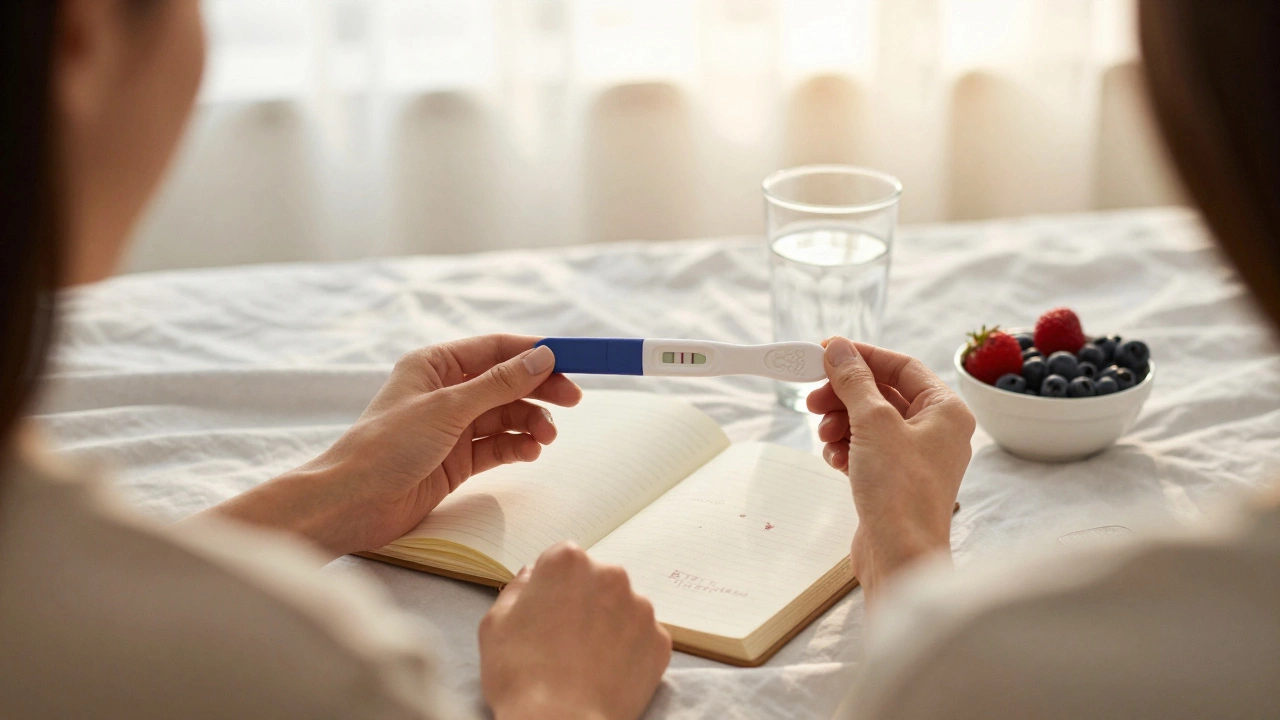
Most people think ovulation happens on day 14 of a 28-day cycle. That’s a myth. For nearly half of women, ovulation happens earlier or later. To know when you’re most fertile, track your cycle using a combination of methods.
- Use ovulation predictor kits (OPKs). These detect the surge in luteinizing hormone (LH) that happens 24-36 hours before ovulation.
- Check cervical mucus. When it becomes clear, stretchy, and egg-white-like, you’re in your fertile window.
- Take your basal body temperature (BBT) every morning before getting out of bed. A slight rise (0.3-0.5°C) means ovulation has already happened.
Having sex every other day during your fertile window-usually days 10 to 18-is more effective than daily sex. Too much sex can lower sperm count. Too little means you miss the window.
Eat for Fertility, Not Just Health
What you eat directly affects your hormones, egg quality, and sperm health. A 2023 study from the University of Auckland found that women who followed a fertility-focused diet were 66% more likely to conceive within 12 months compared to those eating a standard Western diet.
Focus on these foods:
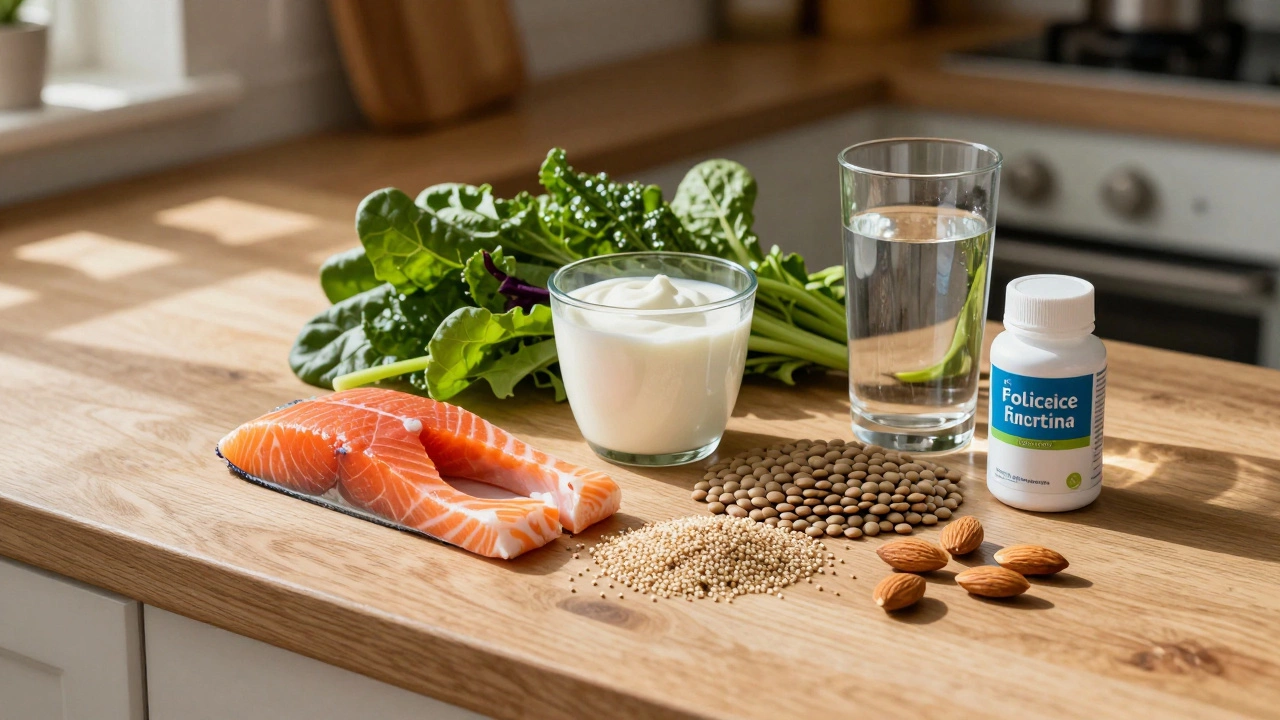
- Fatty fish like salmon, sardines, and mackerel-rich in omega-3s that reduce inflammation and improve ovarian function.
- Full-fat dairy-one study showed women who ate full-fat yogurt or milk had a 27% lower risk of ovulatory infertility.
- Plant-based proteins like lentils, beans, and tofu. Replacing just one serving of red meat with plant protein per day boosted fertility.
- Leafy greens-spinach, kale, and Swiss chard are packed with folate, iron, and antioxidants that protect eggs and sperm.
- Whole grains like oats, quinoa, and brown rice. They help regulate insulin, which affects ovulation.
Avoid trans fats, sugary drinks, and ultra-processed snacks. Even one soda a day can lower fertility by 20% in women and reduce sperm motility in men.
Maintain a Healthy Weight
Your body fat percentage matters more than the number on the scale. Too little fat can stop ovulation. Too much fat can cause hormonal imbalances.
For women, a BMI between 19 and 24 is ideal for fertility. If your BMI is below 18.5, gaining 2-4 kg can restart your cycle. If it’s above 27, losing just 5-10% of your body weight can restore ovulation in up to 80% of women with PCOS.
Men, your weight matters too. A BMI over 25 is linked to lower testosterone and reduced sperm count. Losing even 5 kg can improve sperm quality significantly.
Reduce Stress-It’s Not Just in Your Head
Chronic stress raises cortisol, which can shut down reproductive hormones. If you’re constantly anxious, overworked, or sleep-deprived, your body may be in survival mode-not baby-making mode.
Here’s what works:
- 10 minutes of daily breathing exercises-inhale for 4 counts, hold for 4, exhale for 6. Do this before bed.
- Yoga or tai chi twice a week. A 2024 trial showed women who did yoga for 12 weeks had higher pregnancy rates than those who didn’t.
- Limit screen time before bed. Blue light from phones and laptops disrupts melatonin, which affects your cycle.
You don’t need to eliminate stress entirely. Just give your nervous system a break every day.
Stop Smoking, Cut Alcohol, and Avoid Vaping
Smoking cuts your chances of getting pregnant by 40%. It damages eggs, reduces ovarian reserve, and increases miscarriage risk. Quitting even a month before trying can help.
Alcohol is just as bad. One drink a day lowers fertility in women. For men, more than two drinks a week reduces sperm count and increases abnormal sperm.
Vaping isn’t safer. The nicotine and flavoring chemicals in e-cigarettes harm egg and sperm DNA just like cigarettes. If you’re trying to conceive, skip it completely.
Take the Right Supplements
Food should come first-but supplements fill the gaps.
- Folic acid (400-800 mcg daily)-essential for preventing neural tube defects. Start at least 3 months before trying.
- Vitamin D-most New Zealanders are deficient, especially in winter. Aim for 1,000-2,000 IU daily. Low levels are linked to poor egg quality and irregular cycles.
- CoQ10 (200-400 mg daily)-an antioxidant that improves egg and sperm energy production. Especially helpful if you’re over 35.
- Zinc (15-30 mg daily)-critical for hormone balance and sperm production.
- Mycotoxin-free prenatal-avoid cheap brands with fillers. Look for ones with methylated folate, not folic acid, if you have MTHFR gene variants.
Don’t stack every supplement on the market. Too much of some things (like vitamin A or iron) can hurt fertility. Stick to the basics.

Move Your Body-But Don’t Overdo It
Exercise helps. Too much hurts.
Women who do 30-60 minutes of moderate activity most days (brisk walking, swimming, cycling) have better hormone balance and higher pregnancy rates. But if you’re running marathons or doing high-intensity workouts 6 days a week, your body may stop ovulating.
For men, moderate exercise improves sperm count and motility. But sitting for hours on a stationary bike? That raises scrotal temperature and lowers sperm quality. Switch to walking or swimming.
Check for Hidden Issues
Even if you’re doing everything right, something could be blocking conception.
- Thyroid problems-low or high thyroid function can stop ovulation. Get a full panel: TSH, free T3, free T4, and thyroid antibodies.
- PCOS-irregular periods, acne, excess hair, and weight gain are signs. A simple ultrasound and blood test can confirm it.
- Low sperm count-men should get a semen analysis. It’s quick, cheap, and often overlooked.
- Endometriosis-painful periods, pain during sex, or pelvic pain could mean endometrial tissue is growing outside the uterus.
Don’t wait a year to see a doctor. If you’re over 35, go after 6 months of trying. If you’re under 35 but have irregular cycles, known conditions, or a history of pelvic surgery, see a specialist sooner.
Timing Matters-But So Does Patience
Even with perfect timing, healthy habits, and no underlying issues, the chance of getting pregnant each month is only about 20-25% for healthy couples under 30. That drops to 5-10% after 40.
It’s not a race. It’s a process. Stress about not getting pregnant fast can make it harder. Focus on building a healthy body and lifestyle. The rest follows.
Many couples conceive naturally after making these changes-even after years of trying. You’re not broken. You’re just waiting for the right conditions.
How long should I try naturally before seeing a doctor?
If you’re under 35 and have no known health issues, try for 12 months. If you’re over 35, see a specialist after 6 months. If you have irregular periods, a history of pelvic infections, endometriosis, or your partner has known sperm issues, don’t wait-get checked sooner.
Can stress really stop me from getting pregnant?
Yes. Chronic stress raises cortisol, which can suppress the hormones that trigger ovulation. It doesn’t mean you’re "too stressed"-it means your body is prioritizing survival over reproduction. Reducing stress doesn’t guarantee pregnancy, but it removes a major barrier.
Do I need to take prenatal vitamins before I get pregnant?
Yes. Folic acid should be taken at least 3 months before conception to prevent neural tube defects. Other key nutrients like vitamin D, zinc, and CoQ10 also support egg and sperm health. Prenatals aren’t magic-they’re insurance for your baby’s earliest development.
Is it true that my weight affects my fertility?
Absolutely. Being underweight or overweight disrupts estrogen and insulin levels, which control ovulation. Losing just 5-10% of body weight can restore regular cycles in women with PCOS. For men, weight loss improves sperm count and motility.
What foods should I avoid when trying to conceive?
Avoid sugary drinks, trans fats (found in fried foods and baked goods), processed meats, and excessive caffeine (more than 200 mg per day). Alcohol and smoking are major fertility killers. Even one soda a day can reduce your chances by 20%.
Can my partner do anything to improve fertility?
Yes. Men should avoid hot tubs and saunas, wear loose underwear, quit smoking, limit alcohol, and take zinc and CoQ10. A semen analysis is the first step-it’s simple, affordable, and often the missing piece.
