 Jul, 5 2026
Dental Implant Timeline Estimator
Treatment Configuration
Estimated Total Time
From first consultation to final crown
You’ve booked the consultation. You know you need that missing tooth replaced. But when you ask your dentist how long it will take, they don’t give you a simple number. They talk about "stages," "healing," and "integration." It’s frustrating. You just want to know when you can stop worrying about gaps in your smile.
In the UK, getting dental implants isn’t a one-day fix. For most people, the entire process takes between 3 and 9 months. Sometimes longer. The clock doesn’t start ticking when you sit in the chair; it starts ticking when your body begins to heal.
This guide breaks down exactly where that time goes, why some treatments drag on for six months while others finish in three, and what you can do to keep things moving smoothly.
The Three Phases of Implant Treatment
To understand the timeline, you have to look at the biology, not just the surgery. Your jawbone needs to fuse with the titanium screw. This is called osseointegration. If you rush this, the implant fails. If you wait too long, you waste money and patience.
Here is how the standard timeline looks for a straightforward case:
- Initial Consultation & Planning (1-2 weeks): X-rays, CT scans, and mold taking. This ensures there’s enough bone and no hidden infection.
- Surgery Day (1-2 hours): The actual placement of the titanium post. You go home the same day.
- Healing & Osseointegration (3-6 months): The silent phase. Nothing happens visibly, but your bone is growing around the implant.
- Abutment & Crown Placement (4-8 weeks): Attaching the connector and the final tooth.
If everything goes perfectly, you’re looking at roughly 4 to 5 months from first appointment to biting down on your new tooth. But "perfect" is rare in dentistry. Let’s look at what complicates things.
Why Some Cases Take Longer: The Hidden Delays
The 3-to-6-month healing window assumes your jawbone is healthy and dense. In reality, many patients need extra steps before the implant can even be placed. These pre-treatments add significant time to the calendar.
| Factor | Additional Time Needed | Reason |
|---|---|---|
| Bone Grafting | 4-6 months | Bone must grow and stabilize before the implant is inserted. |
| Sinus Lift | 6-9 months | Required for upper back teeth; sinus membrane needs to heal completely. |
| Tooth Extraction | 2-3 months | Socket must heal and fill with bone before drilling for the implant. |
| Gum Disease Treatment | 1-2 months | Active infection must be cleared to prevent implant failure. |
For example, if you need a bone graft because your jaw has shrunk after losing a tooth years ago, you won’t get the implant immediately. You’ll get the graft, wait four to six months for the bone to mature, and then start the implant healing clock. Suddenly, your 4-month plan becomes an 8-month project.
NHS vs. Private: How Funding Affects Speed
This is the biggest shock for many patients in the UK. The National Health Service (NHS) rarely funds dental implants. They consider them cosmetic or non-essential unless you cannot wear dentures due to medical reasons (like severe gag reflexes or bone deformities).
If you are eligible for NHS funding, the waiting times are unpredictable. You might face delays due to clinic capacity, surgeon availability, or administrative processing. There is no guaranteed "fast track."
Private treatment is faster because you control the schedule. You choose the clinic, you pick the surgeon, and you book the slots. Most private clinics in London, Manchester, or Birmingham can slot you in within two weeks of inquiry. However, speed comes at a price. Private implants cost significantly more than NHS extractions or bridges, but you avoid the uncertainty of public sector queues.
Immediate Load Implants: Is "Same-Day" Real?
You’ve seen the ads. "Teeth in a Day." "Immediate Load." It sounds too good to be true, right? Well, it’s partially true, but with major caveats.
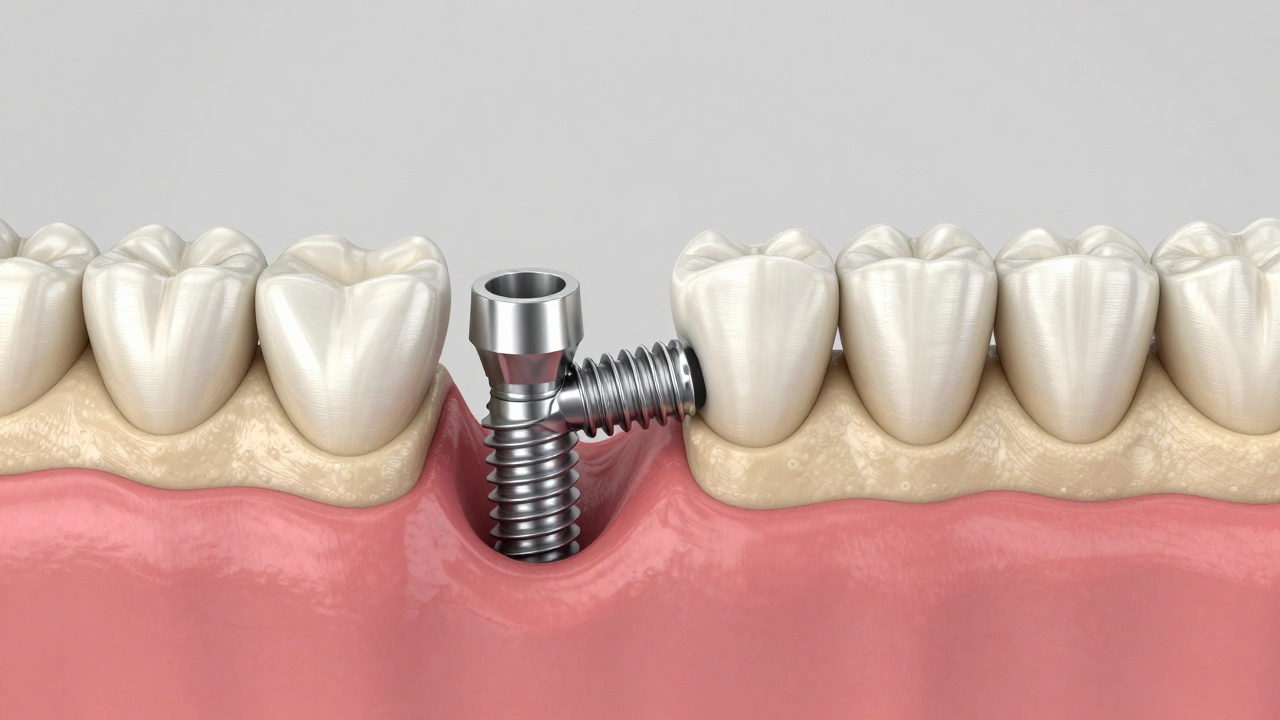
Immediate load implants involve placing the titanium post and attaching a temporary crown in the same surgery. This works only if:
- Your bone density is excellent (no grafting needed).
- The implant achieves high primary stability during insertion.
- You are not a smoker (smoking drastically reduces blood flow and healing).
- You follow strict dietary restrictions for the first few weeks (soft foods only).
Even with immediate load, the final crown usually isn’t placed until the bone has fully integrated, which still takes 3 to 4 months. So, you get a temporary tooth quickly, but the biological clock hasn’t stopped. If the implant moves even slightly during those early weeks, it will fail. This option is great for aesthetics but risky if you’re not disciplined with aftercare.
What You Can Do to Speed Up Healing
You can’t force your bones to grow faster, but you can remove obstacles that slow them down. Here are practical steps to ensure your timeline stays on track:
- Quit Smoking: This is non-negotiable. Nicotine constricts blood vessels, starving the implant site of oxygen. Smokers have a 20-40% higher failure rate. If you smoke, quit at least two weeks before surgery and stay quit until healed.
- Manage Diabetes: High blood sugar impairs wound healing. Keep your HbA1c levels under control before booking surgery.
- Maintain Oral Hygiene: Use chlorhexidine mouthwash as prescribed. Brush gently around the surgical site. Infection is the #1 cause of delayed healing.
- Eat Nutrient-Rich Foods: Protein, Vitamin C, and Calcium support tissue repair. Avoid hard, crunchy, or sticky foods that could dislodge the healing clot.
Think of your body as a construction site. If you keep dumping debris (smoke, bacteria, poor nutrition) on the site, the builders (your cells) can’t work efficiently.

Cost Considerations Over Time
Time isn’t the only resource you’re spending. In the UK, a single dental implant typically costs between £1,500 and £3,000, depending on the location and complexity. If you need bone grafting, add another £500 to £1,000. Full arch replacements (All-on-4) can range from £10,000 to £25,000 per arch.
Many clinics offer payment plans. Spreading the cost over 12 to 24 months makes the financial burden manageable, but remember: interest rates apply. Calculate the total cost, not just the monthly payment. Also, check if your private health insurance covers any part of the procedure. Most basic plans exclude implants, but premium policies may cover 50-80% of the cost if deemed medically necessary.
When to Worry About Delays
Some delay is normal. Pain, swelling, and bruising peak at 48 hours and subside within a week. But certain signs indicate complications that could extend your timeline indefinitely:
- Persistent pain beyond 7 days.
- Fever or chills.
- Pus discharge from the gum line.
- The implant feels loose or mobile.
If you experience these, contact your surgeon immediately. Early intervention can save the implant. Ignoring symptoms often leads to removal and a restart of the entire process, adding 6+ months to your journey.
Can I get a dental implant in one day?
You can place the implant and attach a temporary crown in one day if your bone is strong enough. However, the final permanent crown usually waits 3-4 months for full bone integration. "One-day teeth" refers to immediate function, not completed treatment.
Does the NHS pay for dental implants?
Rarely. The NHS considers implants cosmetic. Exceptions exist for medical necessity, such as inability to wear dentures due to severe allergies or anatomical issues. Most patients must pay privately.
How long does bone grafting take before an implant?
Bone grafting requires 4 to 6 months of healing before the implant can be placed. This allows the graft material to integrate with your natural jawbone, creating a stable foundation.
Will smoking affect my implant timeline?
Yes, significantly. Smoking reduces blood flow, slowing healing and increasing failure risk by up to 40%. Surgeons often require patients to quit for several weeks before and after surgery.
What is the average cost of a dental implant in the UK?
A single implant ranges from £1,500 to £3,000. Costs vary by region, clinic reputation, and additional procedures like bone grafting. Always request a detailed quote including all stages.
