 Nov, 19 2026
UK Travel Health Insurance Coverage Checker
Enter your details below to see a risk assessment of your current coverage situation.
You’re packing your bags for a holiday in Spain or a business trip to New York. The excitement is high, but a nagging thought hits you: does my health insurance cover me when I travel internationally?
If you rely solely on the NHS, you might be in for a nasty surprise. If you have private cover, you need to know exactly what’s included before you step on that plane. This isn’t just about peace of mind; it’s about avoiding bills that can run into tens of thousands of pounds. Let’s break down exactly how UK health insurance works overseas, what the NHS actually covers, and why standard policies often fail travelers.
The NHS Myth vs. Reality
Here is the hard truth: the National Health Service (NHS) does not cover you when you are outside the United Kingdom. You cannot walk into a hospital in Paris or Tokyo and expect free treatment under your NHS number. The NHS is a domestic service funded by UK taxpayers for UK residents.
However, there is a common misconception stemming from the European Union healthcare agreements. For years, UK citizens relied on the European Health Insurance Card (EHIC). This card allowed access to state-provided healthcare in EU countries at the same cost as locals. Since Brexit, the rules have tightened, but a replacement exists.
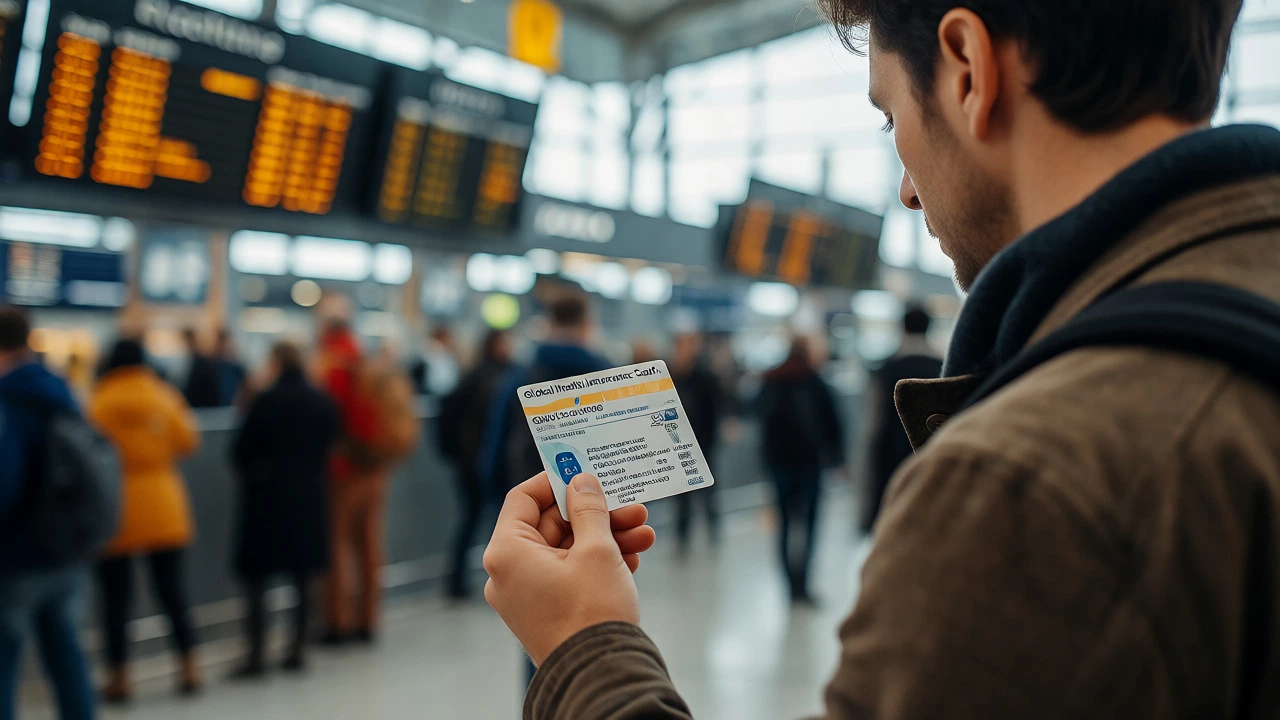
The Global Health Insurance Card (GHIC) replaced the EHIC for most new applicants. It provides similar coverage within the EU and some other countries. But here is the catch: these cards are not insurance. They are proof of entitlement to public healthcare systems. They do not cover private hospitals, repatriation (flying you home), or lost luggage. If you go to a private clinic in Rome because the public one is full, the GHIC won’t pay a penny.
What Does Private Medical Insurance Actually Cover?
If you hold a policy with providers like Bupa, AXA Health, or Vitality, your coverage depends entirely on your specific plan tier. Most standard UK private health insurance policies are designed for domestic use. They focus on elective procedures and specialist consultations within the UK network.
Many basic plans exclude overseas treatment completely. Others offer limited "emergency" cover. You need to check your policy documents for two specific terms:
- Emergency Treatment: Usually covers immediate life-saving care if you get sick or injured while traveling.
- Repatriation: Covers the cost of medically transporting you back to the UK. This is crucial because flying a patient home with medical staff can cost £10,000-£30,000 alone.
Do not assume your monthly premium includes this. Many insurers sell "travel add-ons" separately. If you haven’t bought this add-on, your private insurer likely considers your trip an exclusion.
| Coverage Type | Cost to User | Best For | Key Limitations |
|---|---|---|---|
| NHS | Free in UK | Domestic routine care | No coverage abroad |
| GHIC/EHIC | Low/No cost | State hospitals in EU | No private care, no repatriation |
| Private PMI (Basic) | Monthly Premium | UK specialists | Often excludes overseas emergencies |
| Travel Insurance | Per Trip Cost | All trips | Strict exclusions for pre-existing conditions |
The Critical Role of Dedicated Travel Insurance
This is where most people make mistakes. They think their health insurance covers them, so they skip buying separate travel insurance. Or worse, they buy cheap travel insurance without declaring pre-existing medical conditions.
Dedicated travel insurance is different from health insurance. While health insurance focuses on long-term management and treatment of illness, travel insurance is designed for sudden accidents, emergency evacuations, and short-term acute issues. It typically offers higher limits for emergency medical expenses than a standard PMI add-on.
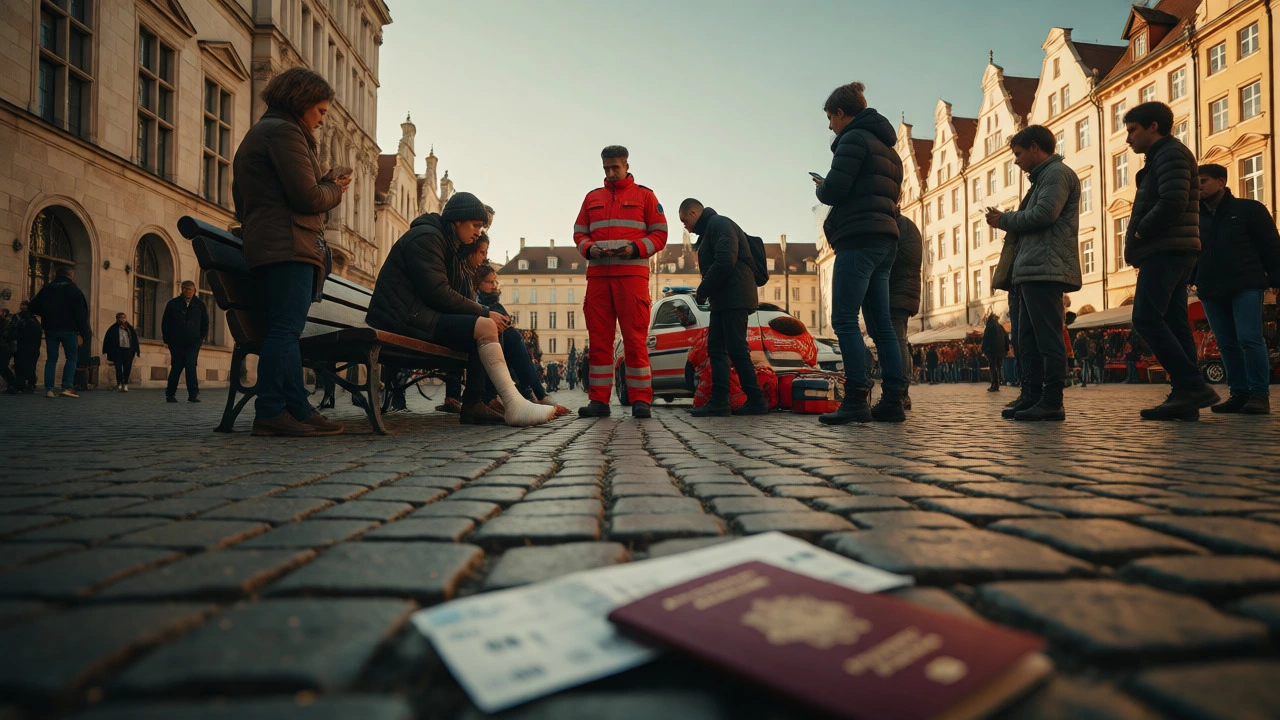
Consider this scenario: You slip on ice in Switzerland and break your hip. A GHIC gets you into a public hospital for surgery. But who pays for the ambulance? Who pays for the flight home with a stretcher? Who covers your hotel stay if you can’t fly immediately? Only comprehensive travel insurance handles these logistics smoothly. Your PMI might reimburse the surgery cost later, but you’ll likely have to pay upfront and claim back, which ties up your cash flow during a stressful time.
Pre-Existing Conditions: The Dealbreaker
If you have chronic pain, diabetes, heart disease, or any ongoing health issue, standard travel insurance becomes tricky. Insurers view you as a higher risk. They will either exclude your condition from cover or charge a significant premium increase.
Never hide a condition. If you don’t declare your asthma or back problems, and you seek treatment abroad related to those issues, the insurer will deny your claim. This leaves you paying out of pocket. Specialized insurers exist for people with chronic conditions. They might charge more, but they provide genuine security.
For example, if you have severe arthritis and visit Thailand, a fall could exacerbate your condition. A standard policy might say, "We don't cover pre-existing conditions." A specialized policy would cover the acute injury resulting from the fall, even if the underlying arthritis contributed to the severity.
Where Are You Going? Geography Matters
Your destination changes everything. The rules for Europe are vastly different from the USA or Asia.
Europe
Thanks to reciprocal healthcare agreements, the GHIC gives you access to state healthcare. However, many popular tourist destinations (like parts of Greece or Italy) have mixed public-private systems. Locals might use private clinics, and tourists often follow suit. The GHIC doesn’t help there. Always carry private travel insurance as a backup.
The United States
Forget the GHIC. It has no value in the USA. American healthcare costs are notoriously high. An ambulance ride can cost $1,000+. An ER visit for minor issues can hit $500-$2,000. Without robust travel insurance, you are personally liable for every cent. Ensure your policy has at least $1 million in medical coverage for US trips.
Asia and Rest of World
Reciprocal agreements are rare. In countries like Japan or Australia, you may get some state support, but language barriers and billing complexities make private insurance essential. Look for policies that offer direct billing networks, so you don’t have to front the cash.

How to Check Your Current Coverage
Before you book your next trip, spend ten minutes auditing your protection. Follow these steps:
- Read Your PMI Policy Wording: Search for keywords like "overseas," "abroad," "emergency," and "repatriation." If you find nothing, you likely have zero cover.
- Check Your Credit Card Benefits: Some premium credit cards include travel insurance if you paid for the ticket with that card. Read the fine print-this cover is often minimal and excludes older travelers or those with medical history.
- Apply for a GHIC: If you’re heading to Europe, apply for a Global Health Insurance Card online via the NHS website. It’s free. It takes weeks to arrive, so do it now.
- Compare Travel Policies: Use comparison sites, but filter by "medical conditions." Be honest. Get quotes from three different providers.
Common Pitfalls to Avoid
Don’t let these common errors ruin your trip:
- Assuming Alcohol Exclusion Doesn’t Apply: If you’re drunk when you injure yourself, many policies void the claim. Drink responsibly.
- Ignoring Adventure Activities: Standard cover often excludes skiing, scuba diving, or bungee jumping. If you plan active holidays, buy sports cover.
- Missing the Claim Window: Keep all receipts. Submit claims quickly. Some insurers require notification within 24 hours of seeking treatment.
Final Verdict: Do You Need More Than Just Health Insurance?
So, does your health insurance cover you internationally? Usually, no-not fully. The NHS definitely doesn’t. Private medical insurance might offer a safety net, but it’s rarely comprehensive enough for the complexities of international travel.
The smartest approach is layered protection. Carry your GHIC for Europe. Maintain your private health insurance for home use. And always, always buy dedicated travel insurance tailored to your medical history and destination. It’s a small price to pay compared to a £50,000 bill for a broken leg in Colorado.
Can I use my EHIC after Brexit?
Yes, existing valid European Health Insurance Cards (EHICs) remain valid until their expiry date. However, once they expire, you must apply for a Global Health Insurance Card (GHIC) if you are eligible. The GHIC works similarly in EU countries but has slightly fewer benefits in some non-EU nations like Switzerland.
Does Bupa cover overseas emergencies?
It depends on your specific Bupa policy. Some comprehensive plans include worldwide emergency treatment and repatriation. Others restrict cover to the UK only. You must check your policy documents or contact Bupa directly to confirm if you have an "Overseas Emergency" benefit included.
Is travel insurance cheaper than adding cover to health insurance?
Generally, yes. Adding permanent overseas cover to a private health insurance policy can significantly raise your annual premium. Single-trip or annual multi-trip travel insurance is usually much cheaper for occasional travelers. However, frequent flyers might find a global health insurance plan more cost-effective over time.
What happens if I get sick with coronavirus abroad?
Most modern travel insurance policies now cover pandemic-related disruptions, including testing, isolation accommodation, and medical treatment. However, you must check the specific wording. Some policies exclude known pandemics or require you to have been vaccinated. Always verify the current stance of your insurer regarding infectious diseases.
Do I need travel insurance if I have private health insurance?
Yes, absolutely. Private health insurance rarely covers repatriation, lost baggage, trip cancellation, or personal liability. Travel insurance fills these gaps. Even if your PMI covers medical bills, it won’t pay for the hotel room you needed while waiting to fly home, nor will it refund your unused holiday days.
