 Nov, 9 2026
Virtual Visit Suitability Checker
Not sure if you should book a video call? Check if your situation is best handled remotely.
1. Describe Your Situation
2. Recommendation
Select your options above to get advice.
You’re sitting on your couch in sweatpants, staring at a weird rash on your arm or feeling that nagging chest tightness. The office is closed, or maybe you just don’t want to sit in a waiting room for two hours. So you open the Teladoc app and book a visit. But here’s the big question everyone asks: can they actually diagnose you? Or are they just going to tell you to go see a real doctor anyway?
The short answer is yes, but with some serious caveats. It depends entirely on what’s wrong with you. For some issues, a video call is all you need. For others, it’s basically a guessing game without blood work or a physical exam. Let’s break down exactly what virtual care can handle, where it hits a wall, and how to make sure you get the help you actually need.
What Can Teladoc Actually Diagnose?
Think of a Teladoc visit like a triage nurse who happens to be a licensed physician. They have access to your history (if you share it), they can look at things via camera, and they can ask very specific questions. That covers a surprising amount of ground.
Doctors using platforms like Teladoc excel at diagnosing conditions where visual cues and patient history do most of the heavy lifting. If you have a sinus infection, strep throat symptoms, or a urinary tract infection, they can often prescribe antibiotics based on your description and risk factors alone. Skin issues are another sweet spot. Show them that bug bite or eczema flare-up on high-def video, and they can usually identify it and send a prescription to your local pharmacy within minutes.
Mental health is another area where virtual diagnosis shines. A therapist or psychiatrist doesn’t need to listen to your heart to assess anxiety, depression, or ADHD. They rely on conversation, behavioral observation, and standardized questionnaires. In fact, many patients find it easier to open up about mental health struggles from the comfort of their own home than in a sterile clinic.
- Common Illnesses: Colds, flu, allergies, pink eye, rashes, insect bites.
- Chronic Condition Management: Adjusting meds for diabetes, hypertension, or thyroid issues if you provide recent home readings.
- Mental Health: Depression, anxiety, insomnia, PTSD.
- Minor Injuries: Sprains, minor cuts, burns (via photo assessment).
The Limits of Remote Diagnosis
Here’s the hard truth: no amount of good Wi-Fi replaces hands-on examination. There are critical gaps in virtual medicine that every user needs to understand. If your problem requires listening to your lungs, pressing on your abdomen to check for appendicitis, or running lab tests, Teladoc can’t fully diagnose you. They can suspect something, but they can’t confirm it remotely.
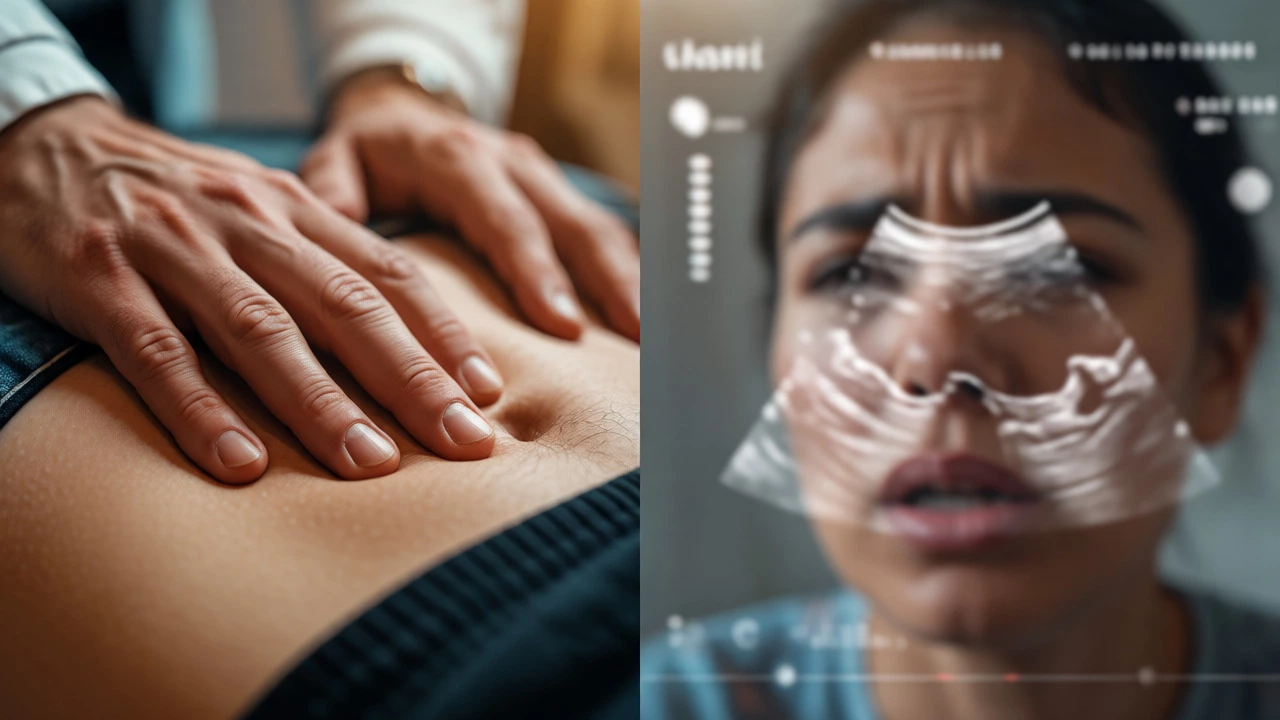
For example, if you complain of abdominal pain, a virtual doctor might suspect gastritis or IBS. But without palpating your belly or ordering an ultrasound, they can’t rule out gallstones or kidney stones. Similarly, cardiac issues are tricky. Chest pain is a classic red flag. While a Teladoc provider can assess your risk profile and likely send you to the ER if you’re having a heart attack, they cannot perform an EKG or troponin blood test virtually. They are ruling out emergencies, not necessarily giving you a final "all clear" on complex internal issues.
Also, consider the technical limitations. Lighting matters. If your bathroom light is yellow and dim, a doctor might miss subtle changes in skin color or wound healing. Audio lag can cause you to miss nuances in breathing sounds. These aren't just inconveniences; they are diagnostic barriers.
| Condition Type | Teladoc Capability | In-Person Requirement |
|---|---|---|
| Skin Rashes | High (Visual ID) | Low (Unless biopsy needed) |
| Respiratory Issues | Moderate (Symptom check) | High (Auscultation, X-ray) |
| Abdominal Pain | Low (History only) | High (Palpation, Labs, Imaging) |
| Mental Health | High (Interview-based) | Low (Same as virtual) |
| Cardiac Symptoms | Low (Triage only) | Critical (EKG, Blood Work) |
How Accurate Are Virtual Diagnoses?
People worry about getting a wrong diagnosis because the doctor isn't physically there. Is this valid? Studies suggest that for common acute illnesses, virtual care is remarkably accurate. A study published in the Journal of Medical Internet Research found that diagnoses made via telehealth for upper respiratory infections matched in-person diagnoses in over 90% of cases. Why? Because these conditions are defined by symptoms, not hidden internal states.
However, accuracy drops when the diagnosis relies on physical manipulation or lab results. If you go to Teladoc saying, "I feel tired," they can't run a full metabolic panel. They might guess anemia or thyroid issues, but they’ll likely order labs through a partner network like Labcorp or Quest Diagnostics. Until those results come back, the diagnosis is tentative.
Your role in this process is huge. Garbage in, garbage out. If you mumble, hide your symptoms, or forget to mention you started a new medication last week, the diagnosis will be flawed. Be hyper-specific. Instead of saying "my stomach hurts," say "it hurts under my right rib cage after eating fatty foods." That level of detail helps a remote doctor narrow down the possibilities significantly.
When Should You Go to the ER Instead?
Teladoc is not for emergencies. Period. If you think you might be dying, call 911. Don’t wait for a callback from an app. The platform is designed for non-urgent care. But sometimes it’s hard to know if something is urgent. Here is a quick heuristic: if the symptom came on suddenly and severely, seek emergency care.
- Call 911/Go to ER: Chest pain/pressure, difficulty breathing, sudden weakness/numbness (stroke signs), severe bleeding, major trauma, confusion/altered consciousness.
- Use Teladoc: Persistent cough (>1 week), mild fever, chronic pain flare-ups, prescription refills, mental health check-ins, minor skin issues.
A key feature of modern telehealth apps is the "red flag" protocol. During intake, algorithms and nurses screen for these emergencies. If you report crushing chest pain radiating to your left arm, the system will likely block the appointment and direct you to emergency services. Trust this filter. It’s there to keep you safe.
Preparing for Your Visit to Get a Better Diagnosis
You can improve your chances of getting a definitive answer by prepping like a pro. Most people jump on the call unprepared, which wastes time and leads to vague advice. Treat it like a real appointment.
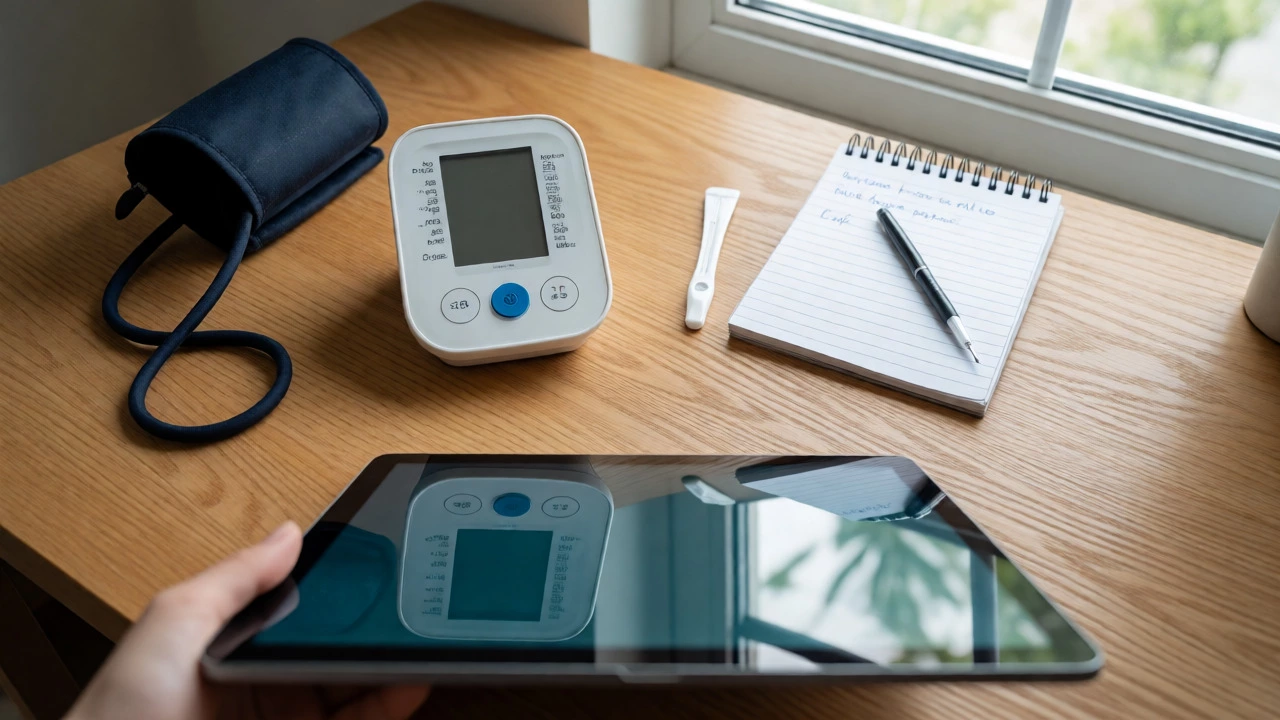
First, gather your data. If you have a home blood pressure cuff, take a reading. If you have a thermometer, note your temperature trend over the last 48 hours. Have a list of current medications ready-names and dosages. This prevents dangerous drug interactions and gives the doctor context.
Second, set the scene. Find a quiet room with good natural light. Face the window if possible. Make sure your camera is clean. If showing a body part, use a flashlight or ring light to ensure clarity. Poor lighting is the number one reason doctors ask for photos later or refer you in-person unnecessarily.
Finally, write down your top three questions. When nerves hit, we forget what we wanted to ask. Do you need a prescription? Do you need labs? How long should this last? Having these written down keeps the conversation focused and efficient.
The Follow-Up Factor
One misconception is that a Teladoc visit is a one-and-done event. It shouldn’t be. Good virtual care involves follow-up. If a doctor prescribes antibiotics for a sinus infection, they should tell you when to expect improvement. If you’re not better in 3 days, message them again. Many plans include unlimited messaging or low-cost follow-ups.
This continuity is vital for chronic conditions. Managing diabetes via Teladoc works best when you upload weekly glucose logs. The doctor adjusts insulin doses based on trends, not just a single snapshot. Without this ongoing dialogue, the diagnosis remains static and potentially outdated.
Also, don’t ignore referrals. If your Teladoc provider says, "You need to see a specialist," take it seriously. They’ve done their job by identifying that your issue is beyond remote scope. Trying to force a virtual cure for a condition requiring surgery or advanced imaging just delays proper treatment.
Frequently Asked Questions
Can Teladoc doctors prescribe controlled substances?
Generally, no. Due to federal regulations (like the Ryan Haight Act in the US), most telehealth providers cannot prescribe Schedule II controlled substances (like opioids or certain stimulants) without an in-person evaluation first. However, rules have evolved, and some states allow more flexibility for maintenance therapy if you already have a relationship with the provider. Always check your state's specific laws.
Is Teladoc covered by insurance?
Yes, most major insurance plans cover virtual visits similarly to in-person copays. Some employers even offer Teladoc as a free benefit. Check your plan details before booking to avoid surprise bills. Medicare also covers certain telehealth services, though restrictions apply depending on the service type and location.
What if the diagnosis is wrong?
If you don’t get better, contact the provider immediately. Telehealth providers document everything, so there is a paper trail. If you believe negligence occurred, you can file a complaint with your state medical board. However, most "wrong" diagnoses in telehealth are actually incomplete diagnoses due to lack of testing, which is why follow-up care is essential.
Can I get a sick note from Teladoc?
Yes, absolutely. After the visit, you can request a digital sick note or return-to-work letter. This is sent directly to your email or employer’s HR portal. It carries the same weight as a note from a primary care physician for most workplaces.
Do I need a referral to see a specialist via Teladoc?
It depends on your insurance plan. PPO plans usually allow self-referral to specialists. HMO plans often require a referral from a Primary Care Provider (PCP). Teladoc’s general practitioners can act as your PCP for the purpose of issuing referrals in many networks, but verify with your insurer.
