 Feb, 5 2026
Virtual Diagnosis Assessment Tool
Check if your condition can be diagnosed virtually
When doctors perform a telemedicine diagnosis, it's not science fiction-it's a routine part of healthcare in 2026. New Zealand's Ministry of Health reports that over 58% of primary care visits now happen through virtual channels, with most diagnoses completed without needing follow-up in-person visits. This process-where healthcare providers assess and diagnose medical conditions remotely using video calls, messaging, or other digital tools-is now standard for many conditions. But how does it actually work in practice?
How virtual diagnosis works today
Telemedicine diagnosis isn't just a video call with a doctor. It's a structured process that starts before the appointment. Patients typically book through secure platforms like Healthify or Te Whatu Ora's telehealth service. Before the call, they might fill out digital symptom checkers or upload photos of rashes, wounds, or other visible issues. During the session, doctors ask targeted questions based on these inputs. For example, a dermatologist might request close-up photos of a skin lesion from multiple angles while discussing pain levels and duration. This isn't guesswork-it's evidence-based assessment using tools designed for remote care.
In New Zealand, these platforms comply with the Privacy Act 2020, meaning all data is encrypted and stored locally. Doctors verify patient identity through government-issued ID checks before starting consultations. The entire process mirrors in-person diagnostics but uses digital tools to bridge physical distance. A 2025 study by the University of Auckland showed that doctors could accurately diagnose strep throat through video calls 92% of the time when patients provided clear throat photos and described symptoms precisely.
Conditions suitable for virtual diagnosis
Not all health issues can be assessed remotely, but many common ones can. Skin conditions like eczema or rashes are ideal for virtual diagnosis. Doctors ask patients to take well-lit photos of affected areas and describe itching, pain, or changes over time. Mental health consultations also thrive in this format. Therapists in New Zealand regularly conduct therapy sessions via video for anxiety, depression, or stress management, with outcomes matching in-person therapy according to a 2024 Auckland Health Services report.
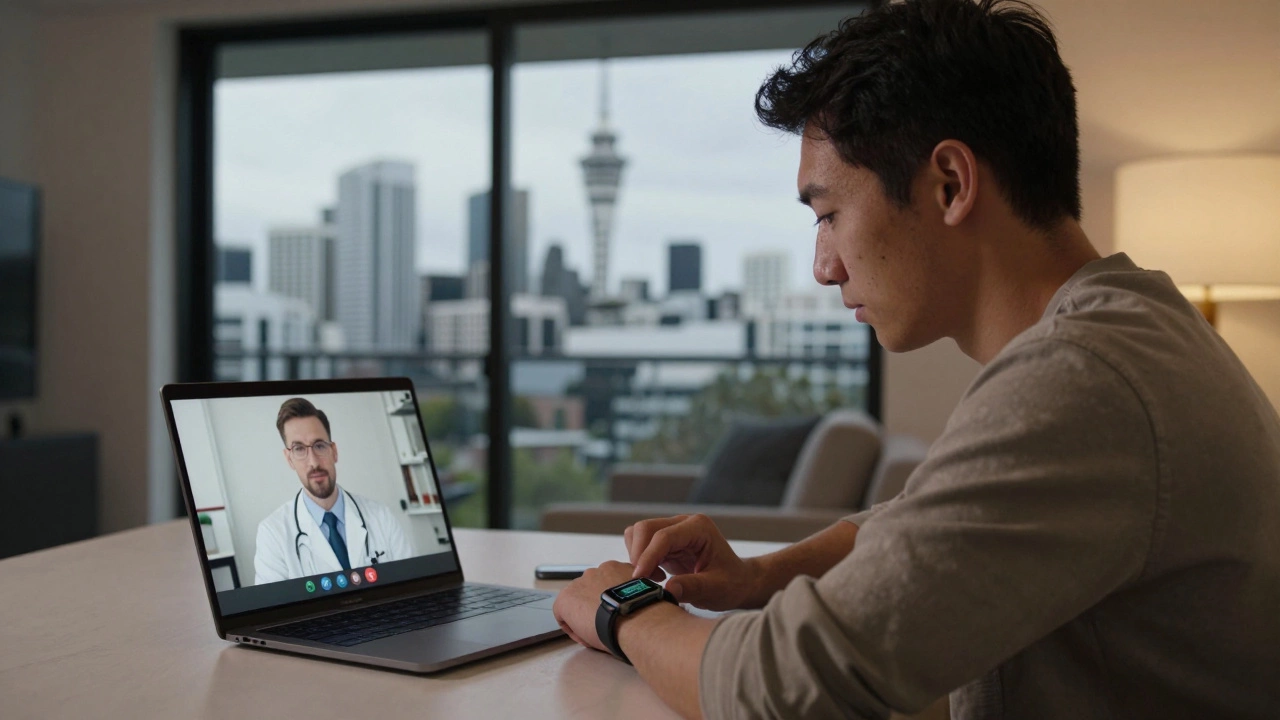
Chronic disease management is another strong fit. Patients with diabetes or high blood pressure share daily logs from wearable devices during virtual check-ins. Doctors adjust medications remotely based on trends in blood sugar or pressure readings. Even minor infections like urinary tract infections (UTIs) can be diagnosed through symptom descriptions and lab test results shared electronically. A 2025 survey by the New Zealand Medical Association found that 78% of UTI cases were accurately diagnosed via telehealth without needing physical exams.
When virtual diagnosis falls short
Despite its usefulness, telemedicine has clear limitations. Emergency situations like chest pain, severe breathing difficulties, or major trauma require immediate in-person care. Virtual consultations can't replace physical exams for broken bones, internal bleeding, or neurological issues needing reflex tests. Doctors also can't perform hands-on procedures like listening to heart sounds with a stethoscope or checking for appendicitis through abdominal palpation.
For instance, a patient reporting abdominal pain might get a virtual consultation for mild indigestion, but if symptoms worsen or include fever and vomiting, they'd be directed to an emergency room. Similarly, suspected pneumonia requires a physical lung exam and chest X-ray-something a video call can't provide. New Zealand's Health Guidelines explicitly state that doctors must refer patients to in-person care when remote assessment can't rule out serious conditions.
Real-world examples from New Zealand
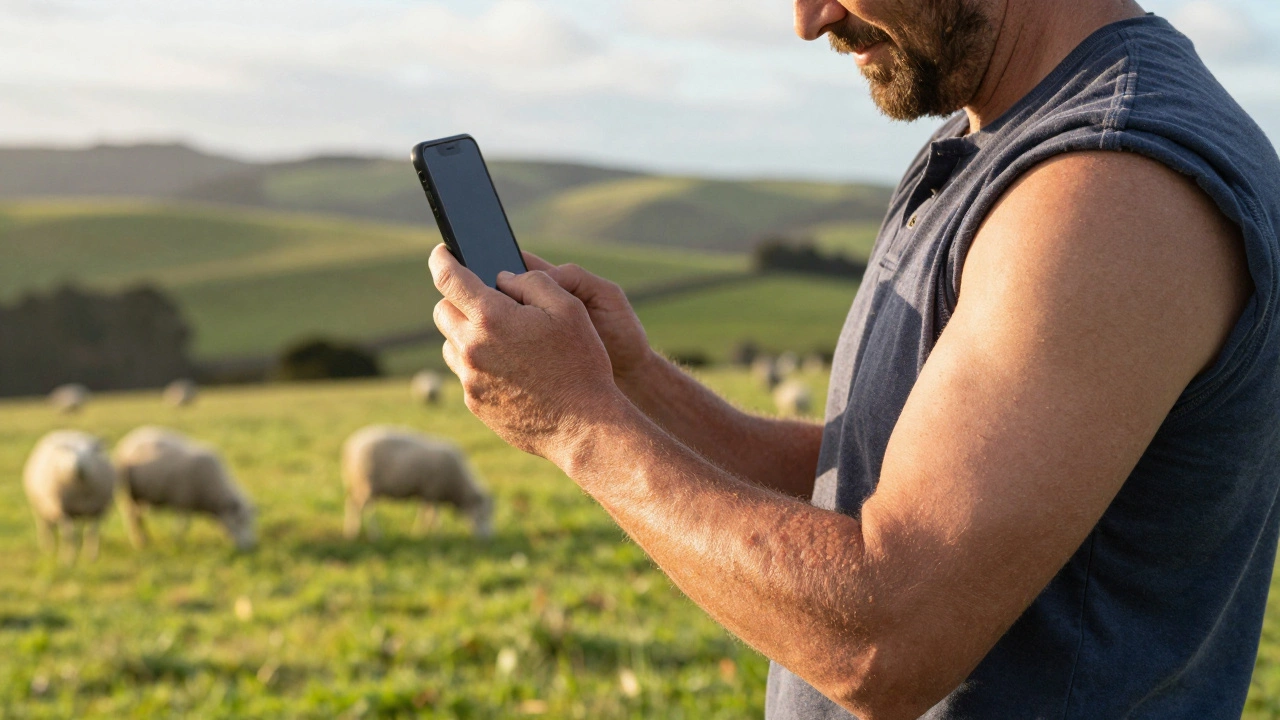
Take Sarah, a farmer in rural Southland. She developed a severe rash on her arms after working with livestock. Instead of driving 3 hours to the nearest clinic, she used Healthify's telehealth service. She uploaded close-up photos of the rash and described symptoms like itching and redness. The dermatologist diagnosed contact dermatitis within 20 minutes and prescribed a topical cream. Sarah avoided a costly and time-consuming trip, with treatment starting the same day.
Another example is James, a student in Auckland managing type 1 diabetes. His endocrinologist uses remote monitoring tools to track his glucose levels. During monthly video check-ins, they review trends, adjust insulin doses, and discuss lifestyle changes. This system reduced James' hospital visits by 60% in 2025 while maintaining stable blood sugar levels. These cases show how telemedicine fills gaps in healthcare access, especially for those in remote areas or with mobility challenges.
How to prepare for a virtual consultation
Getting the most out of a telemedicine appointment takes preparation. First, ensure good lighting and a quiet space-no background noise or distractions. Test your camera and microphone beforehand. For skin issues or wounds, take clear photos from multiple angles with natural light. If you're managing a chronic condition, have recent lab results or device data ready to share.
Write down key symptoms: when they started, how they've changed, and any triggers. For mental health sessions, note specific worries or patterns you want to discuss. During the call, be honest and detailed. If a doctor asks about pain levels, describe them on a scale of 1-10 and explain what makes it better or worse. Remember, virtual diagnosis relies on clear communication since doctors can't physically examine you.
Privacy and security in telehealth
Many worry about data security during virtual consultations. In New Zealand, all approved telehealth platforms must comply with the Privacy Act 2020. This means encryption during transmission and storage, strict access controls, and regular security audits. Your medical records aren't stored on public servers-they're kept in secure hospital systems or private healthcare provider databases.
Doctors also follow the same ethical guidelines as in-person care. They can't share your information without consent, and all communications are confidential. A 2025 survey by the Office of the Privacy Commissioner found that 94% of New Zealanders using telehealth felt their data was handled securely. This trust is critical for adoption, especially for sensitive issues like mental health or sexual health consultations.
The future of virtual diagnosis
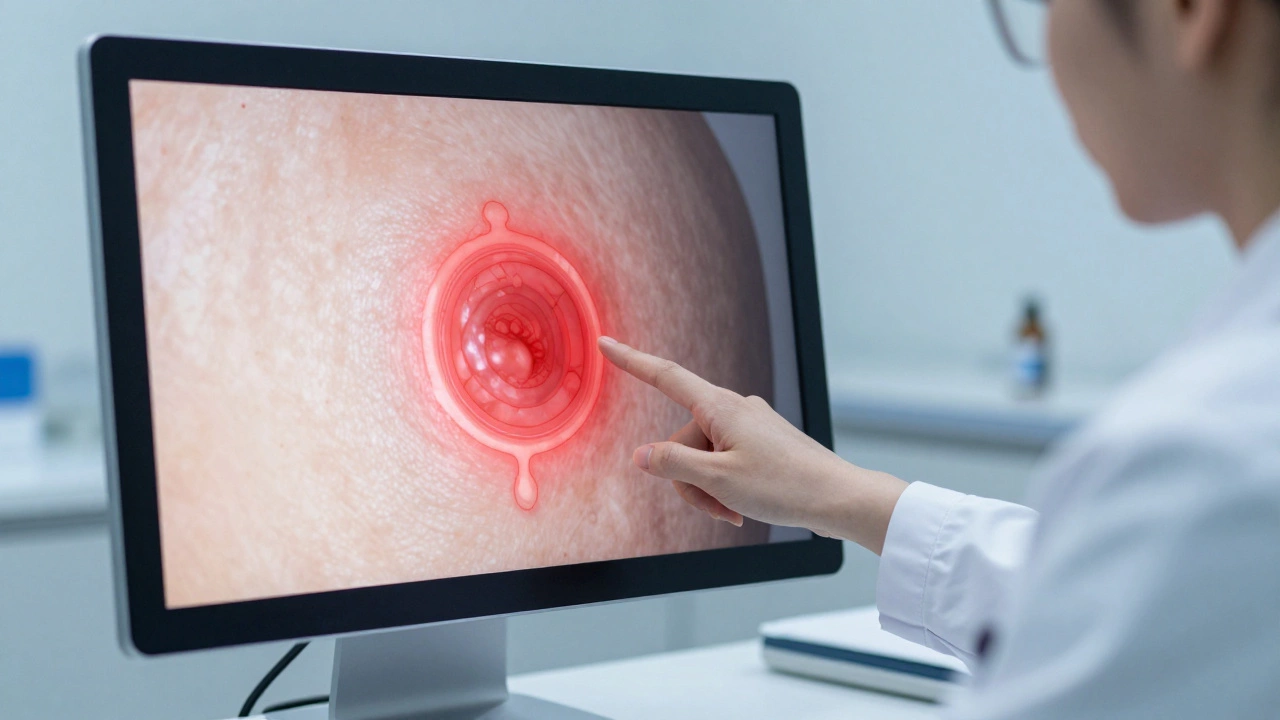
Telemedicine is evolving fast. AI tools now help doctors analyze symptoms faster. For example, some platforms use machine learning to flag potential skin cancer patterns from photos, which doctors then review. Wearable tech integration is also growing-smartwatches can automatically send heart rate or sleep data to doctors during virtual check-ins.
New Zealand's Ministry of Health is expanding telehealth coverage to include more specialties. By 2027, virtual diagnosis for minor fractures using motion-sensing cameras is expected to become standard. However, experts emphasize that technology will always support, not replace, human judgment. Doctors remain central to interpreting data and making final decisions. As one Wellington GP put it: "AI might spot a pattern, but only a trained professional can understand what it means for your health."
Frequently Asked Questions
Can a doctor prescribe medication during a virtual consultation?
Yes, doctors can prescribe medication during virtual consultations in New Zealand. They issue electronic prescriptions that go directly to pharmacies. This works for antibiotics, birth control, chronic condition medications, and more. However, controlled substances like strong painkillers still require in-person visits under current regulations. Always check with your provider about specific medication rules.
What conditions can't be diagnosed virtually?
Conditions requiring physical exams or immediate intervention can't be diagnosed virtually. This includes suspected heart attacks, strokes, broken bones, internal bleeding, or severe infections needing lab tests. Doctors will always refer you to emergency care if symptoms suggest these issues. For less urgent problems like persistent headaches or chronic pain, virtual consultations can help manage symptoms but might need in-person follow-ups for full diagnosis.
Is telehealth covered by health insurance in New Zealand?
Most private health insurance plans in New Zealand cover telehealth consultations at the same rate as in-person visits. Public healthcare through Te Whatu Ora also provides free virtual consultations for eligible residents. However, some specialized services or certain insurance policies may have exceptions. Always check with your provider before scheduling to confirm coverage details.
Do I need special equipment for a virtual visit?
No special equipment is needed for most virtual consultations. A smartphone, tablet, or computer with a camera and microphone works. Some platforms might require downloading a secure app, but these are usually free and easy to install. For specific conditions like dermatology, you might need good lighting and a camera that captures close-up details. Most clinics provide clear instructions before your appointment.
How accurate is virtual diagnosis compared to in-person visits?
For many common conditions, virtual diagnosis is just as accurate as in-person visits. Studies show 90%+ accuracy for skin conditions, mental health assessments, and chronic disease management when patients provide clear symptom descriptions and photos. However, accuracy drops for issues needing physical exams-like ear infections or abdominal pain. Doctors always explain when a virtual assessment is sufficient or if an in-person visit is necessary for confirmation.
