 Aug, 27 2026
Daily Painkiller Safety Checker
Input the total milligrams (mg) of each medication you take in a 24-hour period. Remember to include amounts from combination cold/flu products.
Recommendation
Living with constant aches can make even simple tasks feel like a major effort. You might be looking for a reliable way to manage this discomfort without ending up in the hospital or dealing with severe side effects. The truth is, there is no single "best" pill for everyone. The right choice depends entirely on where your pain comes from, how strong it is, and how your body reacts to different medications.
For most people dealing with mild to moderate daily pain, NSAIDs (non-steroidal anti-inflammatory drugs) or acetaminophen are the starting point. These options have well-documented safety profiles when used correctly. However, understanding the difference between reducing inflammation and simply blocking pain signals is crucial for long-term health. This guide breaks down the common options, their risks, and how to choose the safest path for your specific situation.
Quick Summary of Key Takeaways
- Acetaminophen is generally the safest first-line option for mild pain, especially if you have stomach issues or kidney concerns.
- NSAIDs like ibuprofen are more effective for inflammatory conditions like arthritis but carry higher risks for the stomach and kidneys if used daily.
- Daily use of opioids should be avoided unless prescribed by a specialist due to high addiction risk and diminishing returns over time.
- Topical treatments are excellent for localized pain and have fewer systemic side effects than oral pills.
- Always consult a healthcare provider before committing to a daily regimen to monitor organ function.
Understanding the Main Categories of Pain Relief
To pick the right tool, you need to know what each category actually does. Medications aren't just "pain stoppers"; they work through different biological pathways. Knowing this helps you match the drug to the type of pain you are experiencing.
Acetaminophen is a central nervous system analgesic that reduces pain perception without significantly affecting inflammation. It is widely known by brand names like Tylenol or Paracetamol. Because it doesn't irritate the stomach lining, it is often the go-to for people with sensitive guts. Its main limitation is that it works best for mild to moderate pain and doesn't help much if swelling is the primary issue.
NSAIDs are drugs that inhibit cyclooxygenase enzymes to reduce inflammation, fever, and pain. Common examples include ibuprofen (Advil, Motrin) and naproxen (Aleve). If your pain involves swelling, redness, or heat-like in osteoarthritis or an injury-these are usually more effective than acetaminophen. However, they block prostaglandins that protect the stomach lining, which is why daily use requires caution.
Opioids, such as oxycodone or morphine, bind to receptors in the brain and spinal cord to block pain signals. While powerful, they are not designed for daily self-management. They carry a significant risk of tolerance, meaning you need higher doses over time to get the same effect, and physical dependence. For chronic non-cancer pain, guidelines increasingly suggest avoiding them as a first resort.
Comparing Safety Profiles for Long-Term Use
When you take a medication every day, the cumulative effect on your organs matters more than the immediate relief. Here is how the main contenders stack up regarding long-term safety.
| Medication Type | Primary Risk | Daily Dosage Limit | Best For |
|---|---|---|---|
| Acetaminophen | Liver damage (hepatotoxicity) | 3,000 - 4,000 mg | Mild pain, headache, muscle aches |
| Ibuprofen | Gastric ulcers, kidney stress | 1,200 mg (OTC) | Inflammatory pain, arthritis |
| Naproxen | Cardiovascular events, GI bleeding | 660 - 1,000 mg | Longer-lasting inflammatory pain |
| Topical Diclofenac | Minimal systemic absorption | As directed (usually 2-3 times/day) | Localized joint or muscle pain |
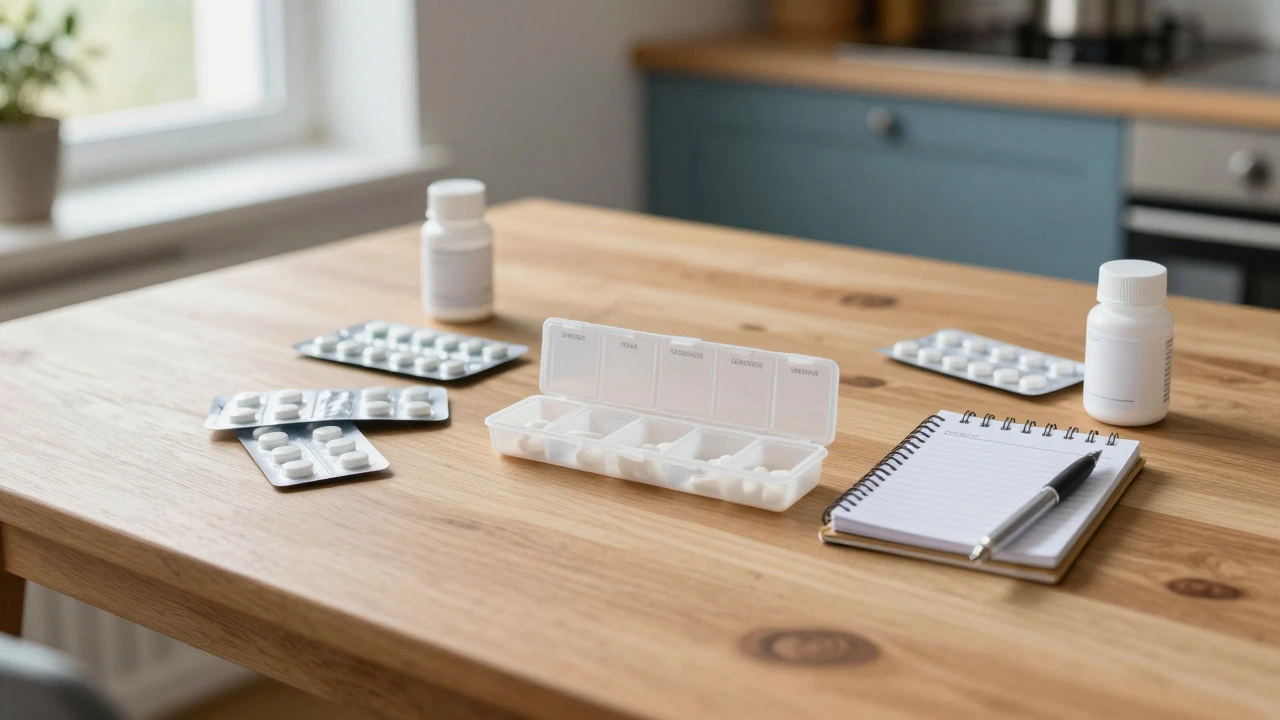
Notice the dosage limits. Many people accidentally exceed safe levels because they don't realize that cold and flu remedies also contain acetaminophen. If you take a combination product for a headache and then a separate acetaminophen pill, you might hit the liver's threshold without realizing it. Tracking your total intake is a simple habit that prevents serious harm.
Why Topical Options Are Underrated
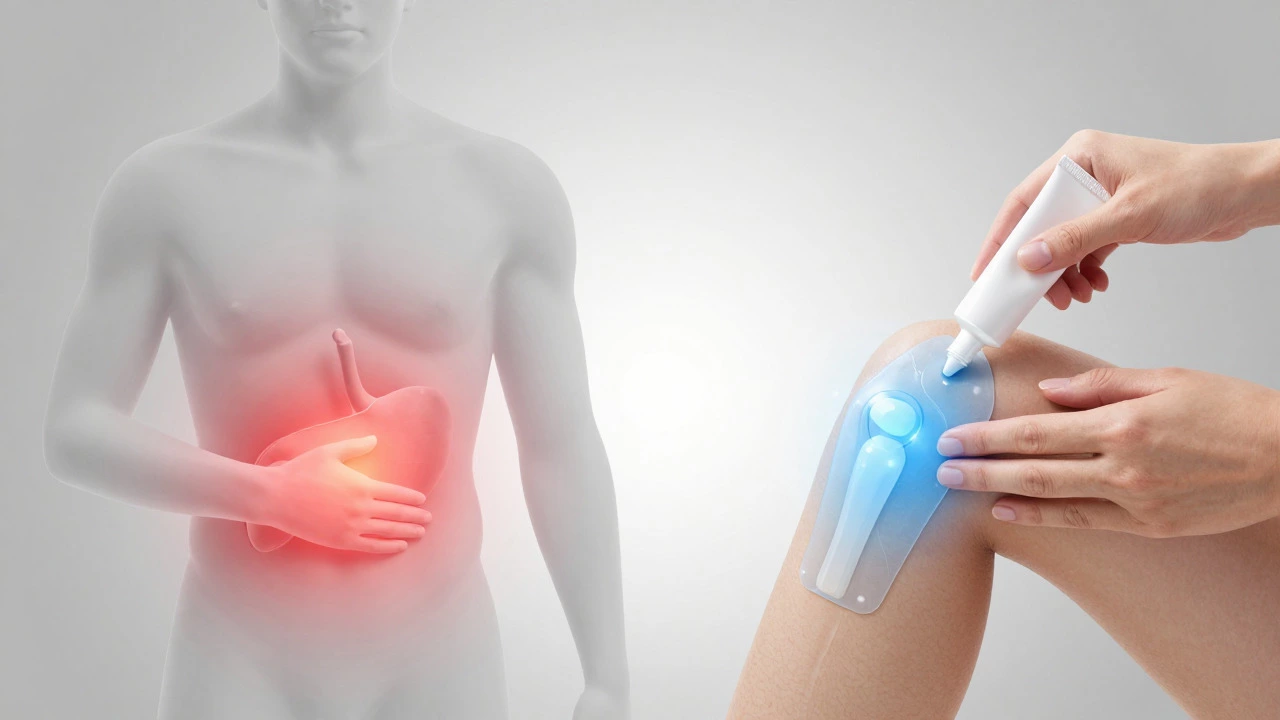
If your pain is localized to one area-say, your knees or lower back-topical treatments offer a smart alternative to swallowing pills. Creams, gels, and patches deliver medication directly to the site of pain. This means less of the drug enters your bloodstream, reducing the load on your liver and kidneys.
Topical diclofenac, for instance, has shown effectiveness comparable to oral NSAIDs for knee osteoarthritis in several clinical trials, but with a much better gastrointestinal safety profile. Lidocaine patches are another option for nerve-related pain, providing numbness to the affected area without sedating the whole body. For many patients, switching from oral ibuprofen to topical gel allows them to manage daily discomfort without worrying about stomach irritation.
Signs You Need to See a Doctor
Self-managing pain is fine for short periods, but if you find yourself reaching for the bottle every single day for more than two weeks, it’s time to talk to a professional. Daily pain can be a symptom of an underlying condition that needs specific treatment, not just masking.
Your doctor can check your kidney function and blood pressure, both of which can be affected by long-term NSAID use. They can also assess whether your pain is neuropathic (nerve-related), which often responds poorly to standard painkillers but benefits from other classes of medication like certain antidepressants or anticonvulsants. Getting a proper diagnosis ensures you aren’t just treating the symptom while the cause gets worse.

Practical Tips for Safe Daily Management
If your doctor approves a daily regimen, follow these rules to stay safe:
- Rotate medications: Alternating between acetaminophen and an NSAID can sometimes provide better coverage than taking one type continuously, but only do this under medical advice.
- Take with food: Always consume NSAIDs with a meal or a glass of milk to buffer the stomach acid.
- Monitor your alcohol intake: Combining alcohol with acetaminophen increases liver toxicity risk. Combining it with NSAIDs increases bleeding risk.
- Keep a log: Write down when you take the med and how much pain relief you get. This data is gold when you visit your doctor.
- Check for interactions: If you take blood thinners, aspirin, or steroids, tell your pharmacist before adding a new painkiller.
Frequently Asked Questions
Can I take ibuprofen every day for years?
Yes, but with caution. Long-term daily use of NSAIDs like ibuprofen can increase the risk of stomach ulcers, kidney problems, and heart issues. If you must use it daily, your doctor should monitor your blood pressure and kidney function regularly. Using the lowest effective dose is critical.
Is acetaminophen safer than ibuprofen for daily use?
Generally, yes, for people with healthy livers. Acetaminophen does not irritate the stomach or affect platelet clotting. However, it carries a risk of liver damage if you exceed 3,000-4,000 mg per day or drink excessive alcohol. For those with stomach issues, it is often the preferred daily option.
Do topical pain creams work as well as pills?
For localized pain like knee or shoulder arthritis, topical diclofenac is nearly as effective as oral NSAIDs. The advantage is that less medicine goes into your bloodstream, so you avoid side effects like nausea or stomach pain. It may not work as well for widespread pain or deep internal pain.
What is the maximum amount of acetaminophen I can take in a day?
The general upper limit for healthy adults is 3,000 to 4,000 milligrams per day. This includes all sources, such as prescription cold medicines and extra-strength tablets. Staying closer to 3,000 mg is safer, especially if you drink alcohol or have any liver history.
Should I worry about becoming addicted to daily painkillers?
Addiction risk is highest with opioids. Non-opioid painkillers like acetaminophen and NSAIDs are not considered addictive in the traditional sense, though some people develop a psychological reliance on them. If you feel you need higher doses just to feel normal, speak to your doctor about alternative therapies.
