 Mar, 12 2026
Paracetamol Safe Dose Calculator
The safest approach for chronic pain is low-dose paracetamol (500-1,000 mg twice daily) combined with lifestyle changes. This tool helps determine your personal safe maximum dose based on your health profile.
When you’re dealing with chronic pain-whether it’s from arthritis, back issues, or nerve damage-you don’t just want relief. You want relief that lasts, without wrecking your liver, kidneys, or stomach. But here’s the hard truth: there’s no single "best" painkiller for long-term use. What works for one person can cause serious harm to another. The right choice depends on your health history, the type of pain, and how your body reacts over time.
Why Long-Term Painkillers Are Tricky
Most people start with over-the-counter options like ibuprofen or paracetamol. They work fine for a few days. But when pain sticks around for months or years, the risks start piling up. The body doesn’t handle constant drug exposure the same way it handles short bursts. Your liver gets tired. Your stomach lining wears thin. Kidneys slow down. And some medications become less effective over time, forcing you to take more just to feel the same relief.
A 2023 study from the New Zealand Pain Society tracked 1,200 people using daily painkillers for over two years. The results? One in four developed high blood pressure. One in five had signs of early kidney damage. And nearly 30% reported that their original medication stopped working as well as it used to. That’s not normal. That’s a warning sign.
Common Painkillers and Their Long-Term Risks
Let’s break down the most common options, what they do, and what they cost your body over time.
- Paracetamol (acetaminophen) - Often called the "safest" OTC option. It’s gentle on the stomach and doesn’t cause bleeding like NSAIDs. But it’s hard on the liver. Taking more than 3,000 mg a day for months can lead to liver scarring, especially if you drink alcohol, take other meds, or have fatty liver disease. In New Zealand, paracetamol overdose is the top cause of acute liver failure.
- Ibuprofen, naproxen, diclofenac (NSAIDs) - These reduce inflammation, which helps with joint and muscle pain. But they block protective stomach chemicals and reduce blood flow to the kidneys. Long-term use raises your risk of ulcers, internal bleeding, kidney failure, and heart attacks. People over 65 or with high blood pressure should avoid these unless closely monitored.
- Aspirin - Rarely used for pain anymore. It’s still good for heart protection in some cases, but for chronic pain? It’s a poor choice. It irritates the stomach, increases bleeding risk, and doesn’t offer better relief than other NSAIDs.
- Opioids (codeine, oxycodone, morphine) - These are powerful, but not for long-term chronic pain. The body builds tolerance fast. You need higher doses just to feel the same effect. Dependence, addiction, and overdose risk climb with every month. The Ministry of Health in New Zealand stopped prescribing opioids for non-cancer chronic pain in 2022. They’re now only used in rare, supervised cases.
What Actually Works for Long-Term Pain?
Here’s where most people get it wrong. They think the answer is a stronger pill. But the most effective long-term strategy isn’t a drug at all-it’s a mix of small, consistent changes.
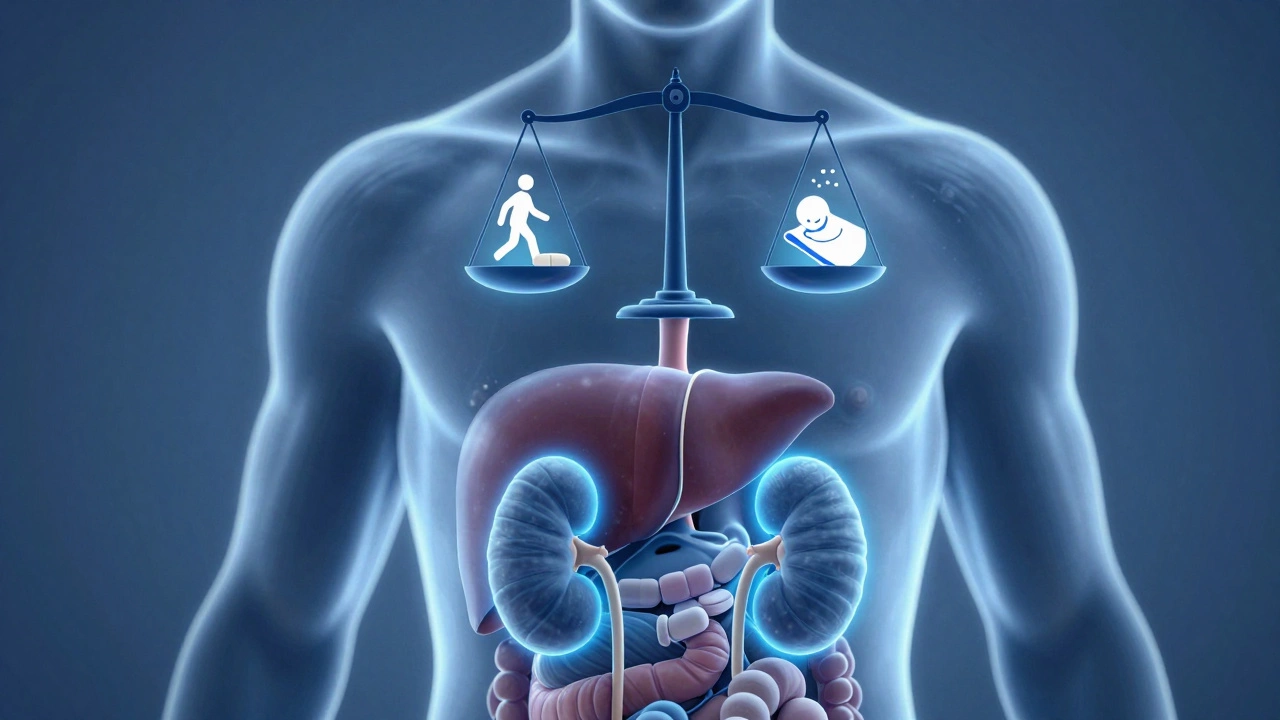
Research from the University of Auckland in 2024 showed that people who combined low-dose paracetamol with daily movement (even just 20 minutes of walking or stretching) cut their pain levels by nearly 40% over six months. Those who relied only on pills saw no lasting improvement.
Physical therapy, heat therapy, weight management, and sleep improvement all do more for chronic pain than any single medication. A 2025 meta-analysis of 42 studies found that non-drug approaches reduced pain intensity more than opioids did-and without the side effects.
The Real Winner: Low-Dose Paracetamol + Non-Drug Support
If you need a pill, low-dose paracetamol (500-1,000 mg per day, split into two doses) is still the safest starting point for most people. But it only works if you pair it with lifestyle changes.
Here’s what works:
- Take no more than 1,000 mg of paracetamol twice a day-never more than 2,000 mg total.
- Avoid alcohol completely. Even one drink a day increases liver strain.
- Movement matters. Walk 20 minutes daily. Do gentle yoga or swimming twice a week.
- Check your vitamin D levels. Low vitamin D is linked to worse chronic pain. Many New Zealanders are deficient.
- Try heat packs or TENS machines. These are cheap, safe, and surprisingly effective.
Doctors in Auckland and Wellington now recommend this combo as first-line treatment. It’s not glamorous. It doesn’t make headlines. But it works-and it doesn’t destroy your organs.
What About Natural Supplements?
You’ve probably seen turmeric, omega-3s, or CBD touted as "natural painkillers." Some show promise, but don’t treat them like magic pills.
- Turmeric (curcumin) - May reduce inflammation, but you need high, consistent doses. Most supplements don’t contain enough. Look for ones with piperine to boost absorption.
- Omega-3 fatty acids - Helpful for joint pain. Try 2,000-3,000 mg of fish oil daily. Takes 6-8 weeks to show effect.
- CBD oil - Legal in NZ under strict rules. Some users report pain relief, but studies are mixed. It’s not regulated, so quality varies wildly. Only use products listed on the NZ Medicines List.
None of these replace medical advice. Always talk to your doctor before adding supplements, especially if you’re on other meds.
When to See a Specialist
If you’ve been on painkillers for more than three months and still aren’t feeling better, it’s time to dig deeper. Chronic pain isn’t just a symptom-it’s a condition that needs its own treatment plan.
See a pain specialist if:
- Your pain is getting worse, not better
- You’re taking higher doses than recommended
- You’re having side effects like stomach pain, dark urine, swelling in your legs, or confusion
- You’re relying on painkillers to sleep or function
Pain clinics now use multidisciplinary approaches: physiotherapy, psychology, medication review, and nerve blocks. These aren’t quick fixes. But they’re the only way to break the cycle of dependence and damage.
Final Takeaway: There’s No Magic Pill
There’s no painkiller you can take forever without consequences. The goal isn’t to find the strongest one-it’s to find the safest way to live with less pain. That means using the lightest effective dose, pairing it with movement and lifestyle changes, and getting professional help when things stall.
For most people, the best long-term pain solution isn’t a pill at all. It’s a daily walk. A warm shower. A good night’s sleep. And knowing when to ask for help before your body breaks down.
Can I take paracetamol every day for chronic pain?
Yes-but only at low doses: no more than 1,000 mg twice a day (2,000 mg total). Higher doses over months can damage your liver, especially if you drink alcohol or have existing liver issues. Always check with your doctor before daily use.
Is ibuprofen safe for long-term use?
Generally, no. Long-term ibuprofen use increases the risk of stomach ulcers, kidney damage, and heart problems. It’s not recommended for chronic pain unless you’re under close medical supervision and have no history of high blood pressure, kidney disease, or stomach bleeding.
Why are opioids no longer prescribed for chronic pain in New Zealand?
Opioids lose effectiveness over time, leading to higher doses and increased risk of addiction. In 2022, New Zealand’s Ministry of Health updated guidelines to stop prescribing opioids for non-cancer chronic pain because the risks far outweigh the benefits. They’re now only used in rare, end-of-life, or cancer-related cases.
Do supplements like turmeric or CBD really help with chronic pain?
Some people report benefits, but evidence is limited. Turmeric needs high, consistent doses to work. CBD is legal in NZ only if it’s on the official Medicines List-many products aren’t. They’re not replacements for medical treatment, but can be used alongside it under a doctor’s guidance.
What’s the best non-drug way to manage chronic pain?
Daily movement-like walking or swimming-is the most effective. Other proven methods include heat therapy, TENS machines, improving sleep, managing stress, and checking vitamin D levels. A 2024 study showed combining these with low-dose paracetamol cut pain by 40% over six months.
