 Mar, 26 2026
Fertility Nutrition Planner
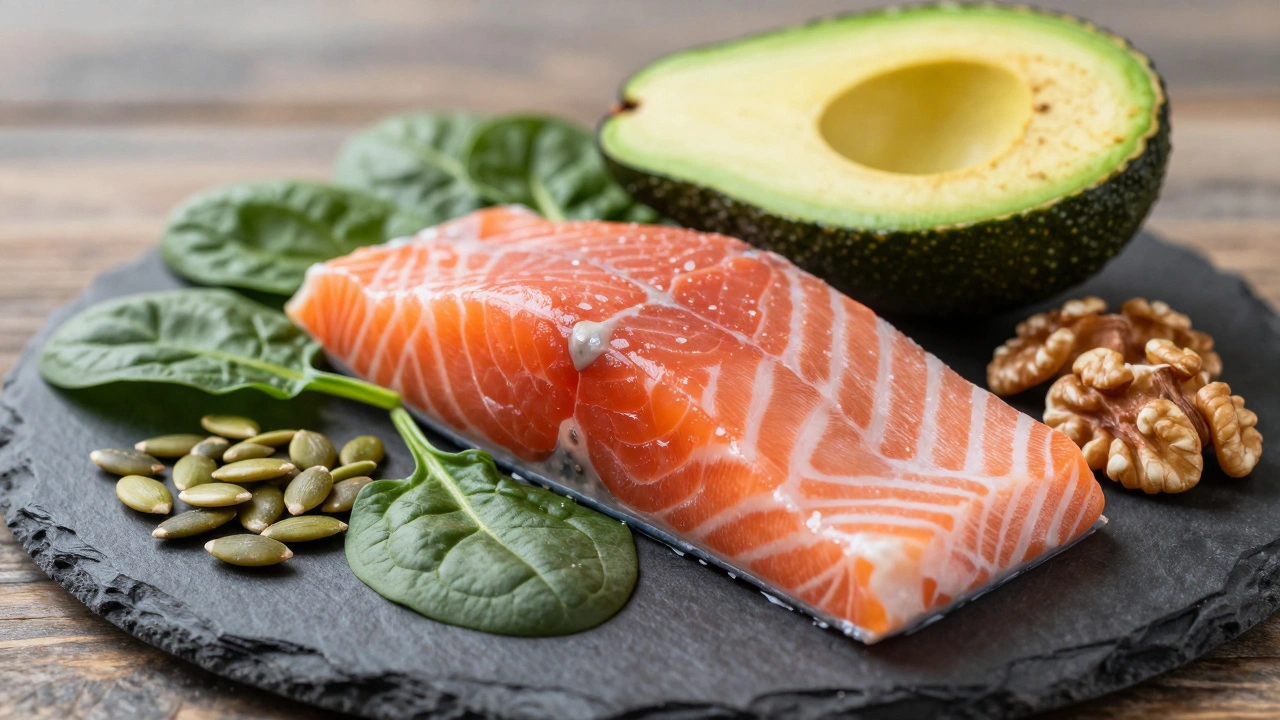
Sockeye Salmon
Rich in Omega-3 fatty acids, lowers inflammation.
Scrambled Eggs
Provides choline for fetal development.
Lentils / Chickpeas
Great source of fiber and iron.
Processed Bacon
Contains preservatives that may negatively impact health.
Spinach / Leafy Greens
Top source for Folate to support cell division.
Steamed Broccoli
Cruciferous veg helps process excess estrogen.
Mixed Carrots
Good choice, but lower in folate.
Romaine Only
Low calorie density; try mixing with nutrient-rich greens.
Avocado / Guacamole
Excellent plant-based fat source.
Extra Virgin Olive Oil
Protects cells from oxidative stress.
Walnuts
Plant-based omega-3 boost.
Margarine
Avoid trans fats; linked to ovulation issues.
Your Analysis
The Connection Between Your Plate and Your Pelvis
You might not expect your dinner choices to impact your ability to conceive, but the science is clear. Every cell in your body, including your eggs, is rebuilt based on the fuel you provide. When we talk about Female Fertilitythe natural ability of a woman to conceive and carry a pregnancy to term, influenced heavily by hormonal balance and nutritional status., we aren't just discussing a two-week cycle window. We are talking about months of preparation where nutrition sets the foundation.
Many women feel overwhelmed by conflicting advice on social media. One post says eat more protein, another suggests fasting for better hormones. The truth lies in consistency and nutrient density rather than magic bullets. By focusing on inflammation reduction and blood sugar stability, you give your ovaries the environment they need to function correctly.
Essential Nutrients for Egg Health
To understand what to eat, we need to know what our bodies use during ovulation. It isn't random; it requires specific building blocks. If you lack these materials, the quality of your eggs and the health of your lining can suffer.
Folate and Folic Acid: You likely know this vitamin for preventing birth defects, but its role starts way before conception. Adequate intake helps regulate homocysteine levels, which, when too high, can disrupt placental implantation. Spinach, lentils, and fortified grains are top sources. Think of folate as the cement holding your cellular structure together.
Zinc: This mineral plays a vital role in hormone signaling. Without enough zinc, the pituitary gland struggles to release Luteinizing Hormone (LH), which triggers ovulation. If you don't consume enough zinc, your LH surge might be too weak or delayed. Oysters, beef, and pumpkin seeds pack a punch here.
Omega-3 Fatty Acids: These healthy fats are anti-inflammatory. High inflammation can lead to thicker ovarian cyst walls or poor egg quality. Studies from recent years show that women who take omega-3 supplements alongside a healthy diet see improved follicular fluid quality. Salmon, walnuts, and chia seeds are excellent options.
Vitamin D: Many people live in regions with limited sunlight, leading to deficiencies. Vitamin D acts more like a hormone than a vitamin in the body. It modulates insulin resistance and improves the chances of implantation. Fatty fish, egg yolks, and fortified milk work, but many require supplementation if blood levels are low.
| Nutrient | Primary Function | Top Food Sources |
|---|---|---|
| Folate | DNA Synthesis & Cell Division | Spinach, Lentils, Asparagus |
| Zinc | Hormone Regulation | Oysters, Beef, Pumpkin Seeds |
| Omega-3 | Reduces Inflammation | Sockeye Salmon, Walnuts, Chia Seeds |
| Vitamin D | Insulin Sensitivity | Egg Yolks, Fortified Milk, Sunlight |
Why the Mediterranean Pattern Wins
If you want a blueprint that works, look at the Mediterranean Diet. This isn't just about avoiding junk; it is about replacing bad fats with good ones. Research consistently shows that women following this eating style have higher fertility rates than those eating standard Western diets.
The core philosophy relies on plant-based proteins and healthy fats. Instead of fried chicken, you choose grilled salmon. Instead of white pasta, you opt for whole-grain alternatives. This stabilizes blood sugar swings. When your blood sugar spikes frequently, your body dumps insulin. Excess insulin interferes with reproductive hormones, often preventing ovulation entirely.
A 2023 large-scale study highlighted that women who increased vegetable fat consumption saw fewer infertility diagnoses related to ovulatory dysfunction. It confirms that olive oil, avocado, and nuts are functional foods, not just treats. They protect your cells from oxidative stress.

Condition-Specific Dietary Adjustments
General advice is great, but some conditions demand stricter protocols. If you have been diagnosed with Polycystic Ovary Syndrome (PCOS), standard fertility advice might not be enough. PCOS often involves significant insulin resistance.
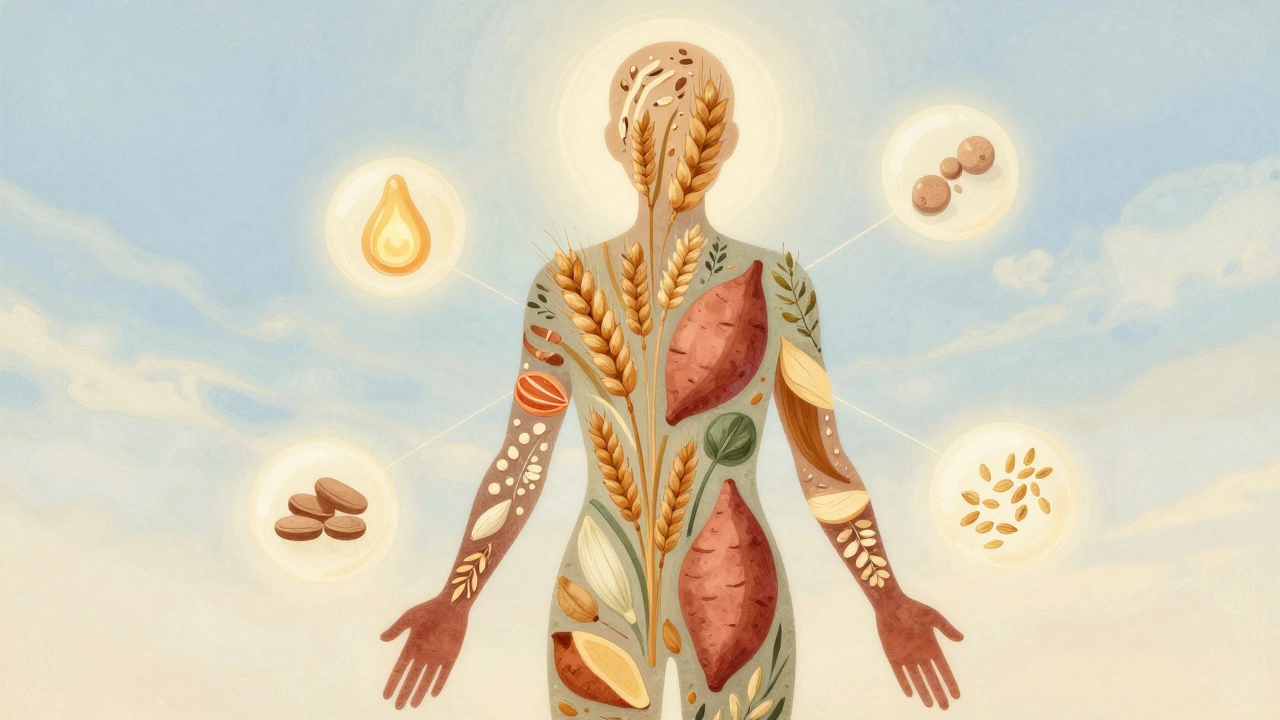
Polycystic Ovary Syndromea hormonal disorder causing enlarged ovaries with small cysts on the outer edges, often associated with irregular periods and difficulty conceiving. patients benefit immensely from a lower glycemic index diet. This means choosing complex carbs that digest slowly. Quinoa, sweet potatoes, and berries keep your energy steady and reduce the insulin spike that drives androgen production.
Endometriosis presents another challenge. Here, estrogen dominance can fuel the growth of tissue outside the uterus. Cruciferous vegetables like broccoli and cauliflower contain compounds that help your liver process excess estrogen efficiently. Reducing dairy intake can also help some women manage pain levels, though evidence varies by individual sensitivity.
Foods to Limit or Eliminate
It isn't just about adding good things; removing harmful substances matters too. Some ingredients sabotage your progress subtly.
- Trans Fats: Found in margarine and processed baked goods. These increase inflammation and interfere with normal ovulation. Read labels for "partially hydrogenated oils."
- Excessive Caffeine: More than 300 milligrams a day is linked to slower time-to-pregnancy. Stick to one coffee a day or switch to decaf tea.
- High-Glycemic Carbs: Sugary drinks and white bread cause rapid blood sugar crashes. These fluctuations mimic stress signals to your brain, suppressing reproductive hormones.
- Alcohol: While occasional sipping is debated, heavy drinking lowers progesterone levels. For optimal chances, many doctors recommend abstinence during the active trying phase.
A Sample Day of Eating for Conception
Putting theory into practice can be tricky. Here is how a full day looks when prioritizing reproductive health.
Breakfast: Scrambled eggs cooked in olive oil with spinach and chives. Add half an avocado for satiety. Coffee or green tea. Eggs provide choline, essential for fetal development.
Lunch: Large salad with mixed greens, chickpeas, cucumber, and feta cheese. Dressing is lemon juice, olive oil, and herbs. Chickpeas offer fiber and iron to keep energy stable.
Snack: A handful of almonds and an apple. Almonds contain magnesium, which relaxes muscles and helps sleep quality.
Dinner: Baked salmon with roasted sweet potatoes and steamed broccoli. Drizzle with olive oil. This combination hits almost every nutrient requirement for the day.
Hydration is the invisible hero here. Aim for water throughout the day to support cervical mucus quality. Poor hydration can lead to dryness and reduced implantation potential.
Supplements vs. Whole Foods
While prenatal vitamins are non-negotiable for most women trying to conceive, relying solely on pills is risky. Supplements often lack the bioavailability found in fresh food. The matrix of nutrients in a raw orange works better than a synthesized vitamin C tablet.
That said, testing is smart. Before spending money, check your levels. Are you anemic? Do you have low Vitamin D? Tailoring your regimen prevents wasting money on what you already have enough of. Always consult your doctor before starting new supplements, especially if you have thyroid issues or other chronic conditions.
How quickly does diet change affect fertility?
Nutritional changes can influence your cycle within two to three months. However, eggs develop over a longer period, so consistent habits for six months often yield the best results for egg quality.
Can I still lose weight while trying to conceive?
Yes, but aim for slow, steady loss. Rapid weight loss creates stress signals that can stop ovulation. Focus on nutrient density rather than calorie counting alone.
Is it okay to eat red meat?
Lean red meat is fine in moderation due to its iron content. Limit highly processed meats like bacon or sausages, as preservatives can impact reproductive health negatively.
Does gluten affect fertility?
Only if you have Celiac disease or a confirmed intolerance. For others, cutting gluten provides no proven fertility benefits and might limit necessary fiber intake.
Should men adjust their diet too?
Absolutely. Sperm quality also depends on antioxidants and zinc. A partner following a similar anti-inflammatory diet improves overall success rates significantly.
