 Jun, 28 2026
Cosmetic Surgery Cost & Safety Estimator
Configuration
Analysis Results
True Total Cost Breakdown
Safety & Risk Assessment
Enter details and click calculate to see the true cost of your procedure.
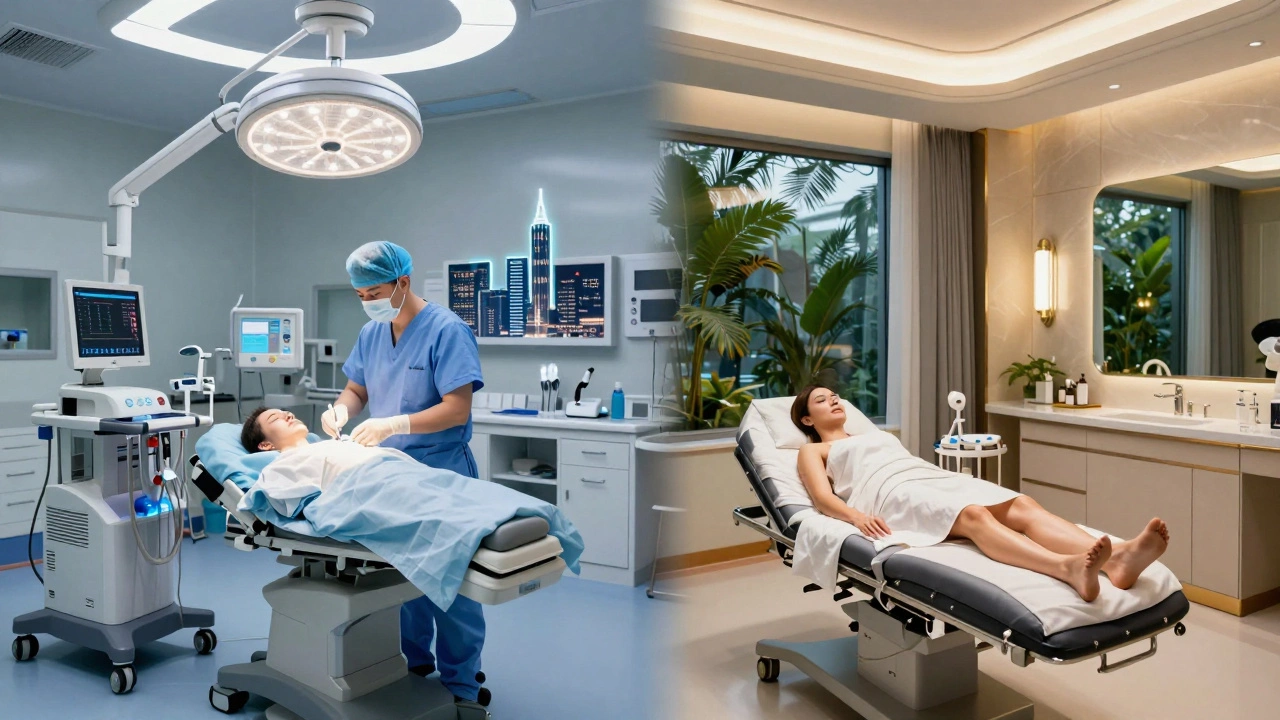
You’re scrolling through photos of flawless results, checking prices that look like typos, and wondering if you should pack your bags for a procedure. It’s tempting. A rhinoplasty in the UK might cost you £5,000 to £8,000, while the same surgery in Turkey or Thailand could be half that price. But here is the hard truth: the "best" country isn’t just about who charges the least. It is about where you can get a safe, high-quality result without risking your health or getting stuck with a botched job that costs more to fix than the original surgery.
In 2026, the landscape of cosmetic surgery has shifted. Regulations are tighter, patient rights are clearer, but the risks of going to unregulated clinics remain real. If you are considering traveling for a procedure, you need to look beyond the Instagram filters. You need to understand accreditation, surgeon qualifications, and what happens when things go wrong.
The Big Three: Turkey, Thailand, and South Korea
When people talk about medical tourism for aesthetics, three countries dominate the conversation. Each has a specific reputation and excels in different areas.
Turkey is the global hub for hair transplants and facial contouring, particularly Istanbul-based clinics. The city has become a factory for efficiency. Clinics there operate at scale, offering packages that include flights, hotels, and translation services. For a hair transplant, you might pay £1,500 to £3,000, compared to £8,000+ in London. However, the volume means some patients report feeling like numbers on an assembly line. The key is finding a clinic accredited by international bodies like JCI (Joint Commission International) rather than just following influencers.
Thailand, specifically Bangkok and Phuket, is renowned for body contouring, breast augmentation, and gender affirmation surgeries. Thai surgeons are highly experienced due to decades of medical tourism. The service level is exceptional-think luxury hospital rooms and concierge care. Prices for a tummy tuck might range from $4,000 to $7,000 USD. The climate is hot and humid, which can complicate recovery for some, but the infrastructure is top-tier.
South Korea, particularly Seoul’s Gangnam district, is the undisputed leader in facial aesthetics, including double eyelid surgery, jawline reduction, and skin treatments. Korean surgeons push the boundaries of natural-looking enhancements. The cultural emphasis on beauty means techniques evolve rapidly. Costs are moderate, often lower than the US but higher than Turkey. The language barrier can be significant, though many clinics have English-speaking coordinators.
Why the UK Remains a Top Contender
If you live in the UK, or are close enough to travel easily, staying home has massive advantages that money can’t buy: continuity of care. In the UK, all cosmetic surgeons must be registered with the GMC (General Medical Council). Many are also members of BAPRAS (British Association of Plastic Reconstructive and Aesthetic Surgeons) or ISAPS (International Society of Aesthetic Plastic Surgery).
The regulatory environment in the UK is strict. Clinics must follow CQC (Care Quality Commission) standards. If something goes wrong, you have legal recourse within a familiar system. You don’t have to fly back with complications. Your GP knows your history. While upfront costs are higher, the risk of catastrophic error is statistically lower because the oversight is rigorous. For complex procedures like facelifts or major reconstructive work, this safety net is priceless.
Hidden Costs That Blow Up Your Budget
Let’s talk about the math. You see a quote for £2,000 for a nose job in Mexico. Sounds great, right? Until you factor in the hidden costs.
- Revision Surgeries: If the first attempt fails, fixing it is harder and more expensive. Most cheap quotes do not include revision coverage.
- Complications Treatment: If you develop an infection or bleeding issues, emergency care abroad can be costly or unavailable in English.
- Travel Logistics: Flights, hotels, and possibly a companion who needs to stay with you for two weeks. Flying too soon after surgery increases the risk of blood clots (DVT).
- Lost Wages: Recovery time doesn’t stop because you’re on vacation. You still need to heal before returning to work.
A useful rule of thumb: Add 30-50% to the quoted surgical fee to account for these ancillary costs. Often, the gap between domestic and foreign pricing shrinks significantly once you do the real accounting.
How to Vet a Surgeon Abroad
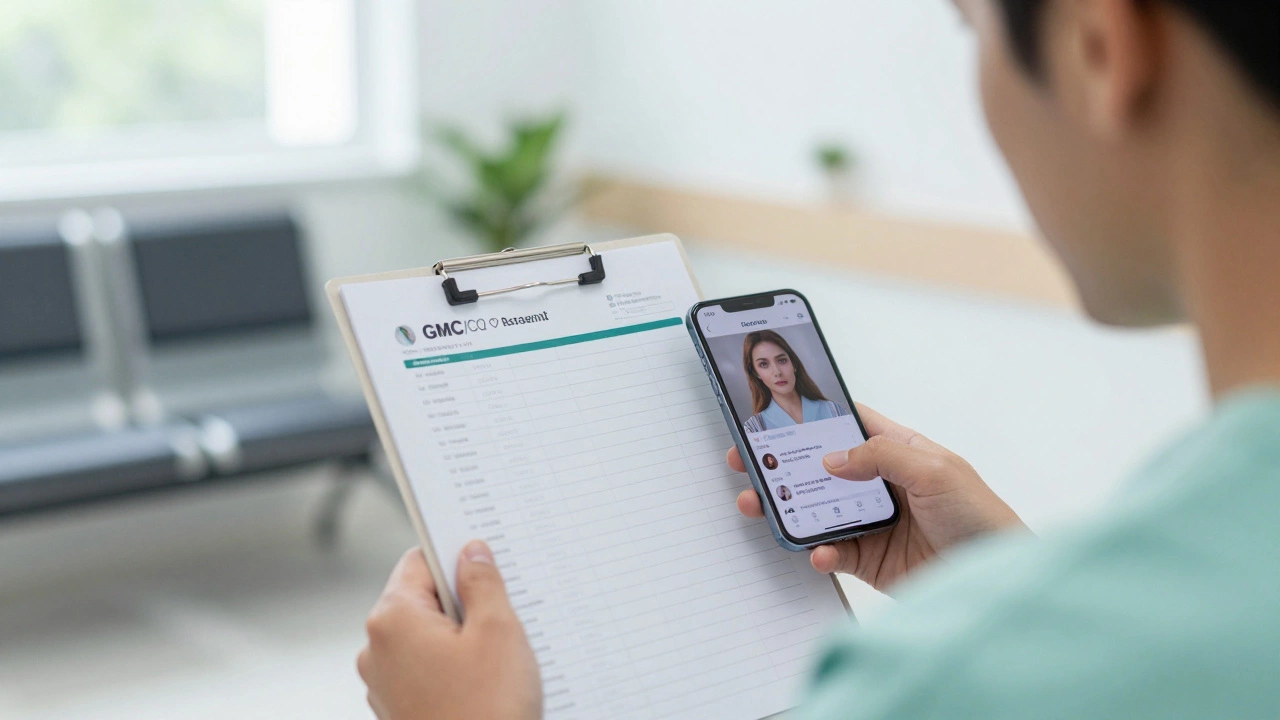
Don’t trust a website. Trust verification. Here is your checklist before booking anything:
- Check Board Certification: Is the surgeon certified by their country’s official plastic surgery board? Not a "cosmetic medicine" certificate, which anyone can buy. Look for credentials like FRCS (Plast) in the UK, ASPS certification in the US, or equivalent national boards elsewhere.
- Verify Hospital Accreditation: Does the surgery take place in a facility accredited by JCI or a recognized local body? Ambulatory surgery centers vary wildly in safety standards.
- Review Before/Afters Critically: Look for consistency. Are the lighting and angles similar? Beware of stock photos. Ask for video consultations to see the surgeon’s communication style.
- Ask About Complication Rates: A good surgeon will openly discuss risks. If they say "nothing ever goes wrong," run away.
- Confirm Follow-Up Care: Who handles your stitches? Who do you call if you bleed at night? Get this in writing.
Safety Red Flags to Watch For
Medical tourism agencies sometimes prioritize commission over patient safety. Be wary of these signs:
- Pressure Tactics: "Book today for a special discount." Good surgeons don’t need to rush you into life-altering decisions.
- Vague Quotes: The price doesn’t break down anesthesia, facility fees, and post-op garments separately.
- No Pre-Op Consultation: You should have a detailed medical assessment before flying out. If they skip this to save time, they are cutting corners.
- Influencer-Only Marketing: If the only reviews are from paid influencers, dig deeper for independent patient forums.

Recovery Realities: What to Expect
Recovering abroad adds a layer of complexity. You are in a foreign country, likely dealing with a language barrier, and far from your support network.
Plan to stay for at least 7-10 days for minor procedures and 14-21 days for major ones. Do not book a return flight immediately after surgery. Swelling peaks around day 3-5. If you fly home too soon, you risk deep vein thrombosis (DVT), a potentially fatal blood clot condition exacerbated by immobility and recent surgery.
Also, consider the climate. Recovering from liposuction in tropical heat can increase swelling and discomfort. Some patients prefer cooler climates for initial healing.
Making the Decision: A Simple Framework
Use this decision tree to guide your choice:
Choose Local (UK/EU/US) if:
- You are having a complex, high-risk procedure (e.g., facelift, major body lift).
- You have underlying health conditions (diabetes, heart issues).
- You value convenience and easy access to follow-up care over saving money.
Consider Traveling if:
- The procedure is relatively low-risk (e.g., hair transplant, minor liposuction).
- You have thoroughly vetted a JCI-accredited clinic and a board-certified surgeon.
- You can afford to stay for proper recovery time without financial strain.
- You are comfortable managing potential complications remotely or have a plan for local emergency care.
The best country for cosmetic surgery is the one where you feel safest, not just the one where you spend the least. Prioritize the surgeon’s skill and the facility’s standards above all else. Your face and body are worth more than a bargain.
Is cosmetic surgery cheaper in Turkey than the UK?
Yes, typically by 50-70%. A hair transplant in Turkey may cost £1,500-£3,000, whereas in the UK it can exceed £8,000. However, always factor in travel, accommodation, and potential revision costs.
What are the biggest risks of getting surgery abroad?
The main risks include lack of follow-up care, difficulty communicating complications, varying standards of hygiene and sterilization, and limited legal recourse if malpractice occurs. Choosing JCI-accredited facilities mitigates many of these risks.
How long should I stay abroad after surgery?
For minor procedures, stay at least 7-10 days. For major surgeries like tummy tucks or facelifts, plan for 14-21 days. Never fly immediately after surgery due to the risk of blood clots (DVT).
Can I sue a surgeon if I get a bad result abroad?
It is extremely difficult. Legal systems vary by country, and enforcing judgments across borders is complex and expensive. This is why thorough pre-operative vetting is critical.
Which countries have the strictest cosmetic surgery regulations?
The UK, USA, Canada, Australia, and New Zealand have some of the strictest regulations. In the UK, the GMC and CQC oversee practitioners and facilities, ensuring high standards of safety and ethics.
Is South Korea better for facial surgery than the UK?
South Korea is renowned for advanced techniques in facial contouring and Asian-specific aesthetic procedures. The UK offers comparable quality with easier access to follow-up care and legal protections. The choice depends on the specific procedure and personal preference for cultural aesthetic styles.
What does JCI accreditation mean for a clinic?
JCI (Joint Commission International) accreditation indicates that a healthcare facility meets rigorous global standards for patient safety, quality of care, and management. It is a strong indicator of reliability for medical tourists.
