Telehealth Prescription: How Online Doctors Prescribe Medicines Safely
When you need a prescription but can’t make it to the clinic, a telehealth prescription, a medical order issued by a licensed provider during a virtual consultation. Also known as remote prescribing, it lets you get the meds you need without leaving home—whether you’re managing chronic pain, treating an infection, or refilling a long-term medication. This isn’t just convenience—it’s a shift in how care is delivered, especially after pandemic-era changes made virtual visits mainstream.
Telehealth prescriptions rely on three key things: a licensed provider, a valid patient-provider relationship, and clear clinical judgment. You can’t just click a button and get opioids or antibiotics on demand. In the UK and US, regulations require a proper assessment—often through video call or detailed messaging—before any drug is authorized. That’s why services like MedChem Pharmacy highlight posts on pain medication, drugs like gabapentin or NSAIDs prescribed for nerve or joint pain, and why they warn against unregulated online pharmacies. The real risk isn’t the technology—it’s the shady sites that skip the doctor entirely.
What kinds of medicines are actually prescribed this way? Common ones include antibiotics for UTIs, antidepressants for anxiety, birth control, thyroid meds, and refills for stable conditions like high blood pressure. But not everything qualifies. Controlled substances like opioids or strong sedatives face tighter rules. Even then, some providers in the US can issue them under strict monitoring. In the UK, NHS Digital and private telehealth platforms follow similar safety checks. You’ll often see these prescriptions tied to chronic pain management, long-term treatment plans that need regular review, which is why posts on chronic pain and gabapentin side effects, dizziness and fall risks tied to long-term use are so relevant. A telehealth prescription isn’t a shortcut—it’s part of a larger care plan.
Who benefits most? Busy parents, people in rural areas, those with mobility issues, and anyone tired of waiting weeks for a GP slot. But it’s not perfect. Some conditions still need in-person exams—like rashes that need visual inspection, or chest pain that needs an ECG. And if you’re switching providers, your old records might not transfer easily. That’s why it’s smart to use trusted platforms that connect to your medical history. The posts below cover everything from how to find a reliable online doctor to what happens when your prescription runs out, and how to avoid scams that promise instant pills without a consultation. You’ll find real stories, cost comparisons, and safety tips—no fluff, no hype, just what works.
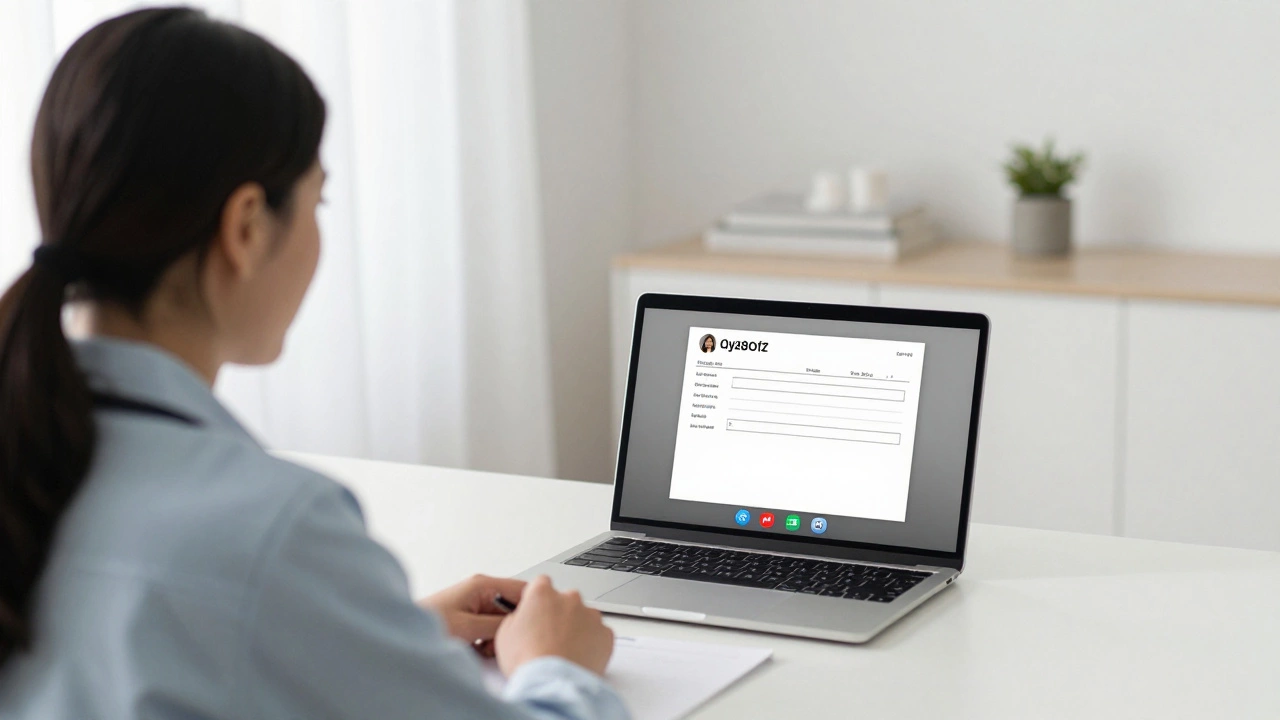
Is an online prescription valid? Here’s what you need to know
Online prescriptions are legal and valid in New Zealand when issued by registered doctors through legitimate telehealth services. Learn how to spot a real prescription, avoid scams, and use digital scripts safely at any pharmacy.
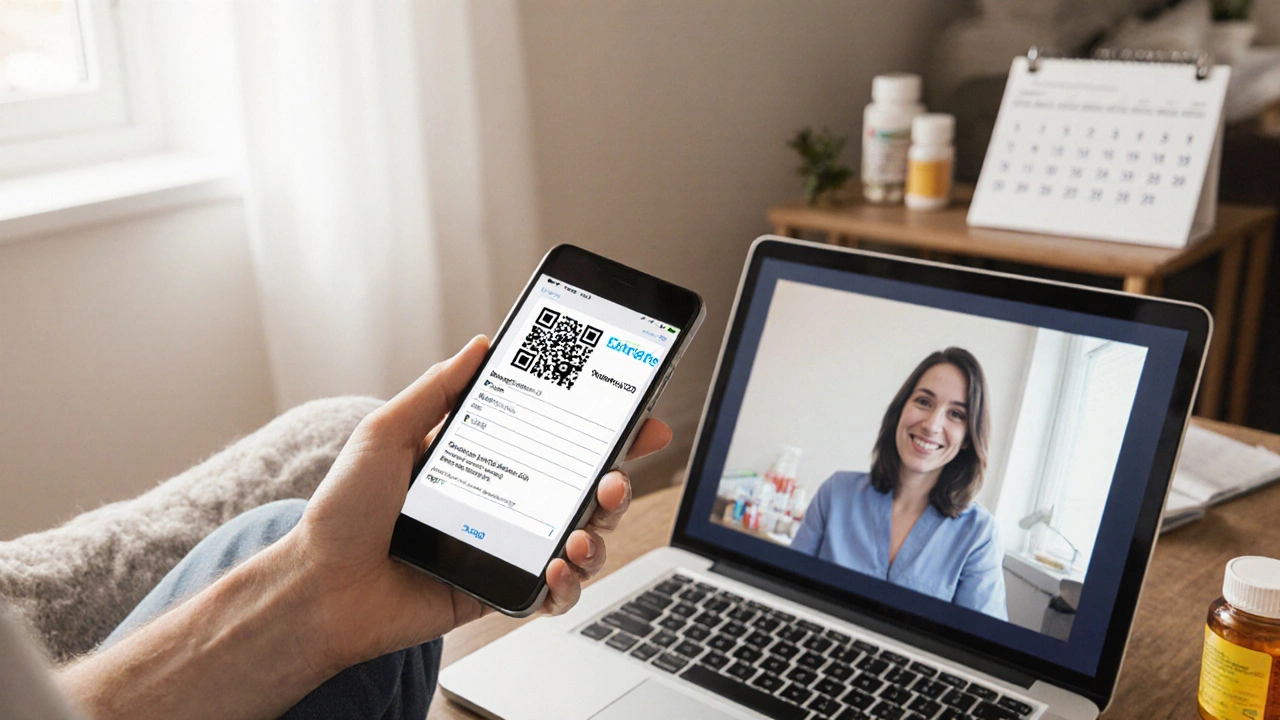
Is an Online Prescription Valid? What You Need to Know in 2025
Online prescriptions are legally valid in New Zealand when issued by registered doctors through approved platforms. Learn how to spot legitimate services, avoid scams, and ensure your e-script gets filled without hassle.
