Pain Impact on Life: How Chronic Pain Changes Daily Living and What You Can Do
When chronic pain, persistent discomfort lasting longer than three months that doesn't fade with rest or standard treatment. Also known as long-term pain, it isn’t just a symptom—it’s a life-altering condition. Unlike a sprained ankle or a headache that goes away, chronic pain rewires how your brain processes sensation, turning everyday movements into challenges. It doesn’t care if you have a job, kids, or hobbies. It shows up anyway—on the couch, at the office, in the middle of the night—and slowly takes back control of your days.
This is why the pain impact on life, the broad effect persistent pain has on physical ability, mental health, work, and social connections goes far beyond discomfort. People with chronic pain often stop going out with friends, skip family events, or quit jobs because sitting for eight hours becomes impossible. Sleep suffers. Anxiety creeps in. Depression follows. And yet, many are told to just "push through" or are handed pills that don’t fix the root problem. The truth? Pain isn’t just in your body—it’s in your routines, your self-image, your future plans.
That’s where understanding your options matters. pain medication, drugs prescribed to reduce or manage pain, including acetaminophen, NSAIDs, gabapentin, and opioids can help, but they’re not magic. Gabapentin doesn’t block pain like an opioid—it calms overactive nerves. Acetaminophen is safer for long-term use than ibuprofen for many, but it still has limits. And opioids? They carry risks that often outweigh benefits over time. Meanwhile, non-drug tools like pain management, a multidisciplinary approach combining therapy, movement, education, and lifestyle changes to reduce pain’s influence are proving more effective than pills alone. Movement isn’t about lifting weights—it’s about retraining your nervous system to stop screaming at you. Therapy helps you rebuild confidence after years of feeling broken. Education turns fear into control.
The posts below aren’t about quick fixes. They’re about real strategies people use to take back their lives. You’ll find out why gabapentin’s biggest side effect isn’t drowsiness but falls. Why the safest painkiller isn’t the strongest. How private healthcare can leave you stranded if you can’t pay. What dental implants really cost—and what cheaper alternatives actually work. And how some people reverse chronic pain not by eliminating it, but by changing how their brain responds to it. This isn’t theory. These are the stories, data, and choices that matter when pain has already stolen too much.
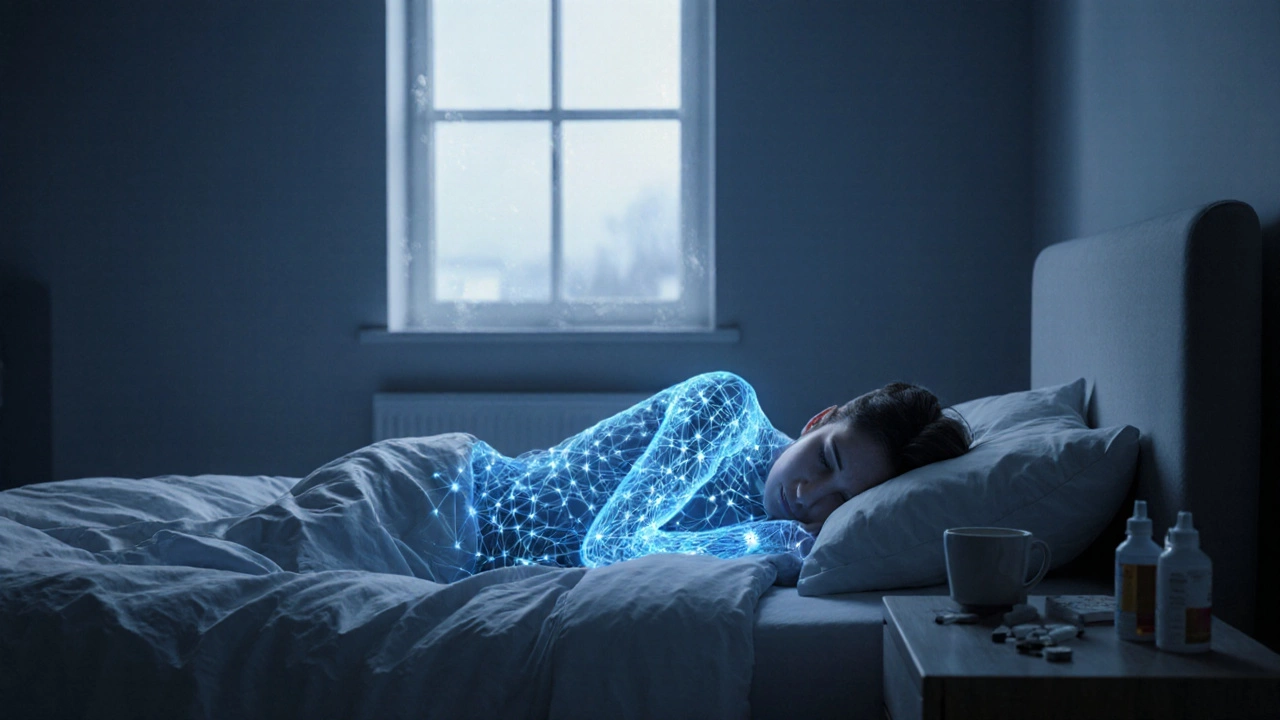
What Does Constant Pain Do to a Person? The Hidden Toll of Chronic Pain
Constant pain doesn't just hurt-it rewires your brain, drains your energy, and reshapes your life. Learn how chronic pain affects your body, mind, relationships, and identity-and what real healing looks like.
